



If you’ve ever wondered what is toile, you’re about to discover one of the most iconic creations in French art and French design. Known as Toile de Jouy, this elegant printed fabric has adorned French homes since the 18th century and continues to inspire artists, designers, and trendsetters worldwide. With its delicate pastoral scenes and refined elegance, Toile de Jouy represents timeless craftsmanship and cultural storytelling at its best.


1. What is Toile de Jouy?
The term Toile de Jouy translates into “cloth from Jouy,” referring to Jouy-en-Josas, a town near Paris. This fabric features intricate scenic prints—pastoral, romantic, or mythological—usually rendered in a single color on a light background.
Over time, “toile” became a general term for similar prints, but authentic Toile de Jouy remains the hallmark of French design—graceful, detailed, and eternally chic.


Left image: Pictorial print
Right image: Fragment of Printed Cotton
2. What Material is it Made Of?
Classic Toile de Jouy was produced on cotton, prized for its smooth surface and ability to hold fine print detail. Artisans sometimes used linen or cotton-linen blends for luxury pieces.
Key characteristics of the material include:
-
A smooth, tightly woven texture for crisp detail.
-
A pale, neutral base to enhance print contrast.
-
Strength and washability for long-lasting beauty.
Cotton made it possible for Toile de Jouy to merge artistry with everyday function—beautiful yet practical.


Left image: Scènes Flamandes
Right image: Le Meunier, Son Fils, et l’Ane
3. What is the Printing Technique?
At its core, Toile de Jouy is all about masterful printing. Early designs were applied using hand-carved woodblocks, creating precise, repeating designs across long fabric panels.
Later, copperplate engraving refined the process. Engraved copper plates produced finer lines and greater realism. Eventually, copper roller printing revolutionized production, enabling artisans to print continuous lengths of fabric at scale.
Each method demanded meticulous skill, blending technology and artistry to achieve the hallmark clarity that defines Toile de Jouy.


Left image: Le Ballon de Gonesse
Right image: Les Comédiens Ambulants
4. Who Introduced it in France and Why?
Christophe-Philippe Oberkampf established the first Toile de Jouy factory in 1760 in Jouy-en-Josas, near Versailles. His goal was to produce French-printed fabrics that rivaled the exotic chintzes imported from India.
By employing gifted artists like Jean-Baptiste Huet, Oberkampf infused his fabrics with local charm and sophistication. The French elite adored the result—a perfect union of art and textile innovation.


Left image: Panel Furnishing Fabric
Right image: L’Hommage de l’Amérique á la France
You can still visit the Museé de la Toile de Jouy today and explore Oberkampf’s original designs, tools, and archives—a living testament to his creative genius.
5. What is the Influence of the Designs?
The artistry of Toile de Jouy was shaped by two key movements—Rococo and Neoclassicism.
-
The early Rococo period inspired romantic, pastoral scenes filled with playfulness and nature’s charm.
-
Later, Neoclassicism introduced structure, symmetry, and classical references drawn from Greco-Roman art.
This shift reflected France’s changing taste—from ornate whimsy to intellectual order. As detailed on the History Repeating Blog, this transition profoundly influenced the visual language of Toile de Jouy.


Left image: Rococo Influence artwork, L’Exposition de 1889
Right image: Neoclassicism Influenc artwork, Egyptian Monuments
6. What is the Theme of the Designs?
At its heart, Toile de Jouy celebrates life’s poetic simplicity. Typical scenes show rural leisure, lovers under trees, or villagers working the land. Others draw from mythology, history, or daily French life.
Each image feels like a frozen moment—a quiet window into another era, filled with grace and storytelling charm.


Left image: Panel (Furnishing Fabric)
Right image: Paul and Virginie
7. What Motifs and Colors are Most Used?
Toile de Jouy motifs often feature people in pastoral activities, elegant landscapes, animals, and architectural details, framed in soft, natural compositions.
Traditional hues like red, blue, green, or black dominate the palette. Modern variations explore sepia, gray, or muted pastels—but all retain the signature contrast and refinement that defines French design.


Left image: L’Abreuvoir
Right image: The Inauguration of The Port of Cherbourg by Louis XVI
8. What is the Global Impact of Toile de Jouy?
From its beginnings in France, Toile de Jouy quickly became a global symbol of elegance.
It adorned 18th-century European homes, crossed oceans to colonial America, and found a new voice in contemporary art and fashion. Today, designers reinterpret toile as a storytelling medium—mixing its pastoral heritage with modern themes.
This adaptability has made it a lasting emblem of French art, constantly reimagined through culture, creativity, and technology.


9. How Can I Add Toile de Jouy in My Everyday Life?
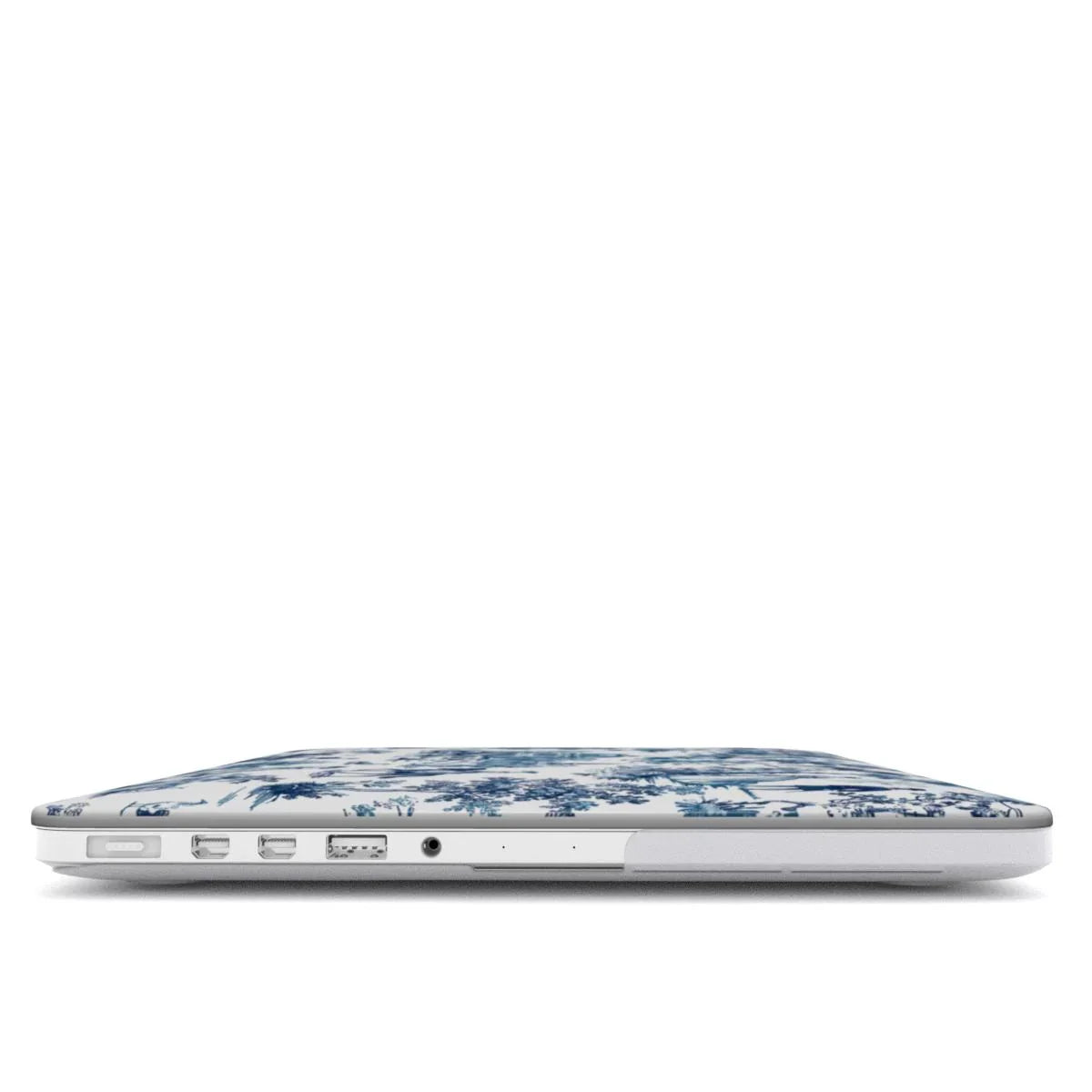
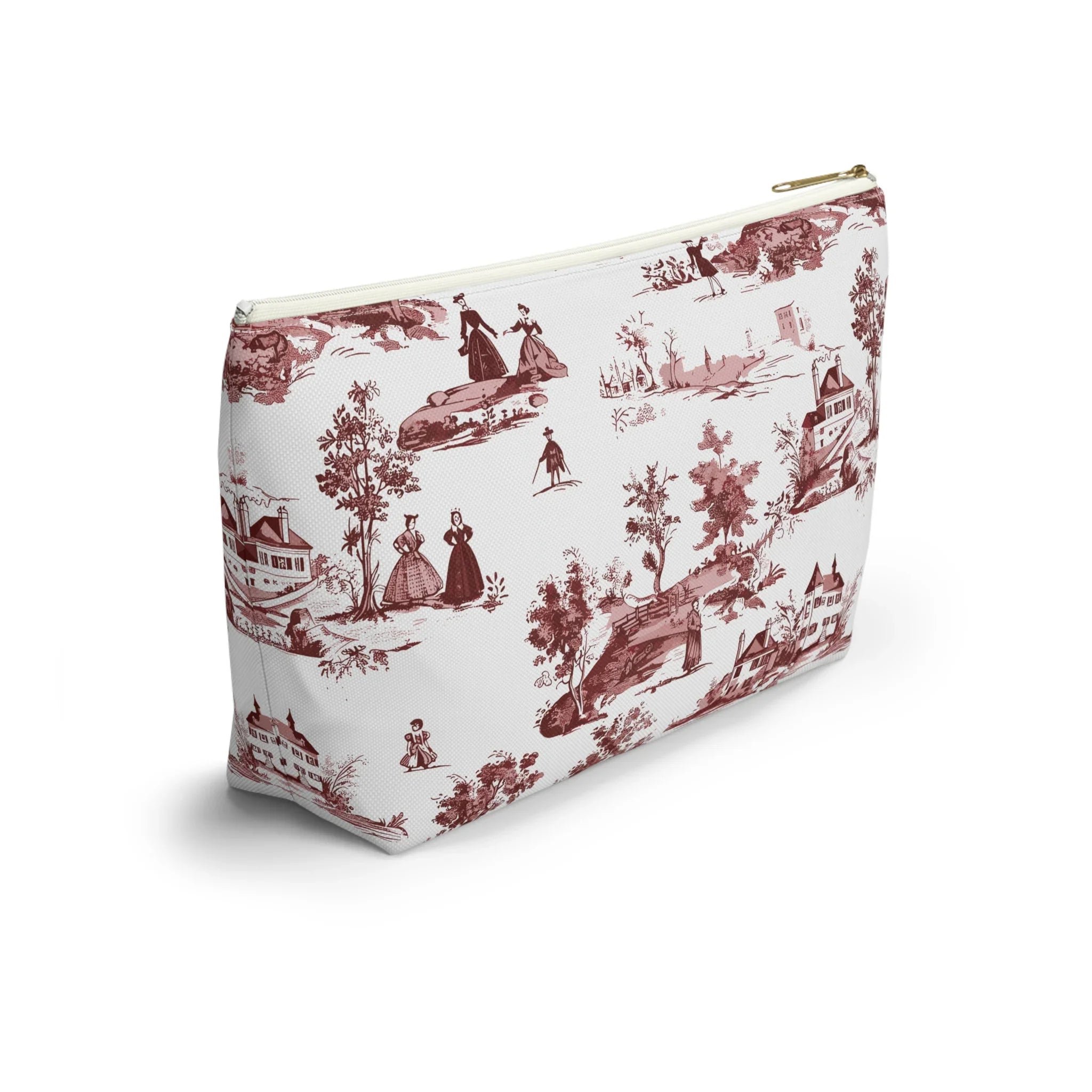
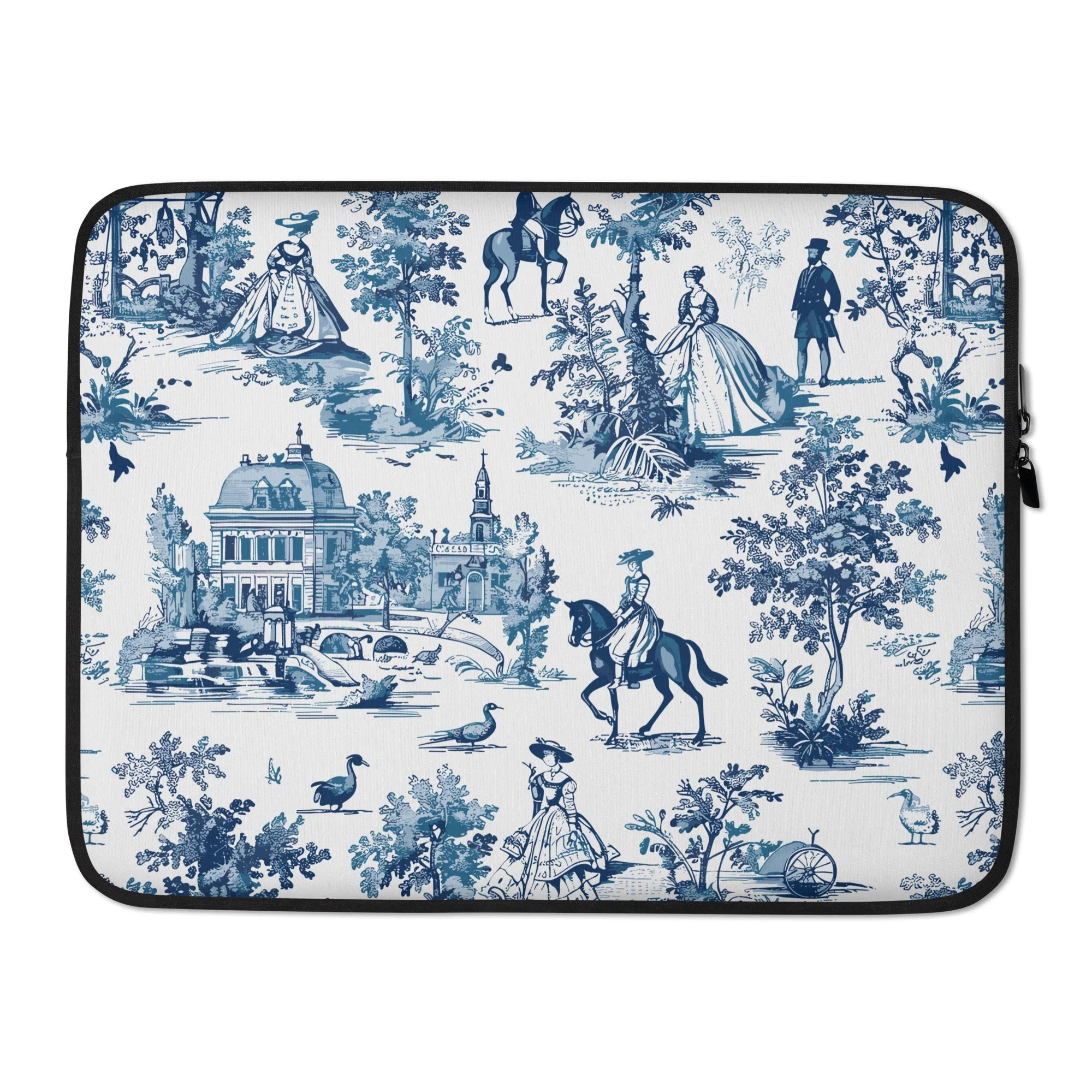
Want to incorporate a touch of French design into your daily life? Toile de Jouy’s classic charm looks stunning across tech and lifestyle accessories.
Here are a few stylish ways to wear and display Toile de Jouy-inspired designs:
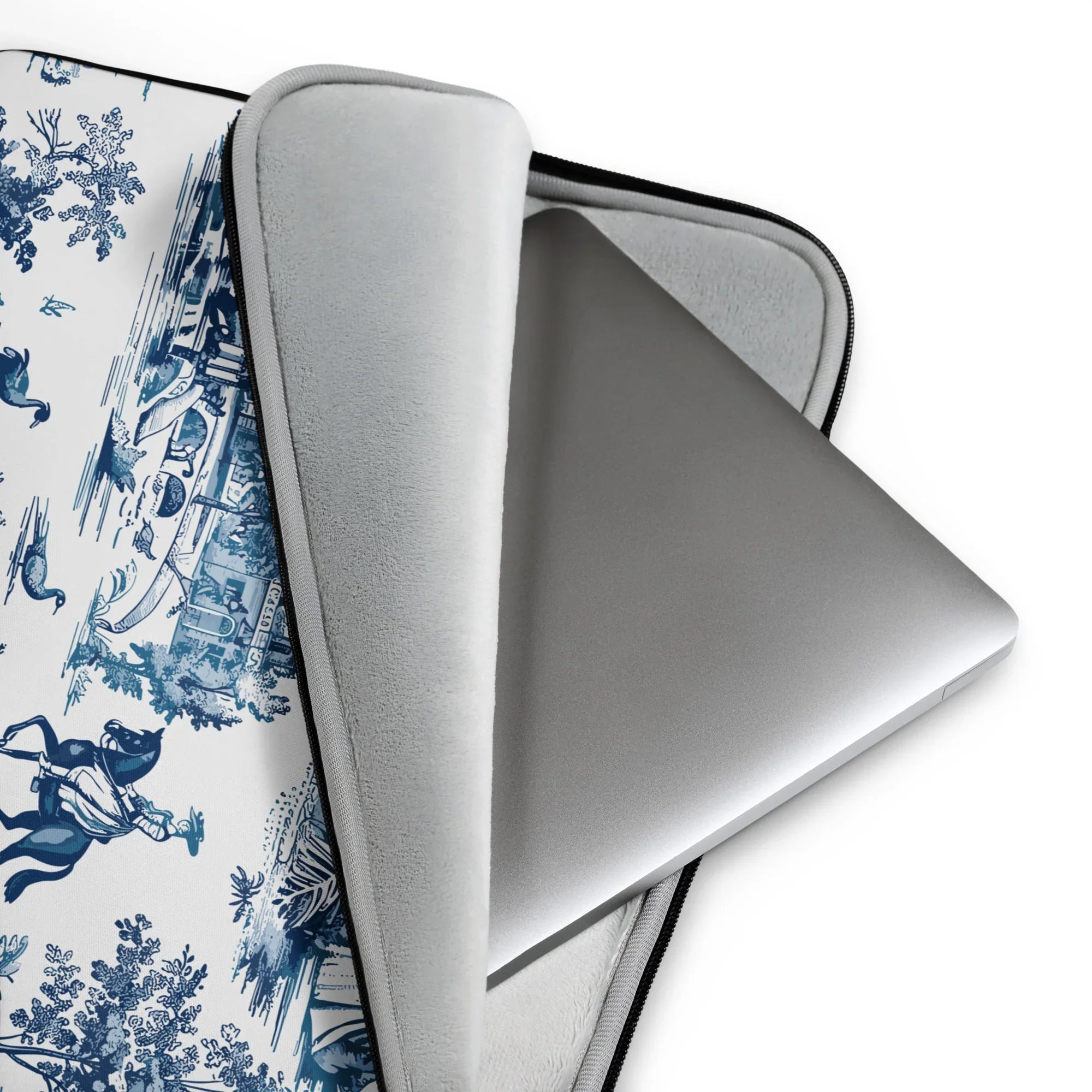
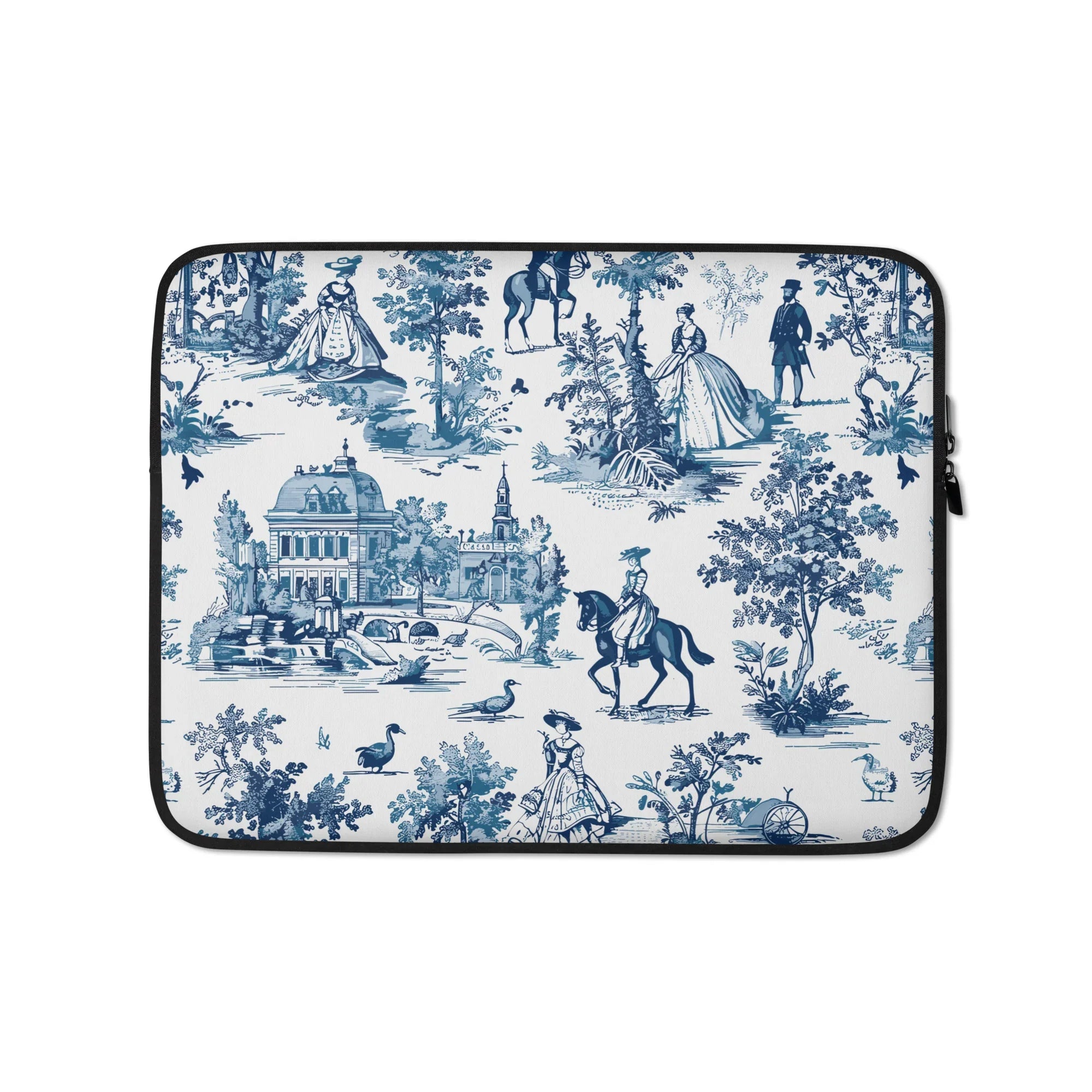
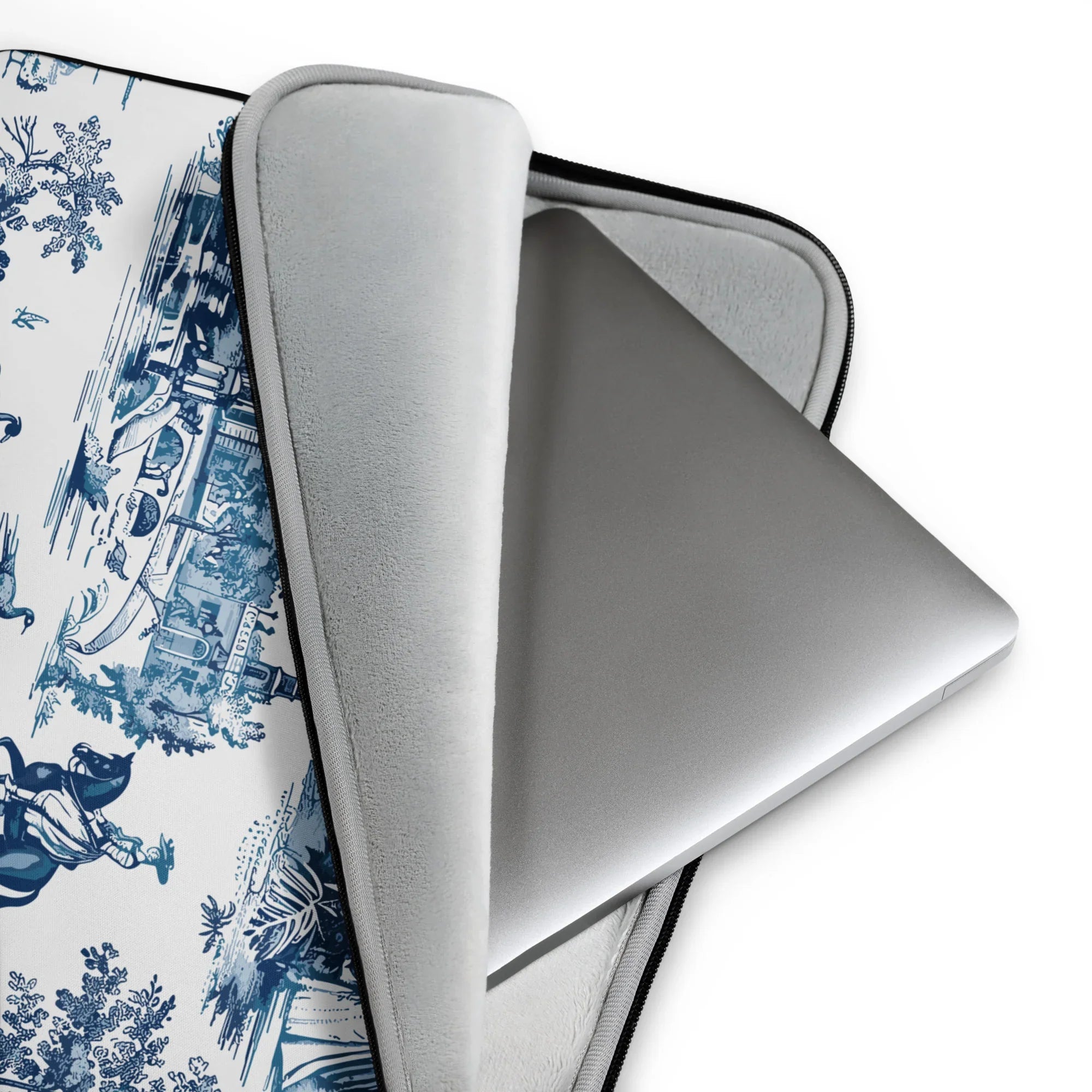
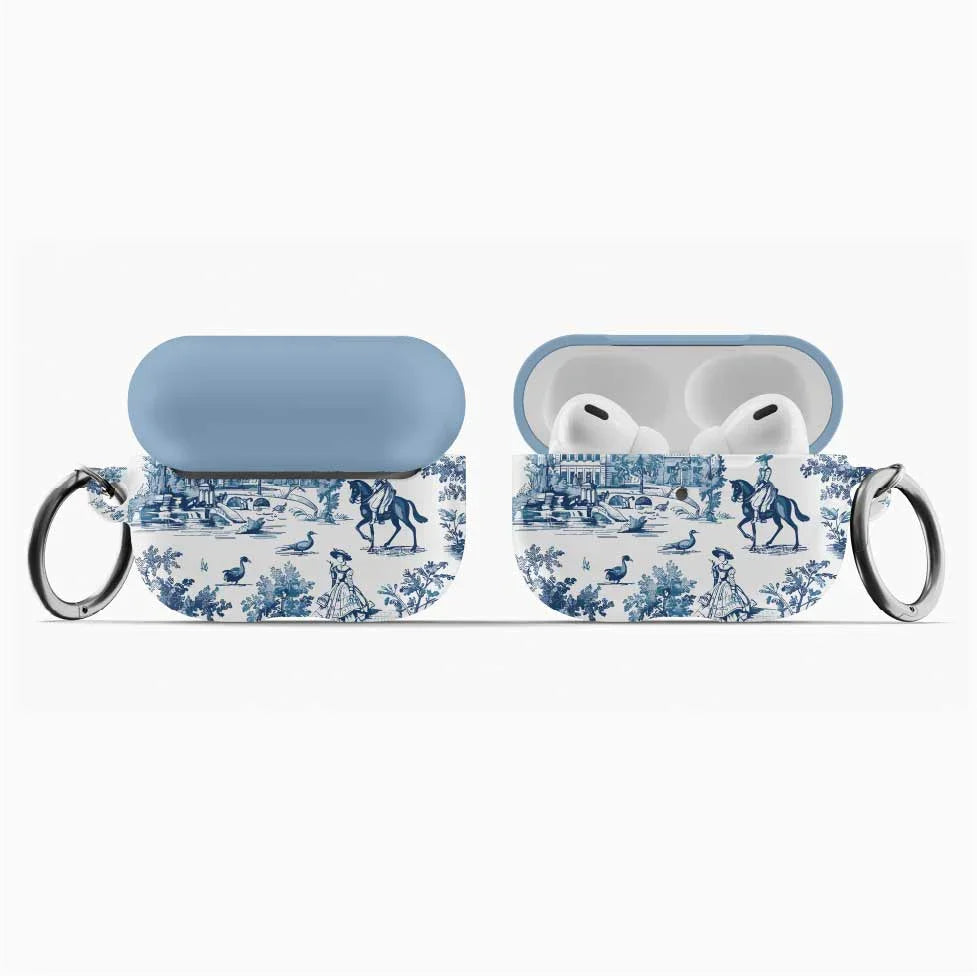
Tech Accessories: Add sophistication to your devices with toile-inspired phone cases, AirPod cases, or laptop sleeves.
Watch Bands: Elevate your look with a toile-patterned leather band that blends timeless art with modern tech.
Gifts: Toile de Jouy-inspired products make refined, thoughtful gifts for design lovers and travelers alike.
Whether at home, work, or on the go, these designs add elegance—and a touch of France—to your everyday.


Left Image: Toile de Versailles Mug
Right Image: Toile de Rouen Pouch
Final Thoughts: The Timeless Appeal of French Toile de Jouy
Toile de Jouy is more than decorative fabric—it’s a living symbol of French art, storytelling, and innovation. From Rococo origins to modern reinterpretations, its beauty endures across generations.
By embracing Toile de Jouy-inspired pieces in your life, you celebrate both design heritage and modern creativity.

Next time you spot toile on a phone case, tote, or watch band, remember—you’re not just seeing a print. You’re witnessing centuries of French design artistry woven into the fabric of everyday life.