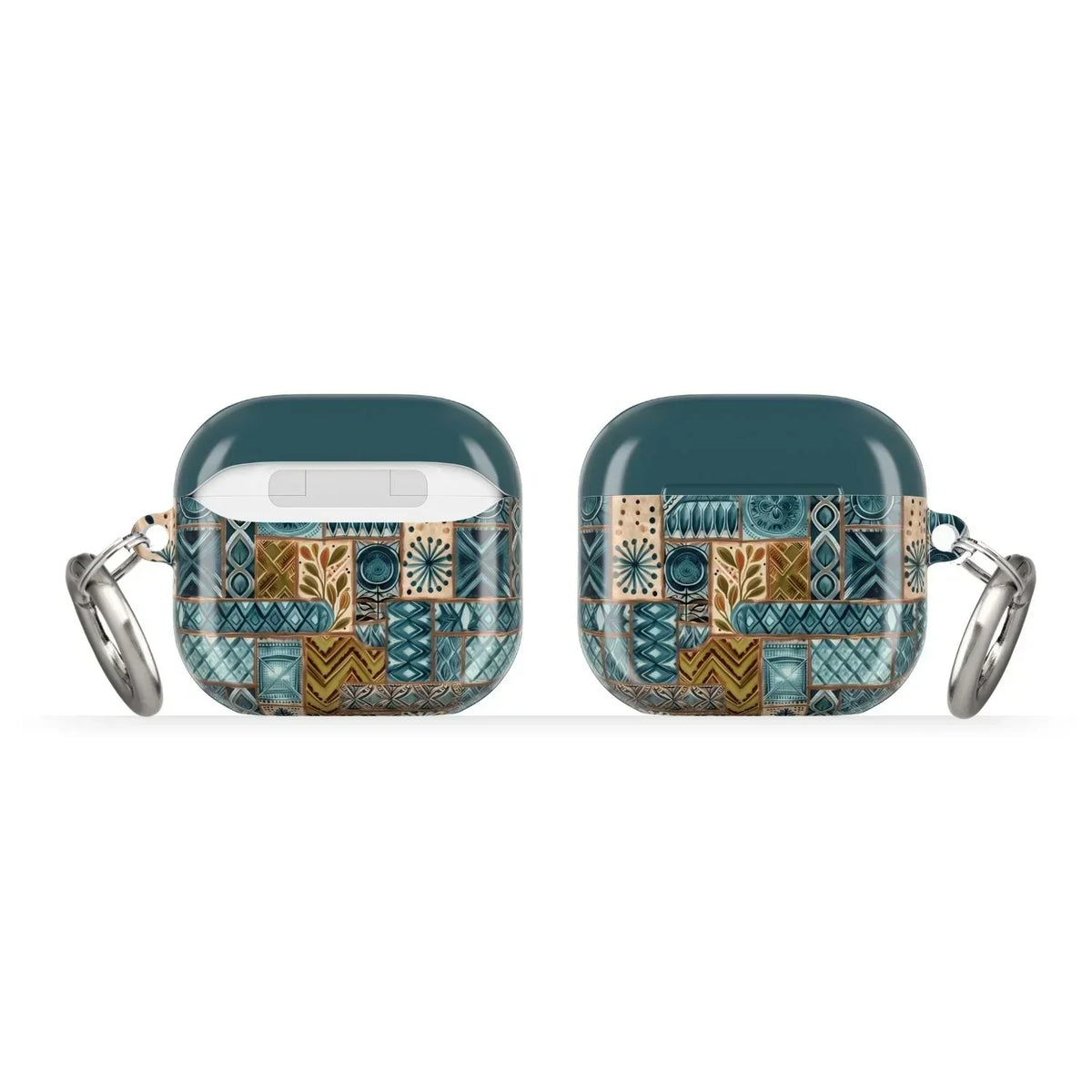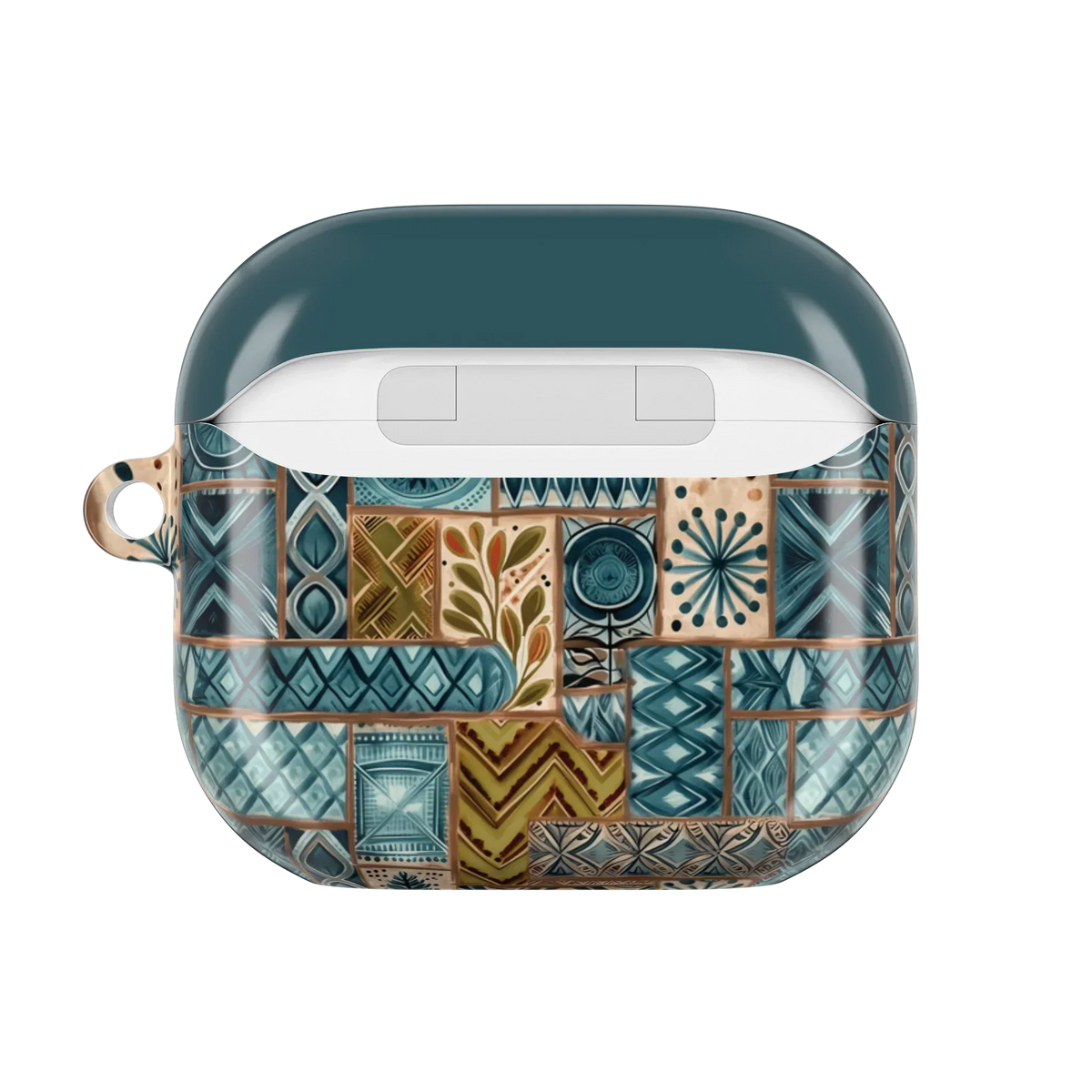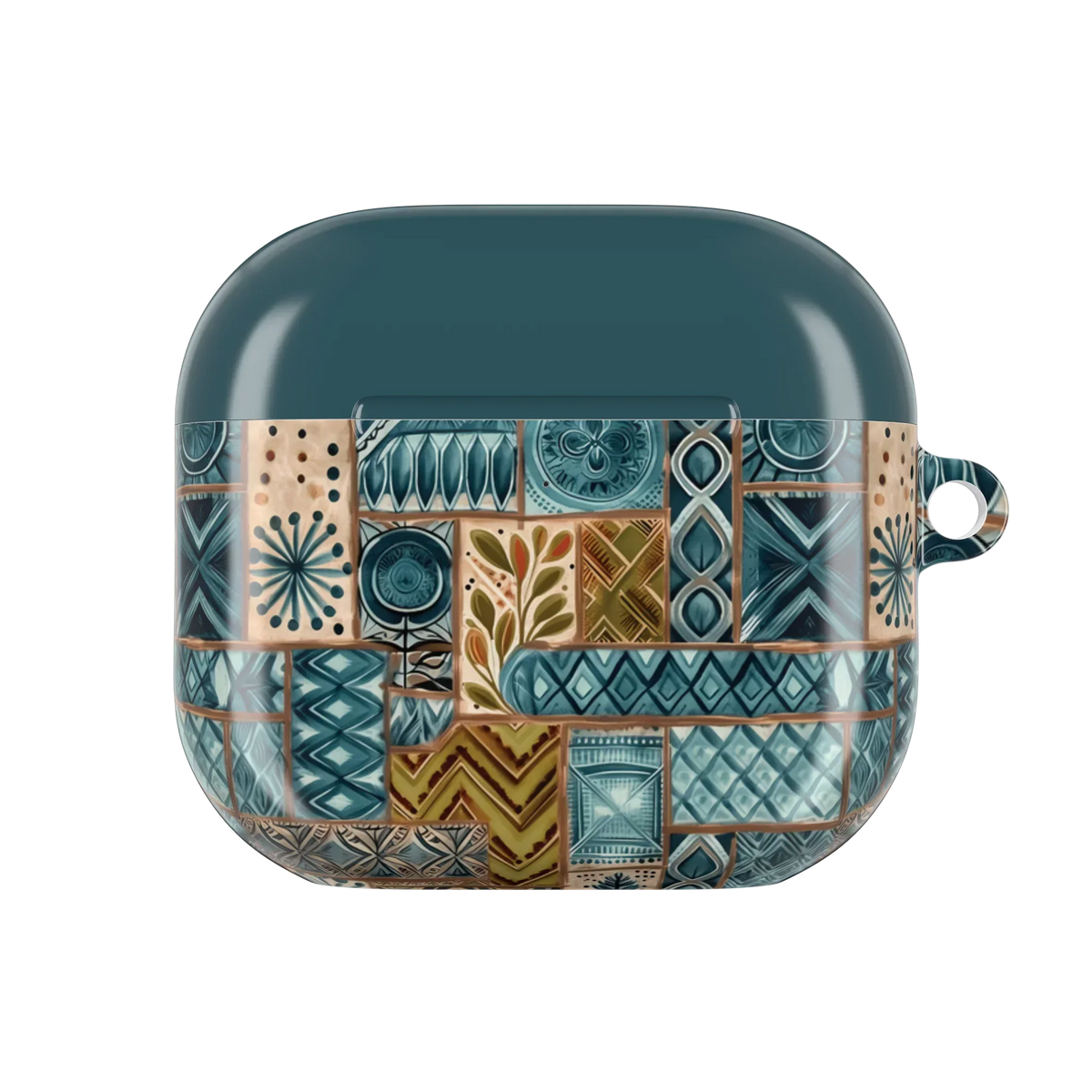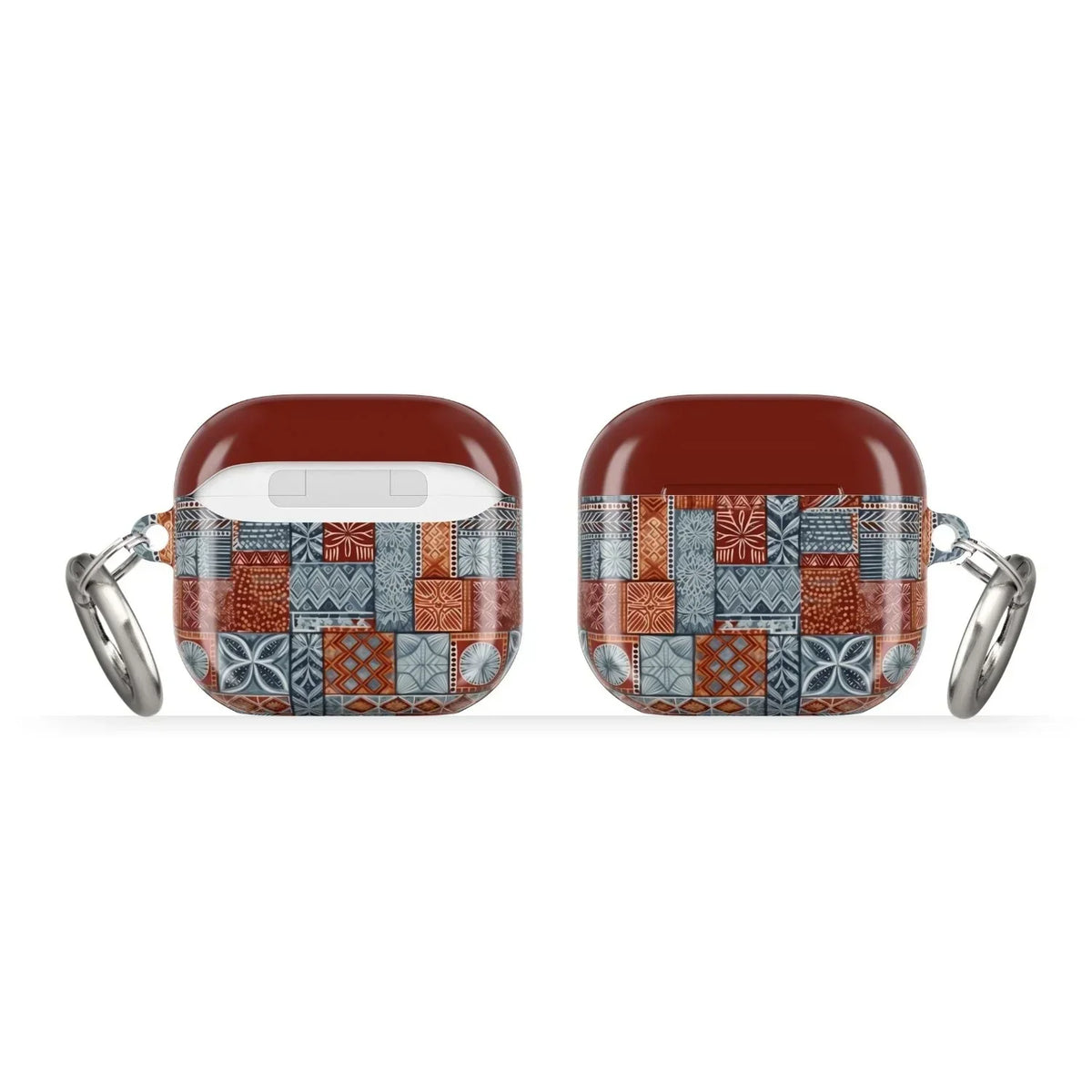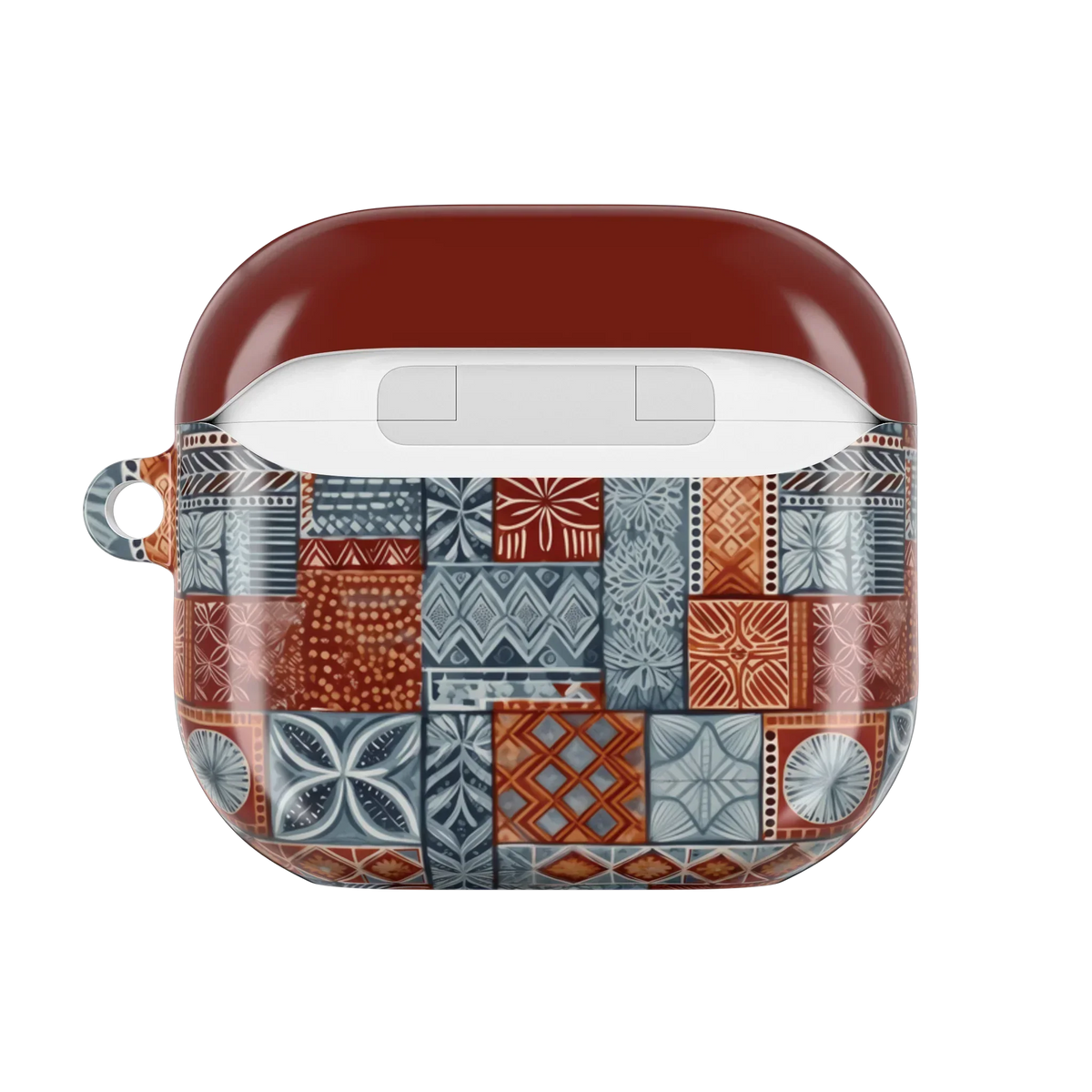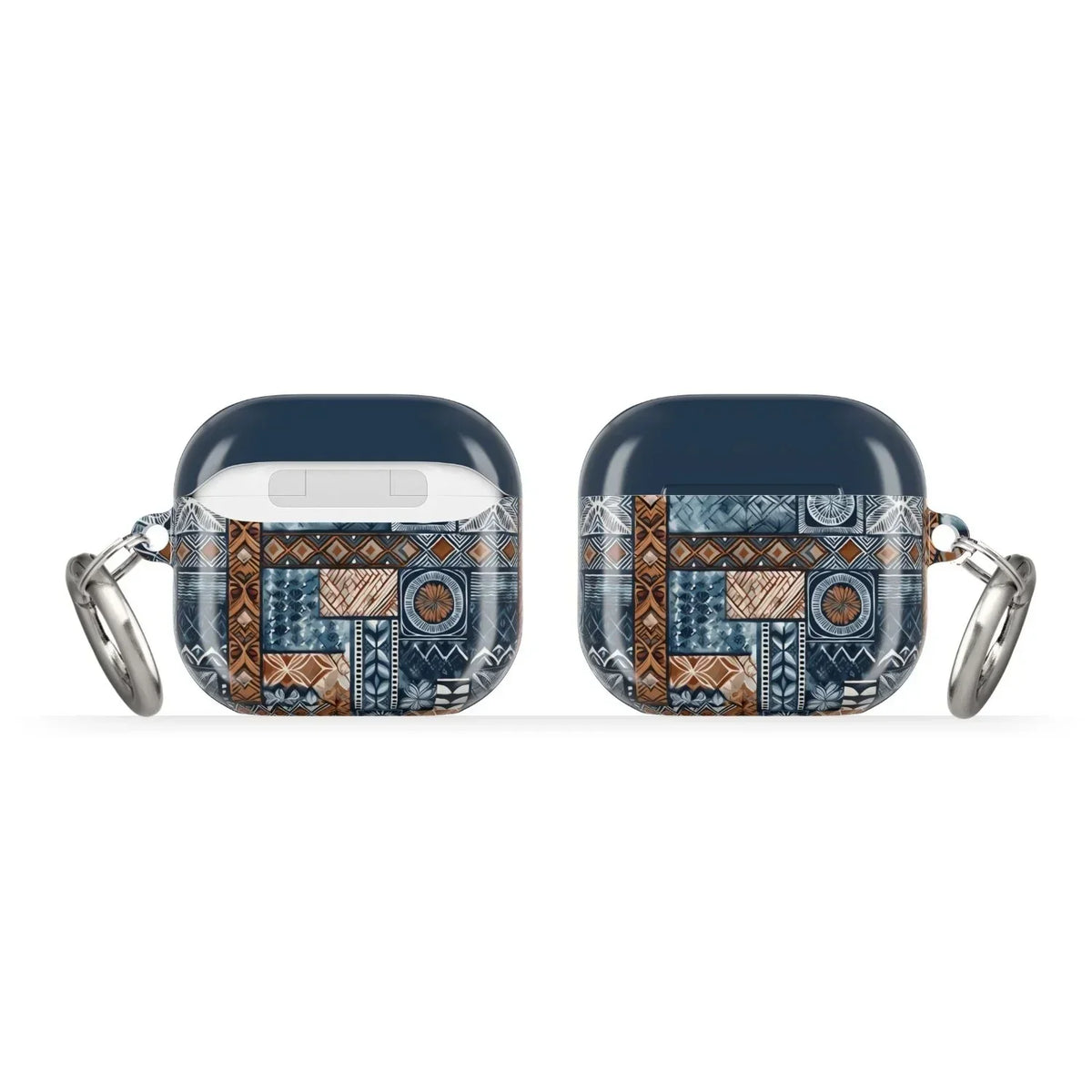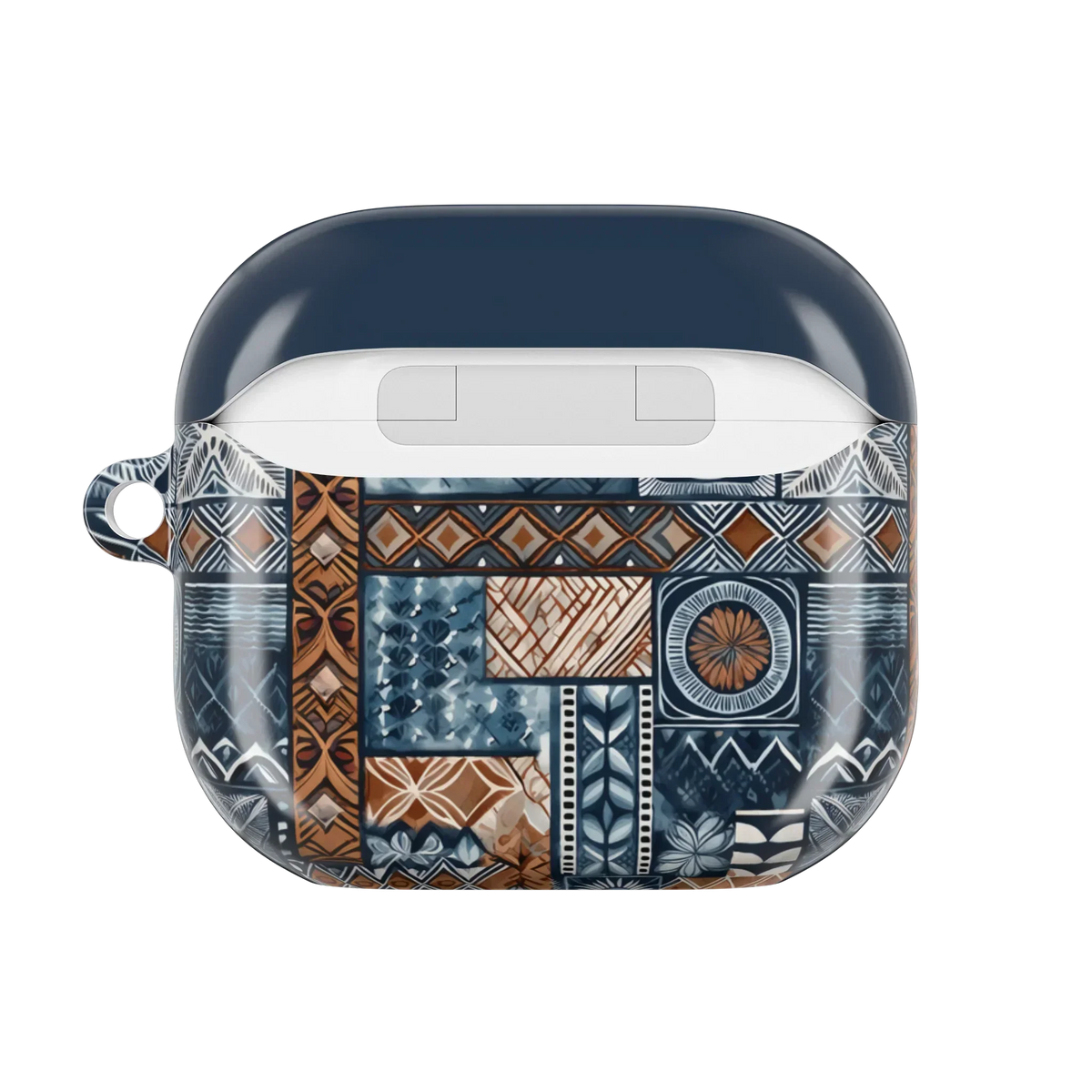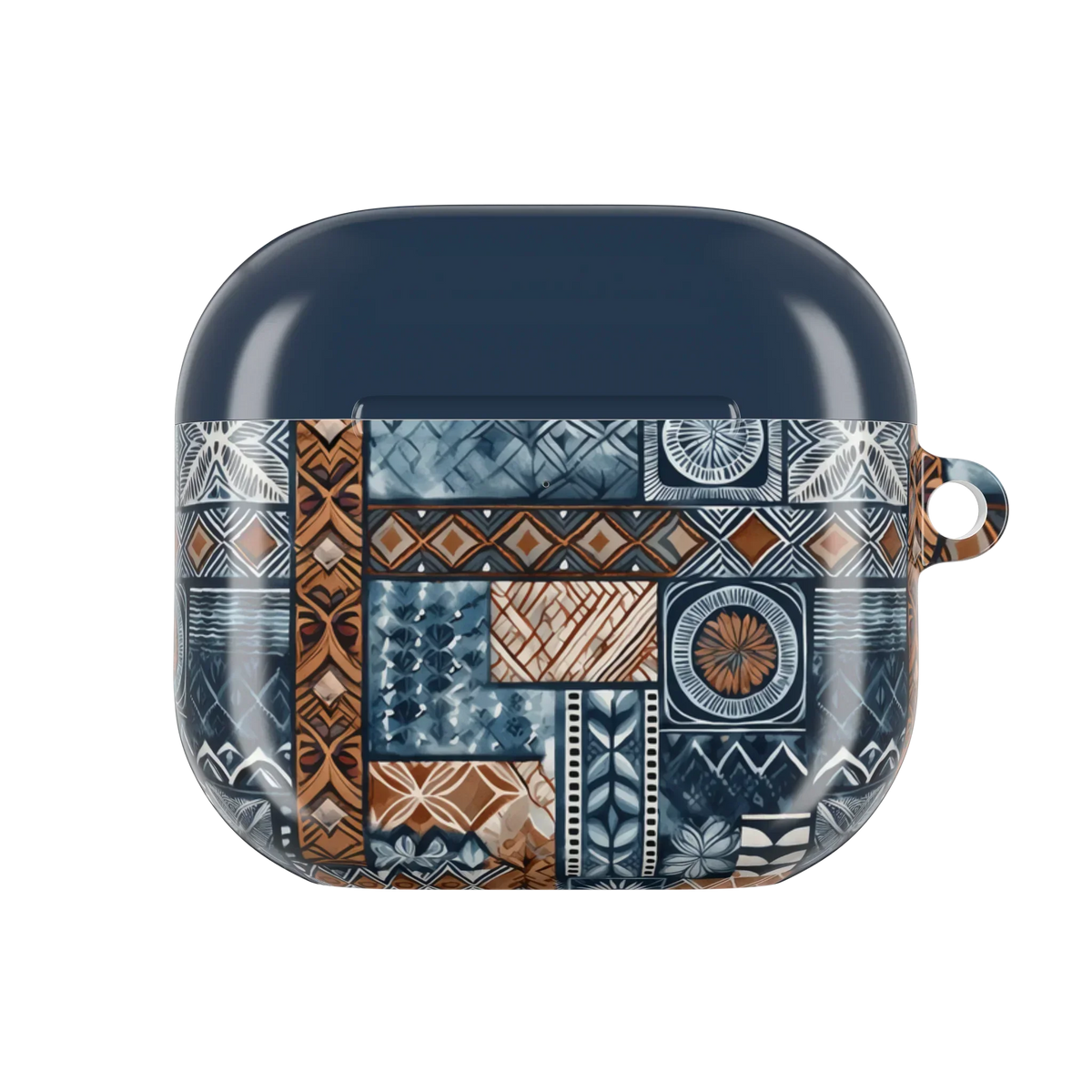




Some patterns make you pause for a closer look. A bold border, a repeating leaf, a patchwork of geometric shapes. Tapa cloth has that kind of visual appeal, but its story reaches well beyond the surface.
Across the Pacific, barkcloth traditions bring together plant knowledge, skilled hands, family connections, and artistic expression. From Tongan ngatu to Hawaiian kapa, these cloths offer a fascinating way to explore the relationship between useful objects and cultural identity.

Here are ten things to know about tapa, including how it is made, what Hawaiian tapa designs refer to, and how its visual language can inspire everyday products.
1. What Is Tapa Cloth?
Tapa cloth is a form of barkcloth made by beating the inner bark of certain trees into sheets. Unlike cotton or linen fabric, it is not woven from spun threads.
The word “cloth” can make it sound like an ordinary textile. Its construction is quite different, though. Look closely at a traditional piece, and you may notice fine fibers, overlapping layers, or subtle variations in thickness.
Tapa can be left undecorated or transformed with color and pattern. Some examples feel delicate and almost paperlike; others are layered into substantial sheets. Siapo (tapa cloth),1890s, Sāmoa. Museum of New Zealand
This distinction is useful when exploring contemporary accessories. A product featuring a tapa cloth design may carry a printed interpretation of barkcloth patterns while being made from a completely different material.
2. Tapa Belongs to a Wider Pacific History
Tapa does not have one simple origin story that can be assigned to a single island. It belongs to a broader history of barkcloth making, movement, and cultural exchange across the Pacific.
Over generations, communities developed their own ways of preparing bark, decorating cloth, and using it in daily life. Shared materials did not produce identical traditions. Local knowledge and artistic choices created a remarkable variety of forms.

Indigenous people working on a Tapa Cloth, Fiji
The history also includes disruption. Imported woven fabrics and missionary influence changed clothing practices, contributing to the decline of barkcloth production in some places. Elsewhere, making continued, and communities have also worked to renew customary practices.
Kew’s research into Pacific barkcloth explores these changes alongside the botanical knowledge held within historic cloths.
3. How Tapa Cloth is Made: From Bark to Cloth
Making tapa cloth takes careful preparation before any pattern is added. Makers transform narrow strips of inner bark into flexible sheets through soaking, beating, and joining. The tools, timing, and order vary between Pacific traditions.
Selecting and harvesting the bark
Paper mulberry is a common source, while breadfruit and certain fig trees are also used. Young paper mulberry trees are cultivated and tended before harvesting. Makers cut suitable stems or branches, split the bark lengthwise, and peel it away.

Separating and cleaning the inner bark
The useful material is the fibrous inner bark, beneath the rough outer layer. Makers separate the two and scrape away remaining outer bark with tools such as shells or knives. This cleaning helps prepare a more even surface.

Soaking and softening
Water softens the strips so they can be worked. Depending on the method, soaking may last overnight or longer. Some traditions also involve fermentation. These treatments loosen the compacted fibers, and additional soaking may take place between rounds of beating.
Beating the bark into sheets
The softened strips are laid on a firm anvil, often a wooden block, and worked with wooden beaters. Repeated blows spread the fibers, gradually turning narrow strips into wider, thinner sheets.
 Pounding kapa cloth at Hawaiian Cultural Festival
Beaters can have differently textured faces. Coarser grooves help work the bark initially, while finer or smoother faces refine it later. The maker controls the thickness and finish through the choice of tool and repeated working.
Joining and strengthening the cloth
To make larger pieces, makers overlap smaller sheets and beat their damp edges together until the fibers interlock. This is often called felting, although the material is plant fiber rather than wool.

Other methods use a starch-based paste, such as arrowroot, to join sheets. Folding, layering, and further beating can also help build strength or achieve the desired thickness. Large cloths may involve several makers working together.
Drying and lightening
The prepared cloth is dried, sometimes in the shade before being laid in the sun. Sun exposure can also help lighten, or bleach, the material in some traditions.

Here, sun bleaching means lightening through exposure to sunlight. Drying and lightening can occur at different stages, and some tapa remains undecorated.
The Peabody Museum’s guide to tapa production explains these materials and techniques in more detail.
4. How Tapa Cloth Design Is Added
Once the cloth is prepared, decoration introduces another set of skills. Traditional tapa cloth design can combine geometric shapes with stylized references to local plants and animals. Motifs and their meanings vary between communities.
Color may come from plant dyes and earth pigments, contributing to the creams, browns, reds, yellows, and dark accents seen across different examples.
Makers use several approaches:
- Freehand painting: Designs are drawn directly onto the cloth, allowing individual details and flowing compositions.
- Stamping: A carved tool transfers a motif repeatedly. Hawaiian examples include patterned bamboo stamps.
- Stenciling: Color is applied through cut openings to create defined shapes, as seen in some Fijian masi.
- Rubbing: Cloth is placed over a raised pattern board, and color is rubbed across it to reveal the design beneath. This method is used in Samoan siapo.
 Patching and Painting Siapo for Tapa Cloth
Techniques can be combined, with hand-painted details added after a repeated pattern. Fine impressions made during beating can also contribute texture, as in Hawaiian kapa.
 Tapa Cloth Designs
When exploring Hawaiian tapa designs or other Pacific traditions, look at both the surface pattern and the cloth beneath it. The finished piece reflects the preparation, tools, and artistic decisions involved at every stage.
5. Regional Names Reveal Important Differences
“Tapa” is a useful general term, but local names help us understand the traditions more precisely:
- Ngatu: Decorated barkcloth in Tonga.
- Siapo: Barkcloth in Sāmoa.
- Masi: Barkcloth in Fiji.
- Kapa: Barkcloth in Hawaiʻi.
- Hiapo: Barkcloth in Niue.
These are more than alternative labels for an identical product. They belong to communities with their own approaches to making, decoration, and use.

For example, Samoan siapo includes both freehand painting and designs produced through rubbing. Fijian masi can feature stenciled decoration. Tongan ngatu may incorporate motifs associated with particular people or events.
 Panel Masi Kesa(tapa cloth), mid- to late 19th century, Fiji. The Met Museum
Te Papa’s guide to Pacific tapa traditions is a helpful introduction to this diversity.
When comparing cloths, start with the place and maker wherever that information is available. It is a more revealing approach than treating every geometric pattern as one universal Pacific style. Hiapo (tapa cloth), 1800s, Niue. Museum of New Zealand
6. Hawaiian Tapa Designs Are Connected to Kapa
If you have searched for Hawaiian tapa designs, the local term to know is kapa. In Hawaiʻi, paper mulberry is known as wauke, and its inner bark has been an important material for kapa making.
Decoration can involve patterns applied to the surface, including stamping. Another fascinating feature is the use of carved beaters to create fine impressions within the cloth itself. These watermarks reveal how texture can become part of a design.
The Bishop Museum’s ethnology collection includes an intricately carved kapa beater made for this purpose.
 Kapa (tapa cloth), early 20th century, Hawaii. The Cleveland Museum of Art
Kapa is also connected to Hawaiian clothing, bedding, family possessions, and cultural knowledge. That background adds depth to its visual appeal.
It helps to use the terminology carefully: Hawaiian kapa is one distinct tradition within the wider Pacific story. Patterns from Tonga, Sāmoa, Fiji, or Niue should be identified on their own terms.
7. Tapa Cloth: Meaning and Uses
A tapa cloth design may reflect the natural world, important people, or memorable events. Some Tongan ngatu record particular occasions, but there is no universal symbol dictionary. A motif’s meaning depends on its maker, community, and purpose.

Masi (tapa cloth), Fiji. The Cleveland Museum of Art
Historically, barkcloth served everyday needs as clothing, bedding, and furnishings. Samoan accounts also describe large cloths used as curtains or room dividers, showing how tapa belonged within the home as well as ceremonial settings.
 Wedding Tapa Cloth
Tapa also holds an important place in gift giving and ceremonies, including weddings and funerals in different Pacific communities. Fijian masi is associated with ceremonies involving chiefly titles, too. Its value includes the work invested in it, the relationships it represents, and the occasion it marks.
8. Tapa Cloth Craft
Tapa cloth can be transformed into a variety of handcrafted objects, including bags, hats, clothing, and decorative pieces. Its texture and patterns give makers plenty of room to explore different forms. Te Papa’s guide to Pacific barkcloth highlights the many ways this material has been used across the Pacific.
Making these objects involves adapting the cloth’s size, shape, and construction to its purpose. Barkcloth can be combined with woven fibres or supporting materials, bringing together different craft skills in one piece. A tapa cloth design takes on a different character when it becomes part of a bag, an accessory, or an object for the home.

Tapa Cloth Hand Bag in a Craft Festival
These adaptations reflect a living craft tradition that continues to evolve. Te Papa’s “Tapa reshaped” explores examples such as wedding dresses and ceremonial robes made in New Zealand. Through new forms and uses, makers continue to express their creativity while maintaining connections with family, culture, and inherited knowledge.
9. Museums Help You Look Beyond the Pattern
Te Papa in Wellington, Bishop Museum in Honolulu, and The Metropolitan Museum of Art in New York offer useful online starting points for exploring barkcloth and related tools. Kew adds another perspective through research into the plants, fibers, and coloring materials involved.

Siapo (tapa cloth), Sāmoa. Museum of New Zealand
When browsing a collection, read the object record alongside the image. Look for the place of origin, date, material, artist, and intended use. An entry described simply as “barkcloth” may contain much more specific information further down the page.

Masi (tapa cloth), Fiji. Museum of New Zealand
Try comparing two pieces from the same region before comparing cloths from different islands. Notice how the borders, scale, and arrangement change. This makes it easier to see individual decisions within a tradition, rather than searching only for differences between cultures.
10. How Tapa Cloth Design Can Inspire Everyday Products
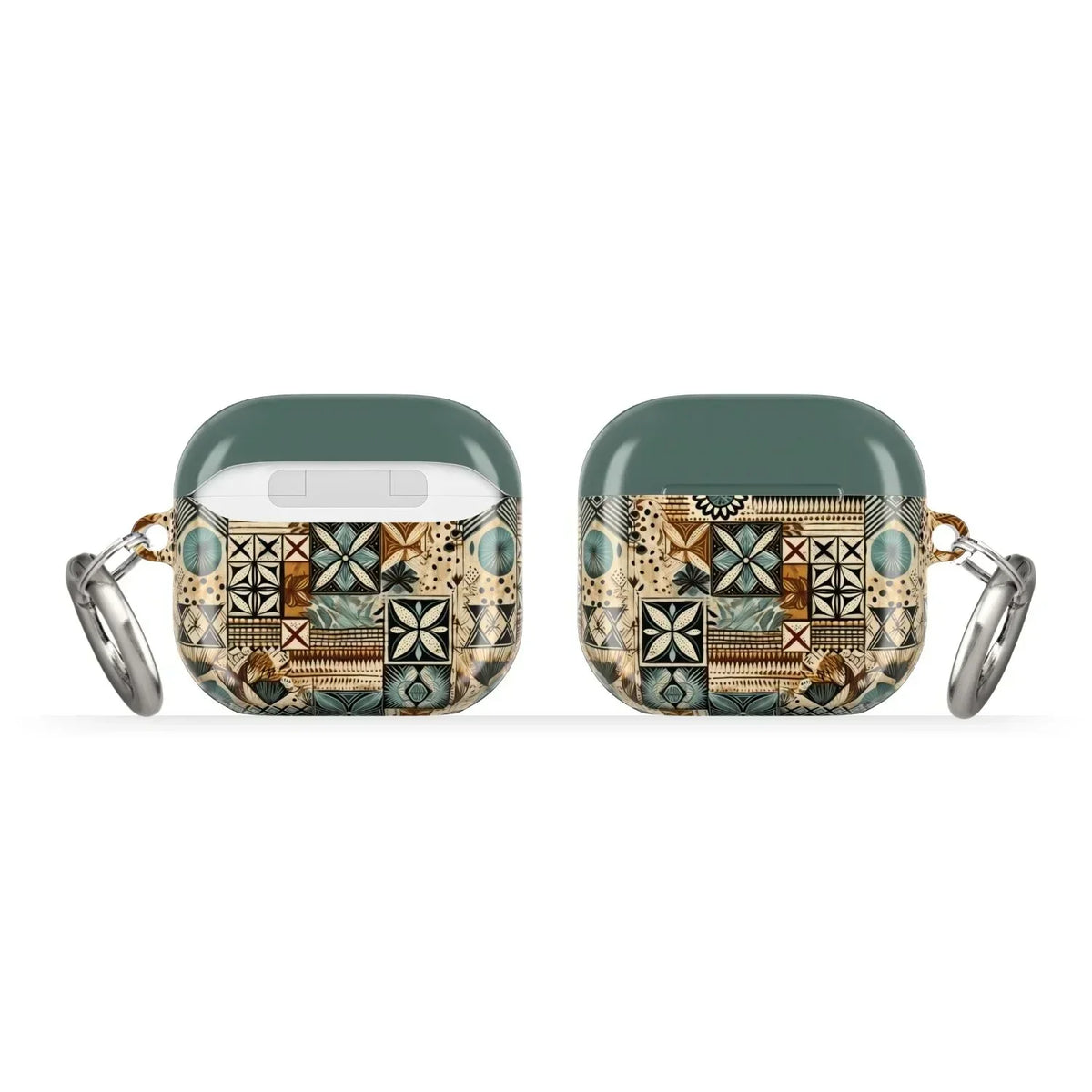
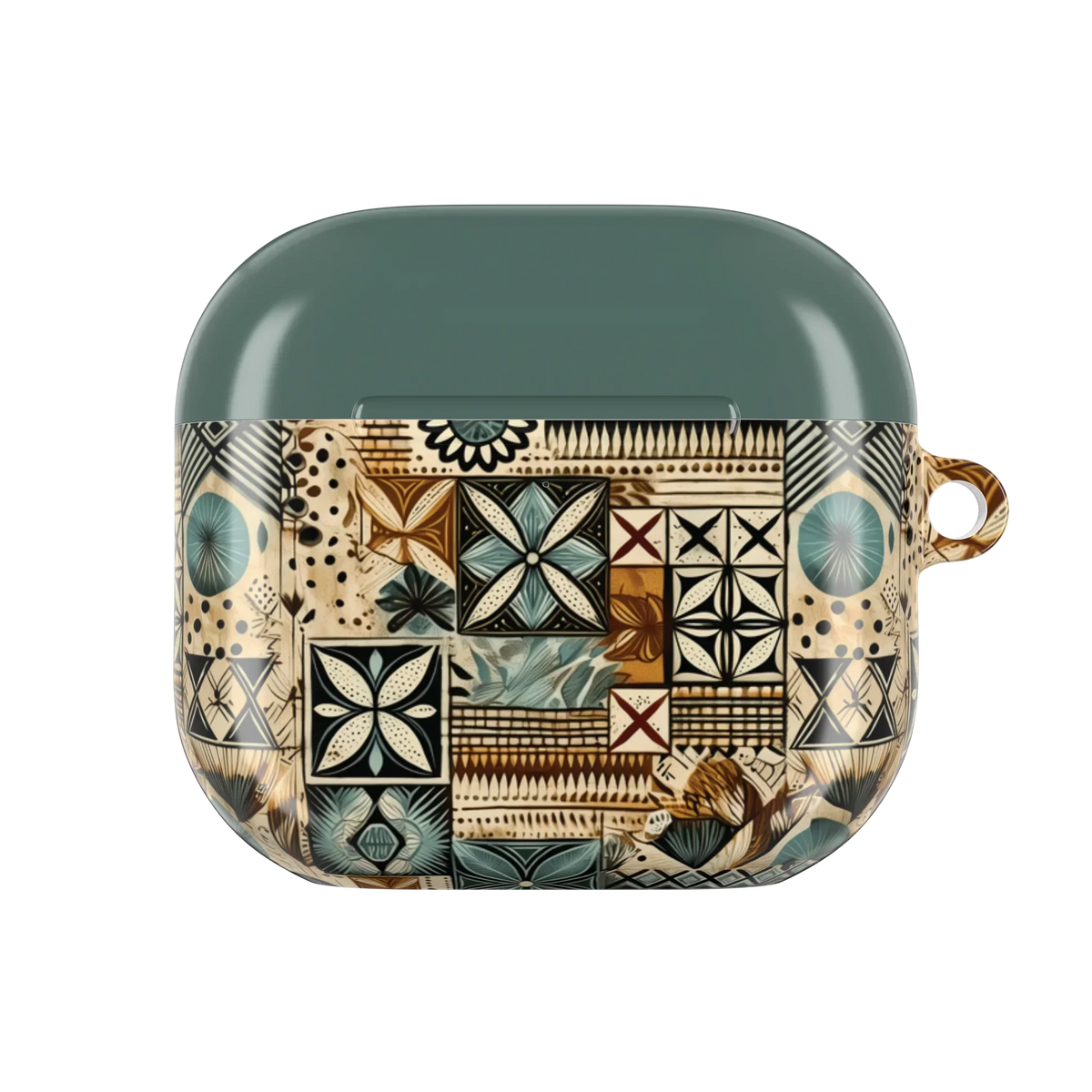
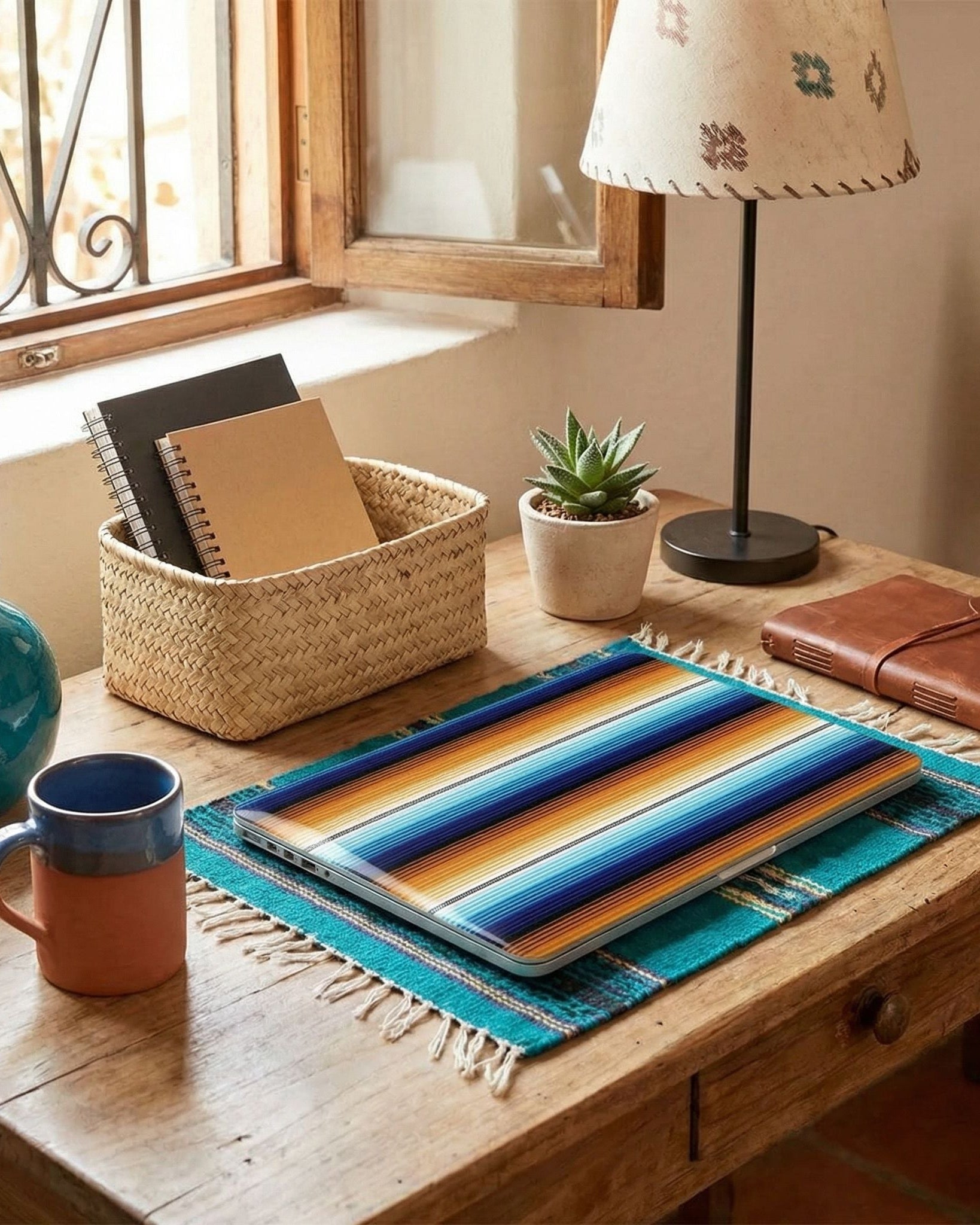
The repetition, borders, and contrasts in tapa cloth design offer plenty of inspiration for everyday objects. Smaller repeats can work on Tapa Cloth iPhone cases, while larger arrangements have room to unfold on desk mats, bags, or home accessories. Adapting the scale to the object helps the pattern remain clear.
 Trade Wind Tapa Cloth iPhone Case
Curved surfaces introduce another possibility. On Tapa Cloth mugs, a repeating motif can wrap around the cup, while a tumbler suits a taller composition. Fabric pouches and tote bags bring movement and folds into the design, giving the same pattern a different feel.
 Coral Path Tapa Cloth Tote Bag
These are contemporary printed interpretations, made with materials and methods different from traditional barkcloth. The Global Wanderer’s Pacific Islands Tapa Cloth Collection offers one example of this approach. Whether a pattern catches your eye in a museum or on an everyday object, the makers, plants, and cultural knowledge behind it are worth exploring.
Closing Thoughts
Every piece of tapa cloth begins with plants, patient work, and the knowledge of its makers. From preparing the bark to adding the final marks, each stage helps shape the finished cloth. Knowing that process makes its textures and patterns even more rewarding to explore.
Regional traditions such as Hawaiian kapa, Samoan siapo, Tongan ngatu, and Fijian masi each bring their own history to that story. As tapa cloth design finds new forms of expression, its makers and cultural context remain an essential part of understanding it. There is always another detail, technique, or individual perspective to discover.