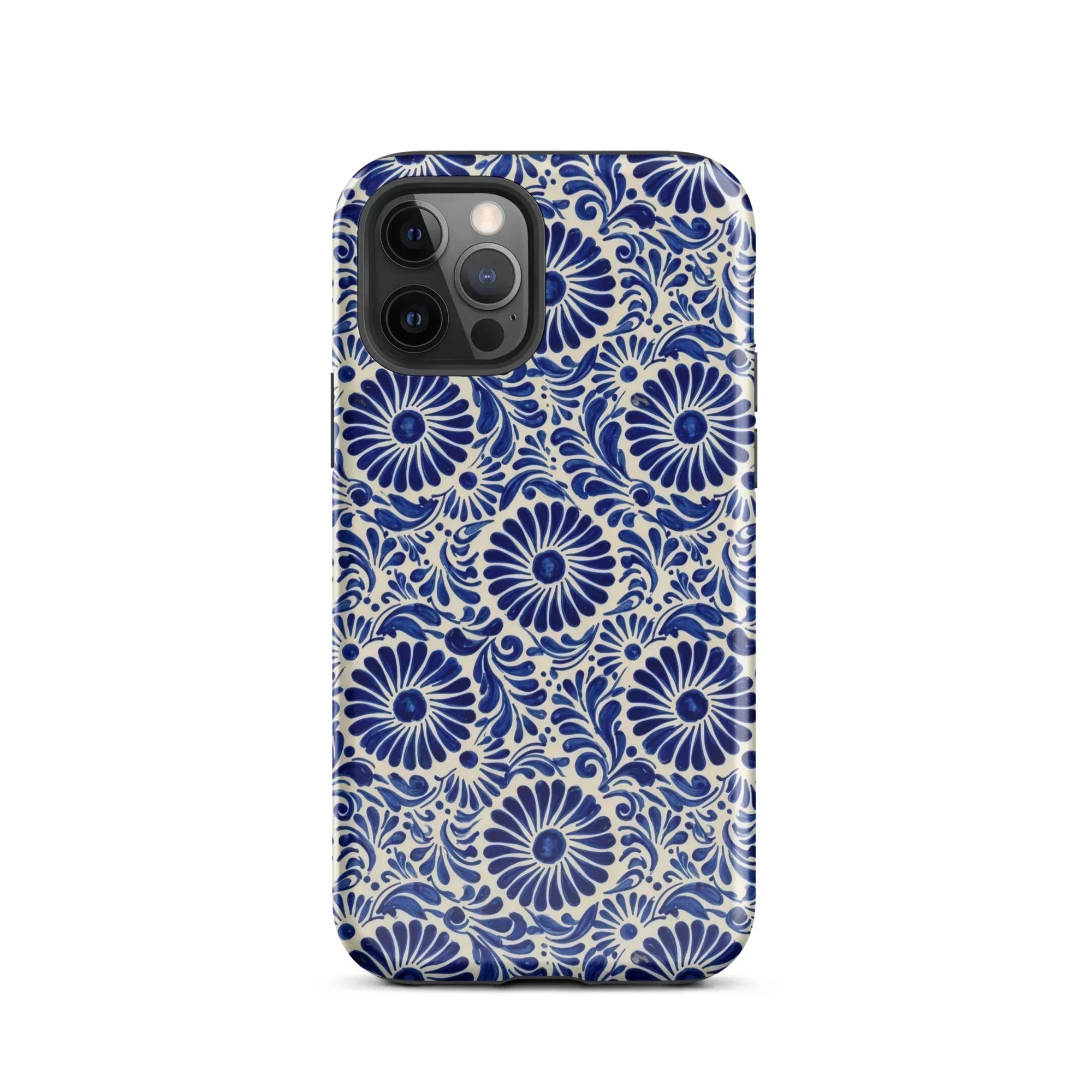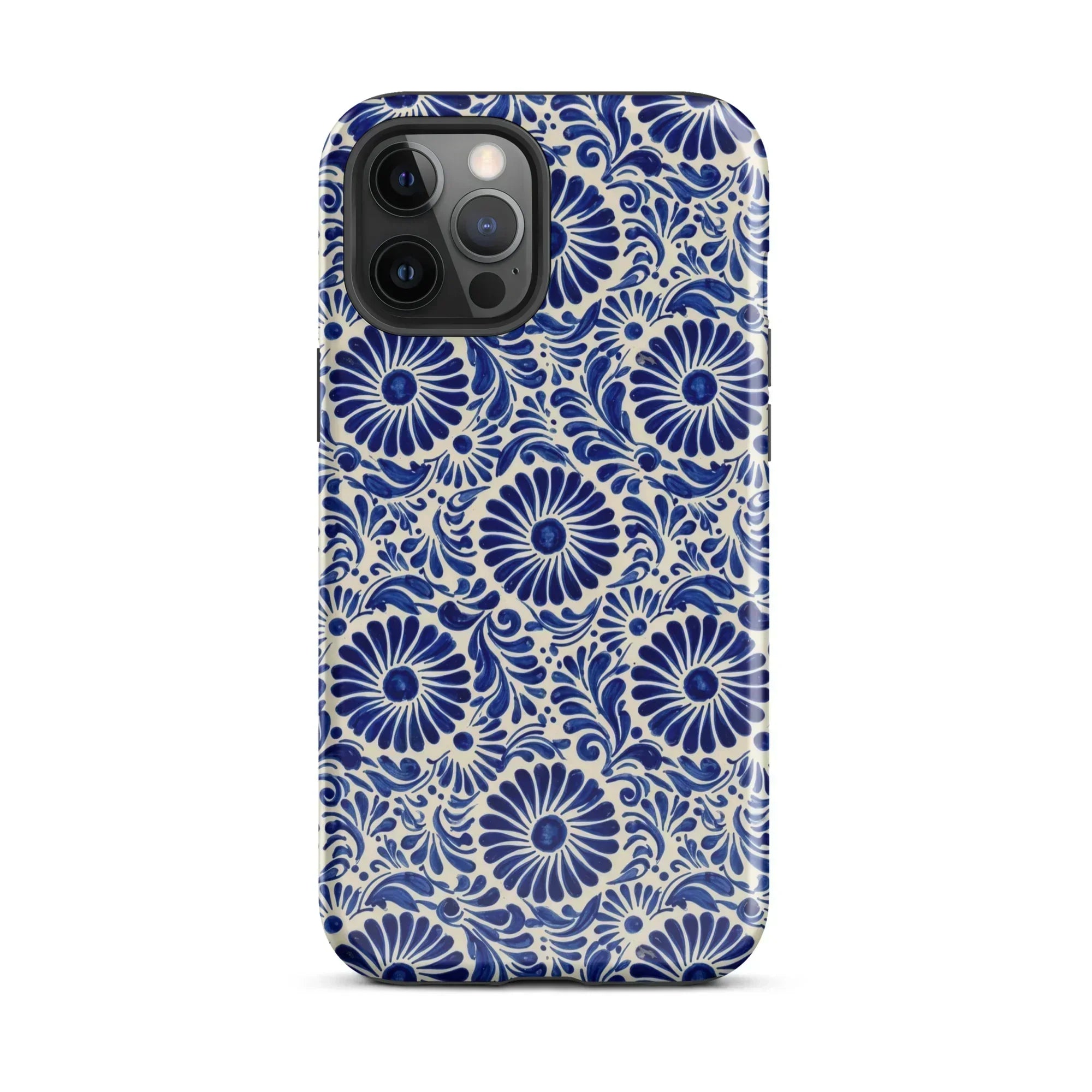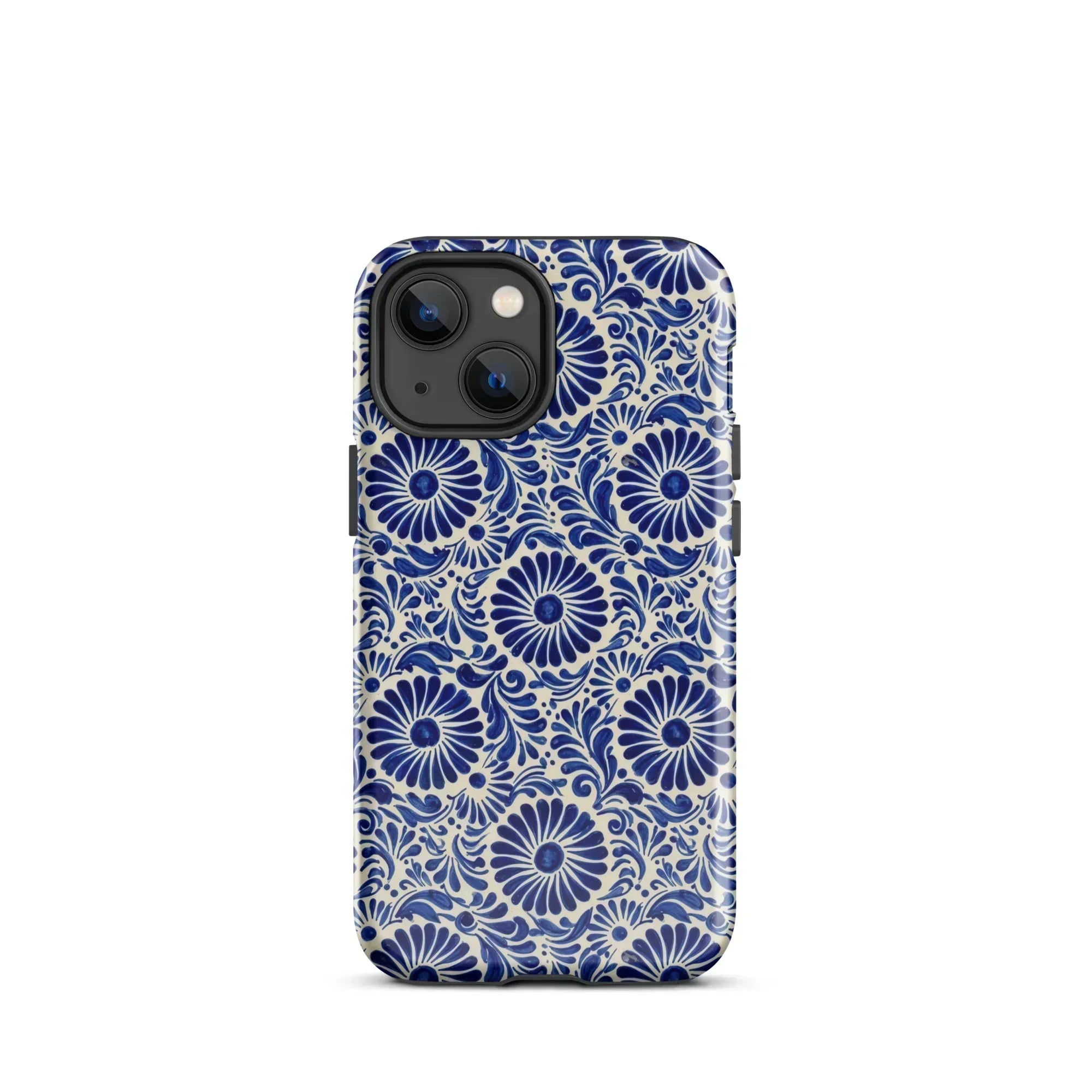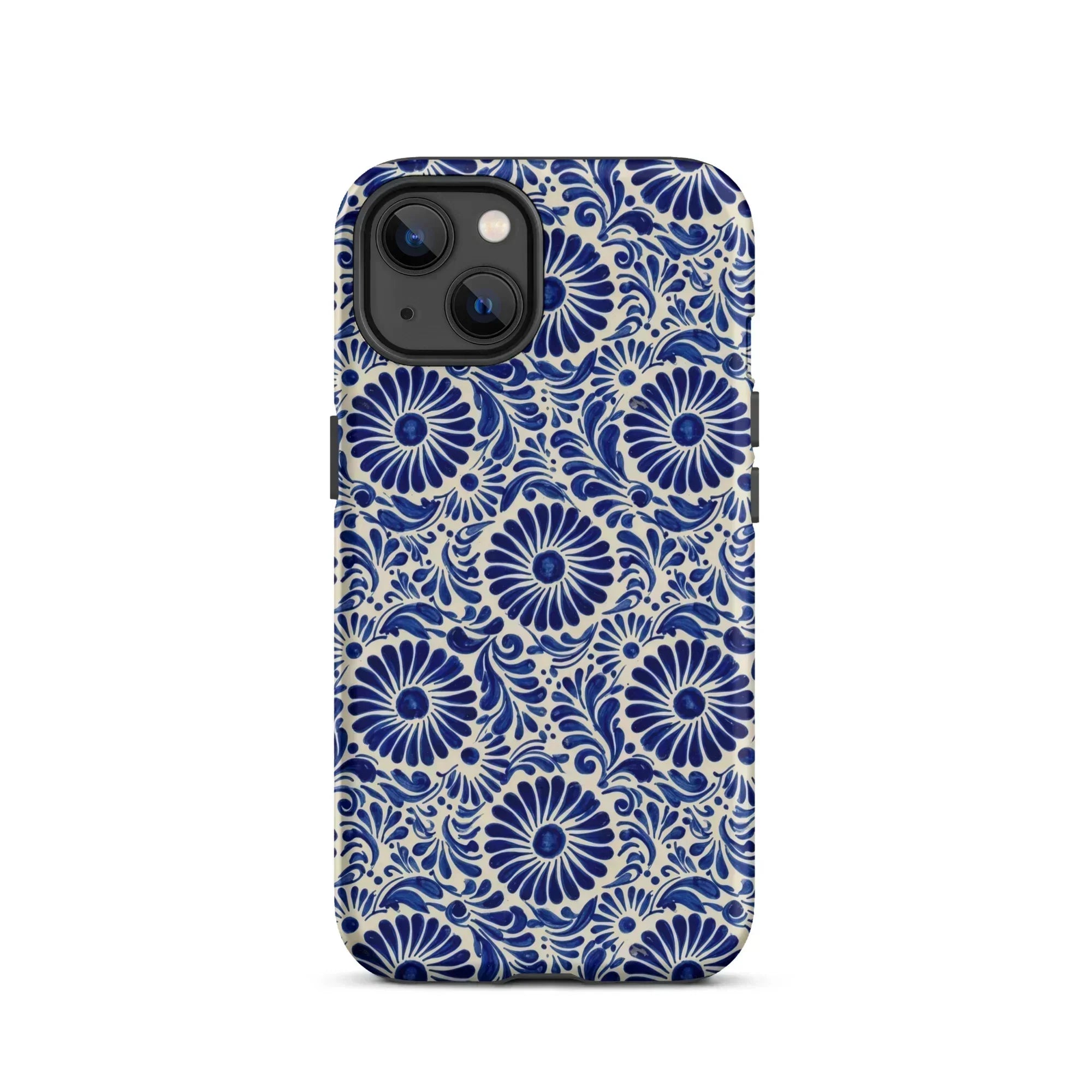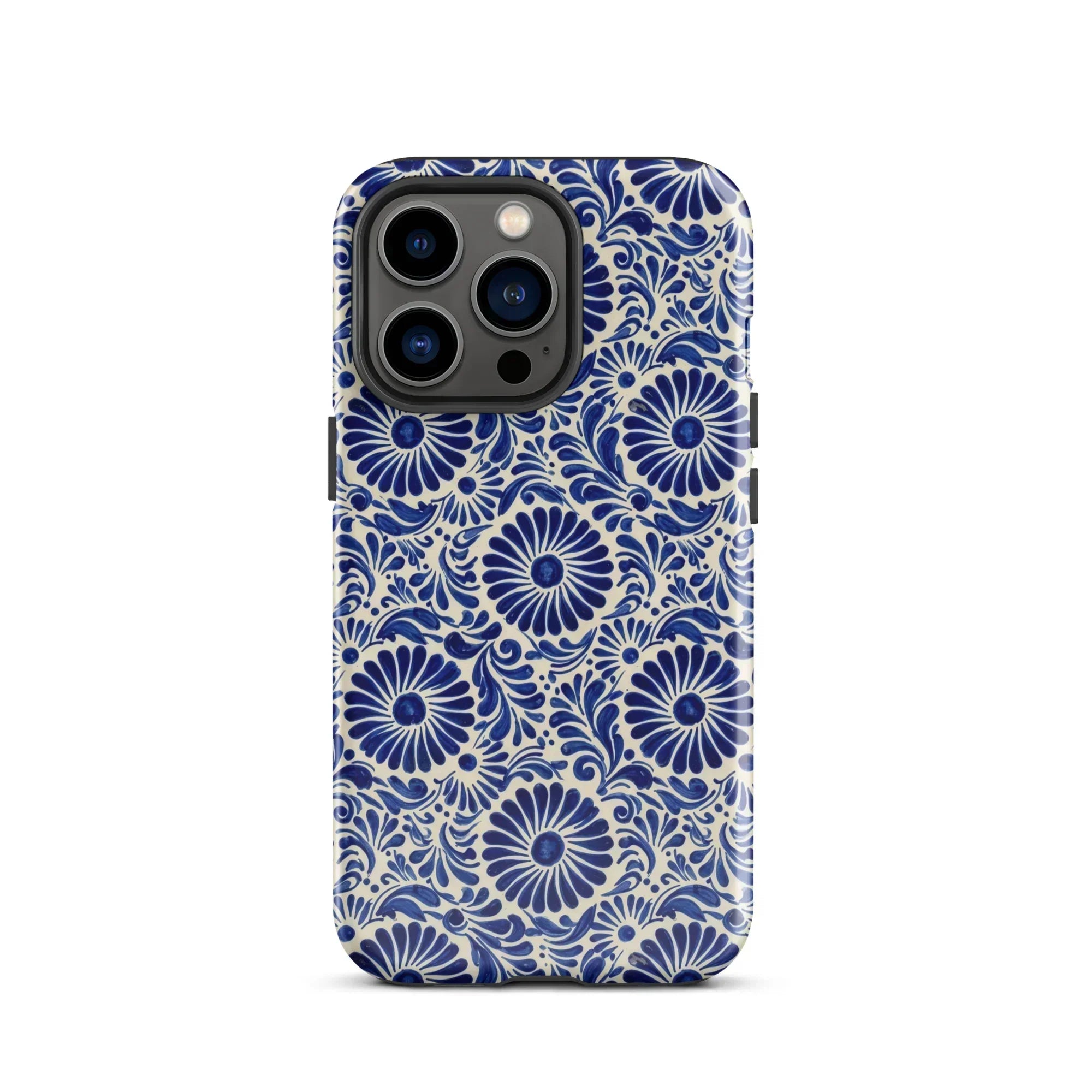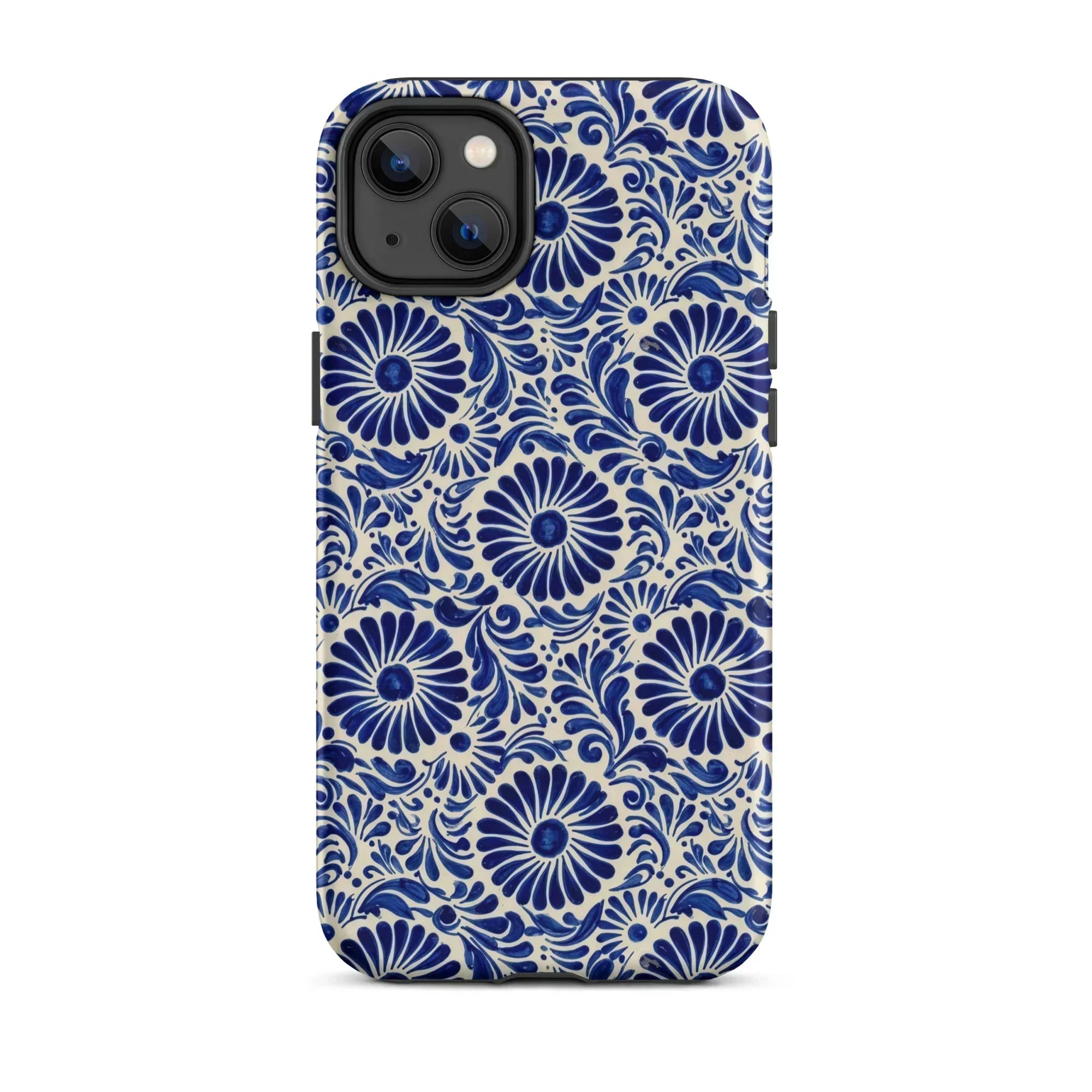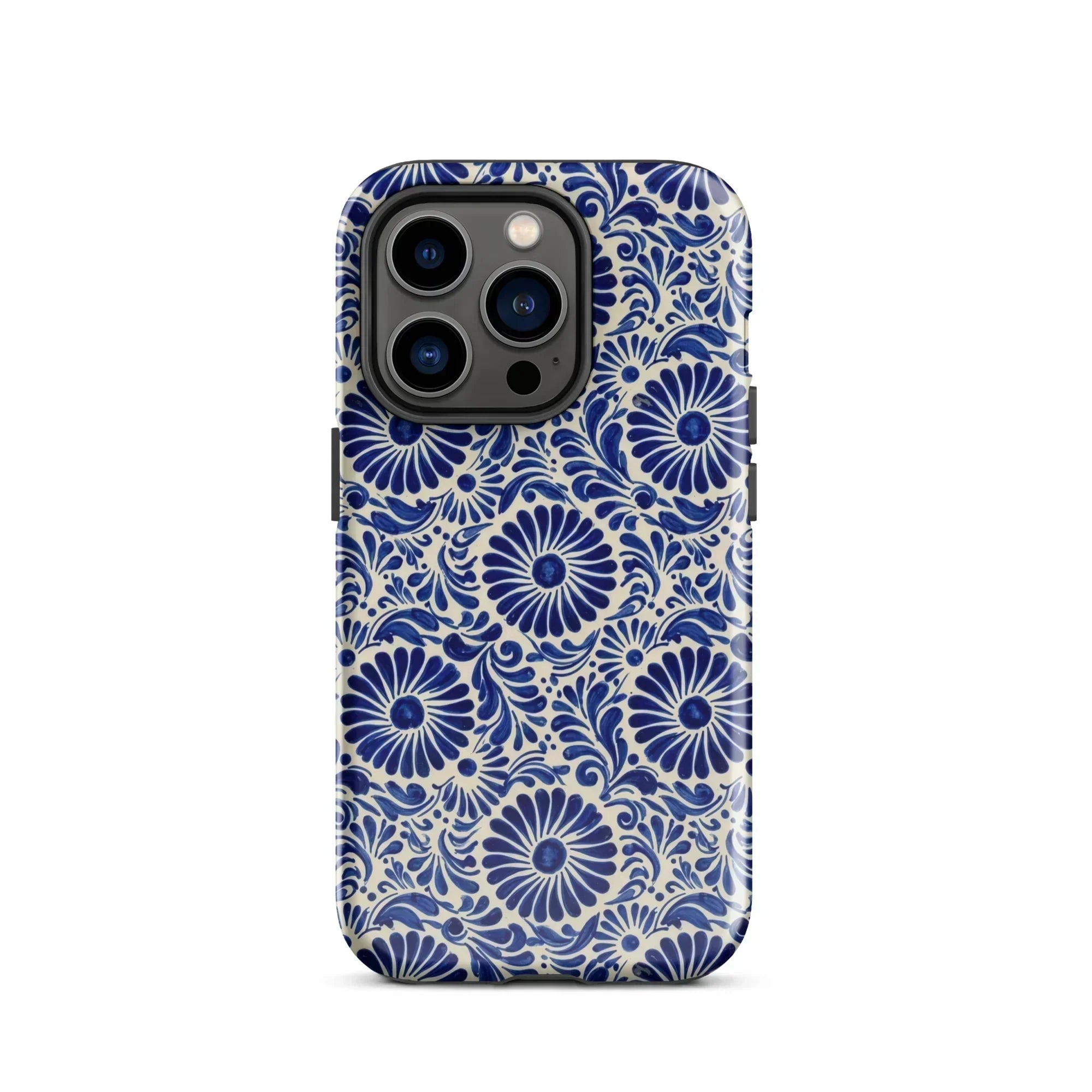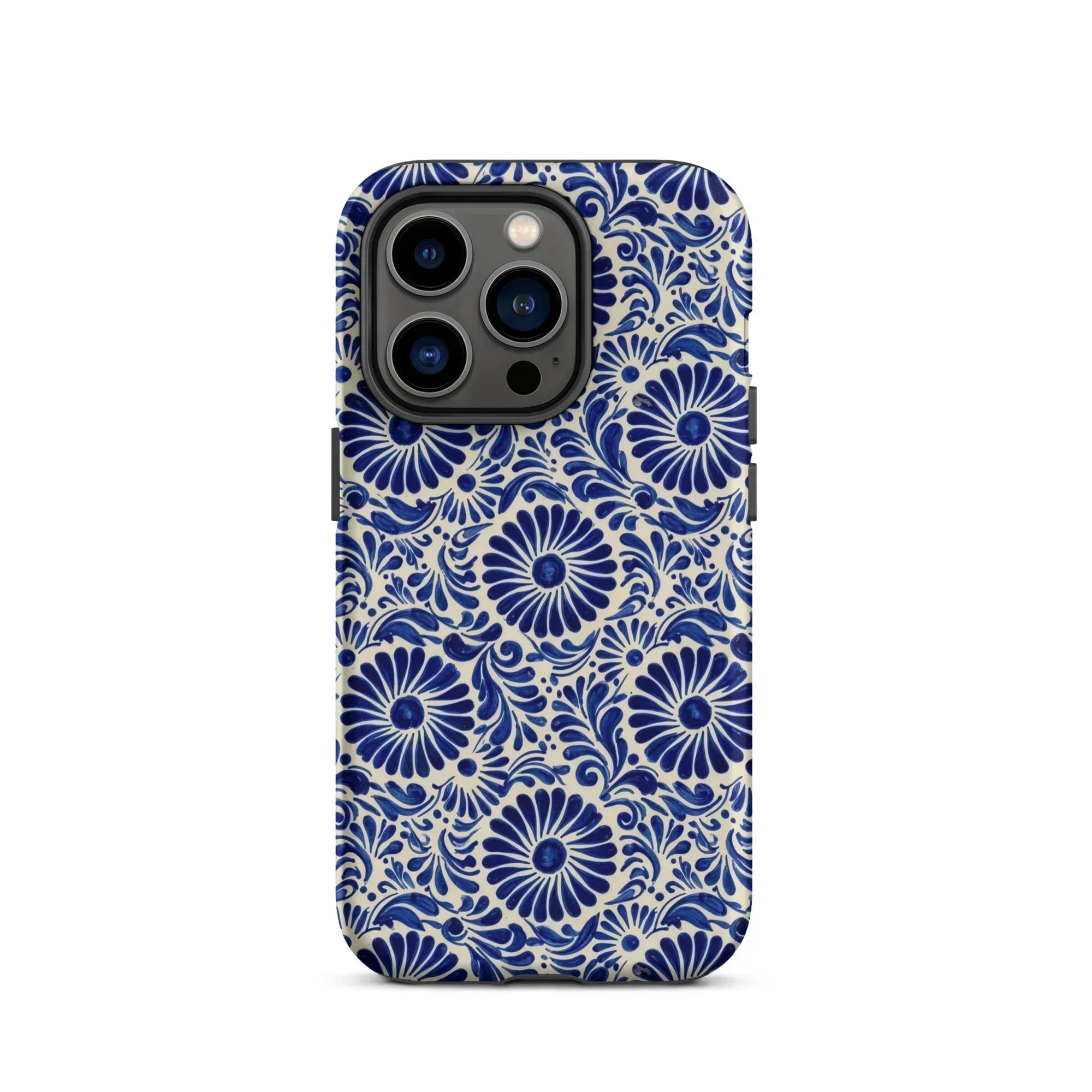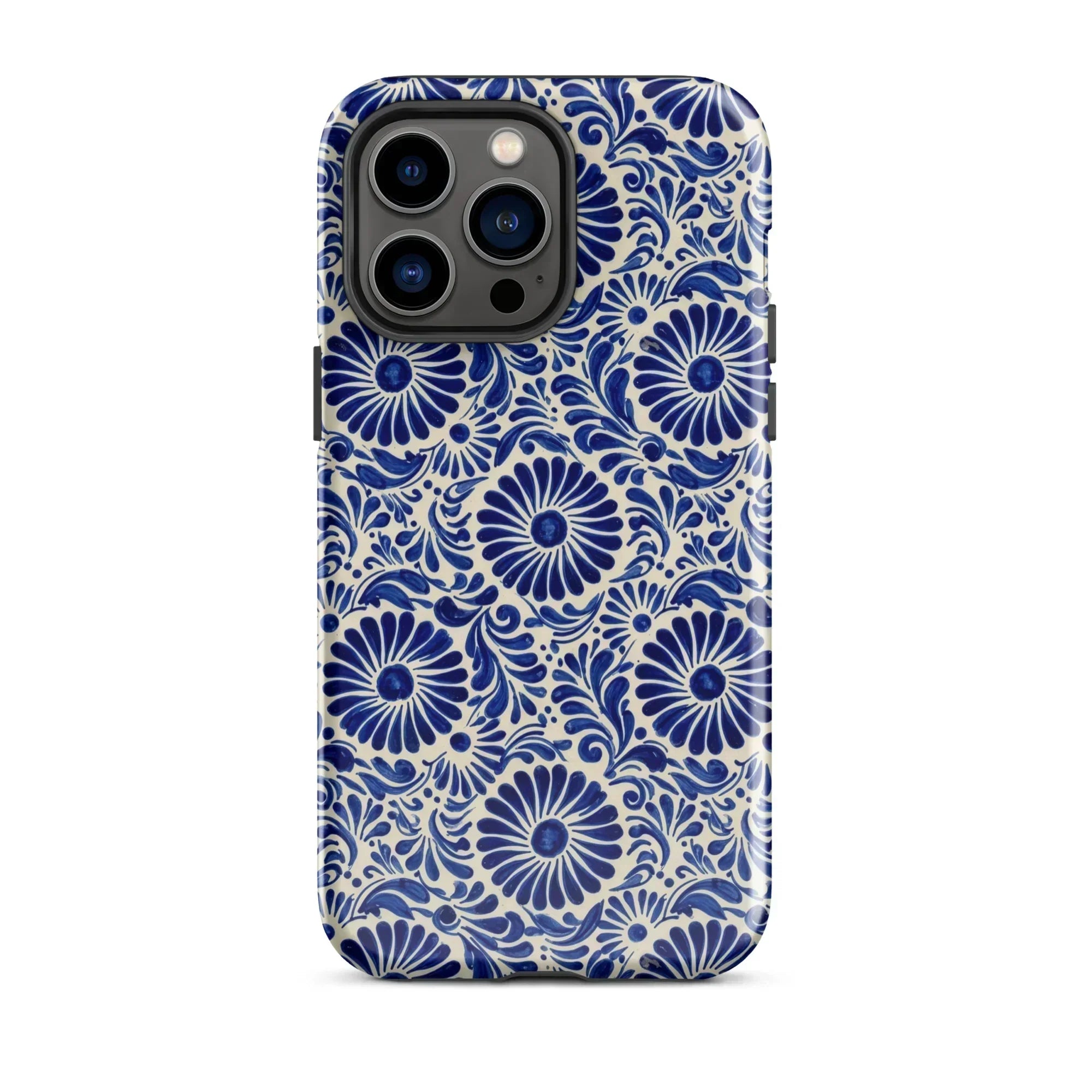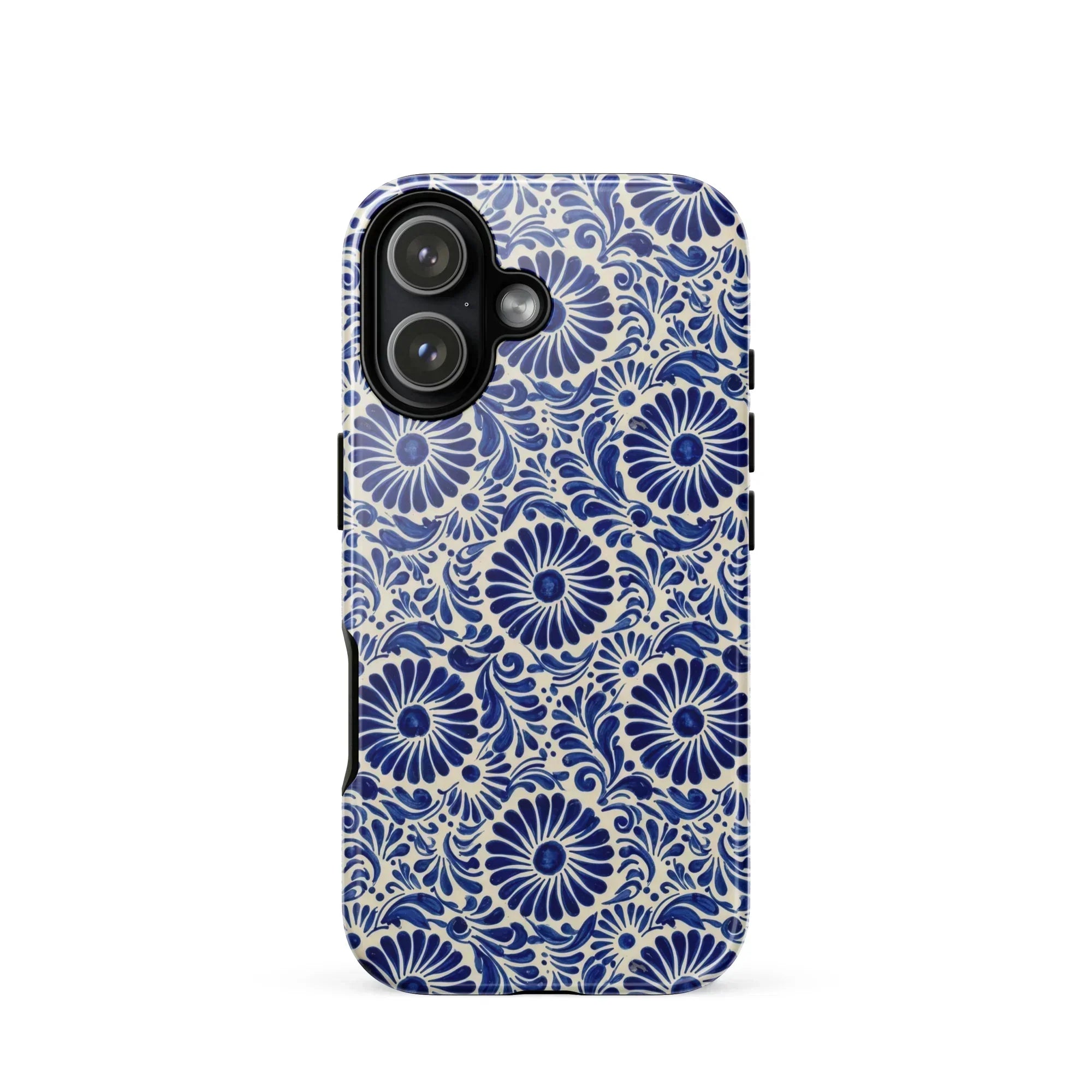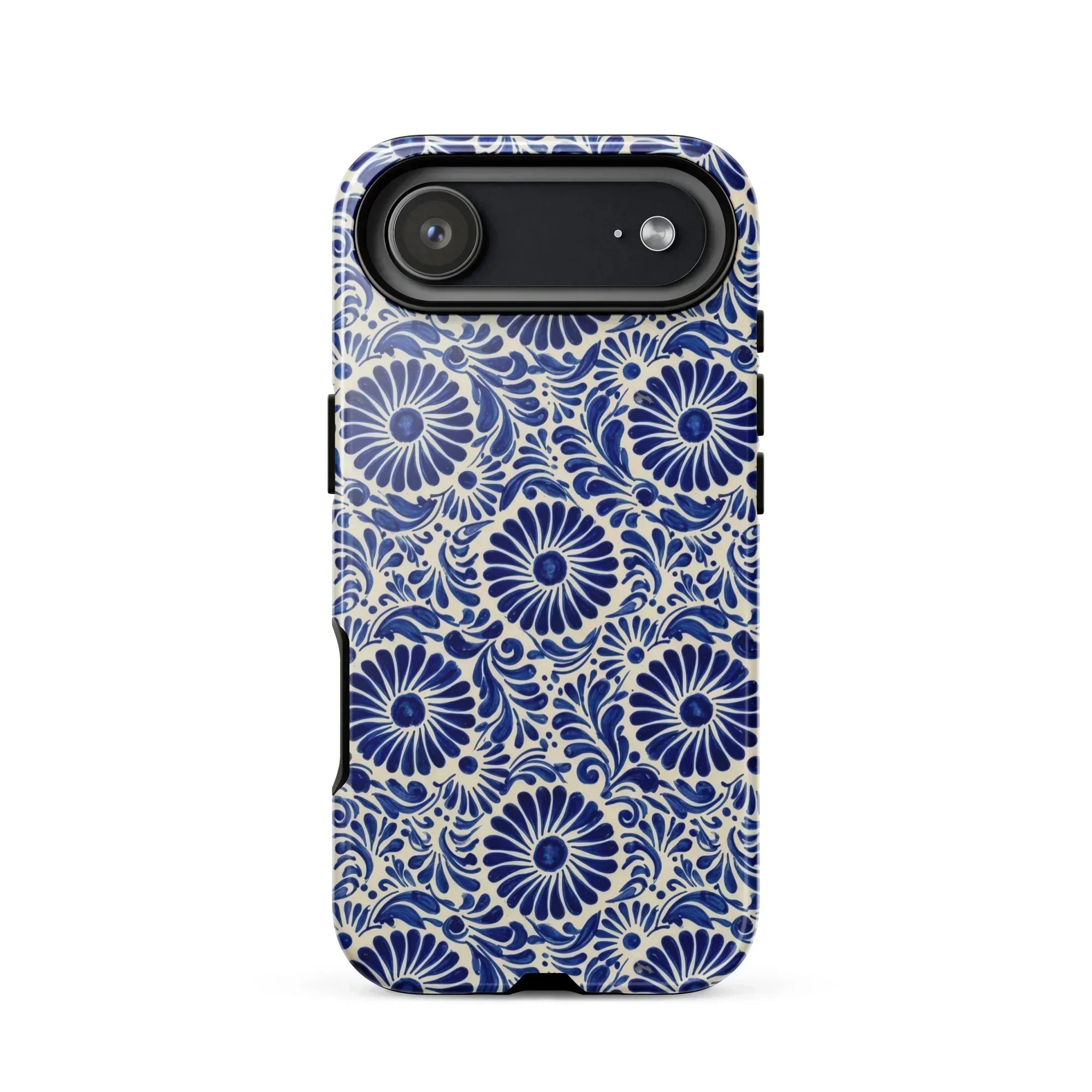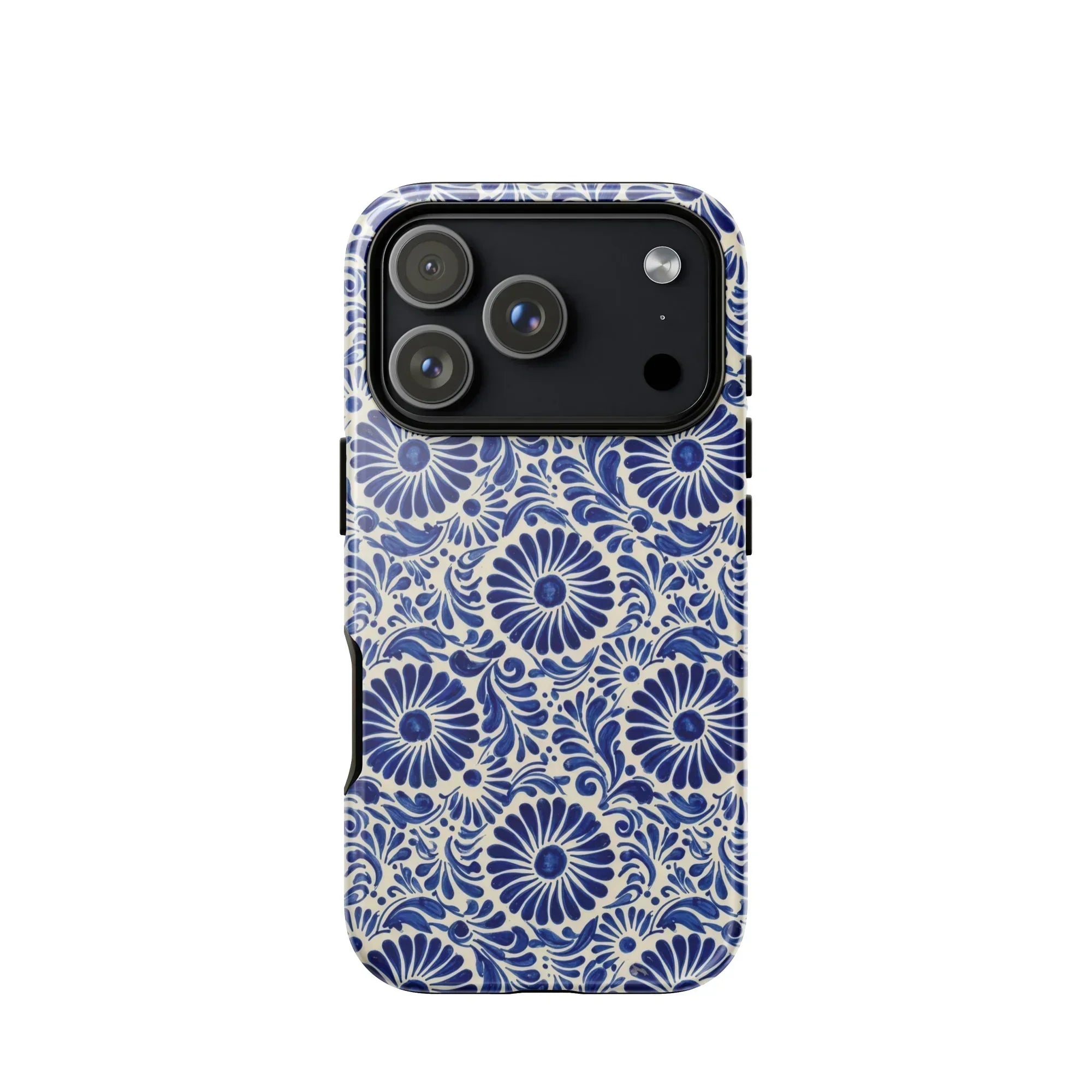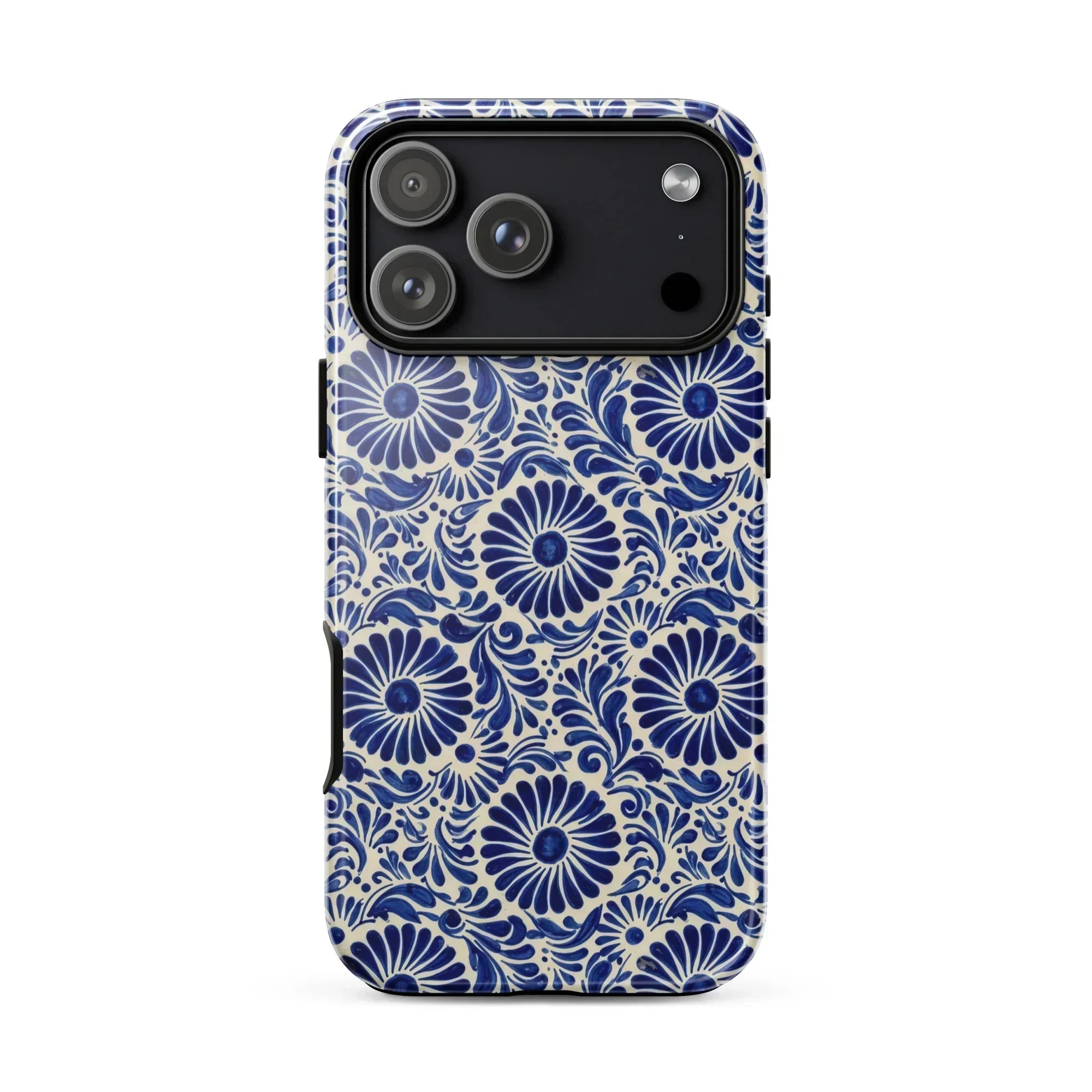


If you’ve ever wondered what is Talavera tile, you’re about to discover one of the most iconic creations in Mexican art and design. Known simply as Talavera, this vibrant hand-painted pottery has decorated Mexican homes and architecture for centuries, and it continues to inspire artists and designers worldwide. With its bold colors, intricate patterns, and Old World craftsmanship, Talavera represents timeless artistry and cultural storytelling at its best. Below, we explore the origins, techniques, and enduring appeal of Talavera tile.

1. What is Talavera Tile?
Talavera is a style of tin-glazed pottery from Mexico, celebrated for its opaque white glaze and colorful, enamel-painted designs. Authentic Talavera (also called Talavera pottery) is made in Puebla and a few nearby communities using 16th-century methods. In 2019, the tradition of Talavera craftsmanship in Mexico (and its counterpart in Spain) was recognized by UNESCO as an Intangible Cultural Heritage of Humanity. This prestigious honor highlights that Talavera is more than just pottery – it’s a cultural legacy treasured for its artistry and history. Each piece of Talavera tile or pottery is a unique work of Mexican art, reflecting a blend of cultural influences and generations of skill passed down among artisans.

Talavera dishes in Puebla, Mexico
2. Where Did Talavera Come From?
Talavera’s story begins across the ocean in Spain. The craft traces its roots to the city of Talavera de la Reina, which was a major pottery center in the 16th century. Spanish artisans there combined Islamic Moorish pottery techniques with new ideas from Europe. They adopted tin-glazing (introduced by Moorish potters) to create a white ceramic surface, then added painting styles from Italy, the Low Countries, and Spain itself. This fusion produced a distinctive majolica ware that became popular in Spain and its colonies. Spanish settlers brought the technique to Mexico in the early colonial period. By the 1530s, the newly founded city of Puebla was inviting skilled potters from Spain to teach local craftsmen. Puebla’s rich natural clays and growing demand for decorated tiles (especially for churches) made it the perfect place for Talavera to flourish. In short, Talavera may have Spanish and Moorish origins, but Mexico is where this pottery truly took root and evolved into its own unique tradition.

3. Why Puebla Became Talavera’s Heartland
Puebla became the heart of Talavera pottery for both cultural and natural reasons. One of the most important factors was the availability of high-quality local clay, found in and around the region. This clay proved ideal for shaping durable ceramics and absorbing glaze evenly, which helped Talavera develop its distinctive look and longevity. Using local materials also rooted the craft deeply in place, tying Talavera tile directly to Puebla’s landscape and identity.

Talavera Ornaments in Taller Armando
By the 17th century, Puebla had become the leading center for Talavera production in New Spain. Workshops flourished, supported by strong guild systems that enforced quality standards. Talavera tiles began covering churches, monasteries, and homes, turning the city itself into a showcase of Mexican art. Even today, authentic Talavera pottery can only be produced in Puebla and a few nearby towns, reinforcing the importance of both tradition and local resources.
4. How Is Talavera Pottery Made?
Making Talavera is an elaborate, all-handmade process that has changed little since the 1500s. Each piece passes through many skilled hands and can take weeks or even months to complete. Here’s a quick look at how authentic Talavera pottery is created:
-
Clay Preparation: Artisans start with local volcanic clay from Puebla’s region, prized for its fine quality. The clay is cleaned, mixed, and aged. Traditionally, potters even stomp the clay by foot to reach the right consistency – a literal full-body workout!
-
Forming: The piece is shaped by hand or on a potter’s wheel. Common forms include tiles, plates, vases, and jars. Nothing is mass-produced or molded; every shape shows the touch of the craftsman.
-
First Firing: Once shaped, the item is air-dried and then fired in a kiln at around 2,000°F to harden it. After this bisque firing, the pottery turns a reddish color and is ready for glazing.
-
Glazing & Painting: A bath in a special tin-enriched glaze gives the piece its signature white, opaque surface. While the glaze is still porous, artists hand-paint designs using mineral pigments. This stage is the most creative – artisans freehand everything from floral motifs to geometric patterns. Each color in the talavera design is applied carefully, often with natural hair brushes. (Fun fact: Traditionally only six mineral colors are used – more on that below!)
-
Final Firing: After painting, the pottery is fired again at high temperature. The glaze melts into a glassy coat that seals in the colors and gives Talavera its lustrous finish. If the piece meets the strict quality standards (no cracks, proper glaze, accurate design), it is stamped with the workshop’s mark and a registration number as a sign of authenticity.

This meticulous process means true Talavera cannot be rushed. Depending on the intricacy of the design, a single piece of Talavera pottery can take three to six months to complete. The result, however, is a durable piece of art – one that merges functionality with the beauty of human touch in every brushstroke.
5. What Colors and Patterns Define Talavera Design?
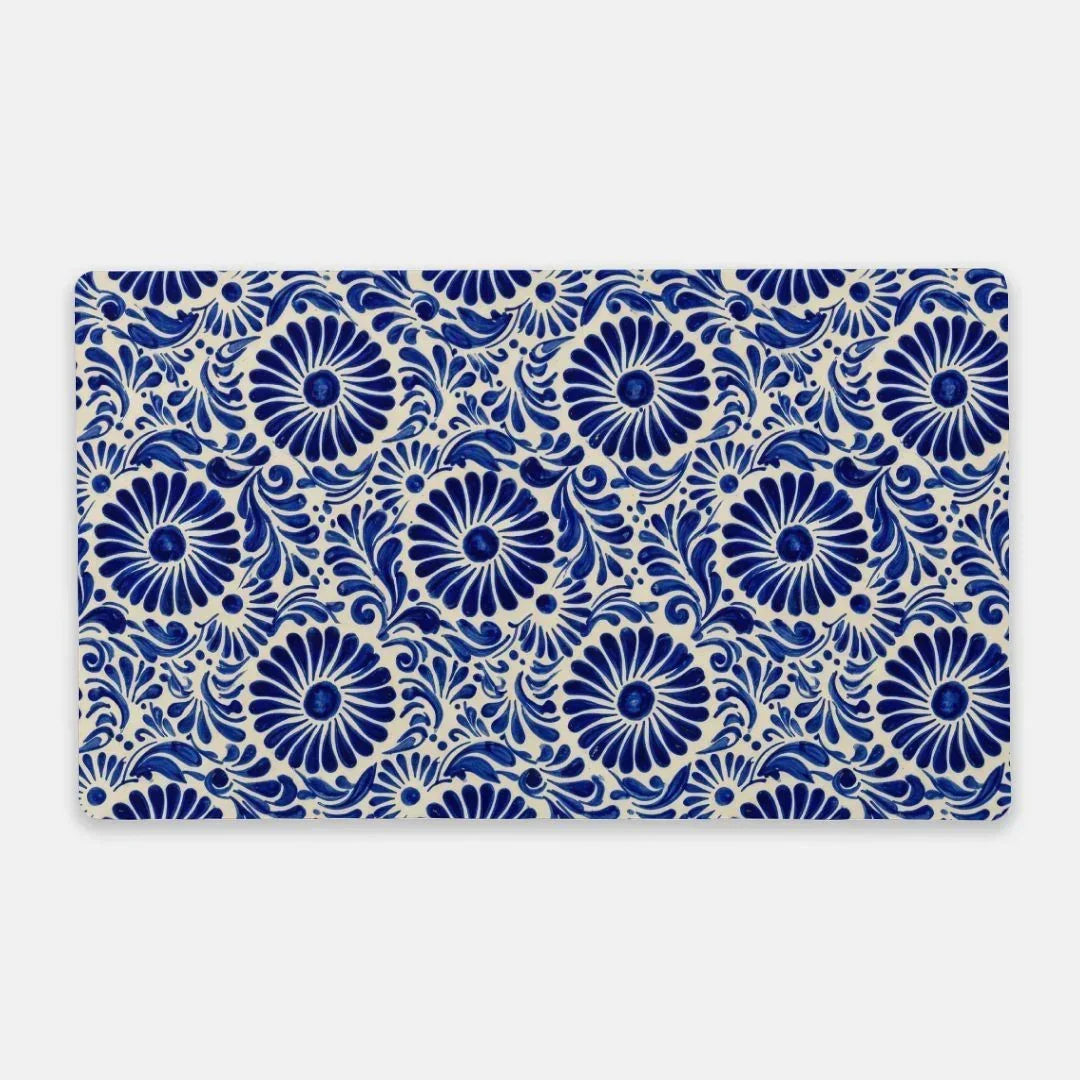
One glance at Talavera and you’ll notice its distinctive palette. Early Talavera design was heavily influenced by Chinese porcelain, favoring a rich cobalt blue on a white background. In fact, 17th-century Puebla potters were inspired by the blue-and-white Chinese pottery that arrived via Spanish galleons, mirroring those elegant motifs in their own work. Over time, artisans expanded the color range. Traditional Talavera pottery uses a limited set of natural pigments: cobalt blue, yellow, orange, green, mauve (purple), and black, all derived from minerals. These were the only colors officially allowed by colonial-era guild rules, and they remain the hallmark hues of Talavera.

In terms of patterns, Talavera is a blend of Old World and New World aesthetics. You’ll see symmetric geometric designs and arabesques recalling Spanish-Moorish tiles, alongside whimsical floral patterns, vines, and lace-like details. Many tiles feature a floral medallion or Mexican folk motifs (like birds, rabbits, or stylized suns) in their centers, framed by ornate borders. Plates and bowls often have radiating petal or feather-like designs. Each workshop has its own signature elements, but overall the look is vibrant and balanced – bold color areas outlined by darker lines, with the white tin glaze providing contrast. Modern artisans sometimes experiment with new themes, but authentic Talavera still adheres to that classic style: a dance of six basic colors, telling stories through intricate brushwork.

Interestingly, as tastes evolved in the 18th and 19th centuries, Talavera artists began introducing more elaborate scenes and a wider palette. By the mid-1800s, some potters (inspired by European and Chinese ceramics) started painting entire rural or historical scenes on large platters and tiles, and experimented with polychrome designs. This meant adding colors like red or pink, or layering multiple hues. They also incorporated Baroque and Victorian influences, like cherubs or wreaths, into the patterns. However, the classic blue-and-white Talavera never went out of style – it remains the most iconic look and is still beloved for its crisp, timeless charm.

6. What Types of Talavera Pieces Exist?
When people hear “Talavera,” they often think of the beautiful Talavera tiles that adorn walls and fountains. Indeed, glazed tiles are a key part of Talavera’s legacy – but Talavera is far more than tile. Its techniques have been used to create a whole array of utilitarian and decorative objects:
-
Tableware: Plates, bowls, serving platters, cups, and kitchen canisters are popular Talavera items. Historically, no well-to-do Puebla kitchen was complete without Talavera dishes and spice jars. The durable glazed finish makes them functional for daily use, while the artwork makes each meal feel festive.
-
Vases and Jars: From small flower vases to big urns, Talavera vessels are classic collectibles. Apothecary-style jars (albarelos) and ginger jars were common products, often with floral designs or religious symbols. They make striking decor pieces.
-
Home Decor: Talavera flowerpots brighten up gardens and patios with their bold patterns. You’ll also find Talavera candle holders, picture frames, lamp bases, and even mirror frames. Another unique item is Talavera sinks – yes, bathroom sinks hand-painted in Talavera motifs, adding a splash of Mexican folk art to a washroom.
-
Figurines and Ornaments: Some workshops produce charming Talavera figurines – animals, Nativity scenes, little musicians – as well as Christmas ornaments or decorative tiles bearing family crests or names. These showcase the playful side of Talavera artistry.

And, of course, architectural tiles remain a huge part of Talavera’s appeal. In Puebla, craftsmen still produce glazed tiles to restore colonial-era buildings or to adorn new constructions in traditional style. Talavera tiles (locally called azulejos) decorate fountains, garden walls, church domes, and facades across central Mexico. In fact, having a house covered in Talavera was once a status symbol. One of the most famous examples is Mexico City’s Casa de los Azulejos (“House of Tiles”), an 18th-century palace whose exterior is completely clad in blue-and-white Talavera tiles. This landmark building, shimmering with ceramic tiles on every wall, shows just how prestigious Talavera was in colonial times – and how it literally became part of the architectural fabric of New Spain’s cities.

Casa de los Azulejos, Mexico City
Whether in a humble kitchen pot or a grand tiled dome, Talavera pottery brings art into everyday life. Each type of piece, large or small, is a canvas for the artisans’ brush, preserving a little piece of Mexican culture in clay and glaze.
7. What Makes Authentic Talavera Unique?
Not all painted Mexican ceramics are genuine Talavera. Over the years, inexpensive imitations have popped up, but true Talavera follows strict traditions and quality standards. First, authentic Talavera can only be made in specific regions – the Talavera pottery of Mexico is legally protected by a Denominación de Origen (Designation of Origin) similar to how Champagne in France or Tequila in Jalisco are protected. Only pieces created in the state of Puebla (in the cities of Puebla, Atlixco, Cholula, Tecali) or in the nearby town of San Pablo del Monte, Tlaxcala, can legally be called “Talavera”. This is because of the unique clay and centuries of tradition in those communities. Ceramics made elsewhere in Mexico, even if they resemble Talavera, are usually termed majolica instead.

Authentic Talavera is also distinguished by its manufacturing process. Workshops that produce official Talavera must be certified by the Consejo Regulador de la Talavera (Talavera Regulatory Council), a body established in 1998 to uphold the 16th-century methods. There are only a handful of such certified workshops – fewer than a dozen, in fact – which makes genuine Talavera pottery quite exclusive. These workshops must pass regular inspections and lab tests to ensure they use the correct clay (a mix of two specific clays), the correct glaze ingredients (including tin and lead oxides in traditional proportions), and the traditional firing and painting techniques. Every certified piece is usually signed by the artist or workshop and marked with a special hologram or code indicating its authenticity.

What does this mean for a casual buyer? Essentially, Talavera pottery is like fine wine – look for the “appellation” if you want the real deal. The high bar for authenticity is actually a point of pride: it preserves the craft and supports the artisans in Puebla who carry on this heritage. It also means true Talavera pieces are investment artworks – they tend to be pricier and of heirloom quality, often taking months to produce as we described. So if you see a “Talavera-style” trinket that’s very cheap, it’s likely not from a certified source. That said, many beautiful ceramics are made in Talavera’s style around Mexico and can be enjoyed for their own merits, but only Puebla’s own can claim the authentic label. In short, authentic Talavera is special because it’s geographically rooted, painstakingly crafted, and safeguarded by both law and tradition – a genuine article of cultural patrimony.
8. Who and What Influenced Talavera Over Time?
Talavera did not develop in isolation – it’s a true cultural blend, influenced by peoples and artistic movements spanning many countries. Here are a few key influences that shaped Talavera’s evolution:
-
Moorish Spain: Talavera’s core technique of tin-glazing earthenware came from the Islamic artisans in Spain. The Moors introduced lustreware pottery and geometric tile designs to Spanish cities. This legacy is why Talavera’s glaze is white (like Moorish ceramic) and why some patterns echo Islamic art (floral arabesques, symmetric repeats). Essentially, Spain’s Islamic heritage laid the groundwork for what would become Talavera.

-
Chinese Porcelain: The blue-and-white craze of Talavera was directly sparked by Chinese Ming Dynasty porcelain. Puebla was on the trade route from the Manila Galleons, which brought Chinese goods to New Spain. A vast quantity of Chinese export porcelain stayed in Mexico, serving as models for Puebla’s potters. The Chinese influence reinforced the use of cobalt blue and delicate floral motifs in Talavera. One can see the homage – many Talavera plates from the 1700s have border designs similar to Chinese ceramics, and even pseudo-Chinese characters or landscapes painted in cobalt oxide!

-
Italian & European Styles: Talavera also absorbed influences from Europe’s ceramic traditions. Spanish potters in Talavera de la Reina had learned from Italian maiolica (which favored Renaissance motifs, cherubs, and a wider color palette). Later, in Mexico, as Baroque art flourished, Talavera designs incorporated Baroque scrolls, angels, and a taste for richer colors. By the 19th century, Victorian-era trends introduced more pictorial scenes in Talavera (like pastoral scenes or historic events painted on large platters). European demand also meant Talavera workshops tried new shapes (like coffee sets or more elaborate vases). These influences expanded Talavera’s artistic vocabulary beyond its early limits.

Despite these varied influences, Talavera pottery maintained its own identity. Artisans combined the best of each source into a harmonious style – Islamic technique, Chinese palette, Italian flair, and indigenous Mexican creativity. In fact, Puebla’s Talavera is sometimes described as Baroque folk art, since it emerged during the Baroque period and often adorned Baroque architecture, yet it was made by local craftsmen blending colonial and native sensibilities. The result is a true fusion art form. It’s fascinating to imagine an 18th-century Puebla workshop where an artisan might be looking at a Chinese vase for inspiration one day, an Italian plate the next, all while adding their personal Puebla touch. This melting pot of influences is what gives Talavera its rich character and why it’s studied by art historians as a cross-cultural craft.
9. Is Talavera Still Popular Today?
Absolutely – Talavera pottery is not only popular, it’s revered as a cultural treasure in Mexico and appreciated by collectors worldwide. In Puebla today, you can visit numerous workshops where artisans still handcraft Talavera using the old methods. The craft experienced a revival in the 20th century: artists, historians, and even the Mexican government took steps to preserve Talavera when it was at risk of dying out. Their efforts paid off. By the late 1900s, Talavera was declared part of Mexico’s cultural heritage, and protective laws were put in place.

Today, Talavera remains a key identity symbol of Puebla and Mexico’s heritage. Stroll through Puebla, and you’ll find entire markets devoted to Talavera wares, from tiny tiles to huge vases. The city even has a Talavera museum and guided tours where you can watch the painstaking process in person. Tourists often pick up a Talavera souvenir to take home a slice of this tradition. Beyond Mexico, designers incorporate Talavera tiles in modern homes – it’s not uncommon to see a trendy restaurant with a Talavera tile backsplash, or homeowners around the world installing Mexican tiles in kitchens and patios for a pop of color.

One reason Talavera endures is because it strikes a chord between utility and art. A Talavera bowl is both a dish and a decorative piece; a wall of Talavera tiles is both an architectural element and a mural. In an era of machine-made products, the hand-painted charm of Talavera stands out. Each piece carries a story and slight variations that make it unique. Moreover, Talavera has the narrative of history behind it – owning a piece feels like holding a bit of 16th-century craftsmanship that has magically time-traveled into the present. Collectors value older Talavera (antiques from the 17th-19th centuries fetch high prices at auctions), while contemporary Talavera also finds its way into art galleries as modern potters play with the form.
International recognition has also grown. The UNESCO inscription in 2019, which jointly honored Talavera pottery of Mexico and Spain, put a global spotlight on the craft. It affirmed that the skills and craftsmanship of Talavera are a human heritage to be preserved. For the artisans of Puebla, this was a proud moment – a validation that their painstaking work is not just making pots, but keeping culture alive.

In summary, Talavera today is beloved both as a historic art and a living craft. Whether you encounter it in a museum case or being sold by a Puebla potter in an open-air market, its appeal is undeniable. The world of design also continually finds new love for Talavera – it’s classic, yet it pops with enough personality to complement modern aesthetics. All signs indicate that Talavera will continue to be made, used, and admired for generations to come.
10. How Can You Enjoy Talavera in Everyday Life?
You don’t have to own a colonial mansion or a formal Talavera collection to appreciate this art form. In fact, Talavera’s joyful designs can easily be woven into modern daily life. Here are a few casual ways to add a touch of Talavera (and thus a touch of Mexico’s heritage) to your world:
-
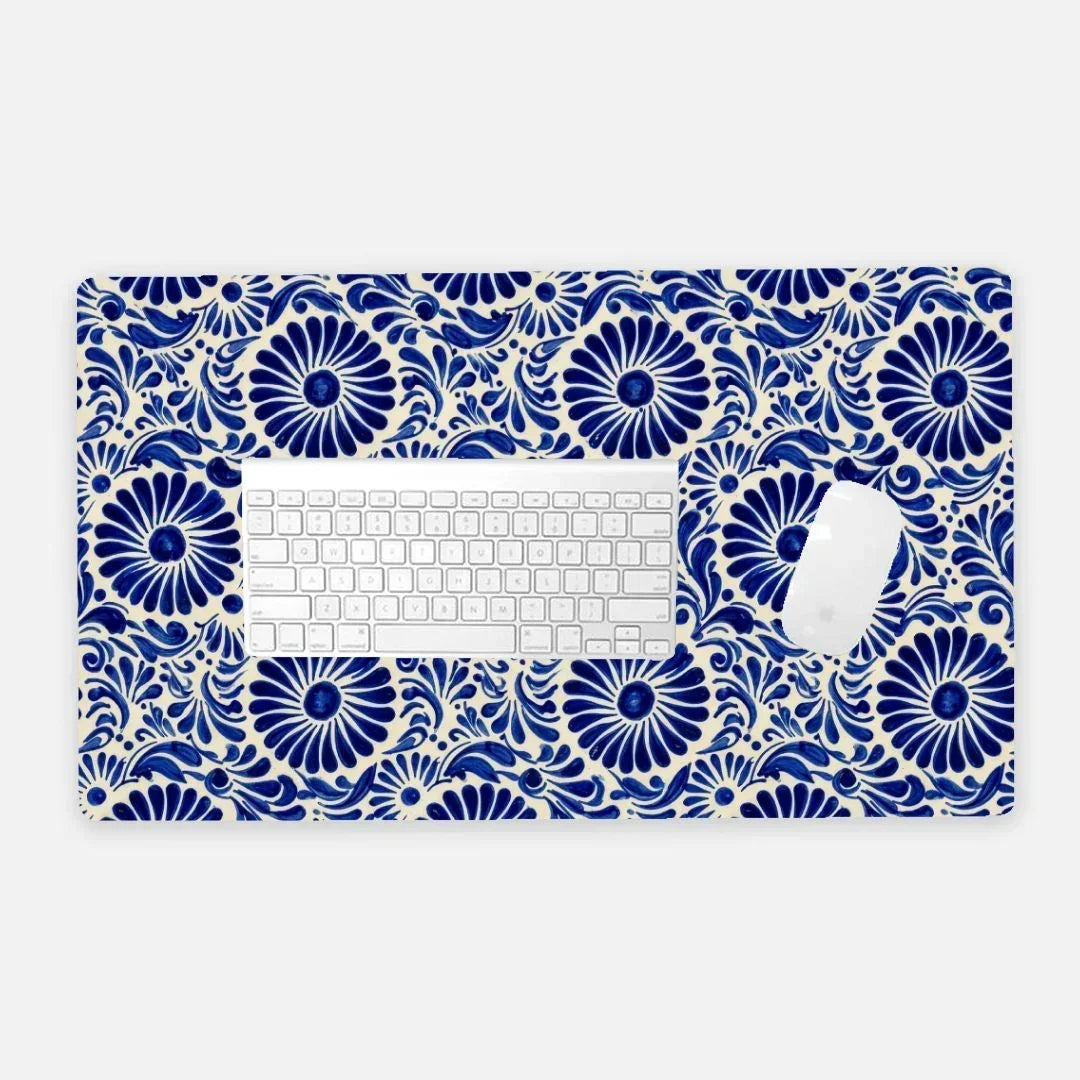
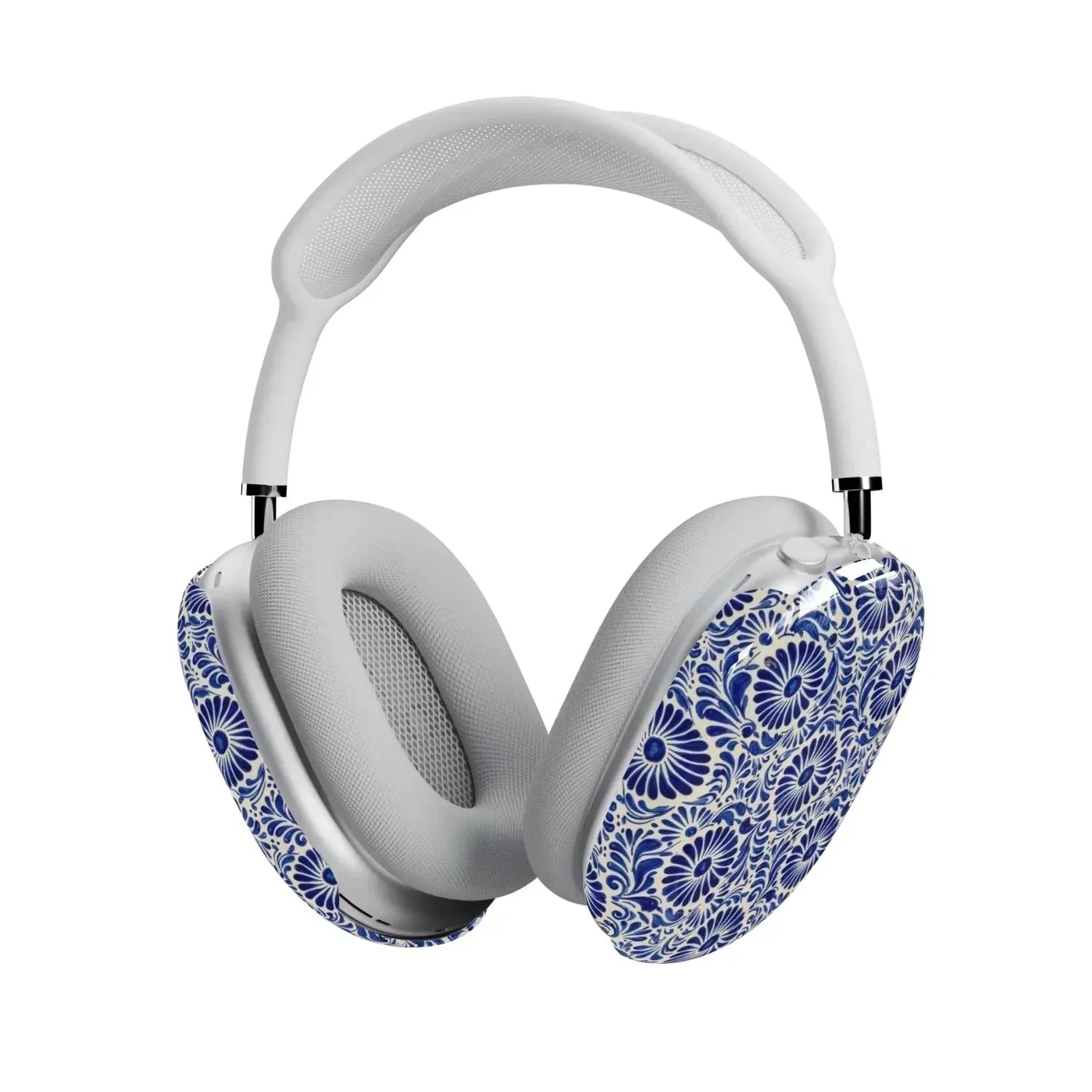
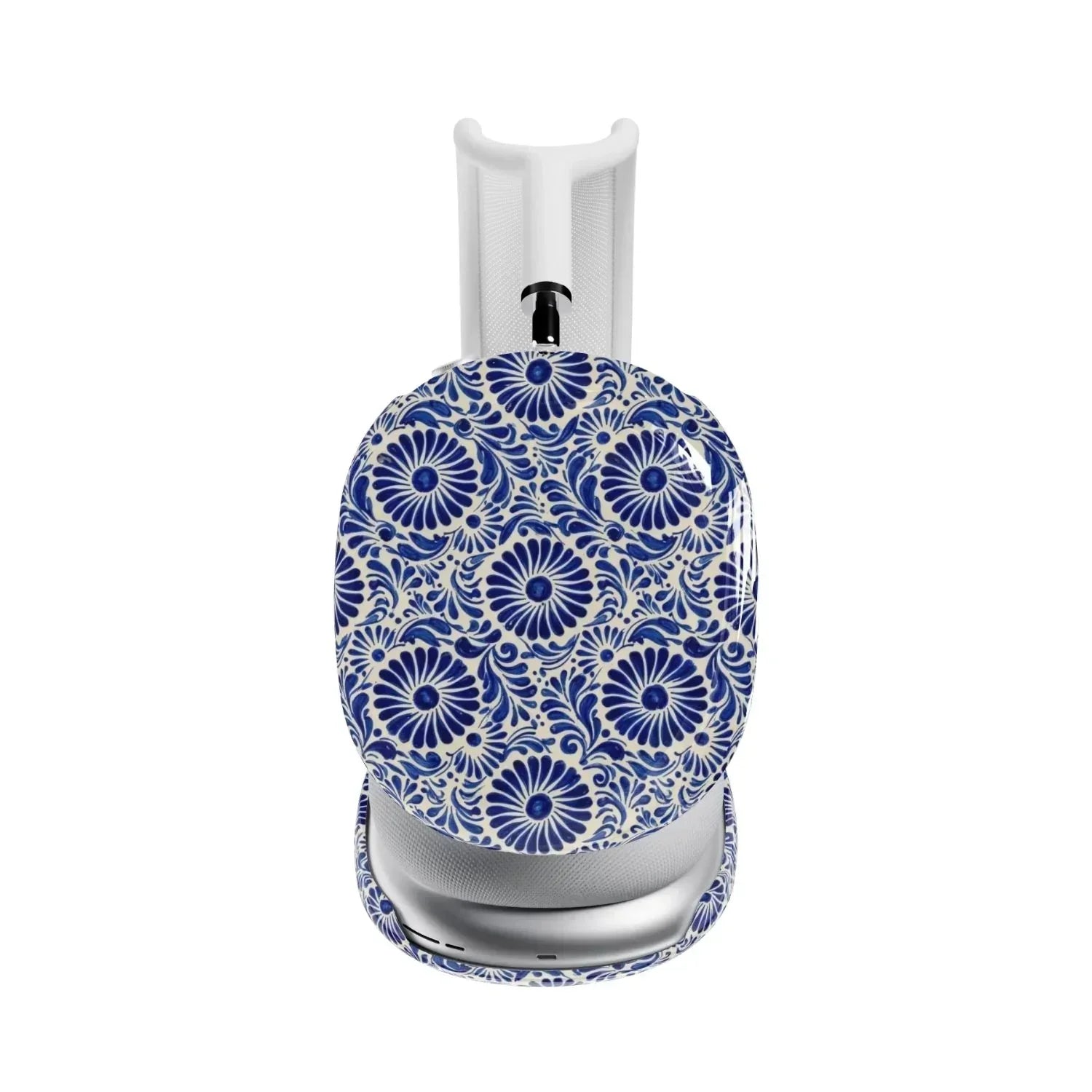
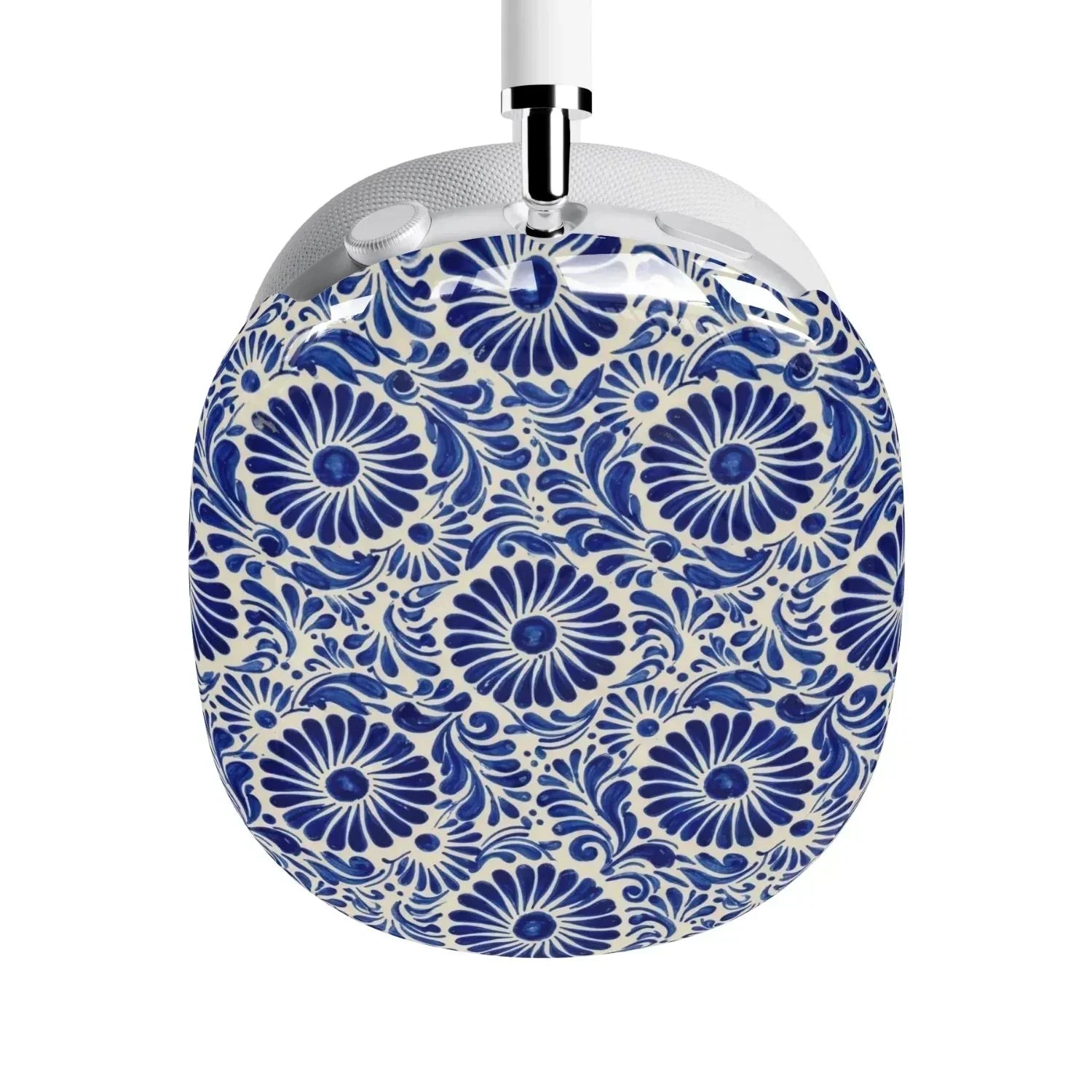
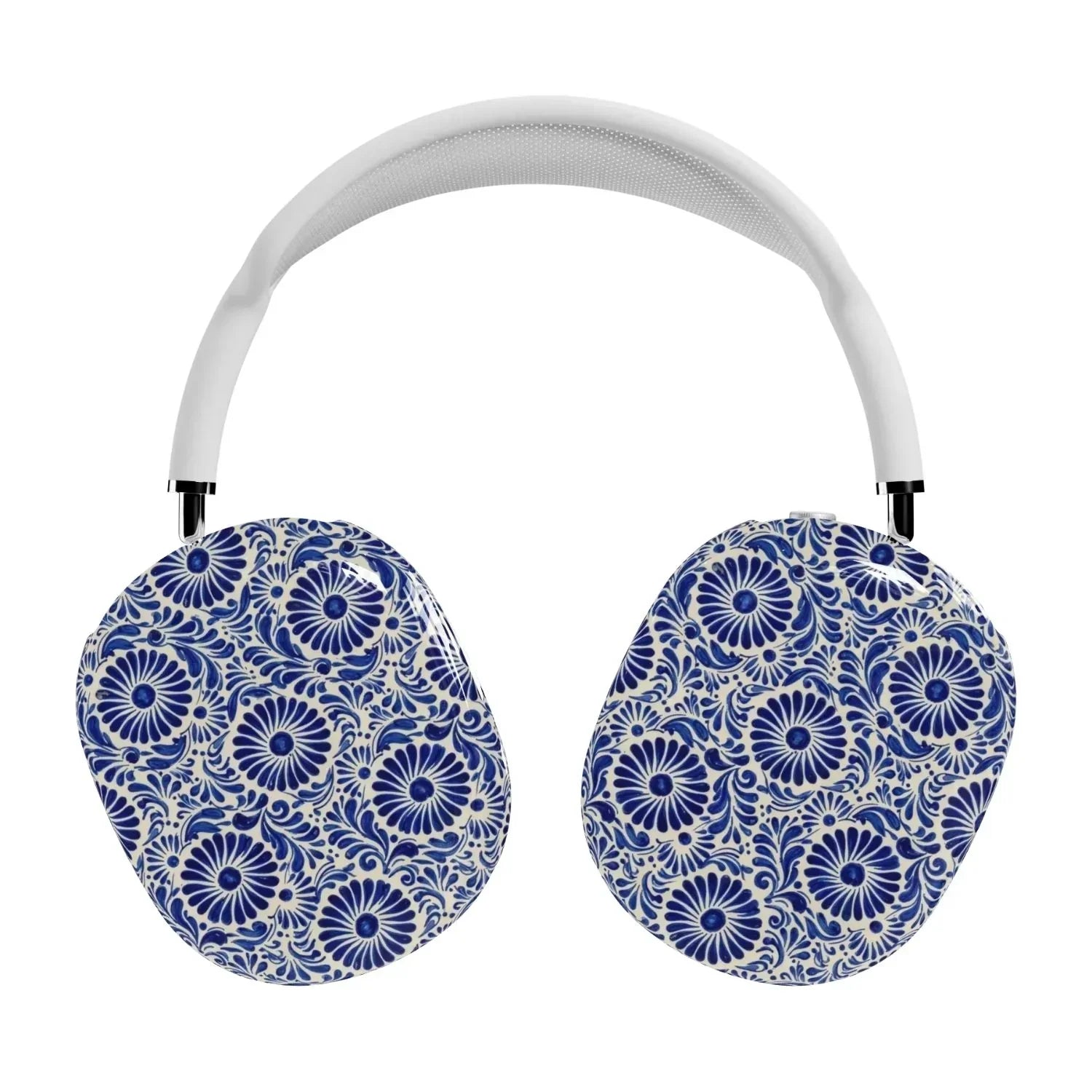
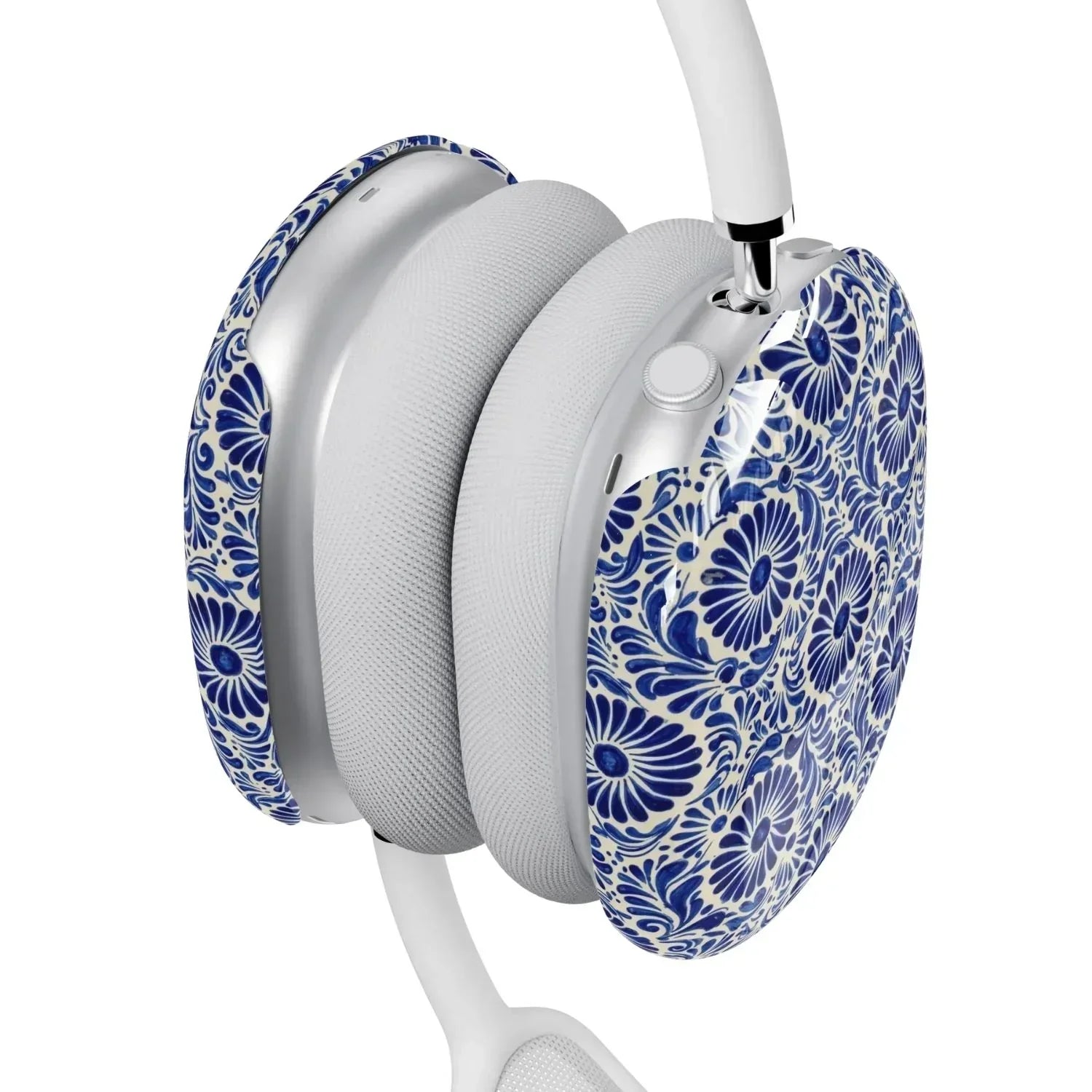
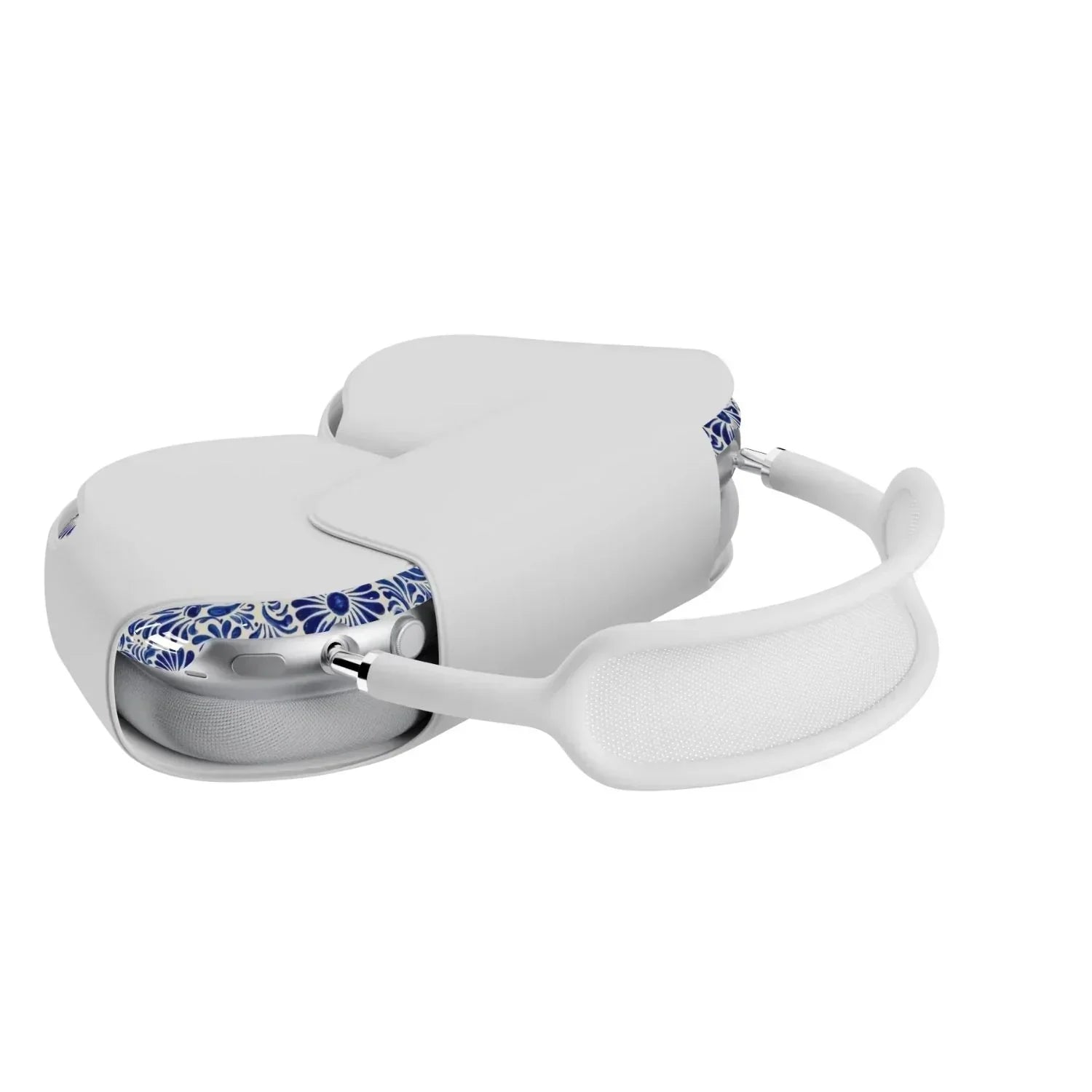
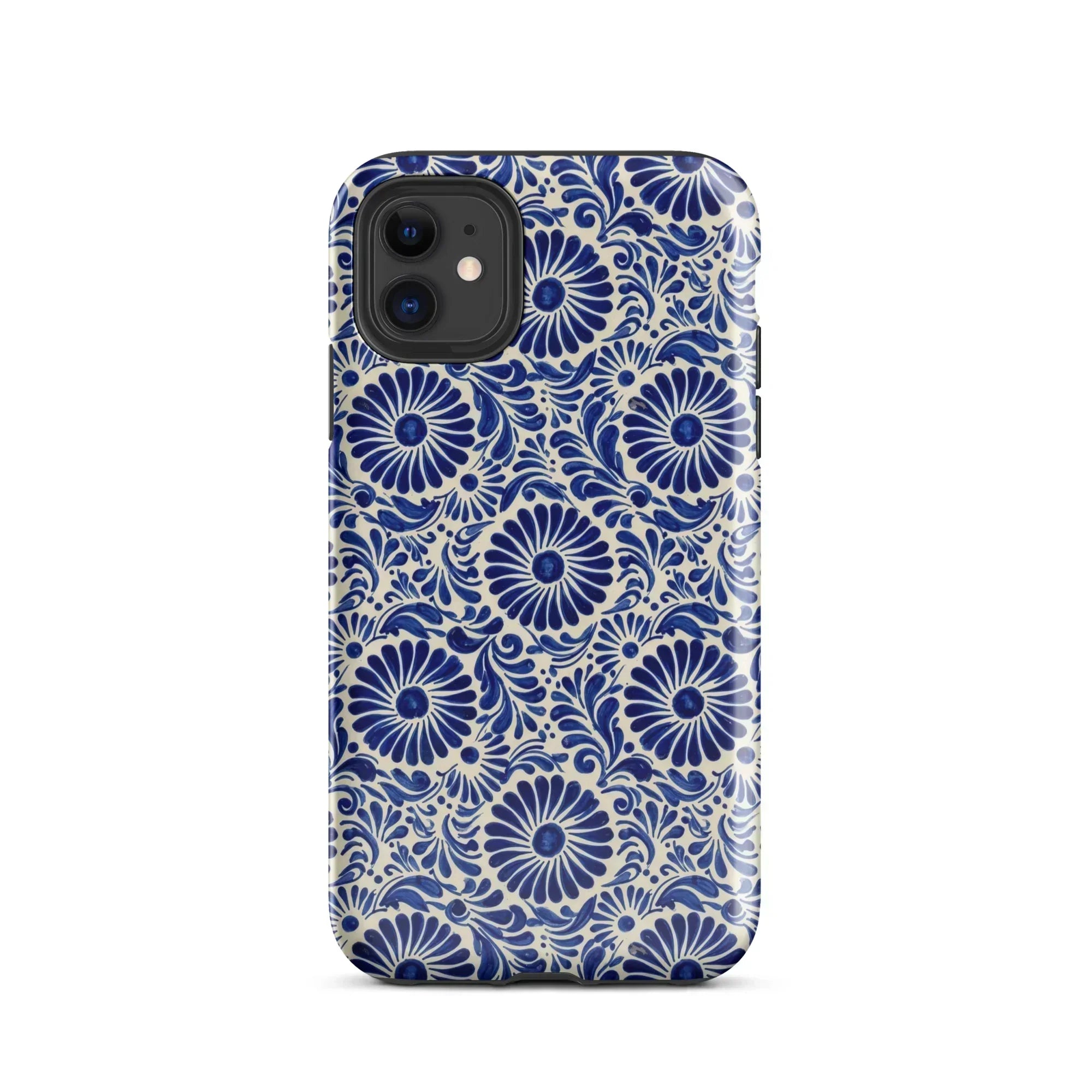
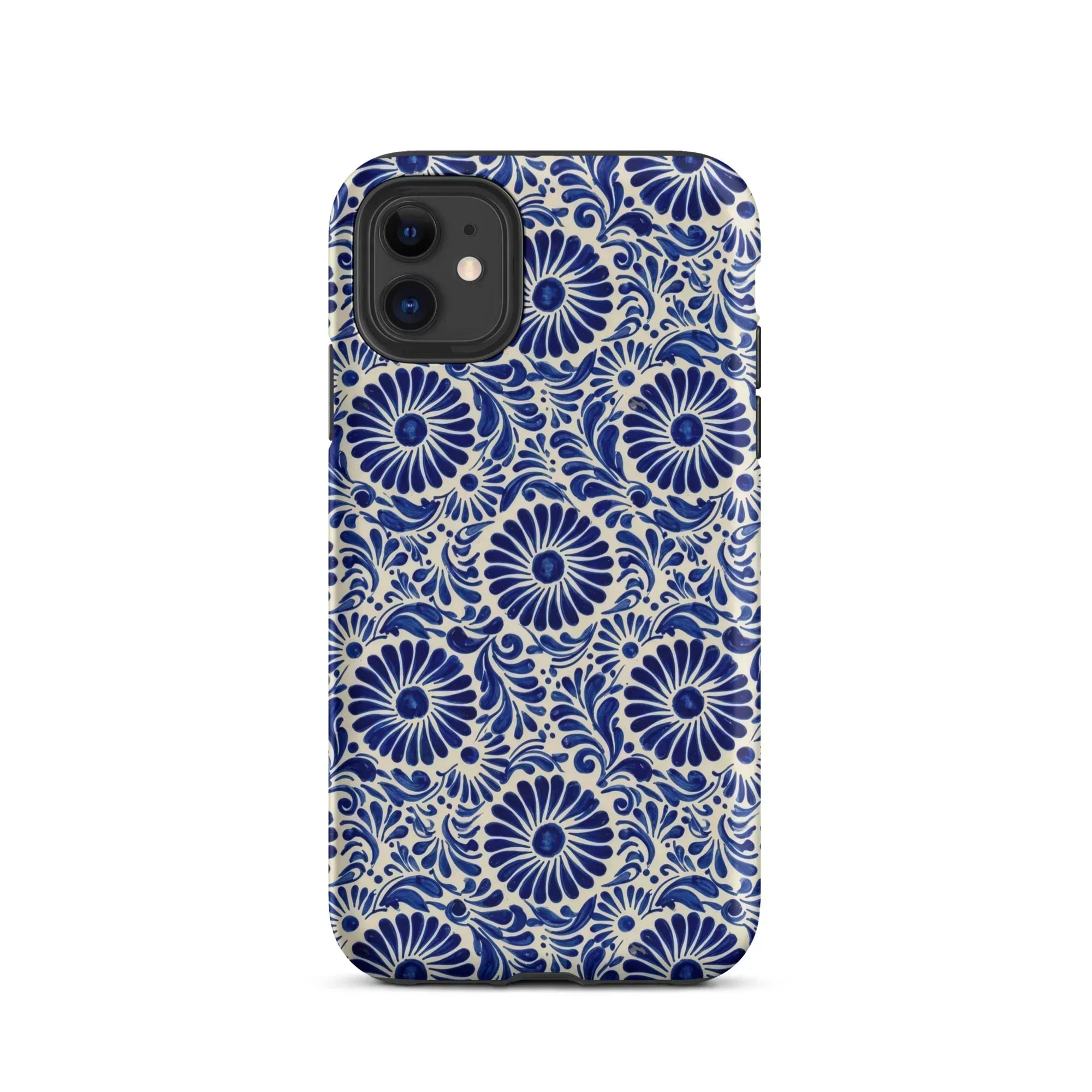
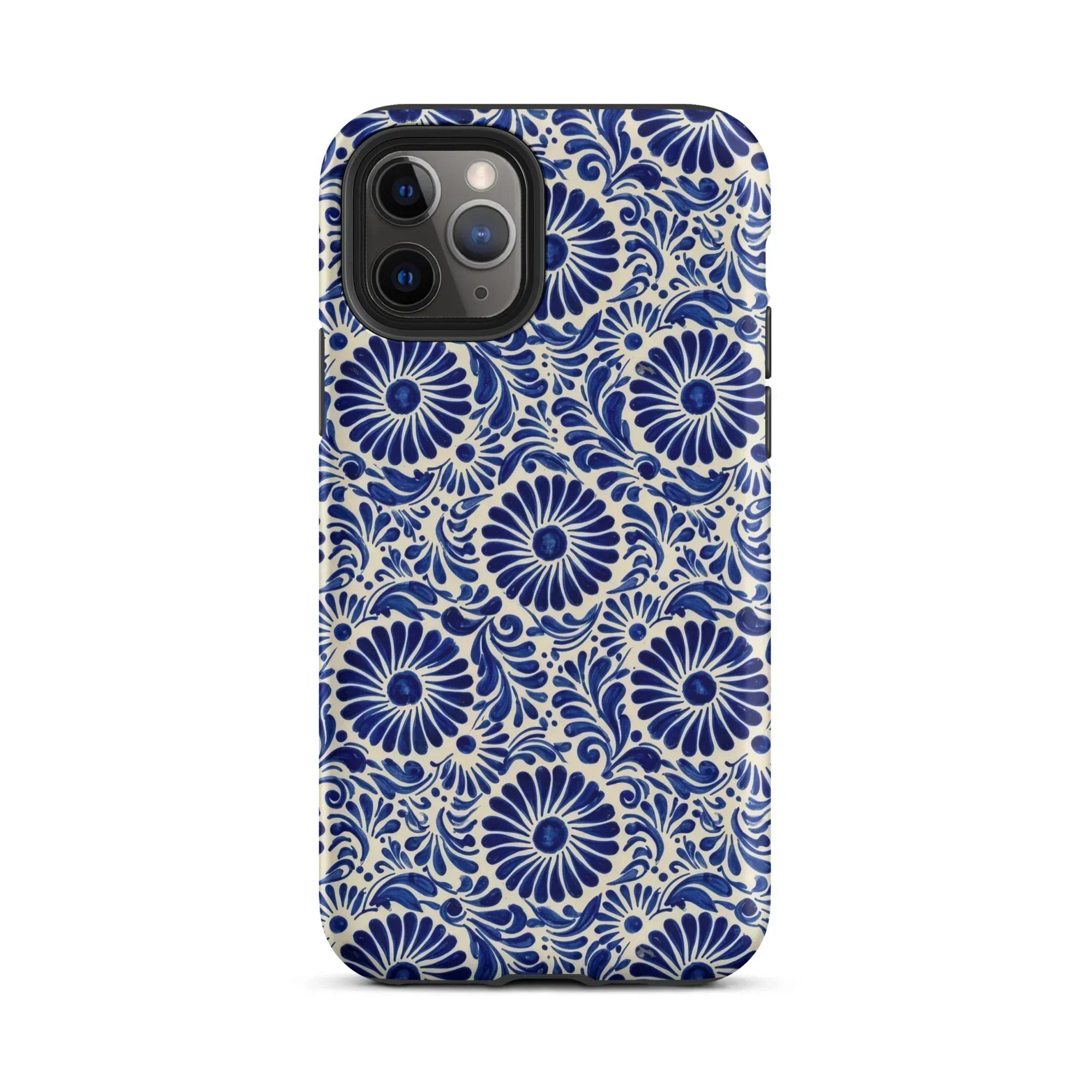
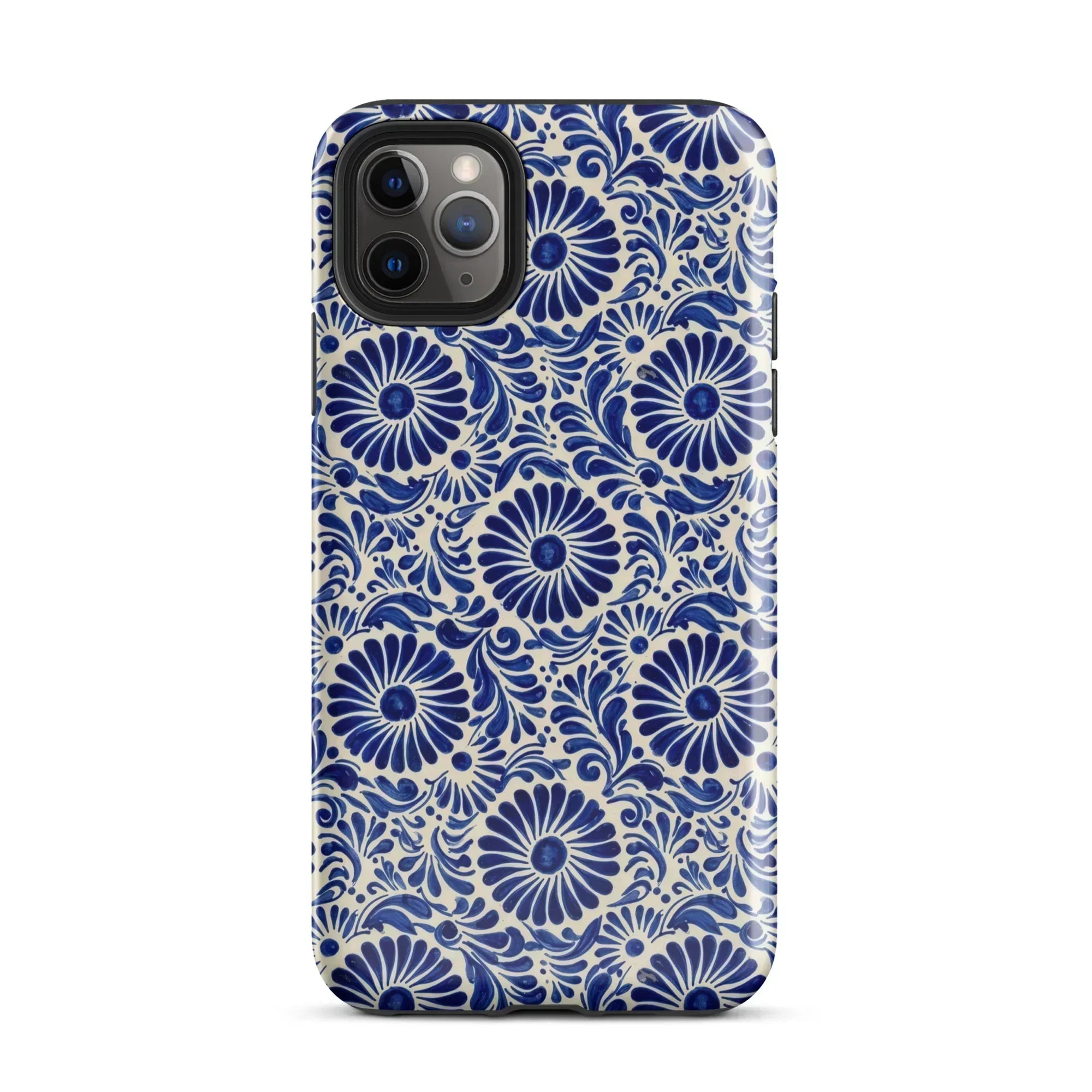
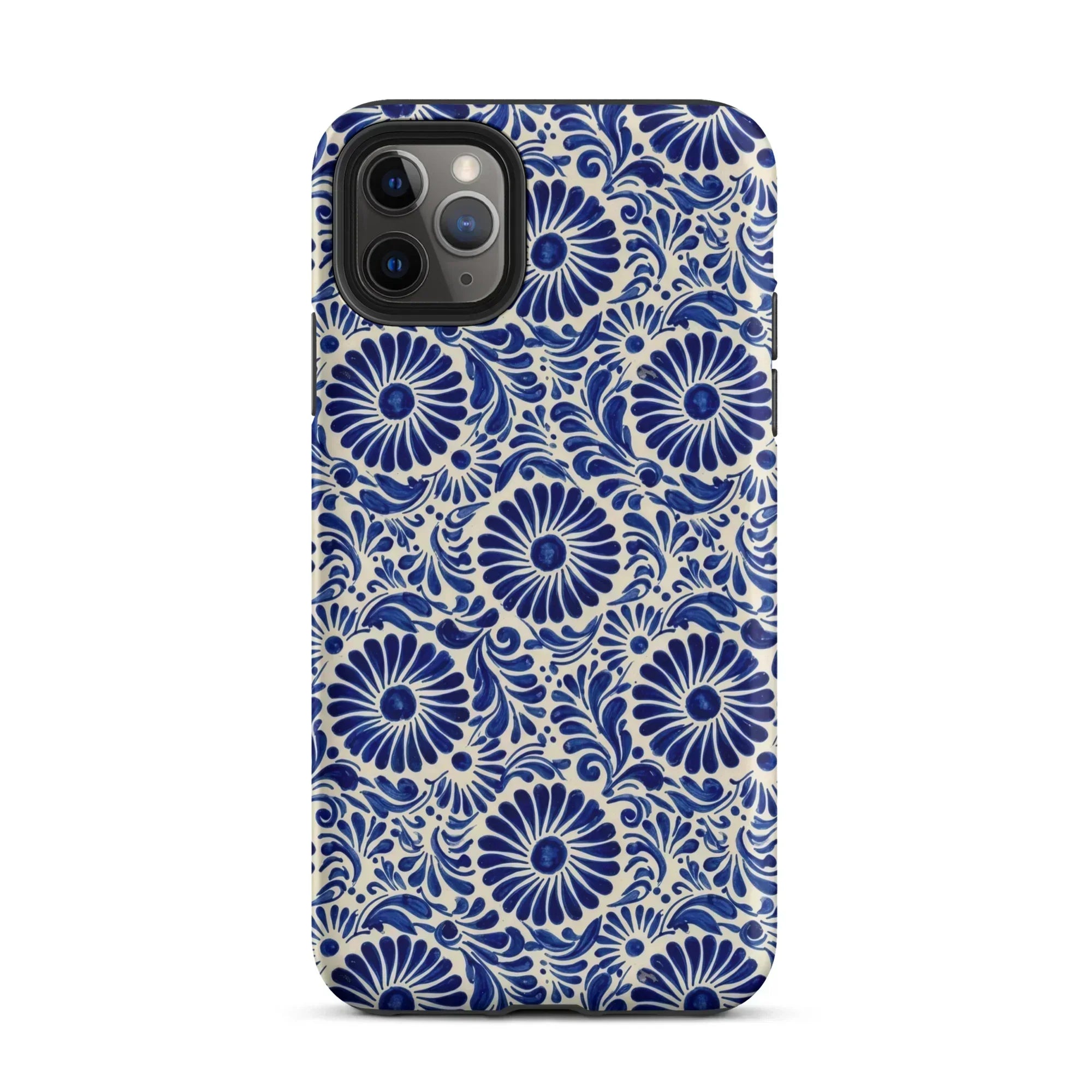
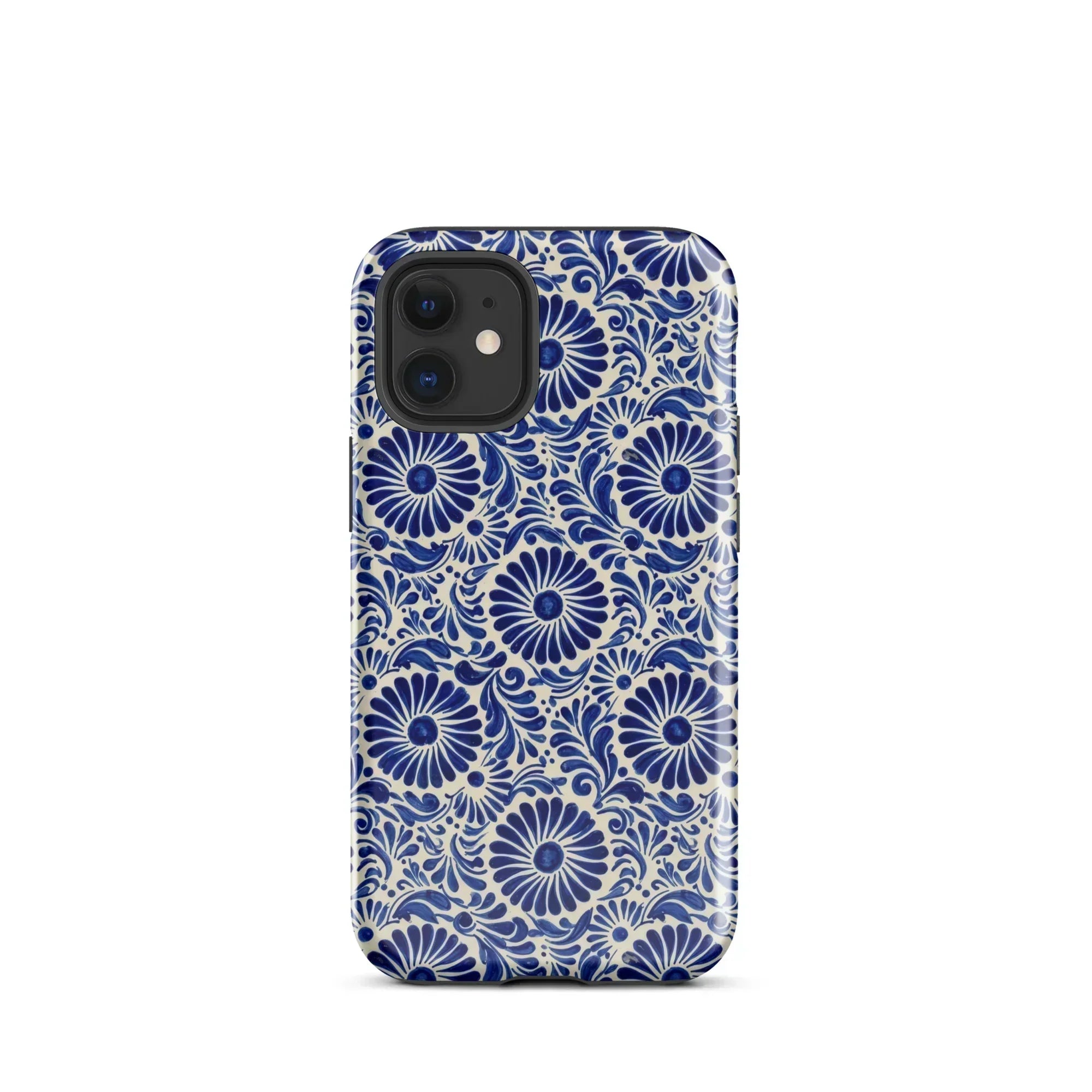
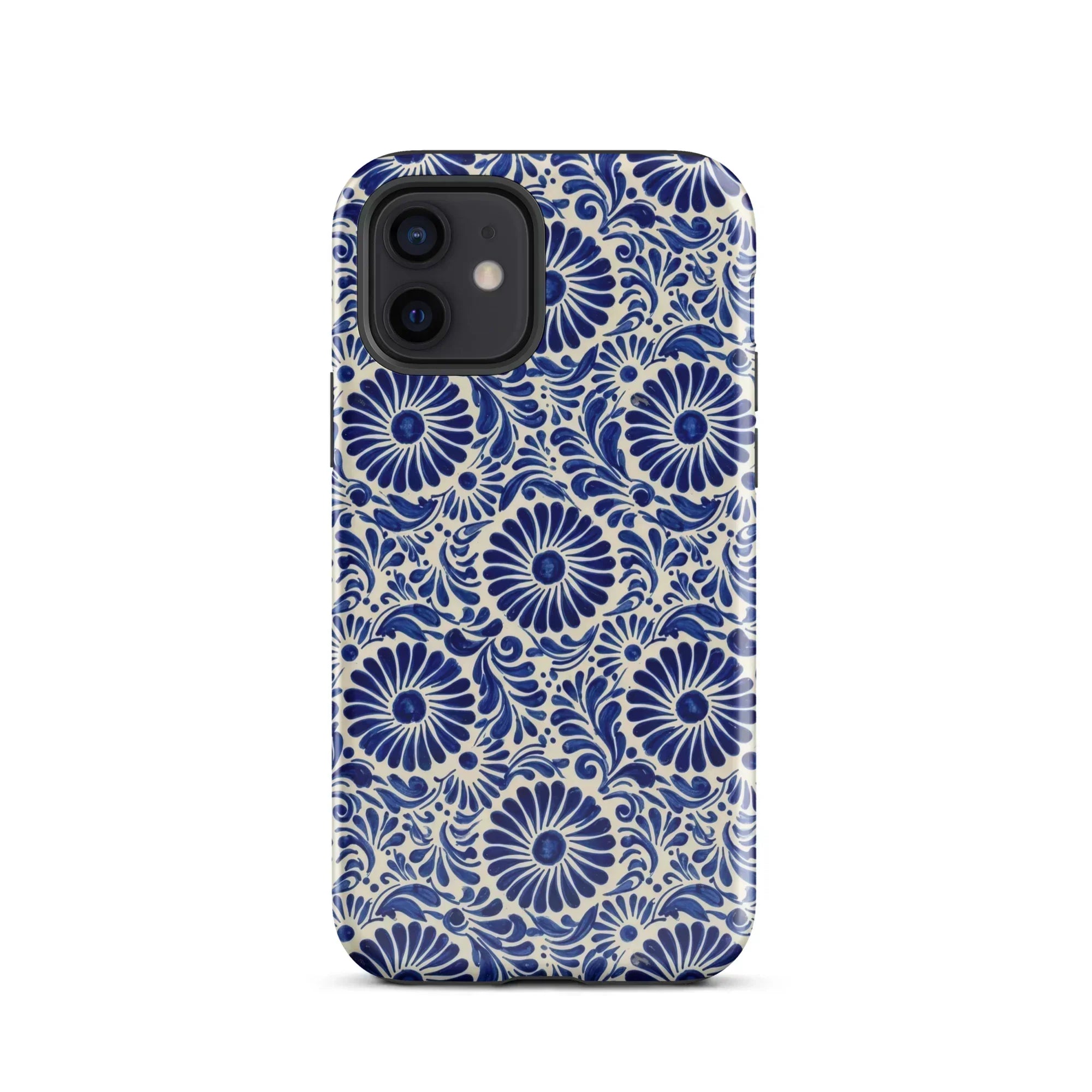
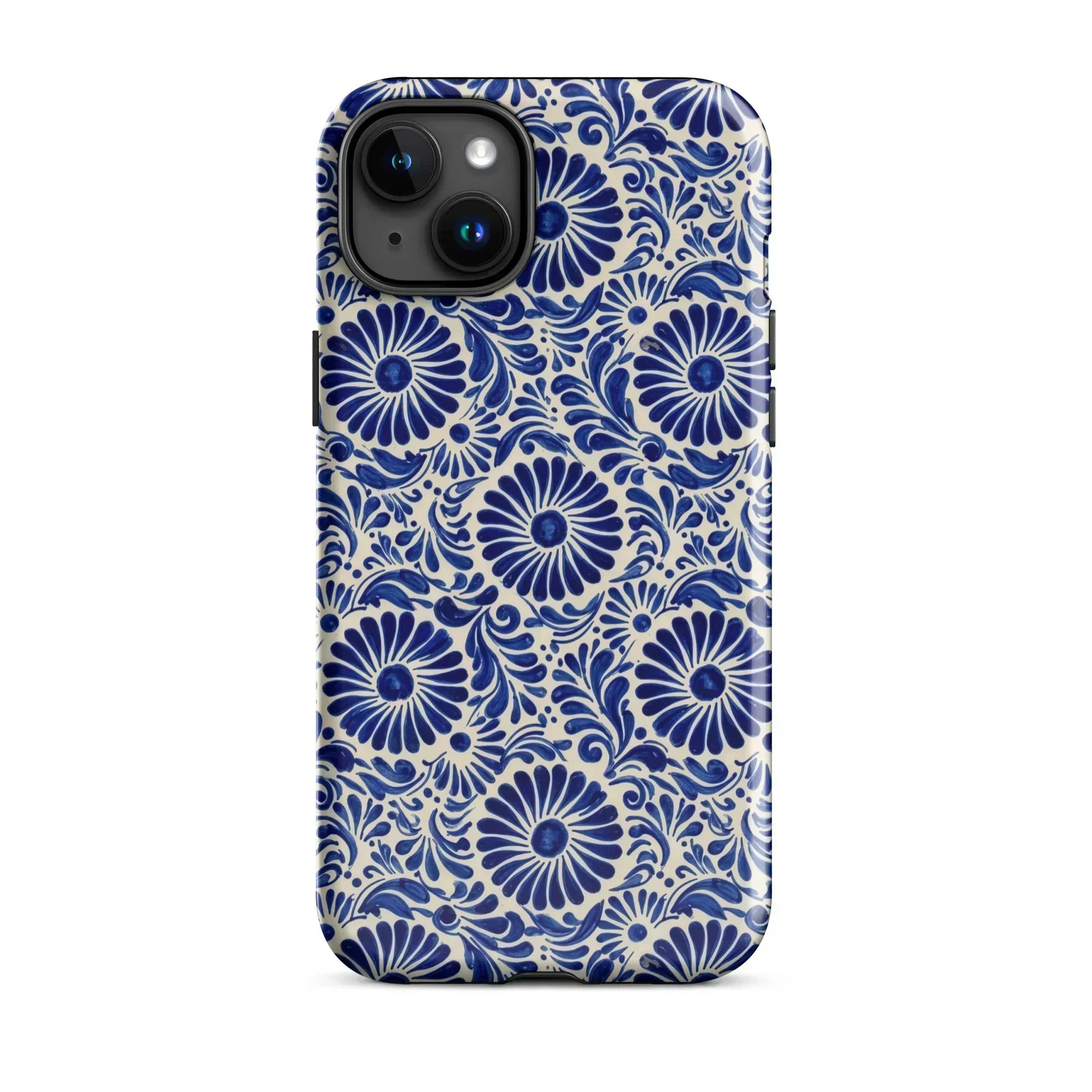
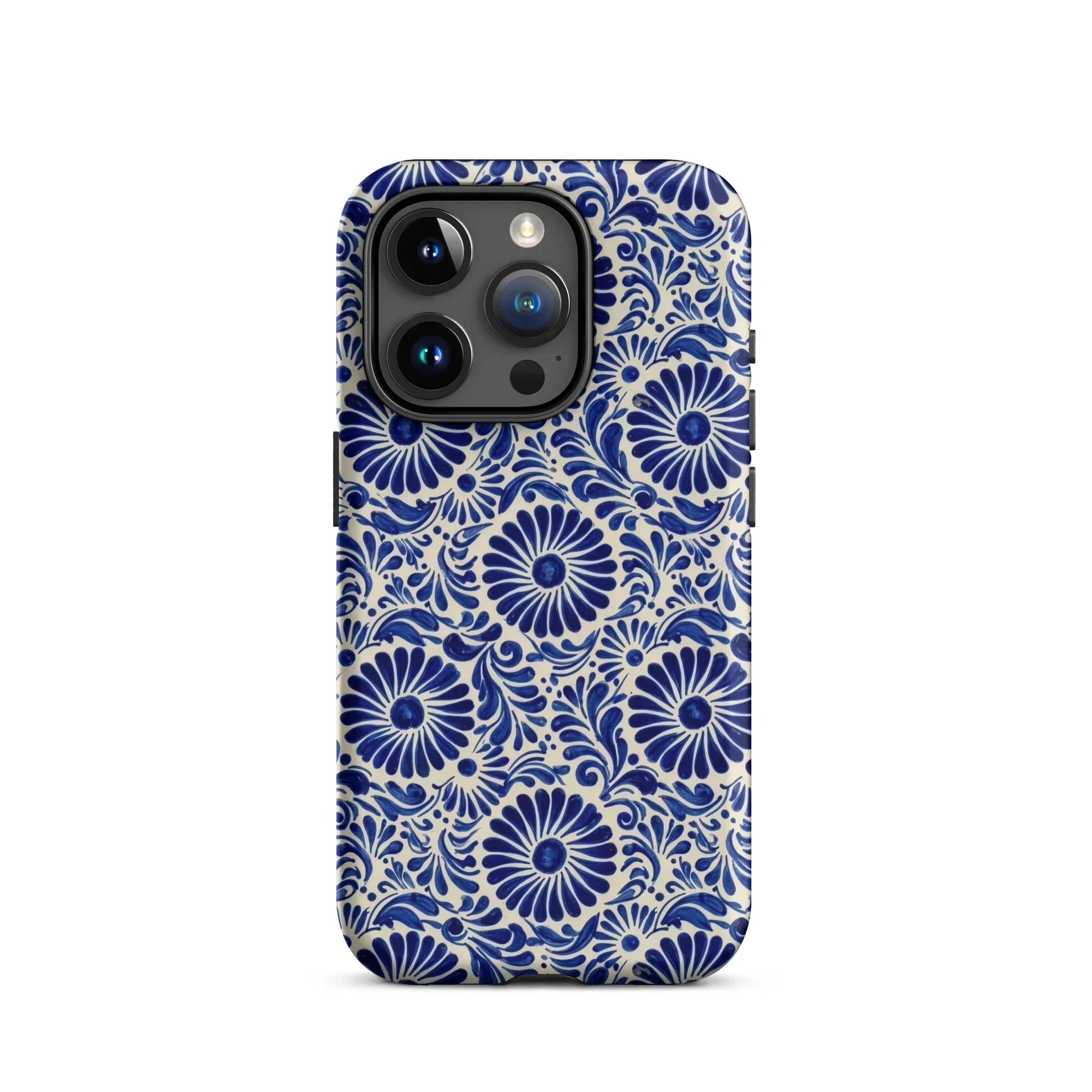
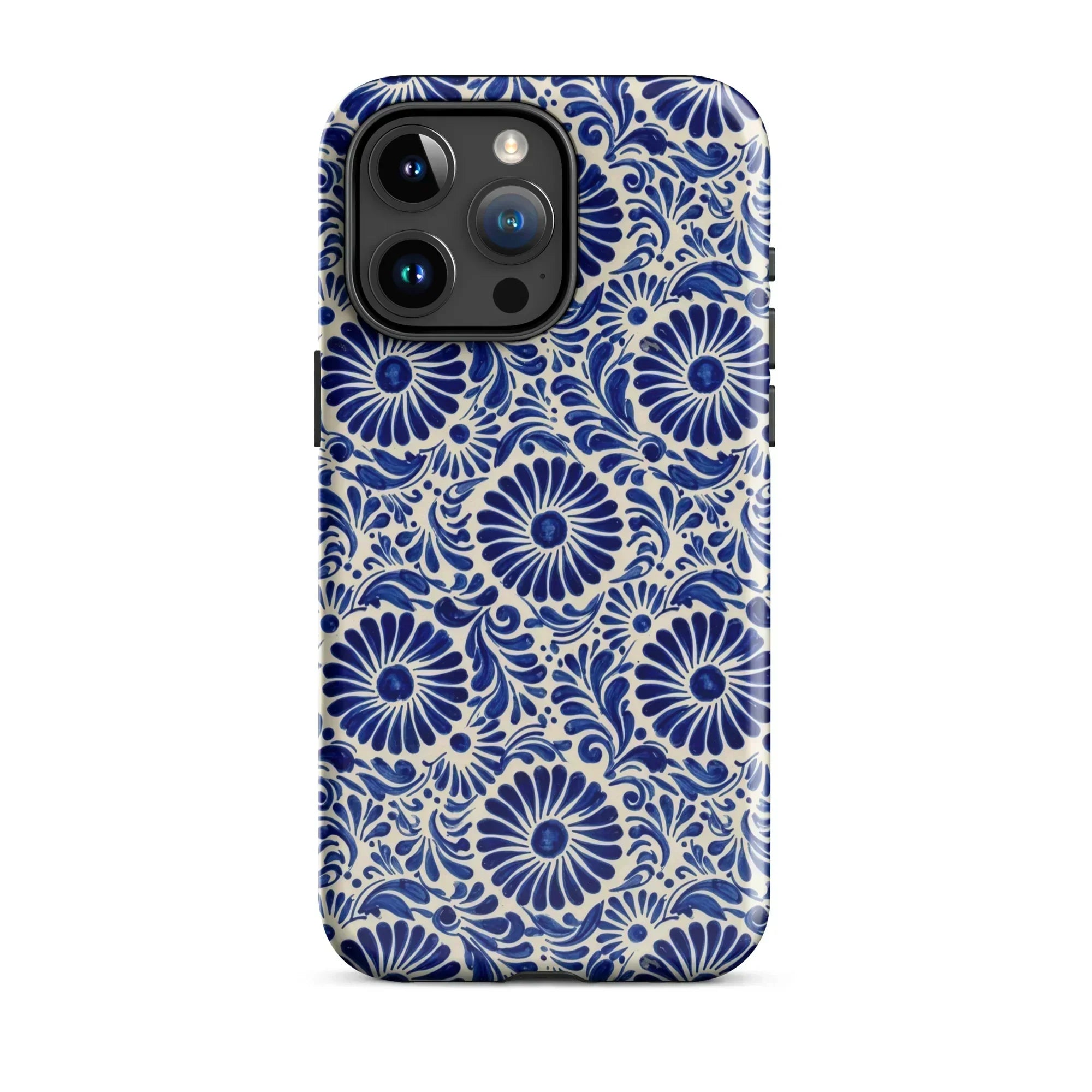
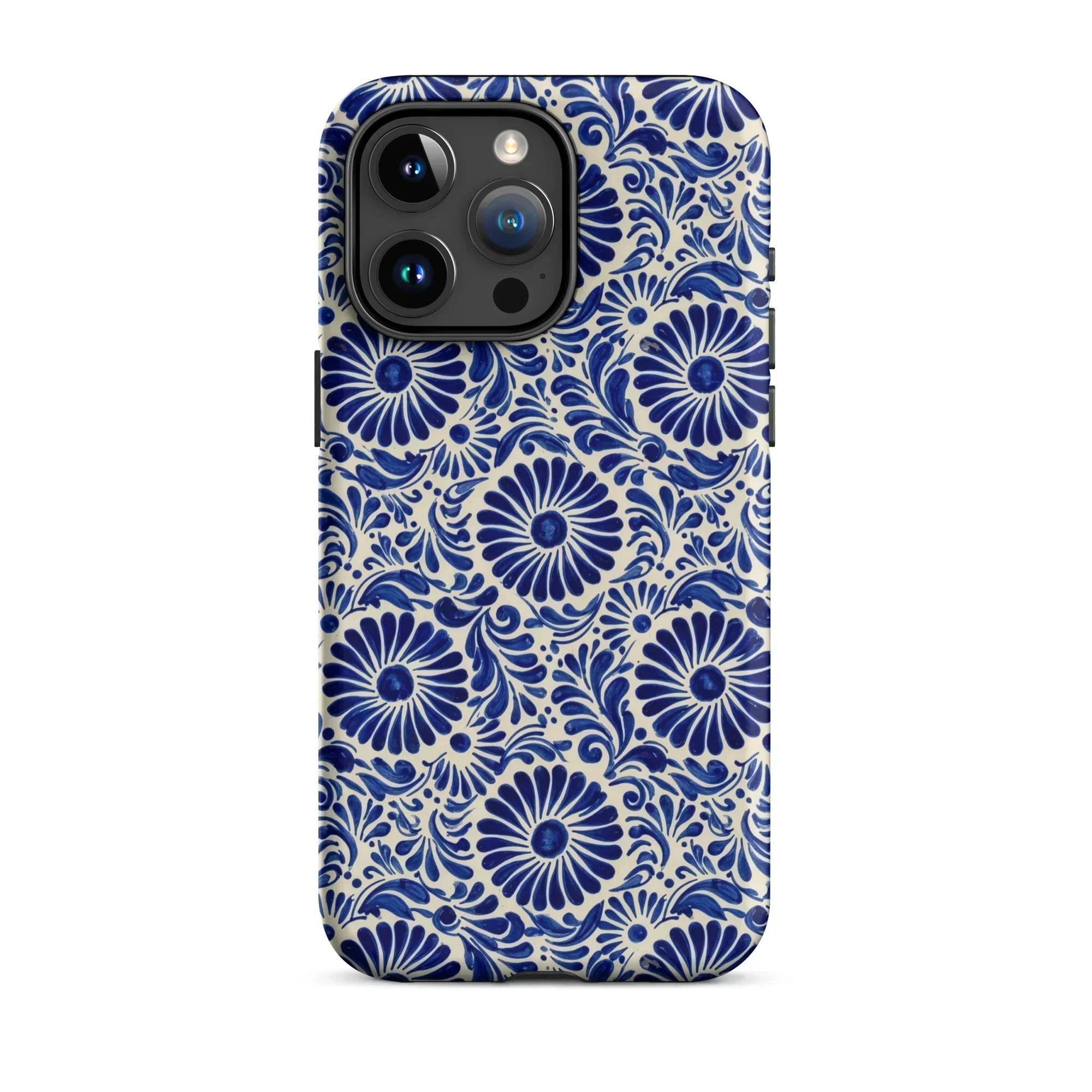
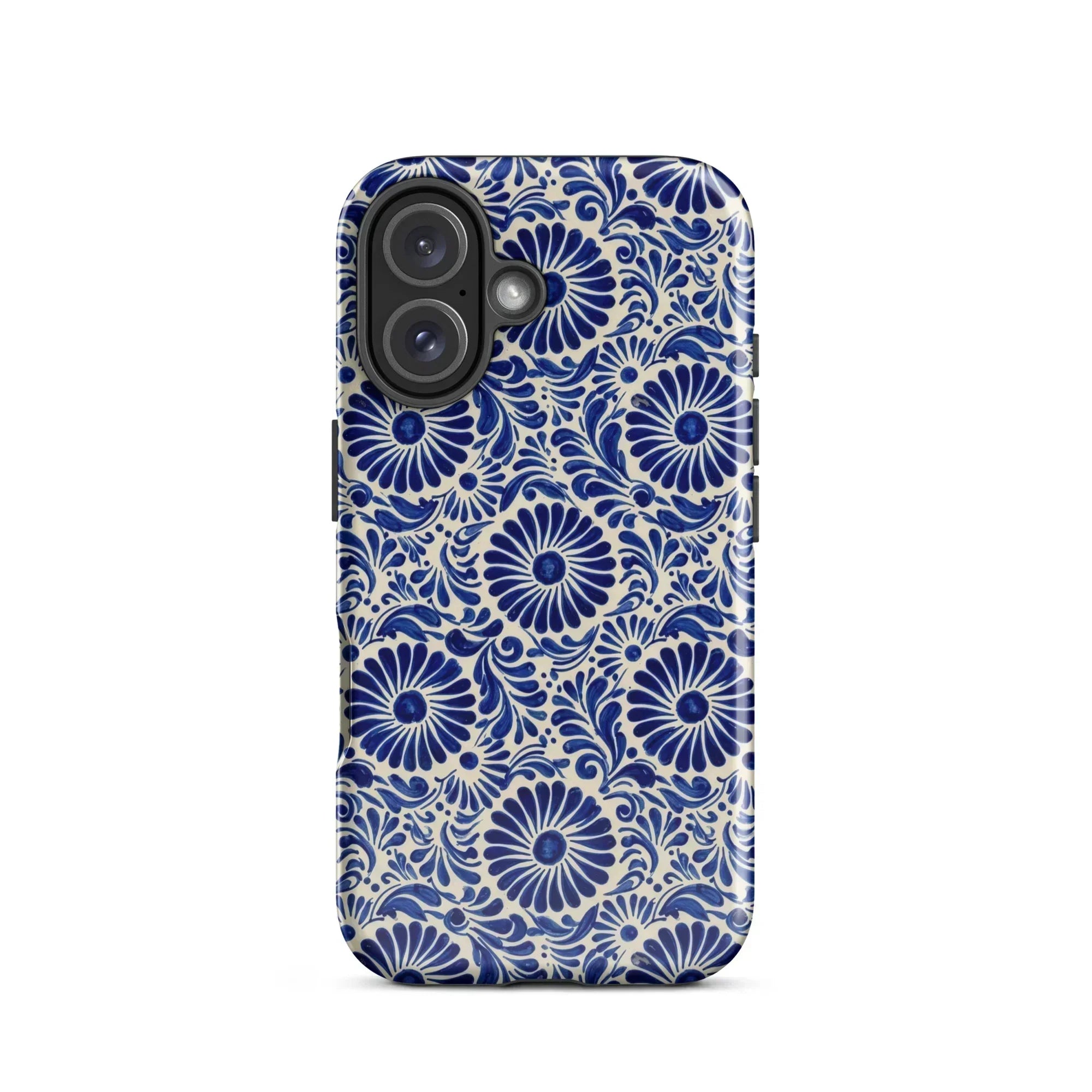
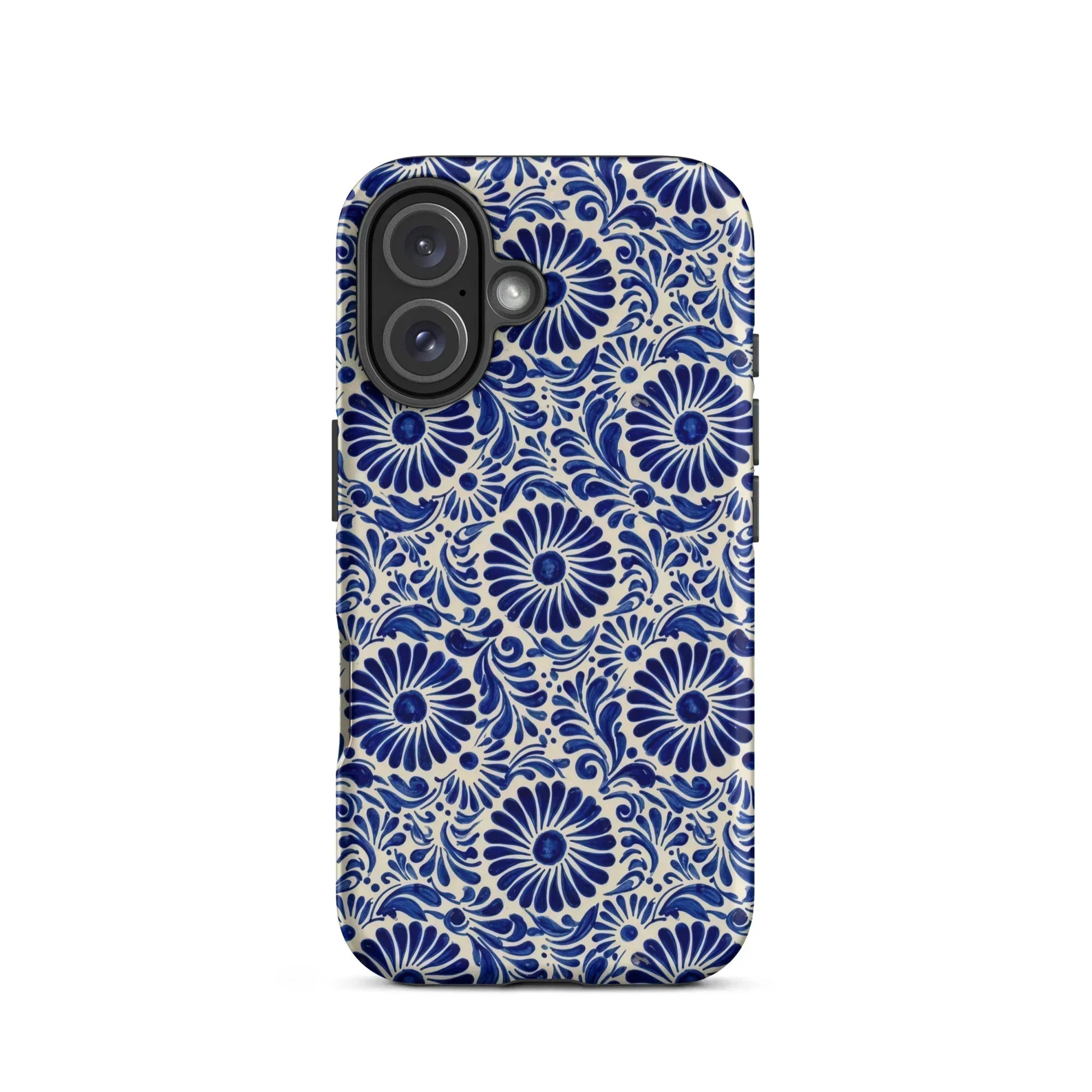
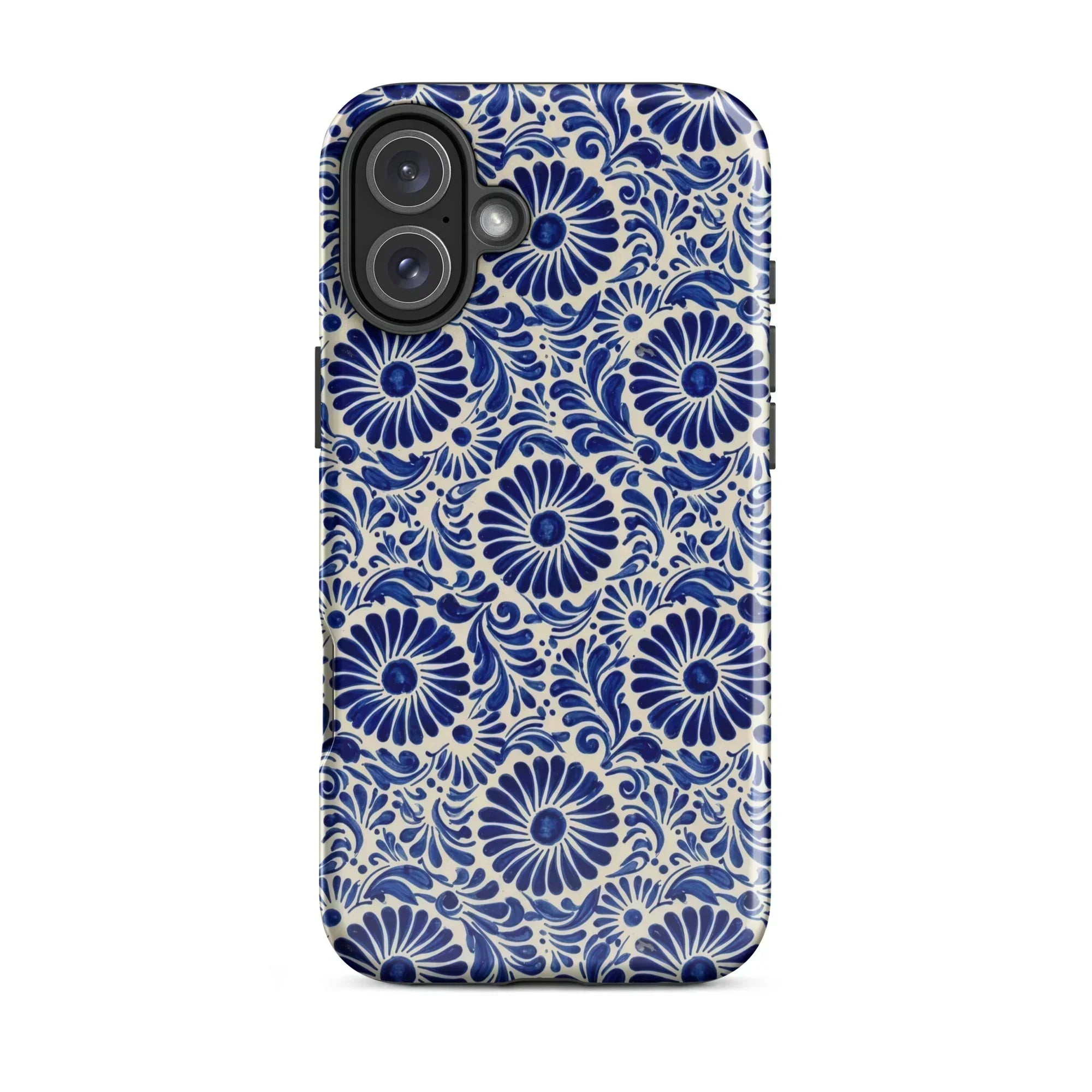
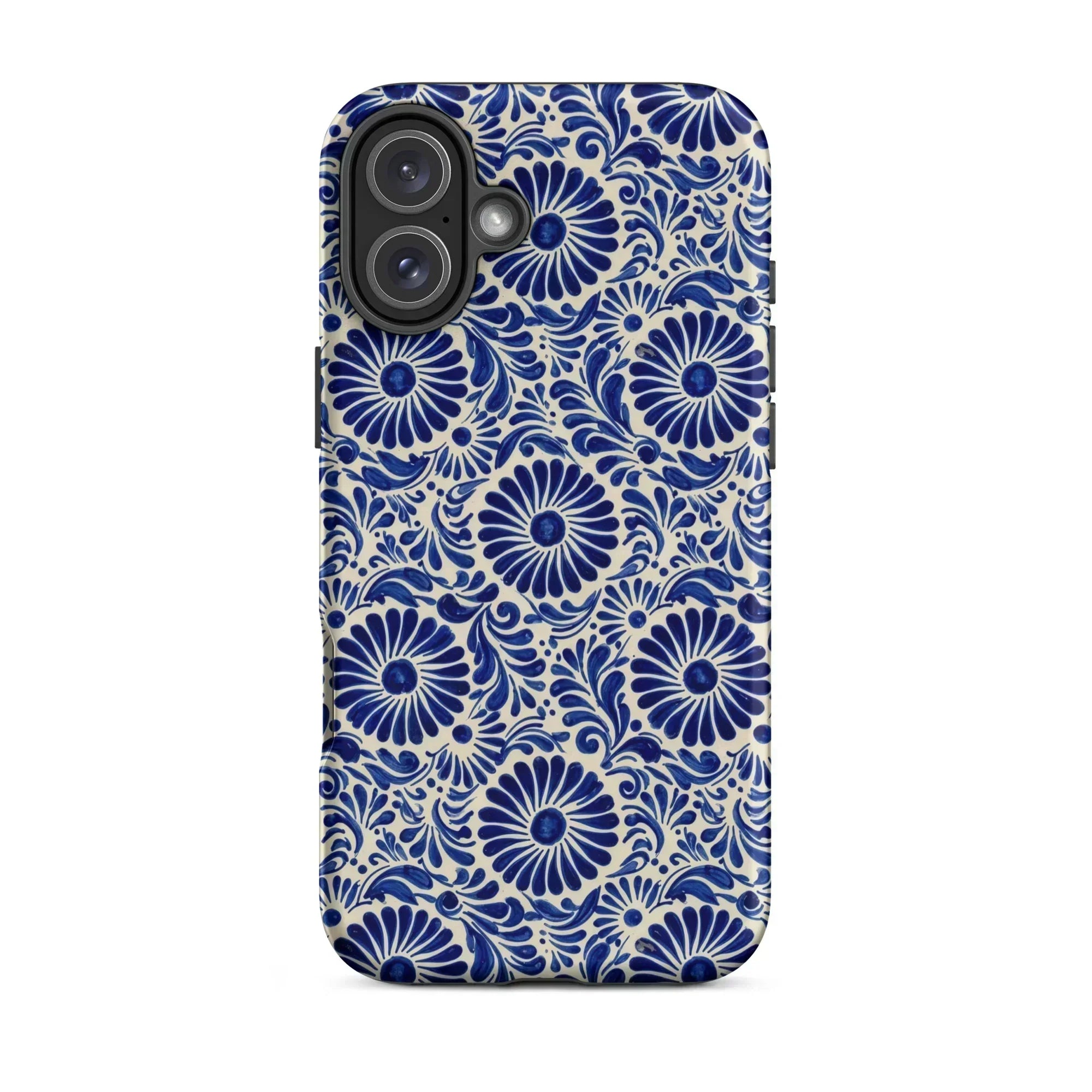
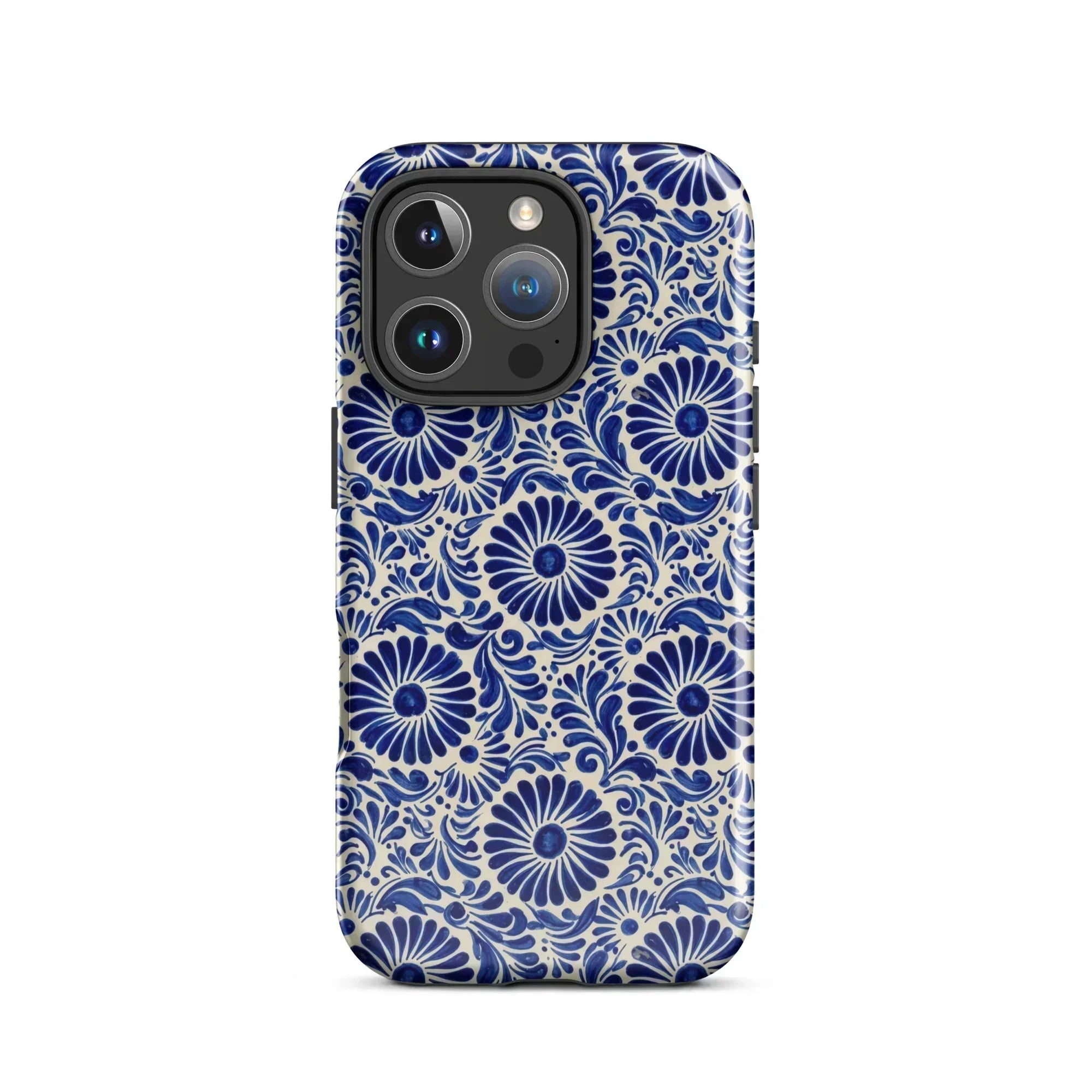
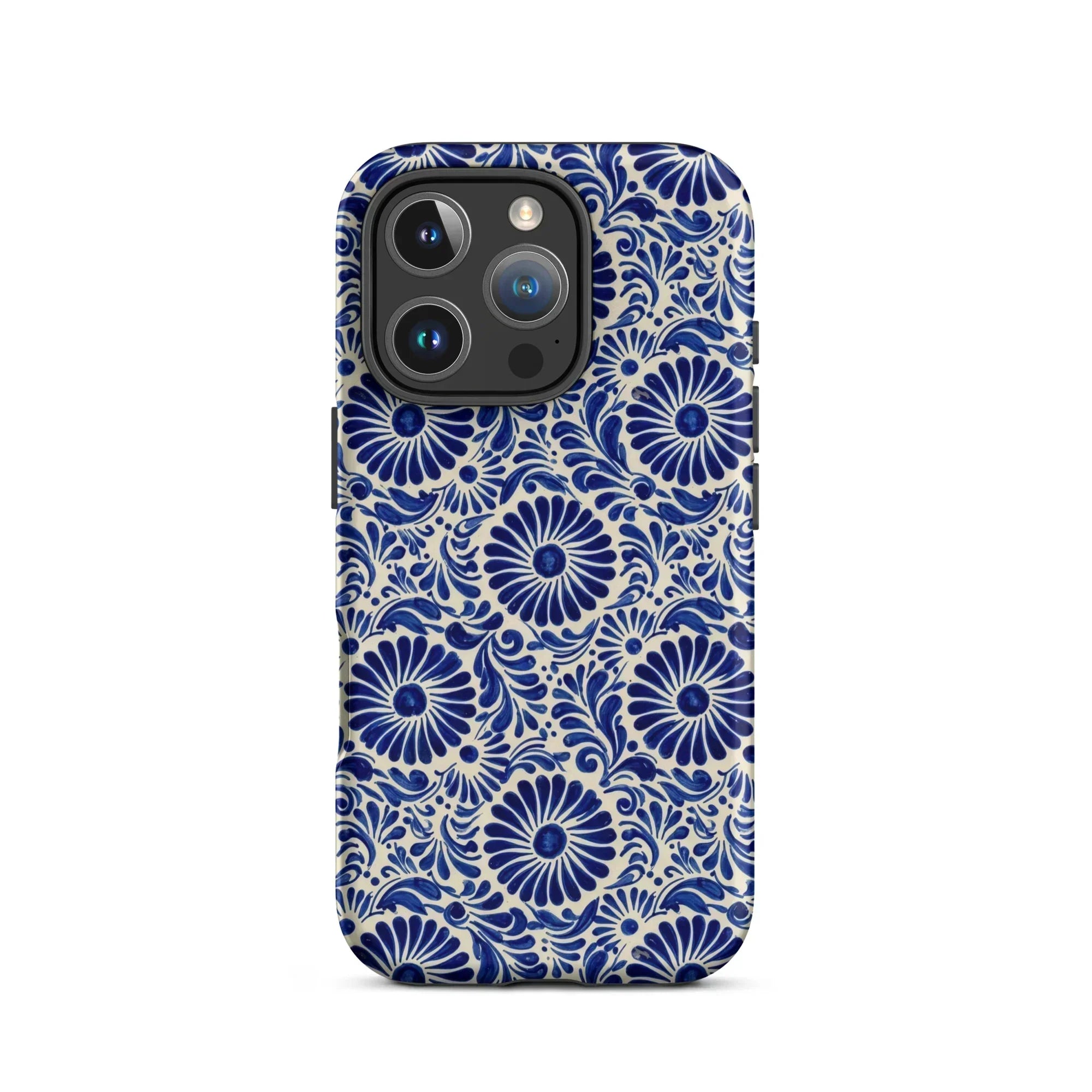
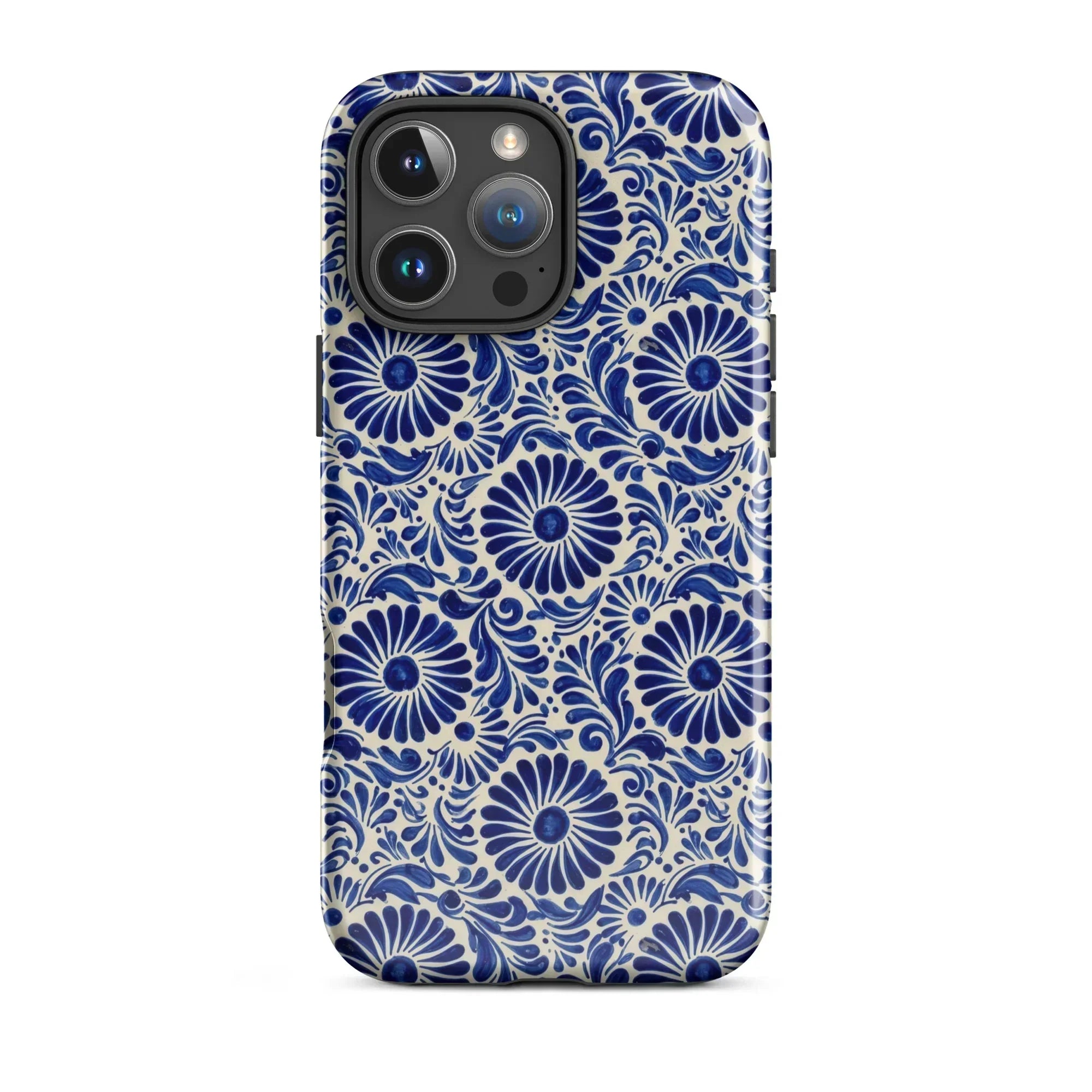
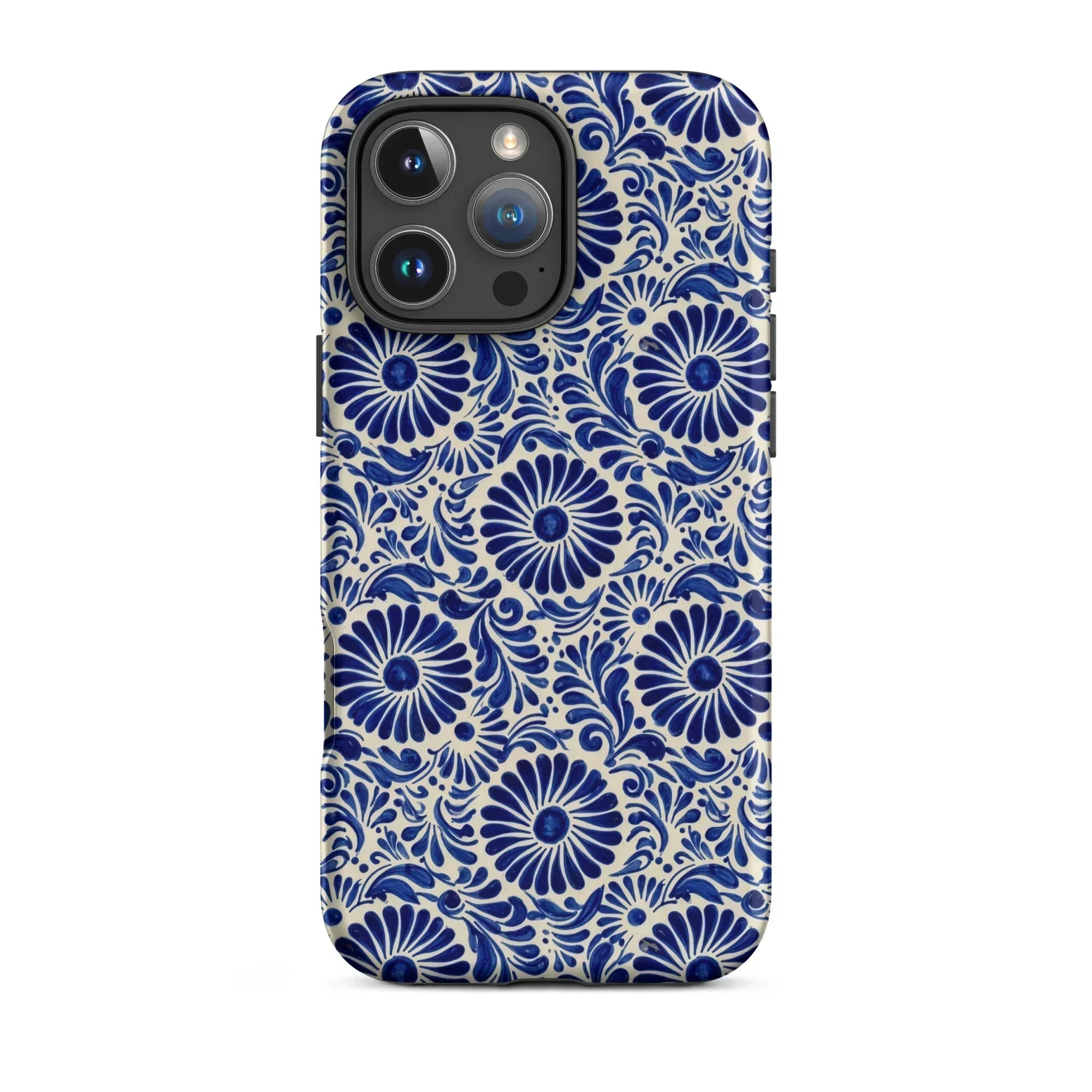
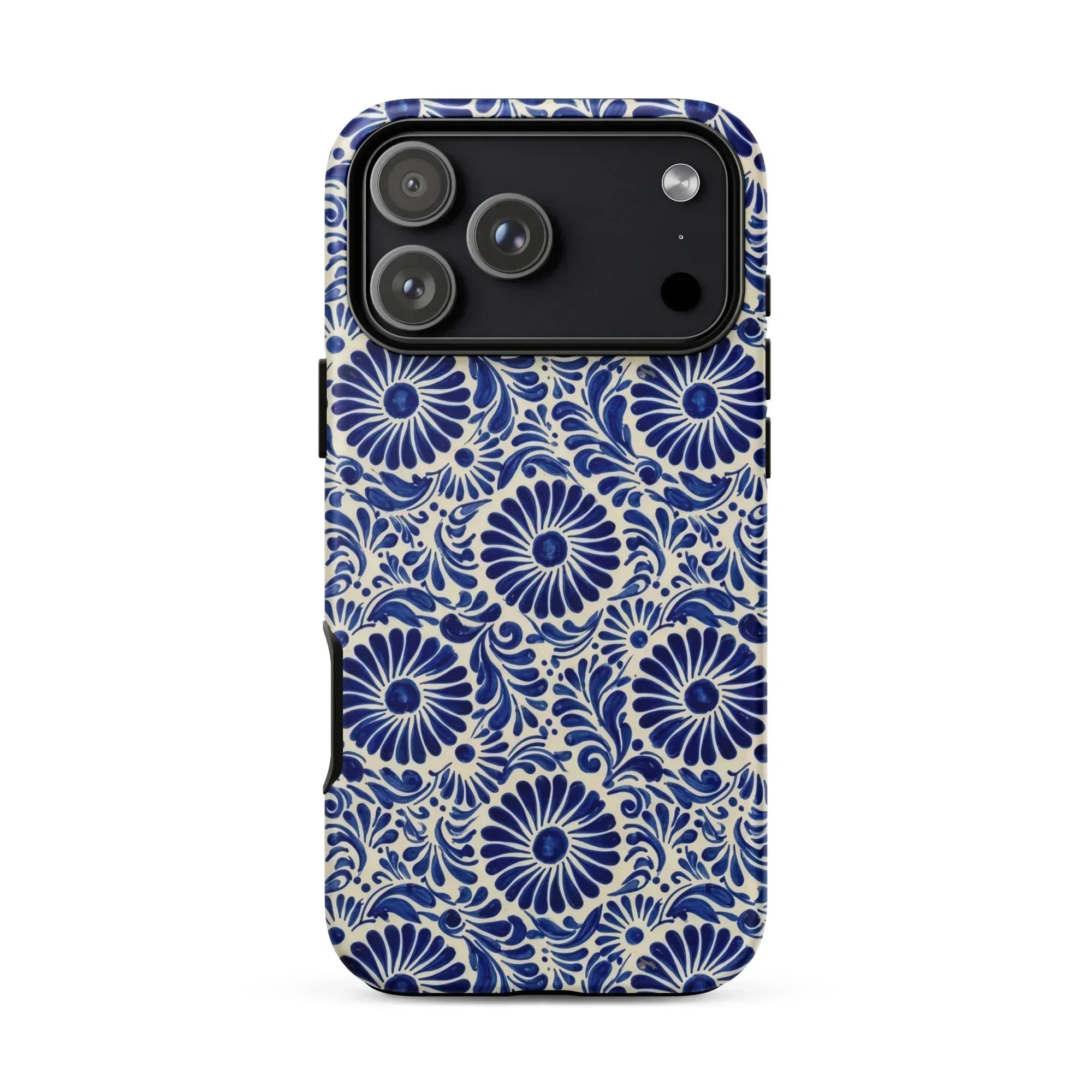
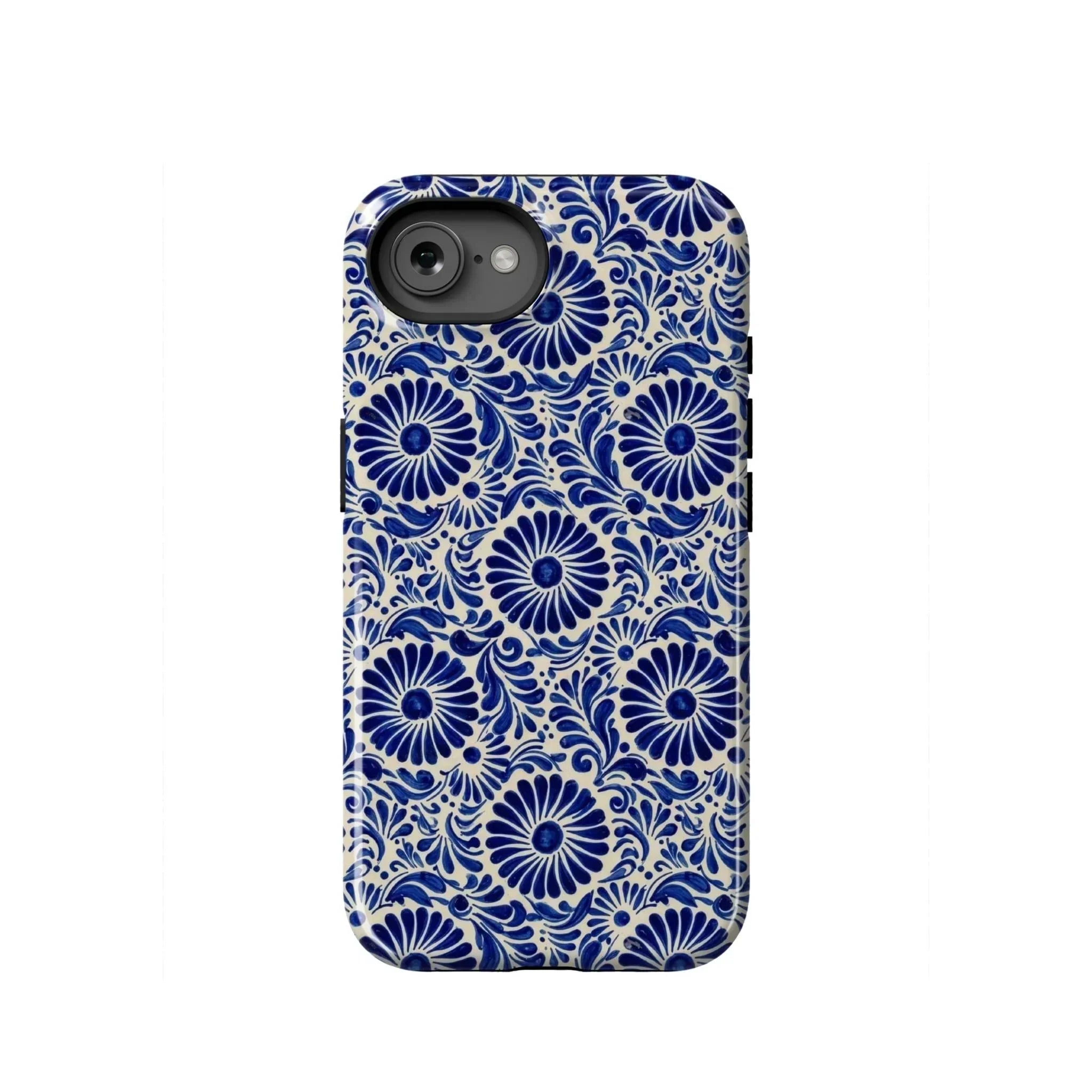
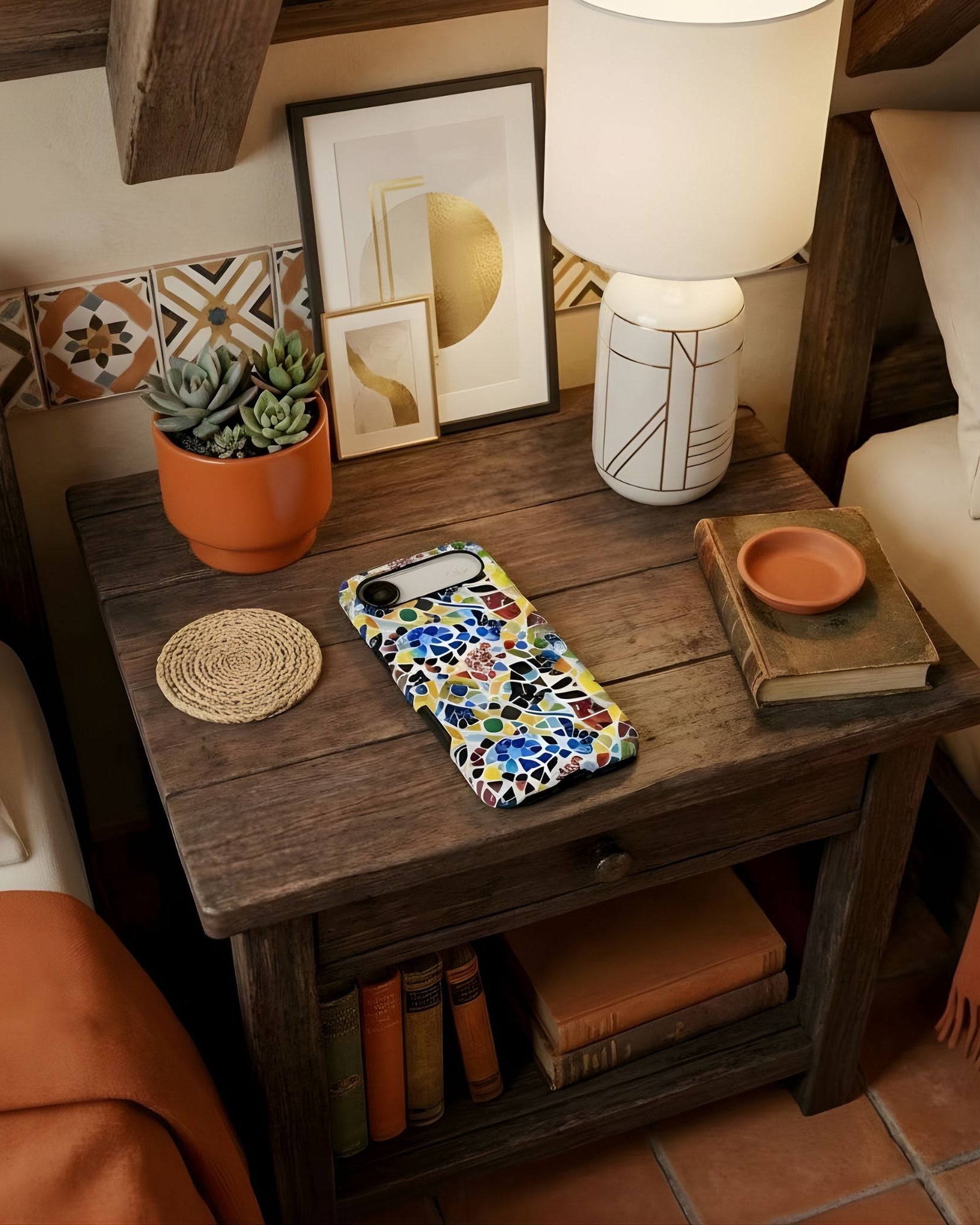
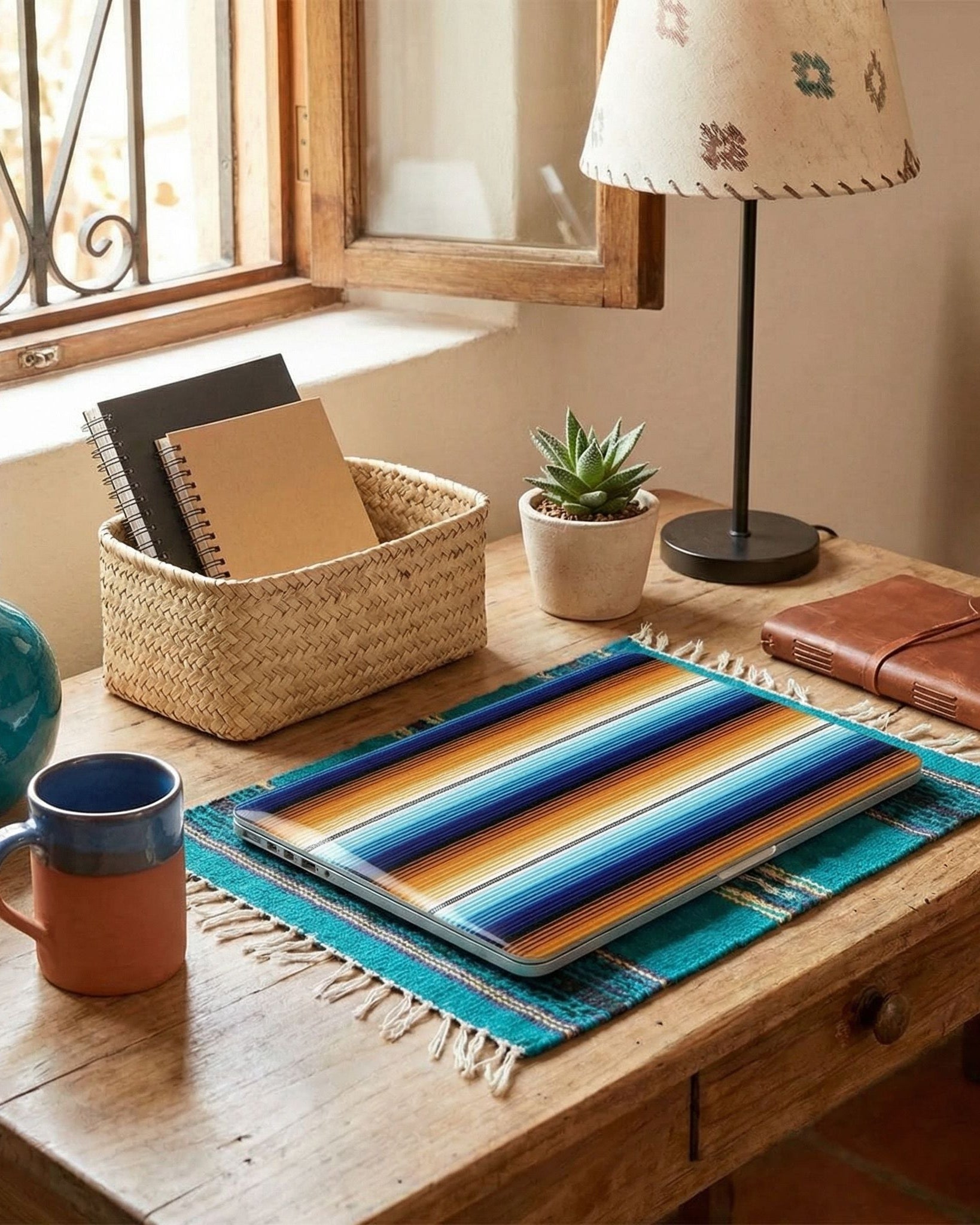
Tech Accessories: Give your gadgets a colorful makeover. Talavera-inspired phone cases, AirPod cases, or laptop sleeves can turn your tech into tiny canvases of Mexican design. Imagine the classic blue-and-white Talavera patterns on your phone – it’s a fun conversation starter and a dose of art on the go.

-
Watch Bands: Elevate your smartwatch or classic watch with a Talavera-patterned band. Many watch bands today come in printed leather or fabric featuring cultural motifs. A Talavera design band brings together timeless art and modern tech, letting you wear a piece of tradition on your wrist.
-
Fashion & Home Accents: Incorporate Talavera patterns into the things you carry or decorate with. A tote bag or pouch with Talavera-style print adds personality to your outfit. In the home, you might use a Talavera coffee mug for your morning brew or throw pillows with Talavera tile prints to brighten up a couch. Even a small ceramic Talavera planter with succulents can cheer up a desk or windowsill. These little touches infuse daily routines with color and cultural meaning, without being overpowering.


Because authentic Talavera pottery can be expensive and a bit fragile for heavy use, many people opt for Talavera-inspired products (like printed fabrics, imitations, or pattern designs) for everyday items – and that’s perfectly fine for enjoying the aesthetic. The key is that each time you see those vibrant designs, you’re reminded of the craftsmanship behind them. Gifting a friend an item with Talavera motifs – say, a notebook, a phone case, or a kitchen trivet decorated in Talavera style – can be a wonderful way to share a piece of Mexican art with others in a functional form. It’s all about celebrating the beauty of Talavera by integrating it into life’s little moments.
Final Thoughts: The Vibrant Legacy of Mexican Talavera
Mexican Talavera tile is more than just beautiful pottery – it’s a living symbol of art, history, and cultural fusion. From its humble beginnings with Spanish monks and indigenous artisans in Puebla, Talavera grew into a distinctive art form that captures the spirit of Mexico’s colonial era and beyond. Each brushstroke on a Talavera plate, each glazed tile glinting on a church wall, carries with it a story of tradition, patience, and creativity. Despite changing fashions, Talavera’s appeal has proven truly timeless – its vibrant beauty and cultural significance have stood the test of centuries, evolving yet staying true to its roots.

By welcoming Talavera design into our modern lives, we don’t just add color or pattern – we connect to a rich heritage of craftsmanship. Whether it’s through an authentic handmade piece or a Talavera-inspired accessory, we honor the artisans who keep this 500-year-old art alive. Next time you admire a Talavera tile or sip from a Talavera-style mug, remember that you’re experiencing a little piece of the past, lovingly preserved and reimagined for today. Talavera is, at its heart, a celebration: a celebration of cultural exchange, of artisanal skill, and of the idea that art can beautifully enhance even the simplest aspects of daily life. In a world of mass production, that is certainly something to cherish – a vibrant legacy that continues to bring joy, one painted tile at a time.
References: Mexican Talavera pottery is a widely studied craft. For more detailed history and examples, you can explore resources like the [UNESCO Intangible Cultural Heritage listing, the Library of Congress’s insights on [Talavera’s history and regulation】, or the Metropolitan Museum of Art’s essay on [Talavera de Puebla’s colonial-era development】. These delve deeper into how Talavera’s techniques and designs were shaped over time, and how the tradition is safeguarded today. Visitors to Puebla can also learn first-hand at local museums (such as the Museo de la Talavera) or even take a workshop tour to see this magnificent pottery being made before their eyes. Enjoy your journey into Talavera – a true jewel of Mexican cultural heritage.