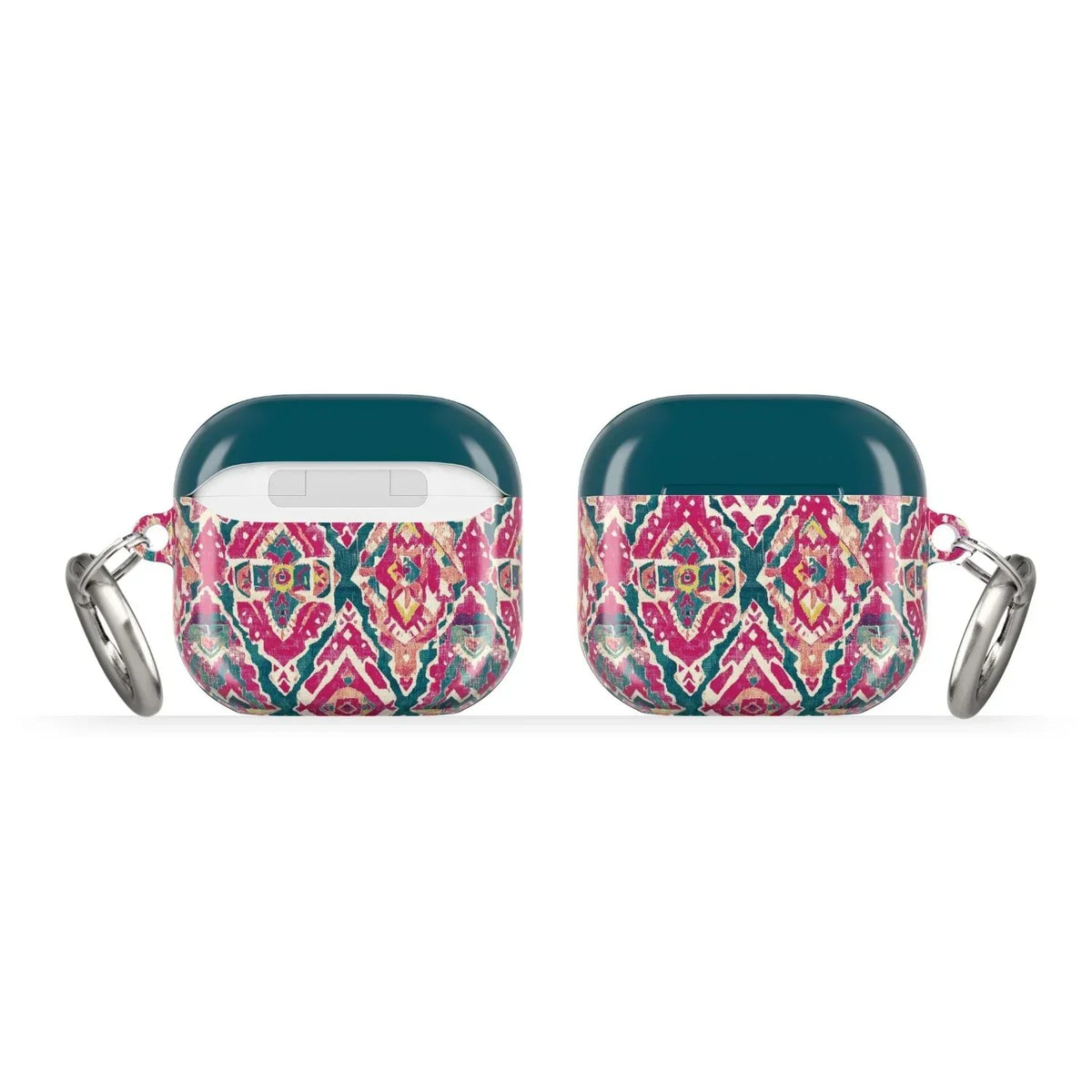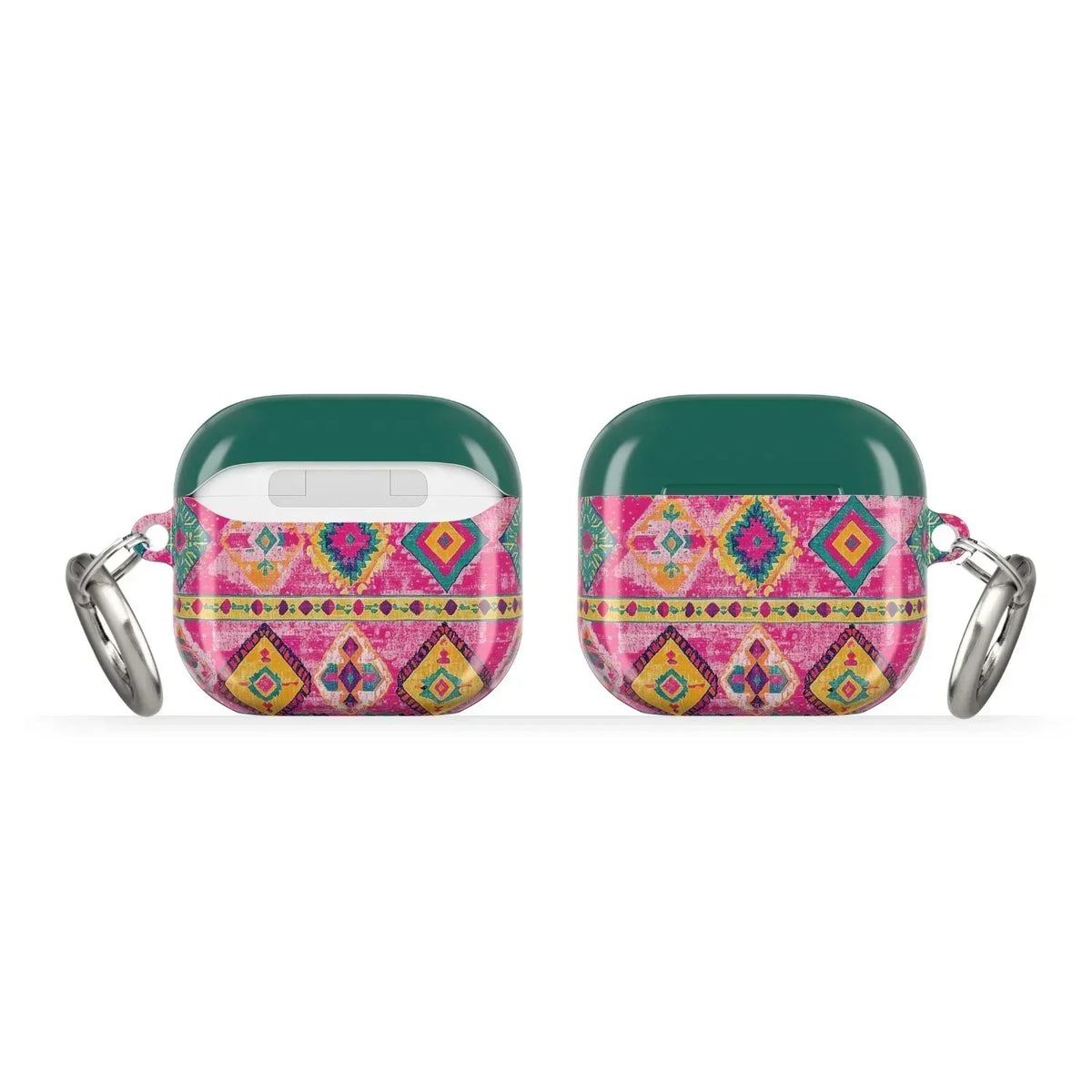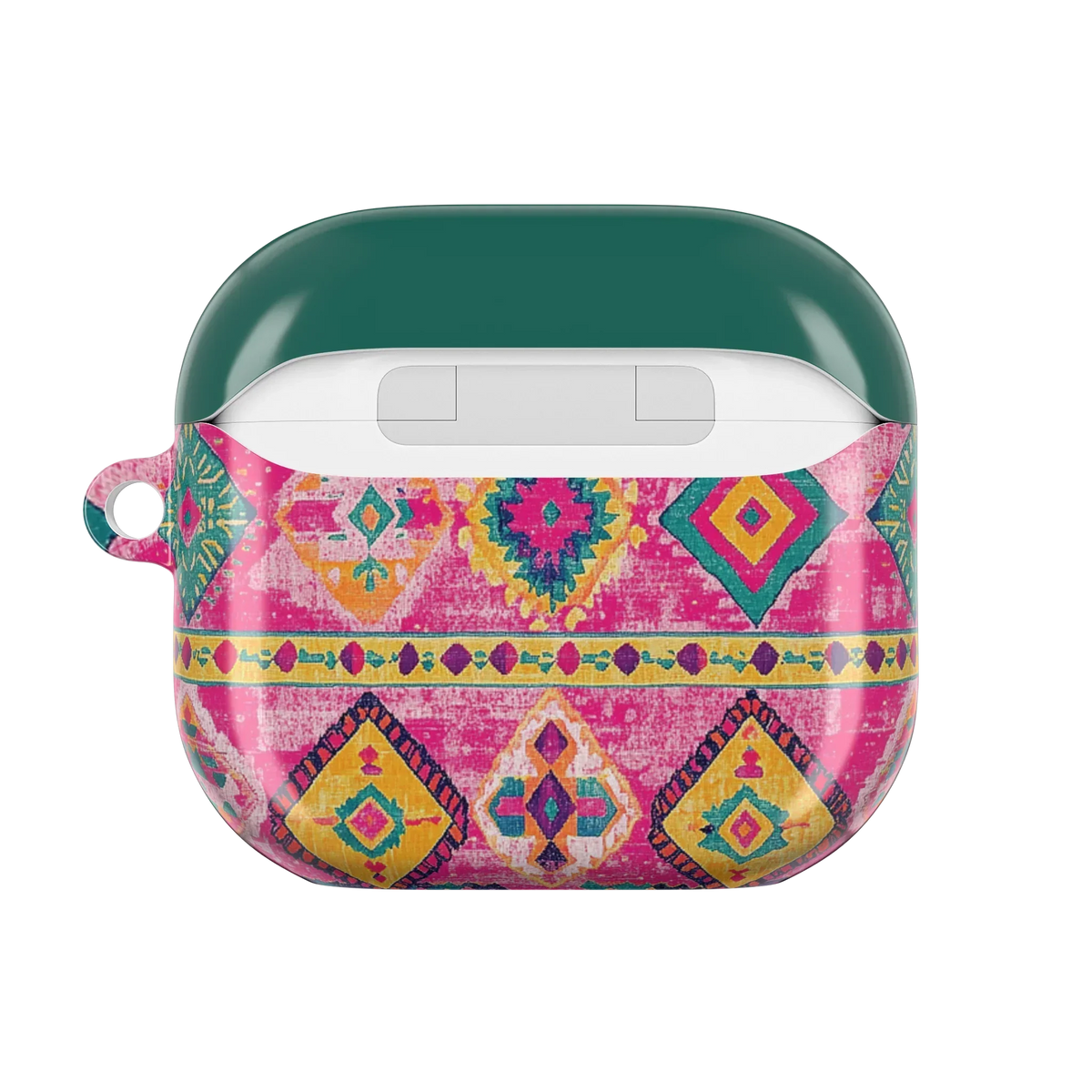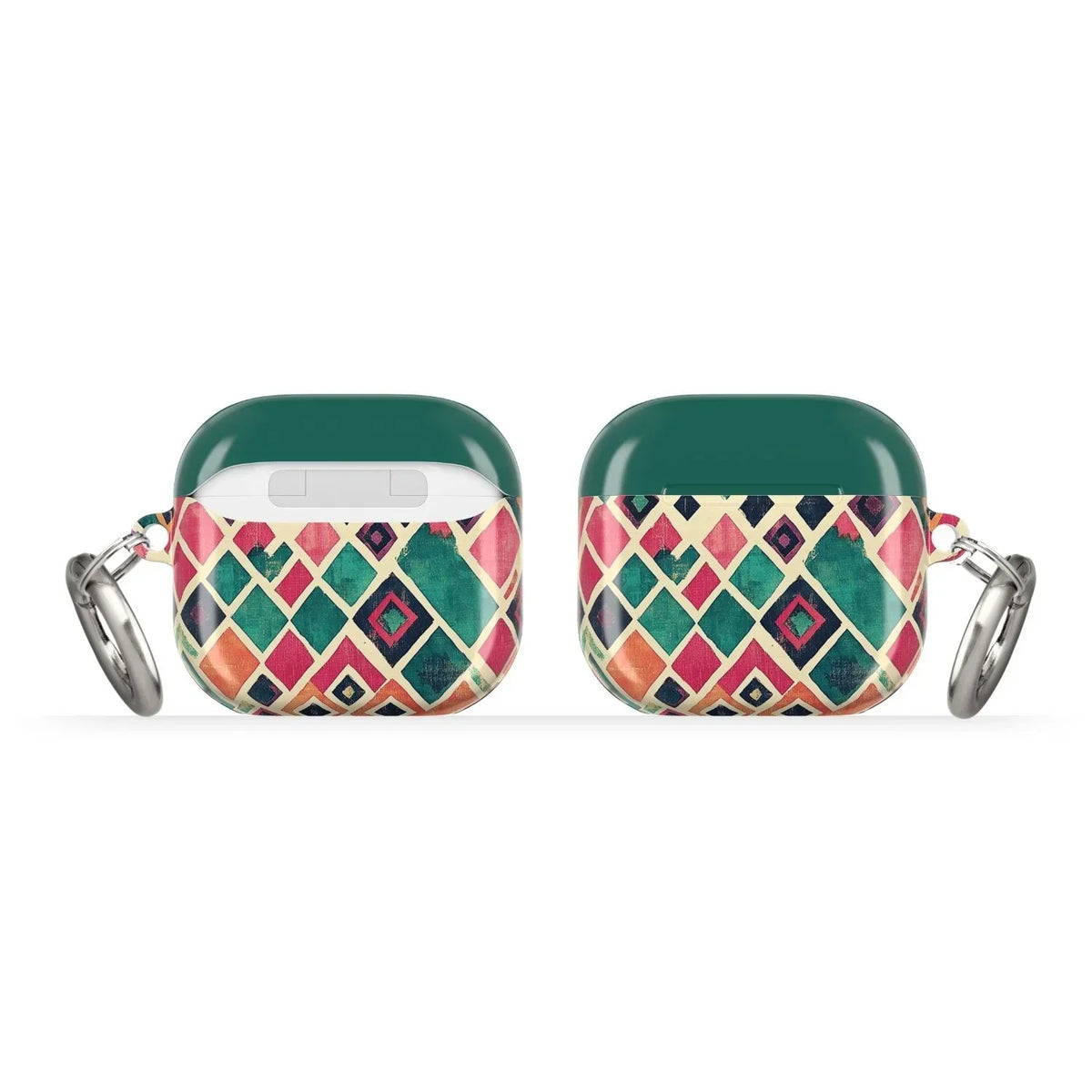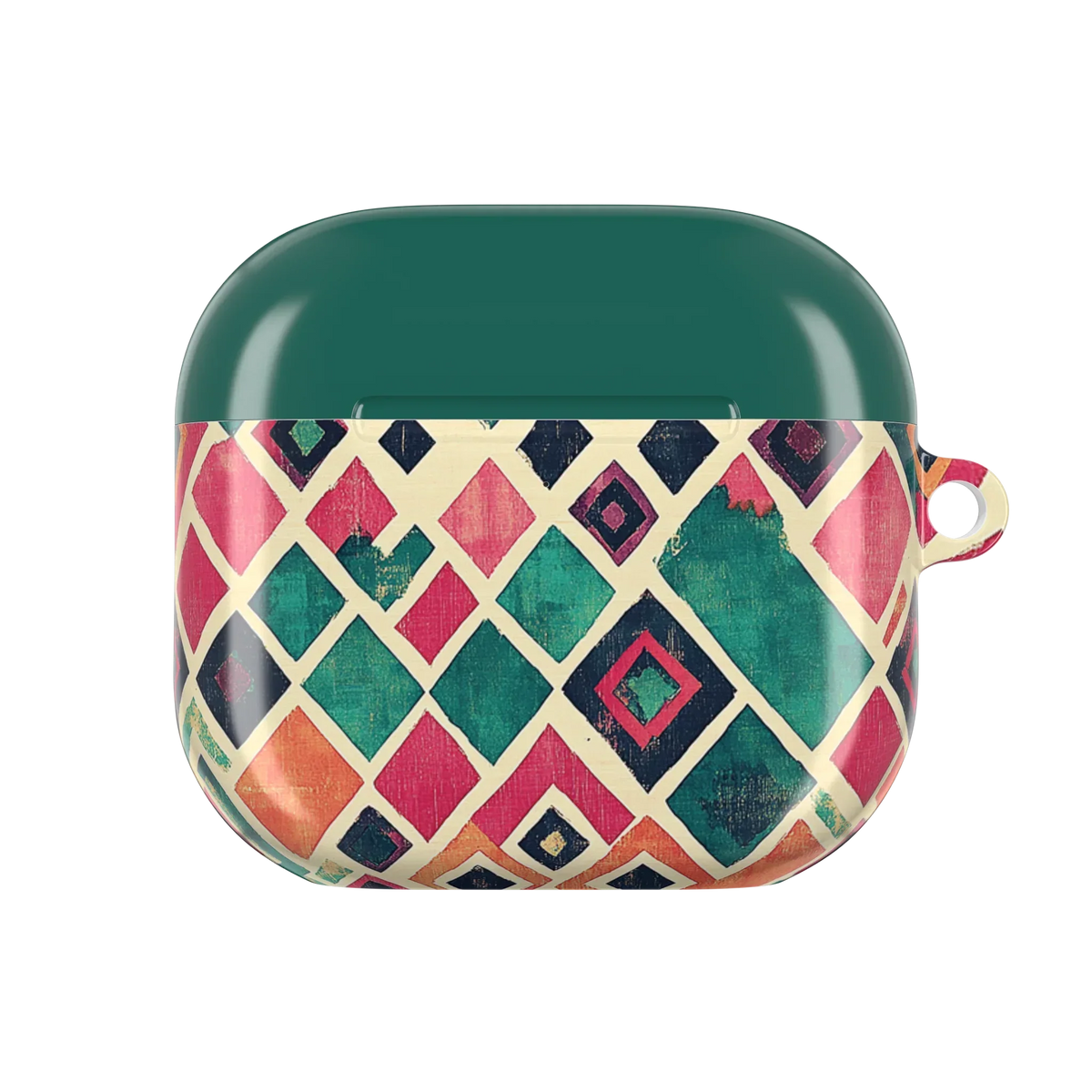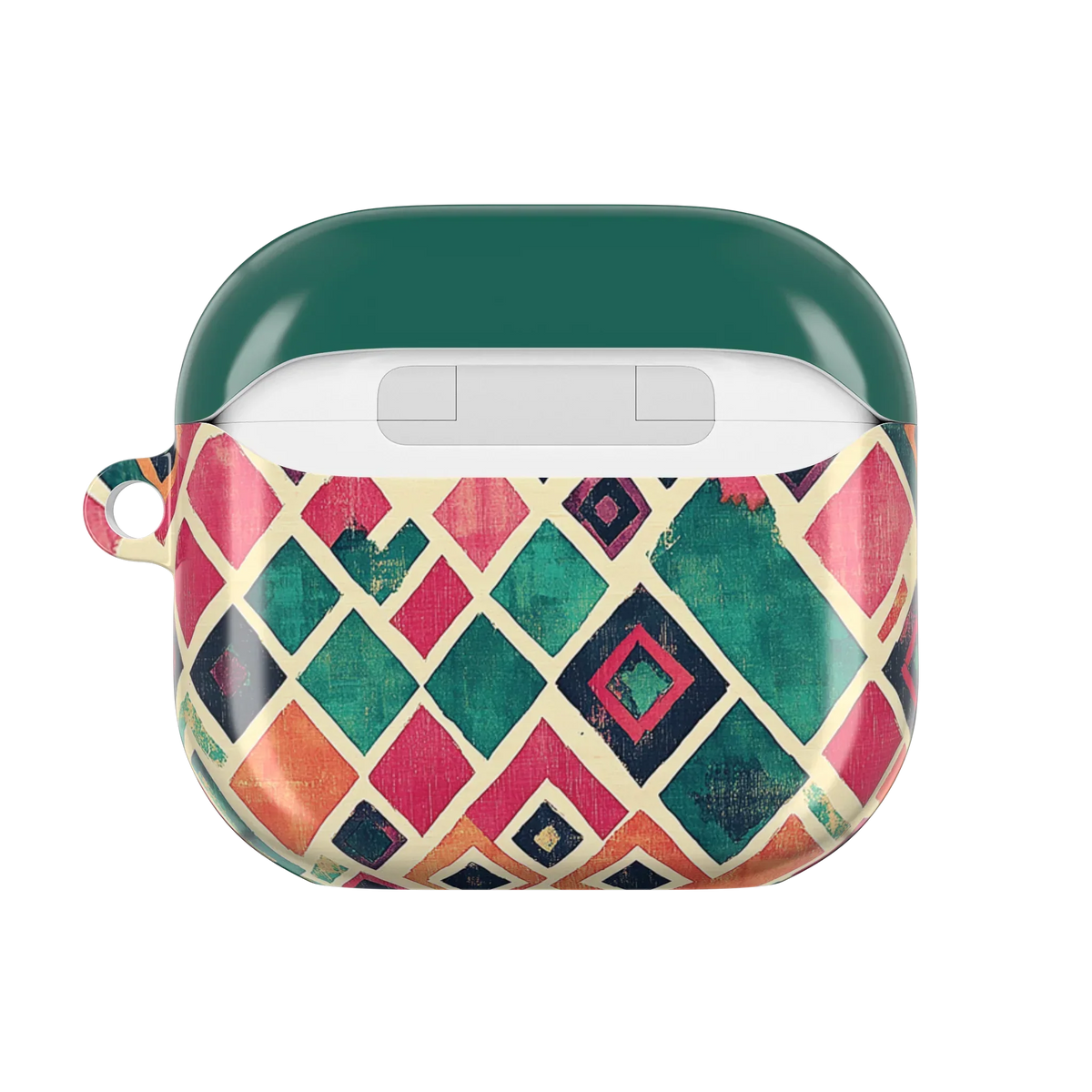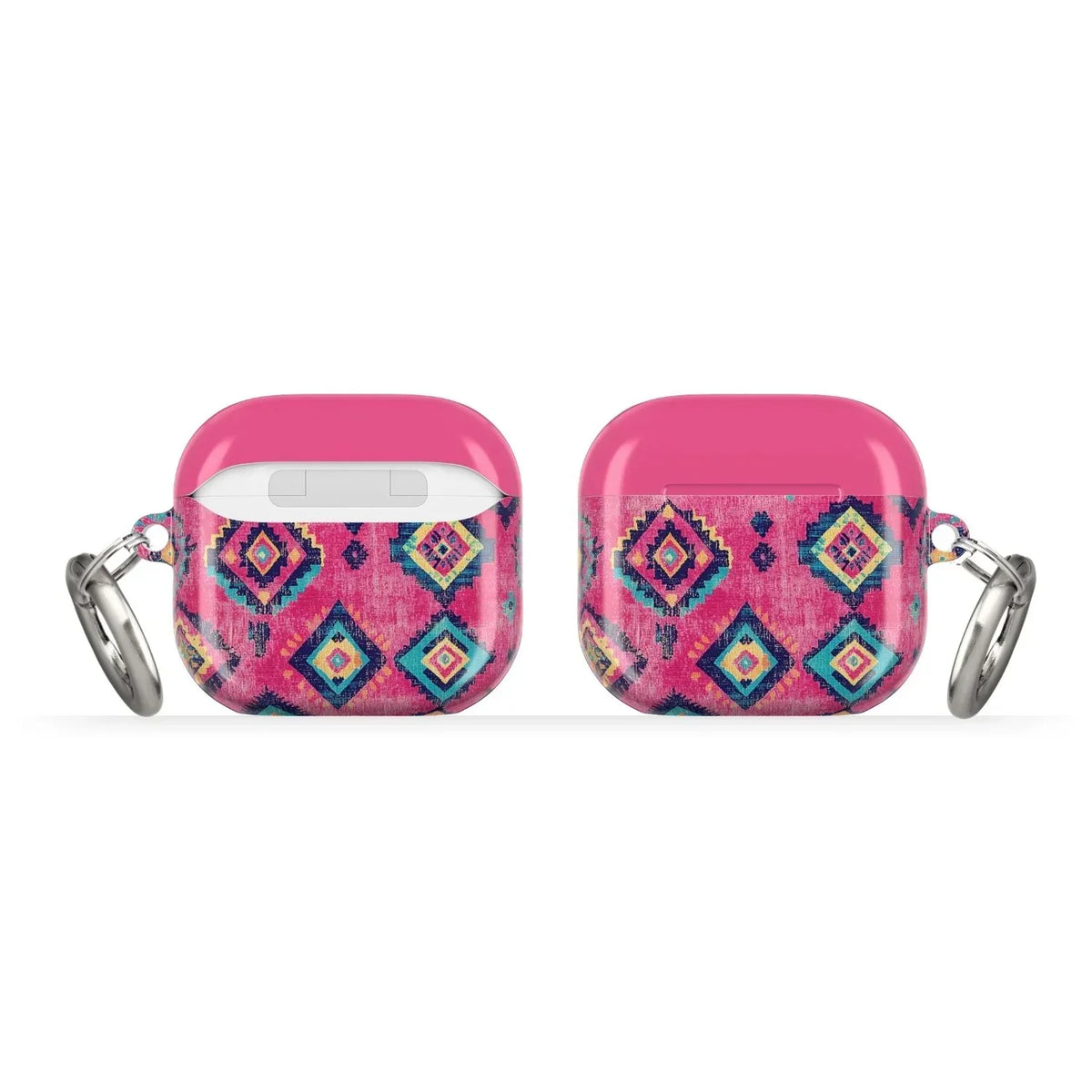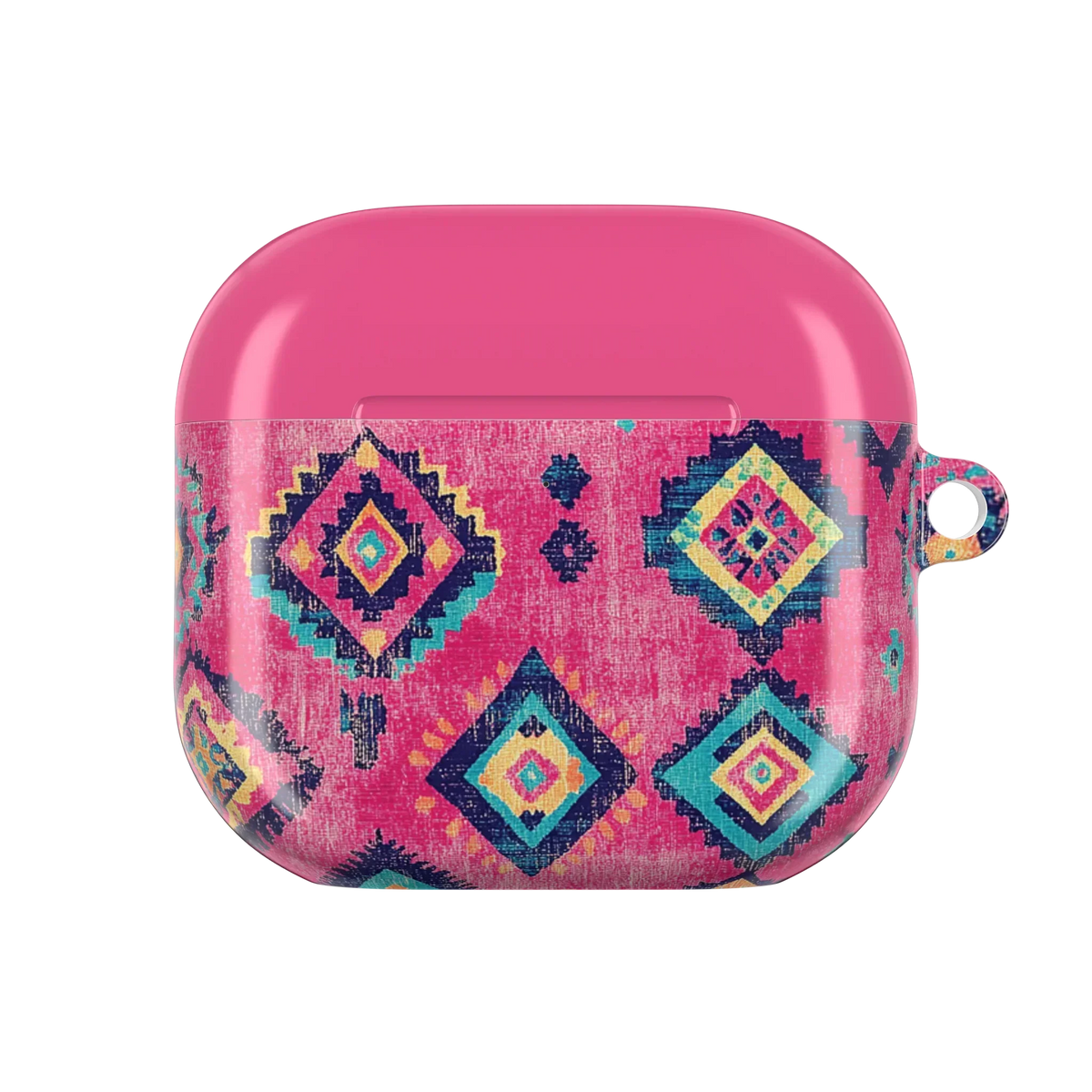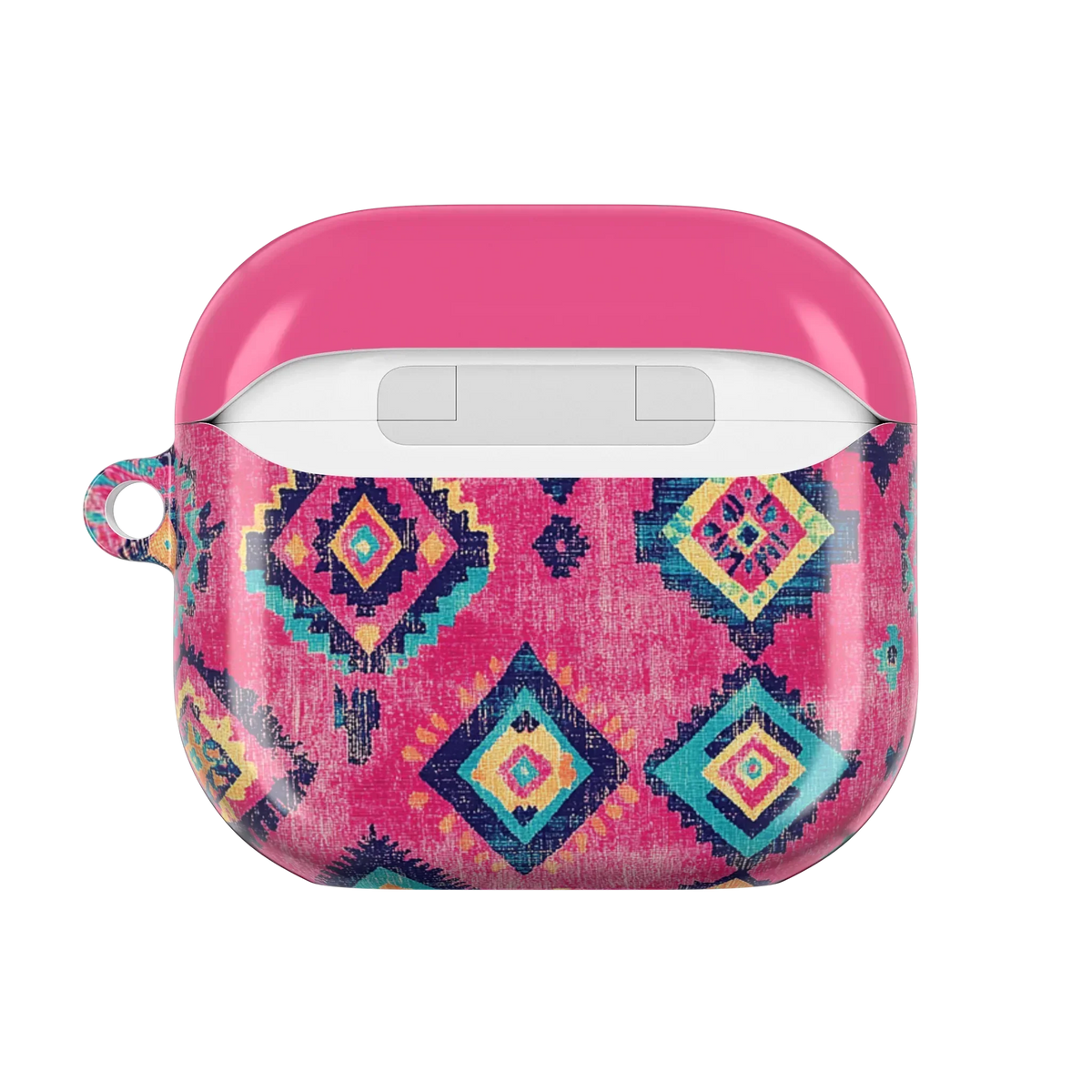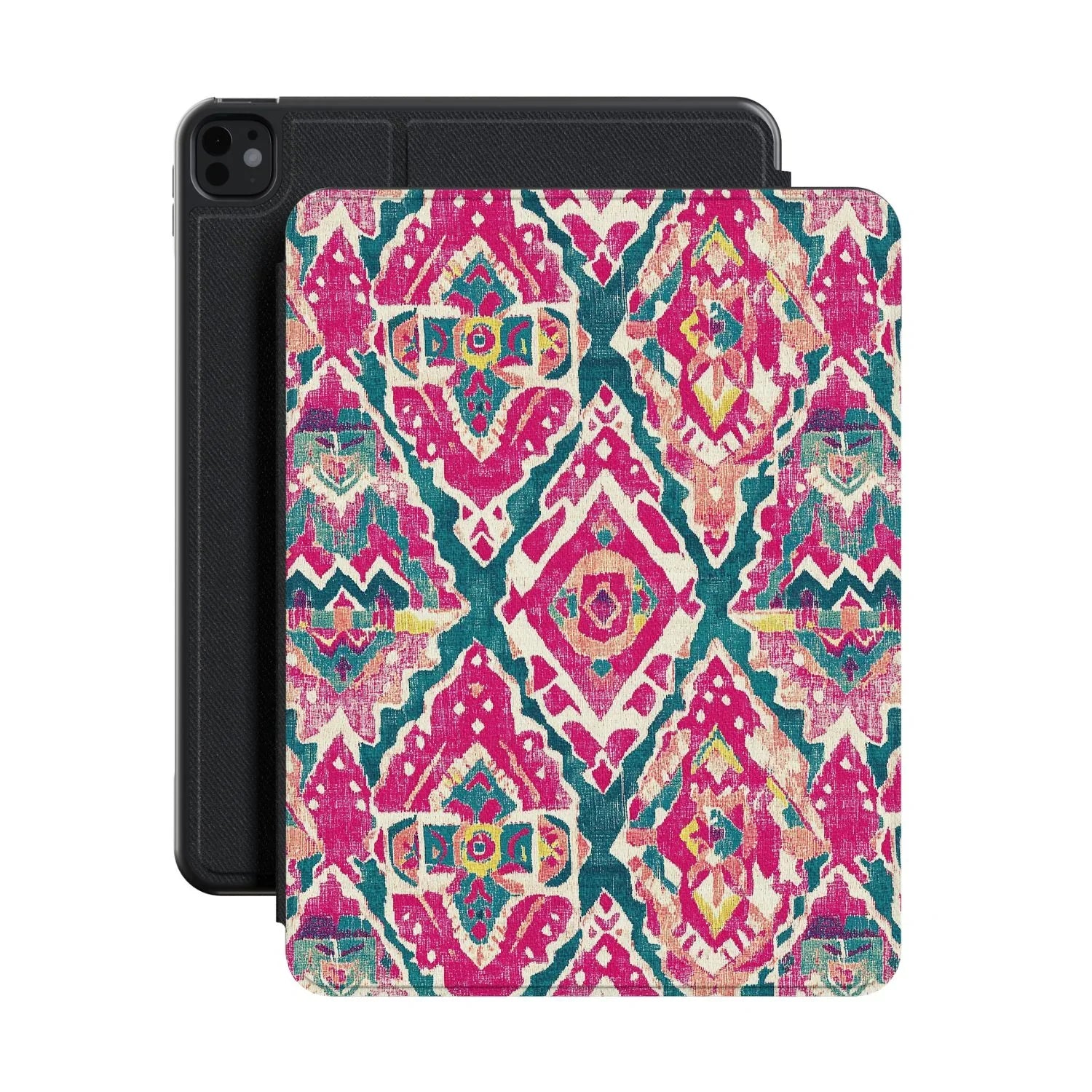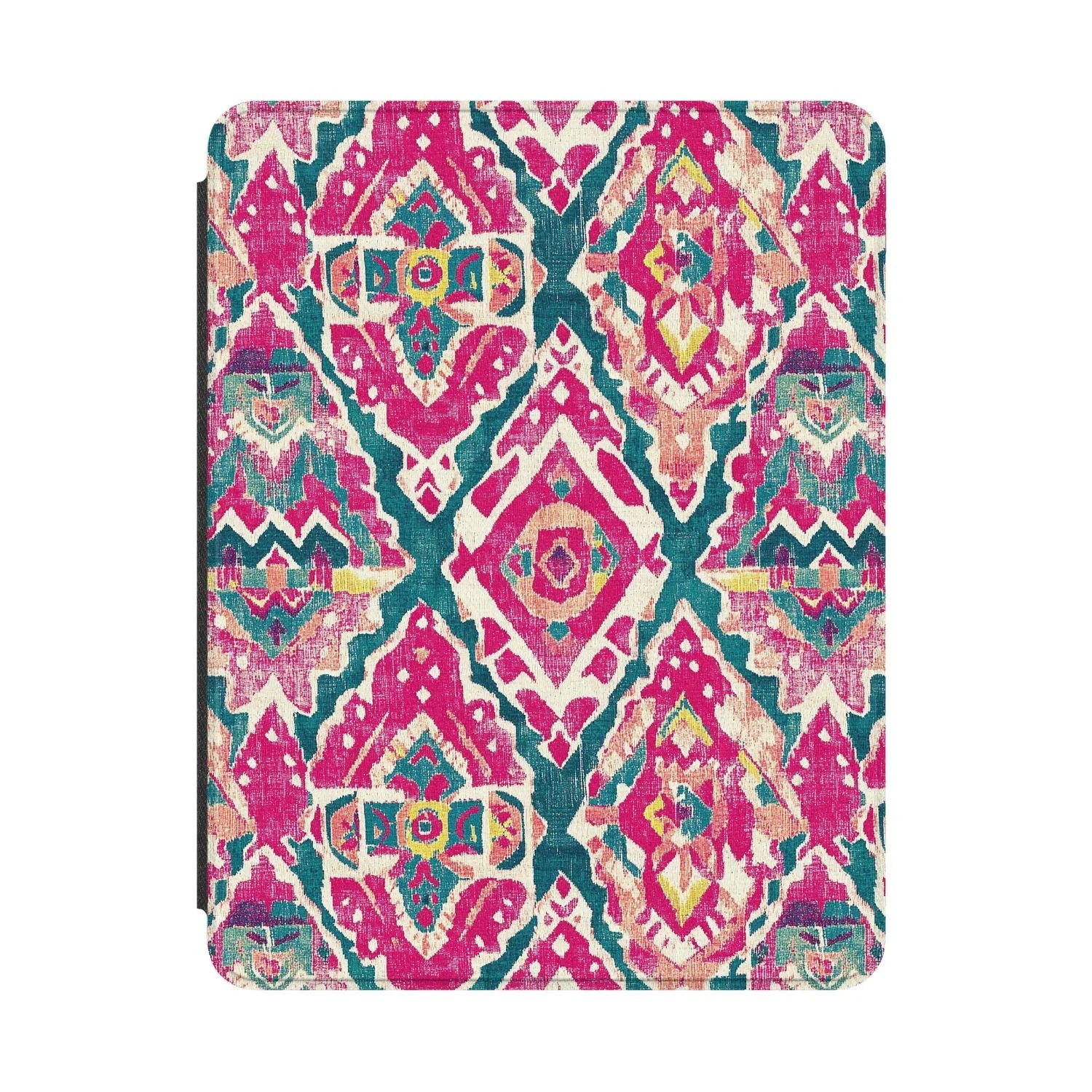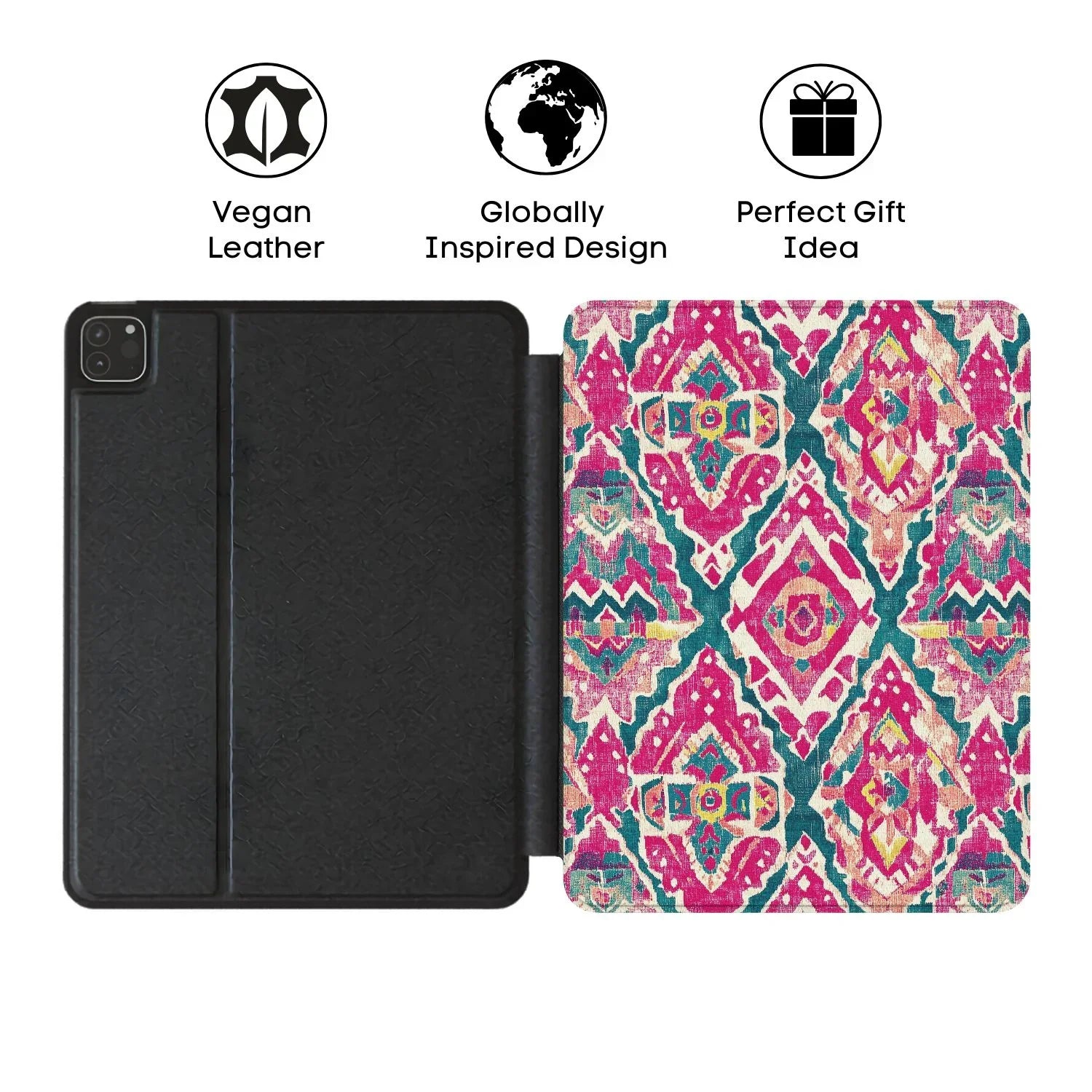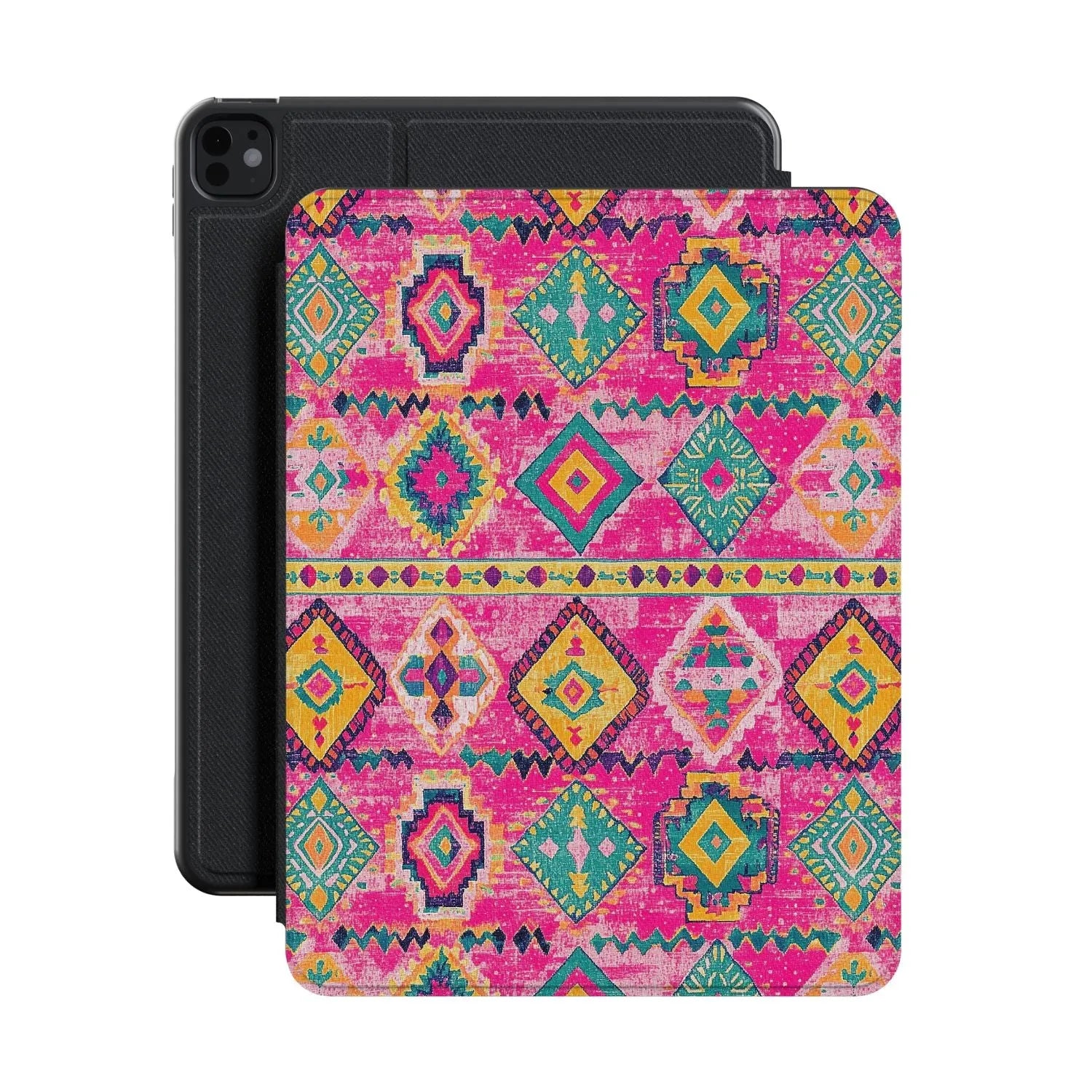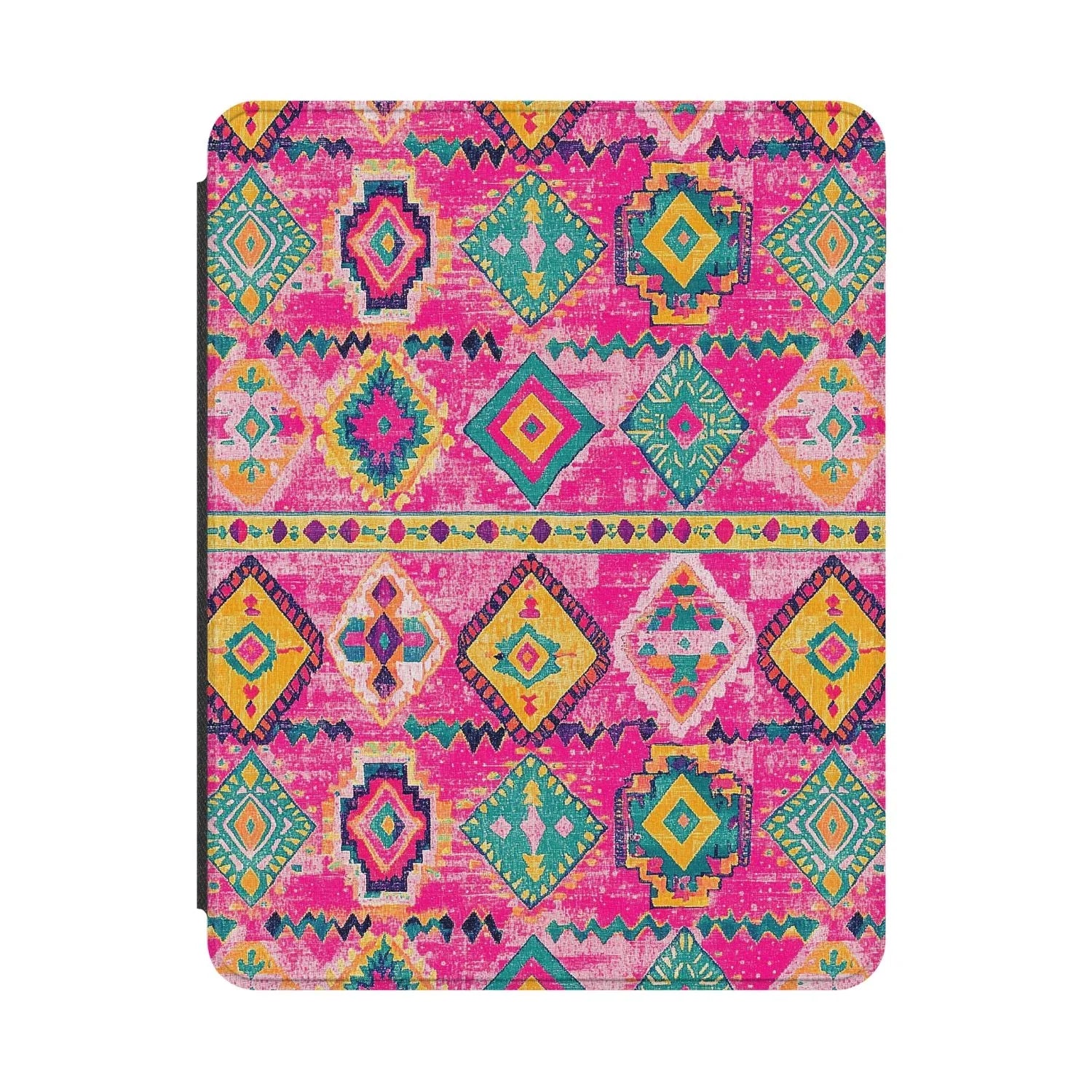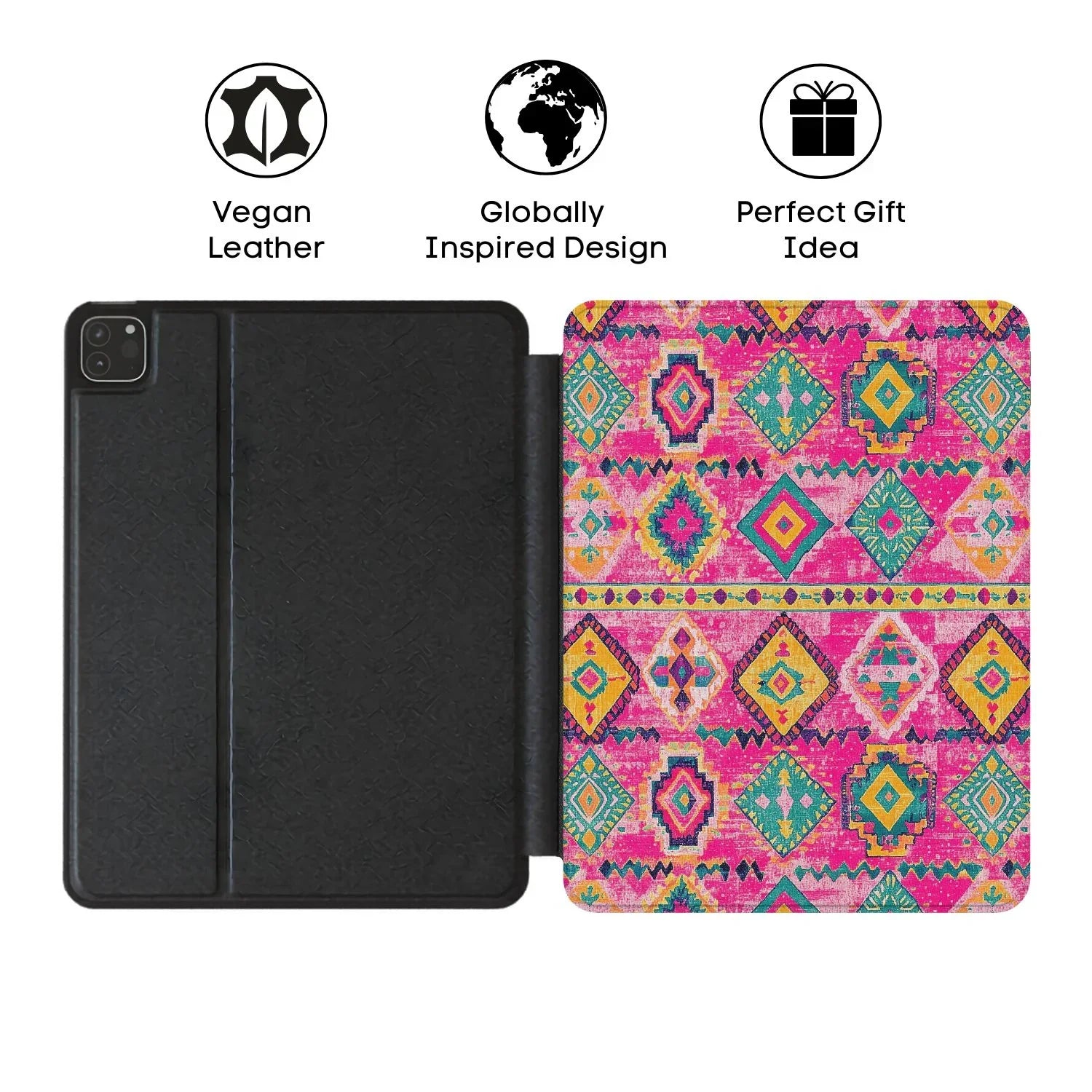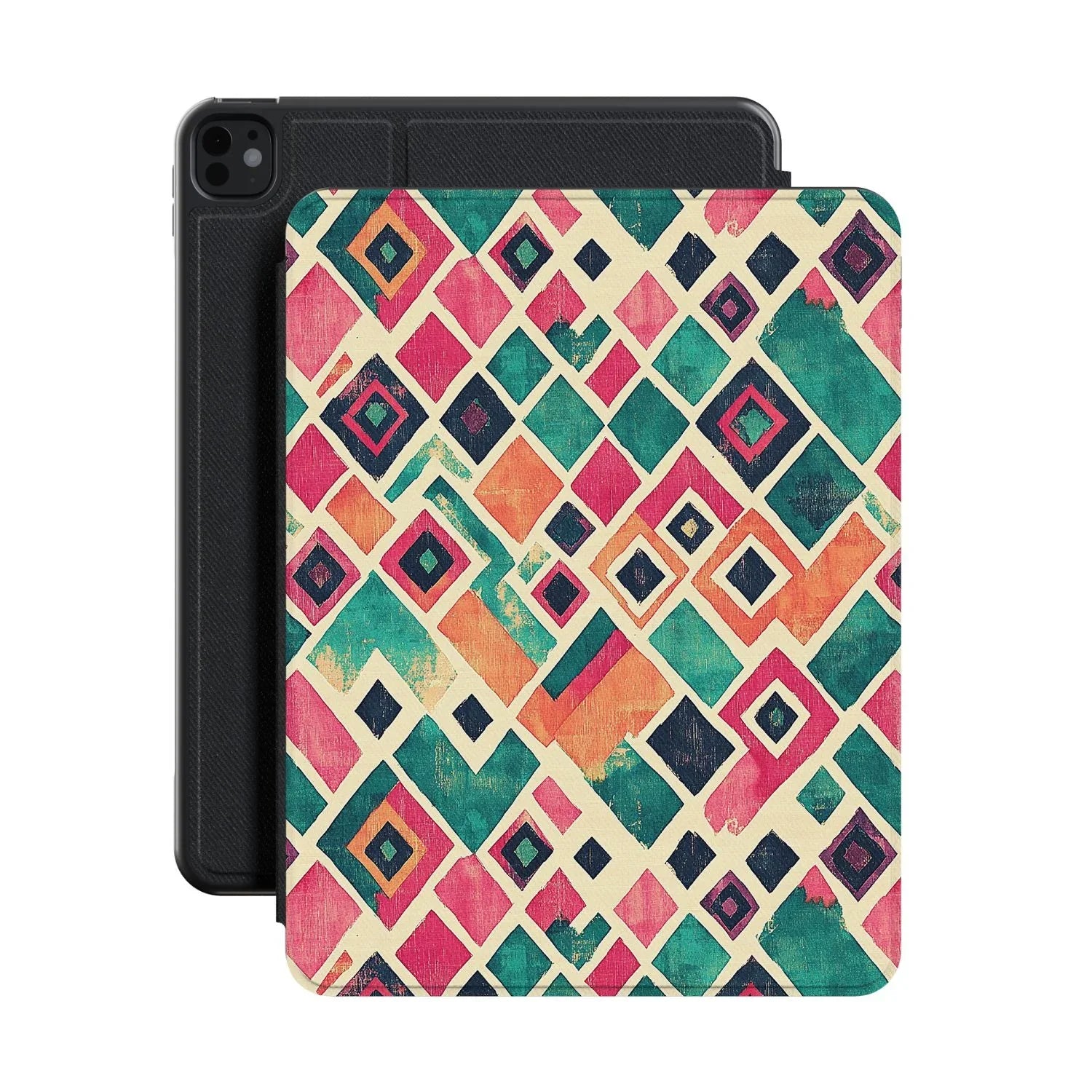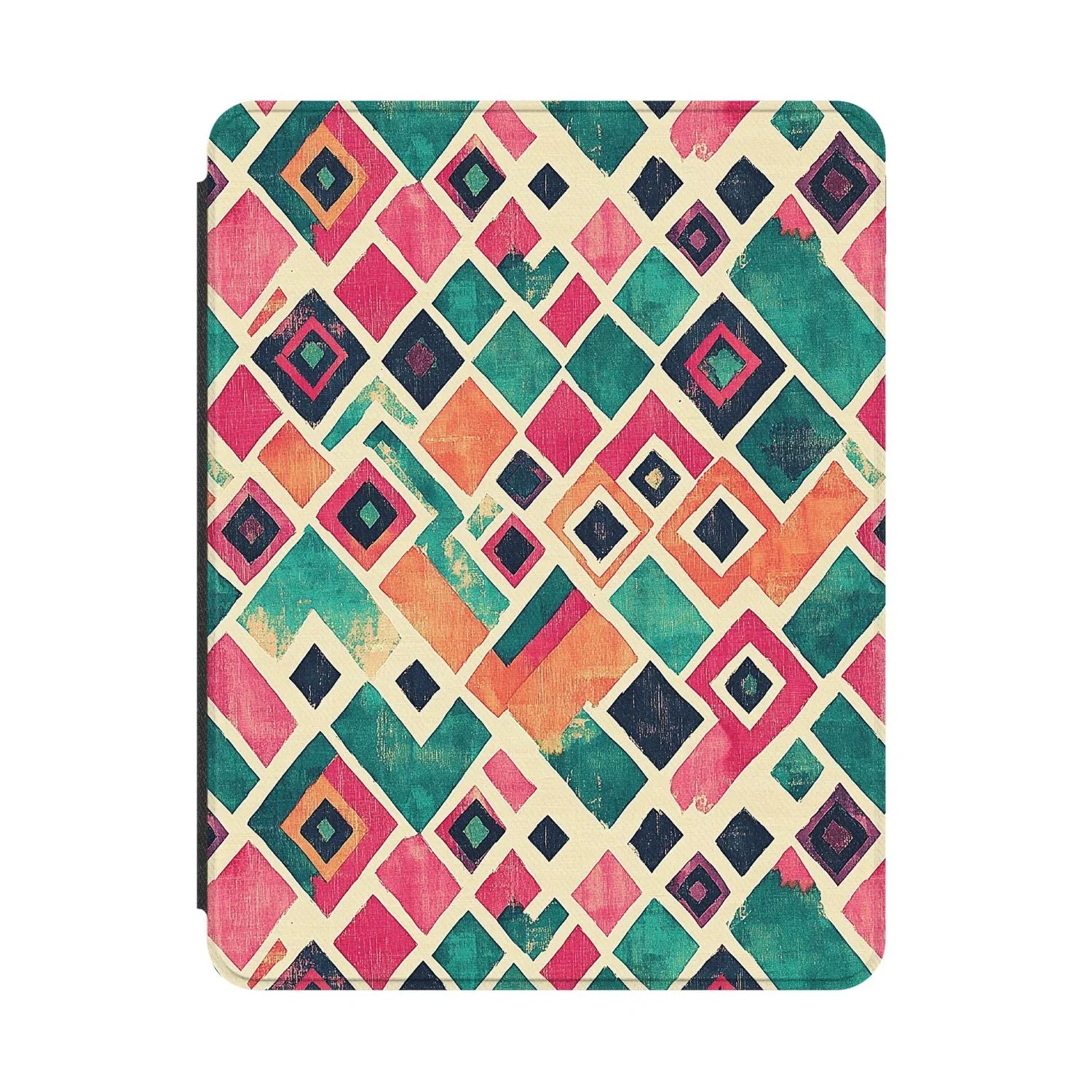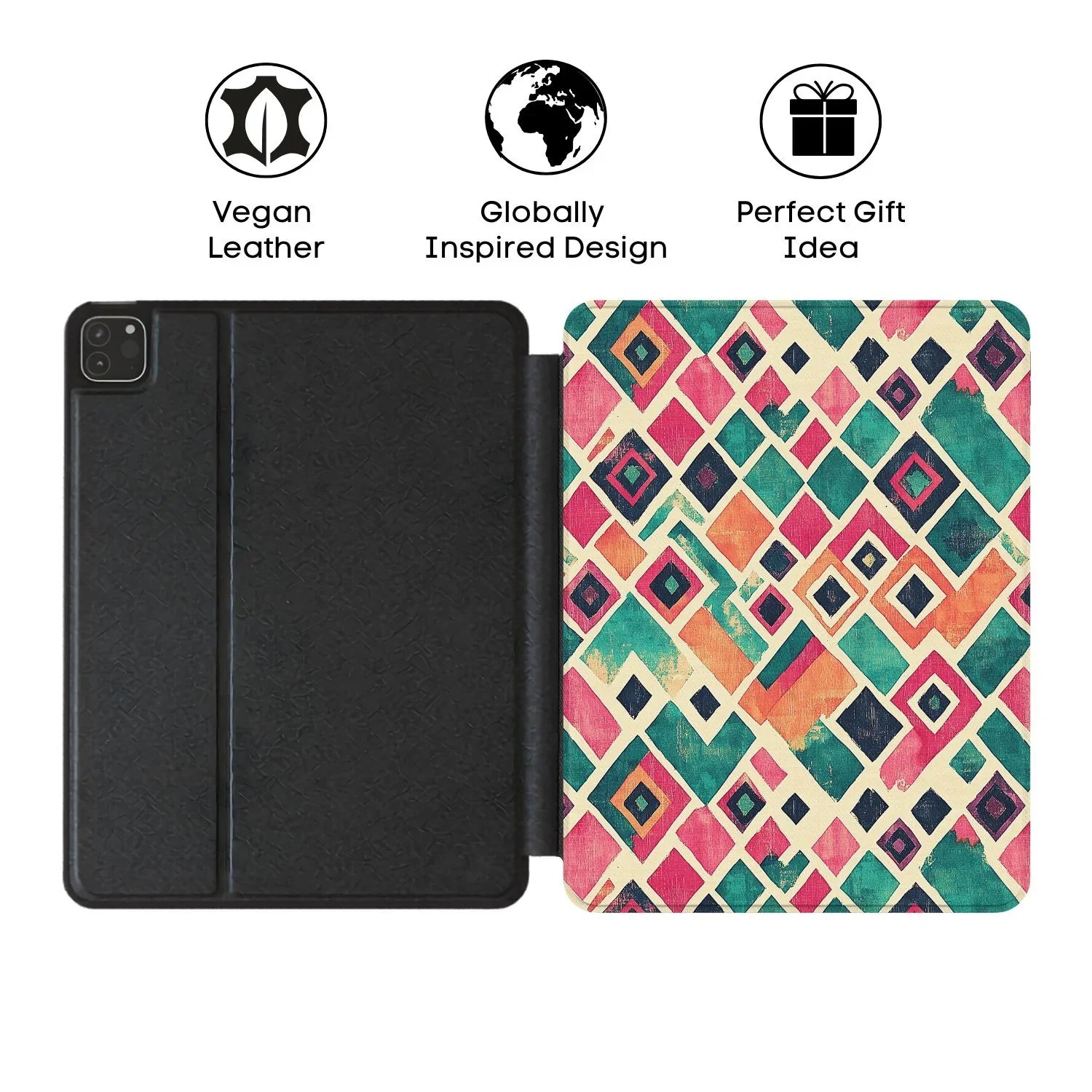



With their bold shapes, rich colors, and woven textures, Turkish kilims bring warmth and character to almost any setting. Behind each pattern is a tradition shaped by skilled hands, local customs, and the everyday lives of the people who made them.
From floor coverings and household bags to textiles displayed in museums, the Turkish Kilim has always brought practical use and creative expression together. Its diamonds, hooked shapes, and colorful borders continue to inspire contemporary interiors and everyday accessories.

Here are nine things to know about Turkish Kilim design, exploring its history, weaving techniques, natural dyes, and meaningful motifs—and how the familiar patterns of a Turkish rug find new possibilities in modern life.
1. What Is a Kilim?
A kilim is a flatwoven textile, which means it has a smooth, relatively thin surface without the raised pile found on many carpets. Its pattern takes shape as colored threads are woven together on a loom.
Although kilims are often used as rugs, the word describes a way of weaving rather than one particular size, color, or design. The same approach can be used to make smaller textiles and practical woven objects.
Many kilims feature diamonds, stepped lines, stripes, and hooked motifs. These shapes give them a clear, graphic appearance, but there is plenty of variety within that familiar look. One piece might have a few large forms surrounded by open space, while another is filled with small repeating details.

Traditional Handmade Turkish Carpet / Kilim
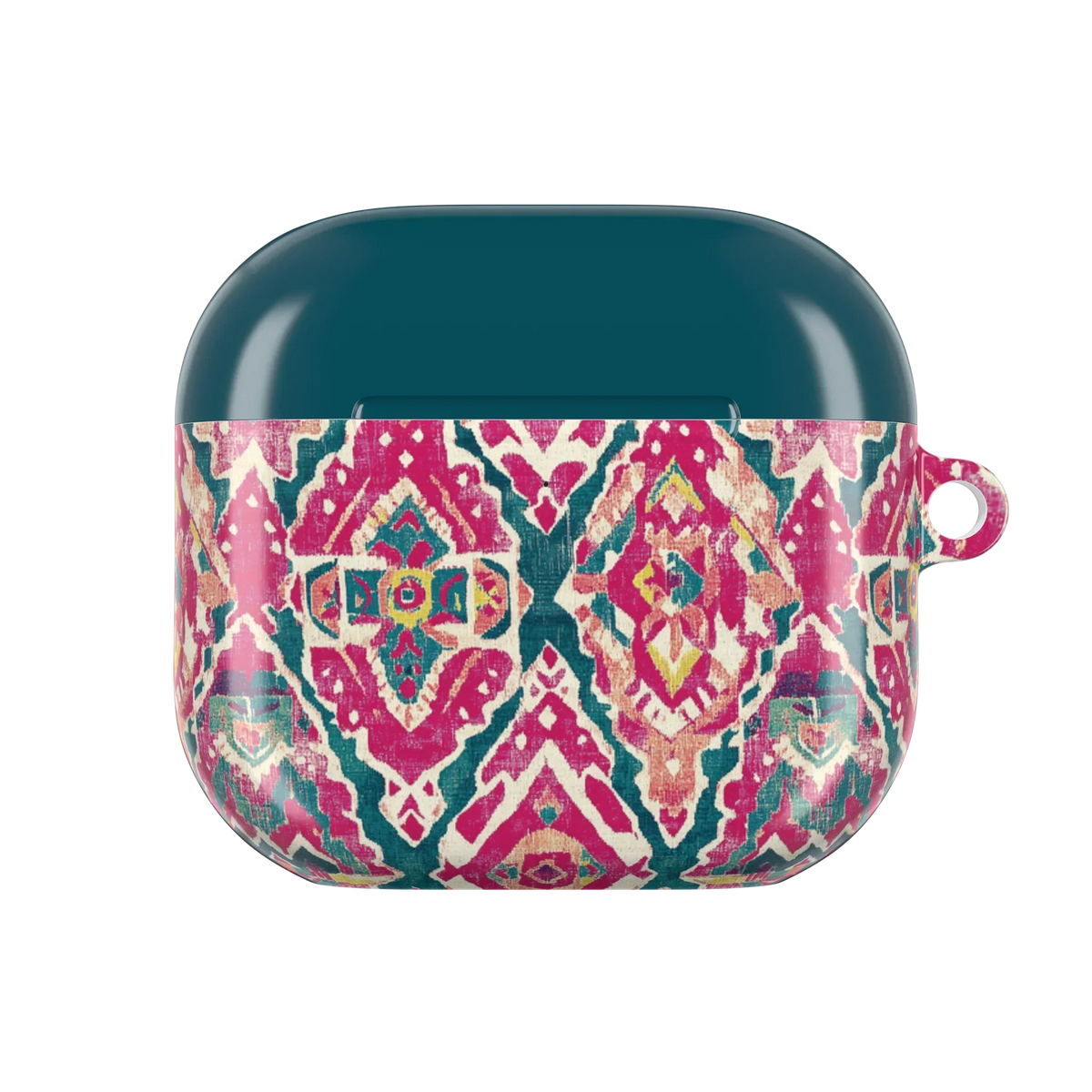
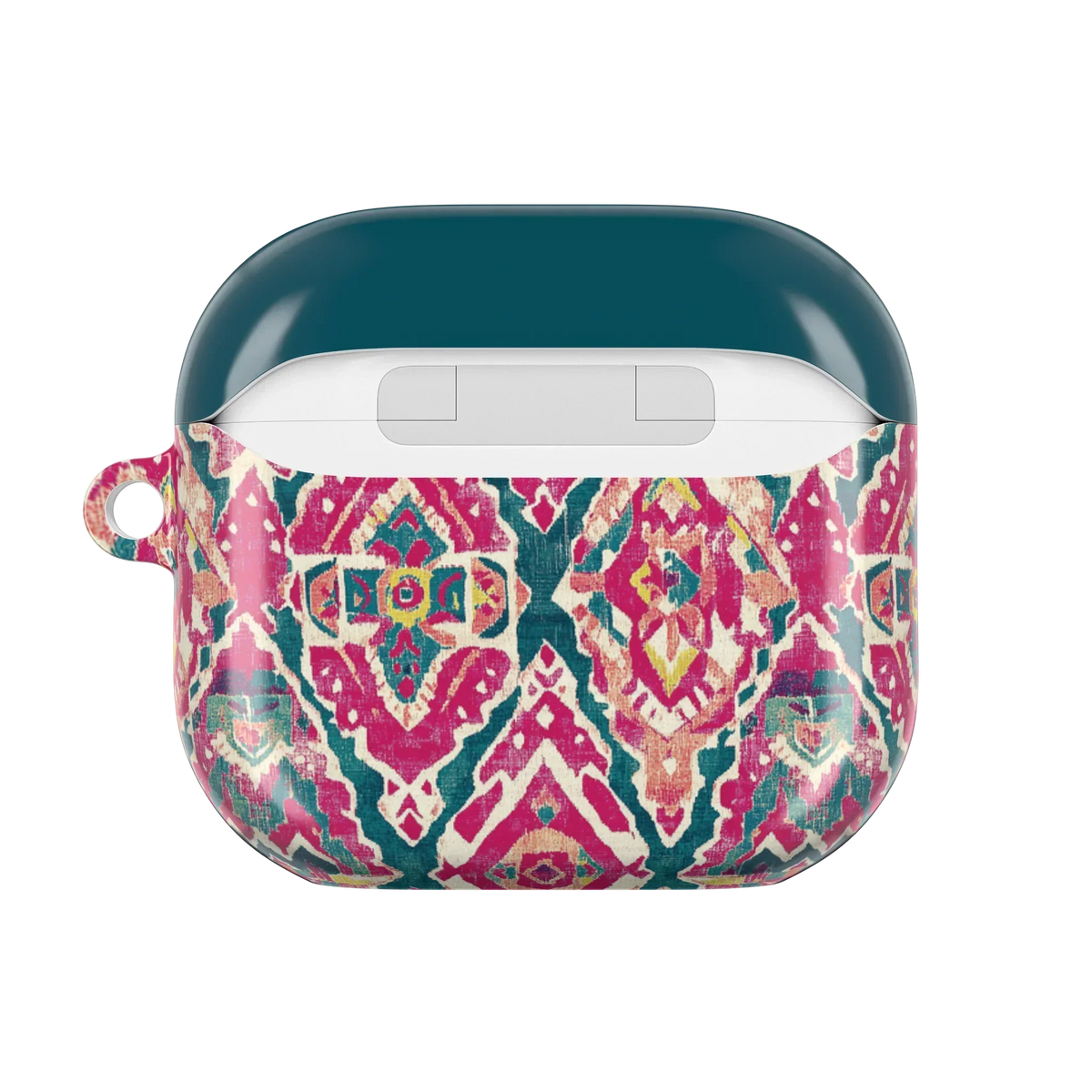
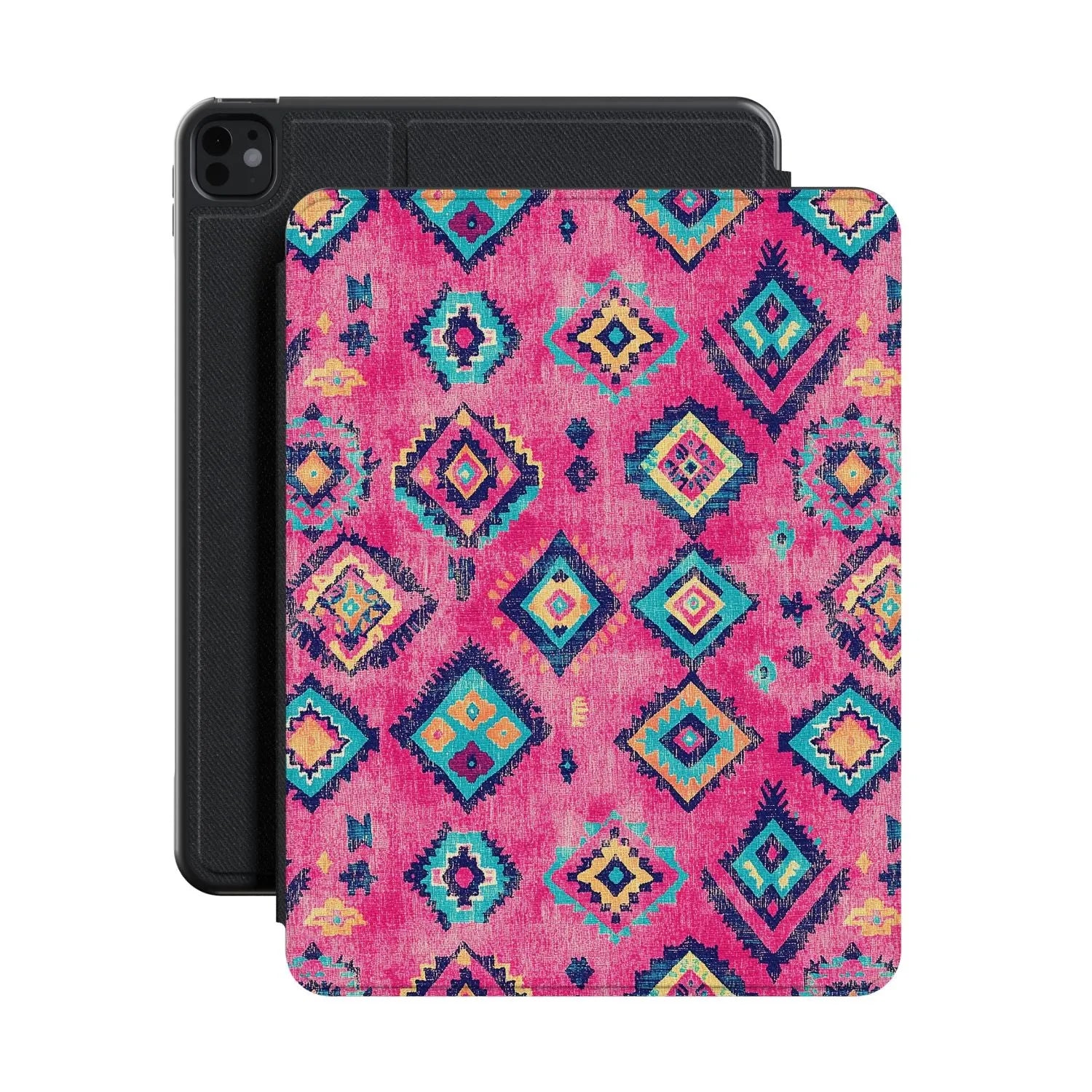
A printed accessory can borrow those shapes and colors without being a woven kilim itself. Describing it as Kilim-inspired makes that connection clear.
2. Kilim vs Carpet: What Is the Difference?
The easiest way to understand the difference is to look at the surface.
In a knotted pile carpet, extra yarn is tied around the foundation threads to create a raised layer. This gives the carpet its depth and the soft pile you feel when you run your hand across it.
 A kilim has no separate pile layer. Its color and pattern come from the woven fabric itself, giving it a flatter appearance where the shapes are especially easy to see.

The terms Turkish rug and Turkish carpet are broader and can include both flatwoven and pile pieces. So, when people compare a kilim with a carpet, they usually mean a flatwoven kilim versus a knotted pile carpet.
Both can look beautiful in a home. A pile carpet brings a fuller texture, while a kilim offers a lighter visual feel and a strong emphasis on pattern.
3. The Origins and History of Turkish Kilim
The history of Turkish kilim weaving is closely tied to Anatolia, the peninsula that makes up most of present-day Türkiye. Sitting between Asia and Europe, it became a meeting place for people, trade, and textile traditions. Turkic migrations from Central Asia form part of this story, alongside the contributions of the region’s many weaving communities.
For nomadic families, a kilim had to be useful as well as beautiful. Flatwoven textiles could be folded, carried between seasonal homes, and used to furnish tents or cover belongings. Their portability suited a way of life shaped by movement.
Women played a central role in keeping these skills alive, passing weaving knowledge and familiar patterns from one generation to the next. Some kilims were made for a bride’s dowry, bringing household needs together with personal hopes and family traditions.
 Weaver on Traditional Turkish Hand Loom
During the Ottoman period, the court came to value kilims as works of art and incorporated them into palace life. The Topkapı Palace collection is reported to include examples decorated with silk and metallic threads, showing how elaborate these textiles could become.
Pinpointing the tradition’s beginnings is harder. Few early textiles survive, and the history of individual patterns is often uncertain. Walter B. Denny’s essay on Anatolian kilims explains why exact dates and origin stories need care.
 Traditional Kilim Rugs hanging in a street market in Cappadocia
Kapetto’s overview of the Turkish kilim tradition explores the connections between migration, everyday life, and regional design. Together, these threads reveal a craft shaped by generations of makers, with room for both shared traditions and individual creativity.
4. How Kilim Rugs Are Made: Weaving Techniques, Materials, and Natural Dyes
Making a kilim brings several skills together. Preparing the fiber, choosing the colors, setting up the loom, and working the pattern all contribute to the finished textile.
Weaving the pattern
The loom holds two sets of threads. Warp threads run lengthwise under tension, while weft threads pass across them. In a typical tapestry-woven kilim, the wefts are packed closely together, covering the warp and forming the visible design.
The weaver builds each colored area as the work progresses. A diamond gradually widens and narrows, a stripe stretches across the fabric, and a border develops along the edge. The decoration grows with the textile.

One common method is slit-tapestry weaving. When a colored area ends, its weft turns back. If the neighboring color turns around a different warp thread, a small opening can remain between them. Stepped or diagonal boundaries help prevent those openings from becoming too long.
Working one color block at a time gives the weaver freedom to build crisp geometric patterns, a familiar feature of Turkish kilim design. The technique can also create floral patterns, and many slit-woven kilims display the same design on both sides, making them reversible. For a closer look at how the threads become a finished textile, explore Kilim.com’s guide to kilim weaving.
The materials
Wool is the primary material used in kilim weaving. It is durable, flexible, readily available in weaving regions, and takes dye well. Many Turkish kilims use wool for both warp and weft; others combine wool wefts with cotton warps.

Cotton is commonly used for warp threads because it is strong, widely available, and holds its shape well. It can also be spun into fine, thin yarn. Cotton’s lasting natural whiteness makes it useful for bright details woven into a mainly wool design.
Kilim.com’s introduction to kilim weaving explains these materials and their roles. Some regional flatweaves also include goat hair, while silk appears in finer, more luxurious pieces.
Natural dyes and color
The colors of a traditional Turkish kilim often begin with plants. The All About Türkiye guide to kilims highlights familiar natural dye sources:
-
Madder root for reds.
-
Indigo for blues.
-
Walnut for browns.
-
Onion skins for yellow tones.
The final shade depends on the recipe as well as the plant. Harvest season, plant maturity, water composition, and dyeing conditions can all influence the result. Mordants, substances that help certain dyes attach to fibers, can also affect the color.

Some shades come from combining dyes. Greens, for example, can be created by dyeing yarn with blue and yellow in succession. The Textile Museum’s guide to color and natural dyes offers a closer look at these possibilities.
Natural dyes can produce vivid colors as well as softer shades. Synthetic dyes later became part of many weaving traditions, so brightness alone cannot tell you how a textile was dyed.
Together, these choices give a kilim its particular combination of color, texture, and pattern.
5. Kilim Motifs and Symbols
The shapes woven into a kilim often draw on familiar things: people, animals, plants, and objects from daily life. Some carry symbolic associations, while others contribute to the overall decoration.
Several motifs appear frequently in discussions of Turkish Kilim design.
Hands on hips
Known as elibelinde, this stylized figure is commonly associated with motherhood and fertility. Its angular outline brings a suggestion of the human body into the geometric pattern.

Ram’s horn
The koçboynuzu, or ram’s-horn motif, is often linked with strength and courage. Its hooked forms can become part of a larger shape or repeat across the textile.

Eye
The göz, or eye motif, is commonly associated with protection against the evil eye. It can appear as a small geometric detail within a wider arrangement.

Tree of life
The hayat ağacı, or tree of life, connects with ideas of life, continuity, and renewal. Its branching form introduces a plant-like structure into the design.

Star — Yıldız
Known as yıldız, the star motif is often associated with happiness. Many kilim versions have eight points, with angular outlines and smaller shapes tucked into the center. Repeated across a textile, these stars bring rhythm and balance to the pattern.

Fertility — Bereket
The bereket motif is associated with fertility and abundance. One familiar form combines hands-on-hips and ram’s-horn motifs, bringing female and male symbols together. An eye motif may appear at the center, expressing a wish to protect the family against the evil eye.

Birds
Bird motifs have several interpretations. Depending on the context, they may suggest happiness, messages, or spiritual associations.

These meanings are useful starting points, but they are not fixed rules for every textile. A motif may have different associations in another community, or a more personal meaning for its maker. For an easy-to-explore overview, Kilim.com’s guide to kilim motifs and symbols introduces common shapes, their traditional associations, and the variations found across Anatolian weaving.
The way the motifs are arranged matters, too. A small shape repeated along a border creates a different effect from the same shape placed prominently in the center.
6. Regional Variations in Turkish Kilim Design
Across Türkiye, kilim designs vary in color, pattern, and texture. Some feature bold geometric shapes and strong contrasts, while others use softer shades, smaller motifs, or more textured surfaces.
In Balıkesir, decorative weaving can give textiles raised details that look embroidered. Fethiye kilims include examples with soft, gentle colors, while some Malatya pieces stand out for their long, narrow proportions.

These differences reflect local materials, shared traditions, and the communities behind the craft. Colors and motifs often overlap between regions, with weavers giving familiar designs their own character.

This variety is part of the appeal of Turkish kilim design. The broad term Turkish tribal rug can cover many different looks, each reflecting a weaving tradition and the choices of its maker.
7. Kilims in Museums and Exhibitions
Museum collections offer a chance to see kilims beyond their role as home furnishings. Viewed together, they reveal differences in scale, technique, and composition that are easy to miss when looking at a single rug.
The George Washington University Museum and The Textile Museum in Washington, D.C. holds the Murad Megalli collection of Anatolian kilims, including eighteenth- and nineteenth-century examples. Its 2018 exhibition A Nomad’s Art: Kilims of Anatolia explored both their connection with nomadic life and their striking qualities as abstract art.
 Kilim, 18th century. Anatolia, central. The George Washington University Museum
 Kilim, 18th century-19th century. Anatolia, central, Karapinar. The George Washington University Museum
The Metropolitan Museum of Art in New York holds Anatolian kilims, carpets, and woven bags that reflect the variety of Türkiye’s weaving traditions. Together, they show how pattern and skilled craftsmanship brought beauty to everyday life, from furnishing a home to carrying belongings. Its online collection lets you take a closer look at the details.
 Carpet (Kilim), 19th century. Turkey. Collection of The Metropolitan Museum of Art.
The Cleveland Museum of Art in Ohio includes Anatolian weaving within its wider textile collection, offering a glimpse into the colors, patterns, and craftsmanship behind the Turkish kilim. Exploring these textiles is a lovely way to appreciate how practical household pieces also became expressions of creativity and local tradition.

Carpet (Kilim), late 19th-early 20th century. Turkey, Anatolia. The Cleveland Museum of Art
These are collections and past exhibitions, rather than a list of displays currently on view. Individual textiles may be rotated or kept in storage.
Online collection images are also worth exploring. Comparing two pieces can reveal how differently weavers used borders, open space, and color to organize a design.
8. Kilim Versatility and Contemporary Relevance
Kilims have always had a practical side. They served as floor coverings and furnishings, while related flatweaves became bags and covers used around homes and during travel.
That versatility still makes them easy to imagine in modern spaces. A Turkish rug can add warmth to a quiet room, introduce color to a hallway, or become the starting point for the rest of the décor.
On floors
A kilim can help define a seating area, soften the space beside a bed, or bring pattern to a narrow corridor. A suitable rug pad helps keep a lightweight piece in position.

The effect depends on the scale of the design. Large motifs can feel bold and spacious, while a smaller repeat adds detail without creating one strong focal point.
On walls and furnishings
Displayed on a wall, a kilim can be appreciated as a complete composition. Its borders, color changes, and central motifs become easier to see when furniture is not covering them.
Purpose-made kilim cushions or upholstery offer a smaller way to introduce woven texture. Delicate antique pieces are better suited to careful display than heavy everyday use.

In contemporary interiors
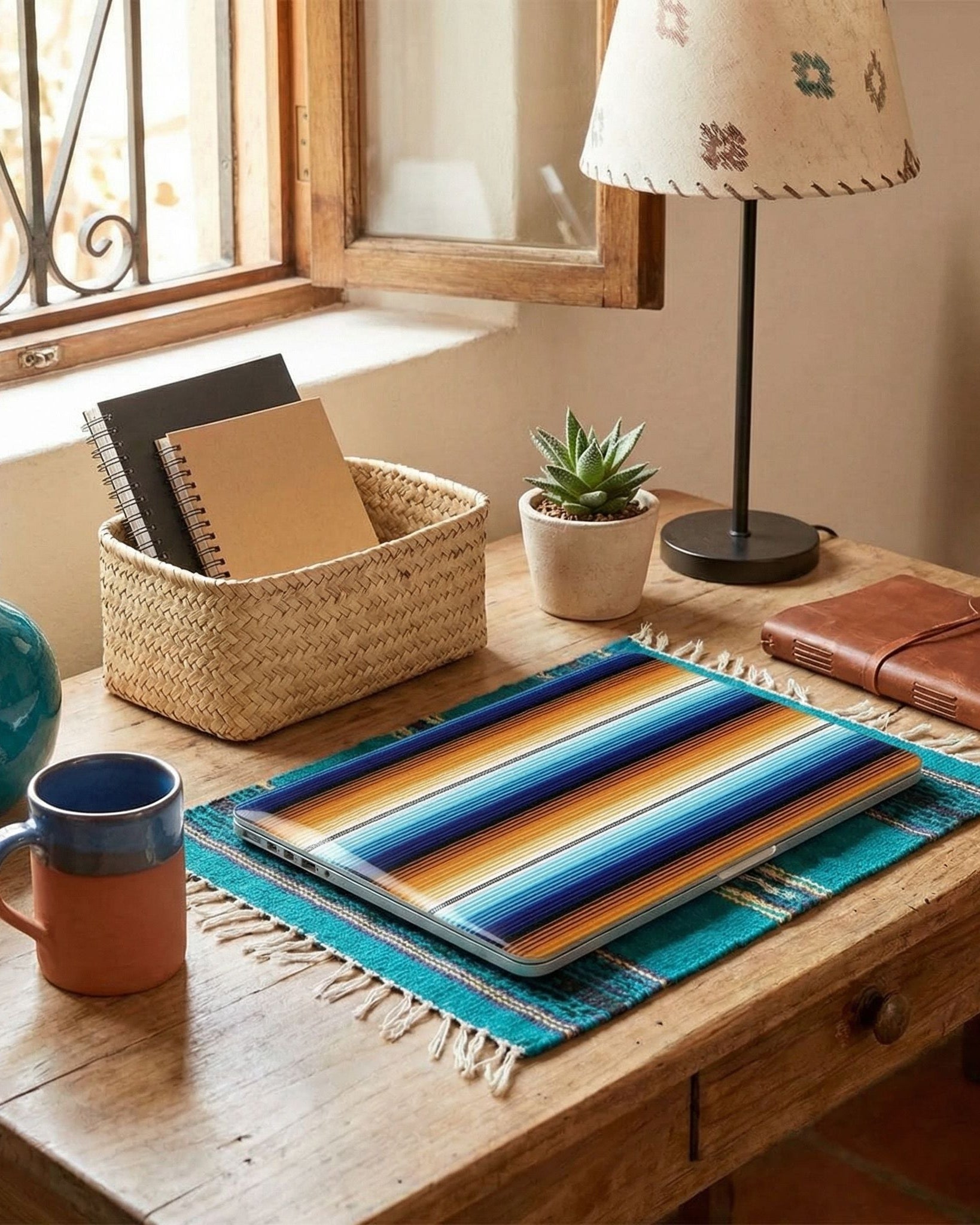
Kilim patterns work comfortably alongside simple furniture, warm wood, and plain fabrics. Repeating one color from the textile elsewhere in the room can help connect the different elements.

A little pink in a cushion, a blue vase, or an earthy lampshade may be enough. The pattern can bring the personality, while the surrounding space keeps the room feeling calm.
9. How Turkish Kilim Design Works in Everyday Products
Kilim patterns adapt well to everyday objects because their shapes are clear and their compositions can work at different scales. A row of small diamonds creates detail, while one enlarged motif makes a bolder impression.
Color changes the feeling of the design just as much. Rust, indigo, and cream can look warm and grounded. Pink, coral, and turquoise bring a brighter mood, while generous areas of a pale background can make a busy pattern feel more spacious.
 Ankara Sunset Kilim Laptop Case
On Turkish Kilim iPhone cases, a compact repeat can keep the design visible around the camera opening and edges. Turkish Kilim laptop cases provide a broader surface for larger arrangements, and Turkish Kilim desk mats can bring those colors into a workspace.
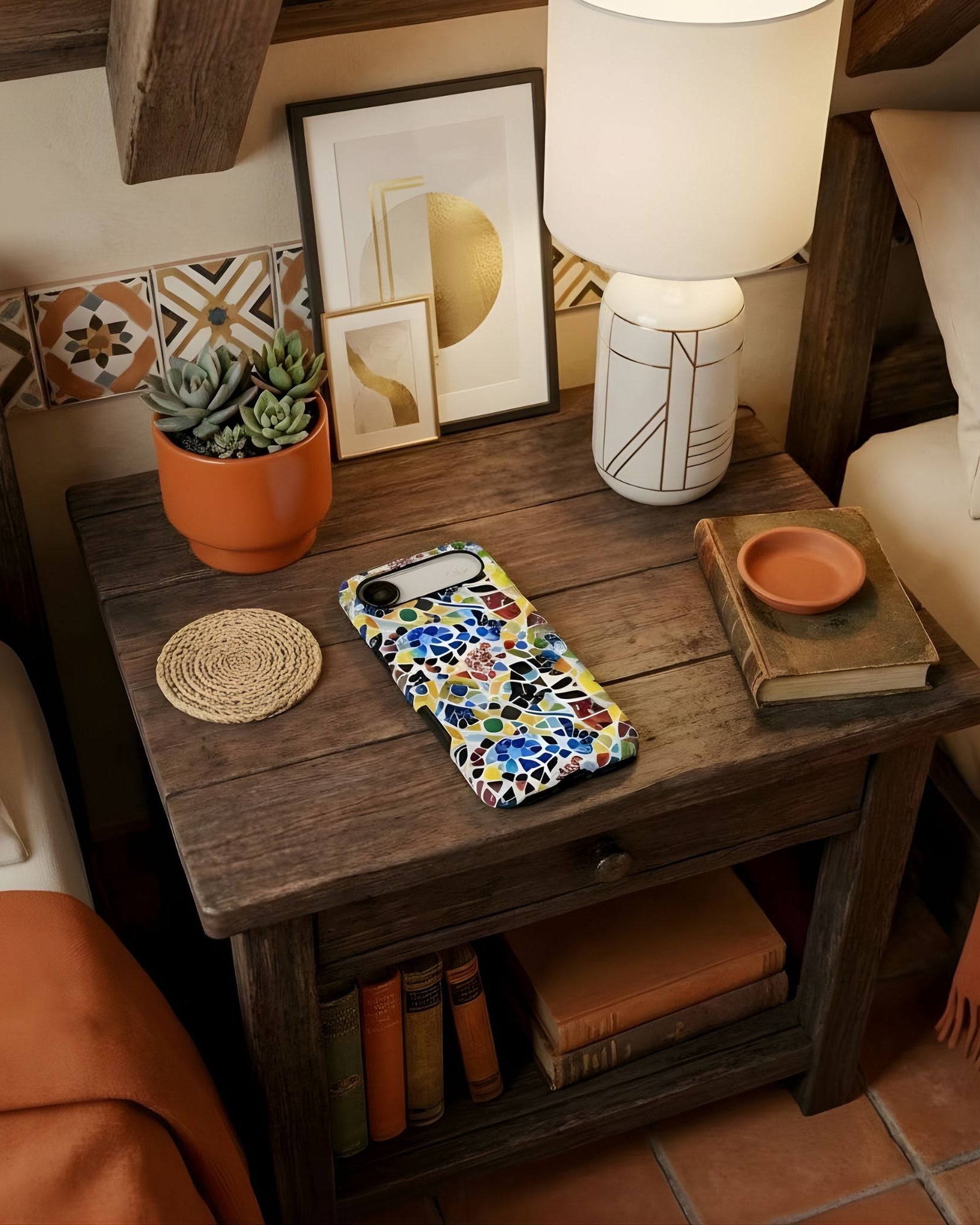
 Izmir Mosaic Kilim Samsung Case
Other shapes offer different possibilities. A mug allows a pattern to continue around its curved surface. A tote or pouch can place a large motif at the center, with smaller details filling the surrounding space.

These adaptations show how traditional Kilim design can inspire contemporary accessories while keeping a recognizable connection with its woven origins.
For anyone looking for Turkish gifts inspired by cultural design, The Global Wanderer’s collection explores that connection through modern pink tones and practical everyday pieces. You can Shop Turkish Kilim gifts inspired by traditional Kilim design to see how the patterns have been reinterpreted.
Closing Thoughts
The colors may be what first draw you to a Turkish Kilim, but the craft gives it lasting interest. Every change of thread and arrangement of shapes reflects decisions made at the loom, within a tradition that leaves room for many different styles.
From the flatwoven surface of a Turkish rug to the motifs that inspire modern accessories, there is plenty to enjoy at every scale. A quiet border, a bold diamond, or an unexpected color pairing can be enough to make you look twice.
And that is part of the appeal: a practical object can bring beauty into an ordinary day, while offering a small connection to the people and traditions behind its design.