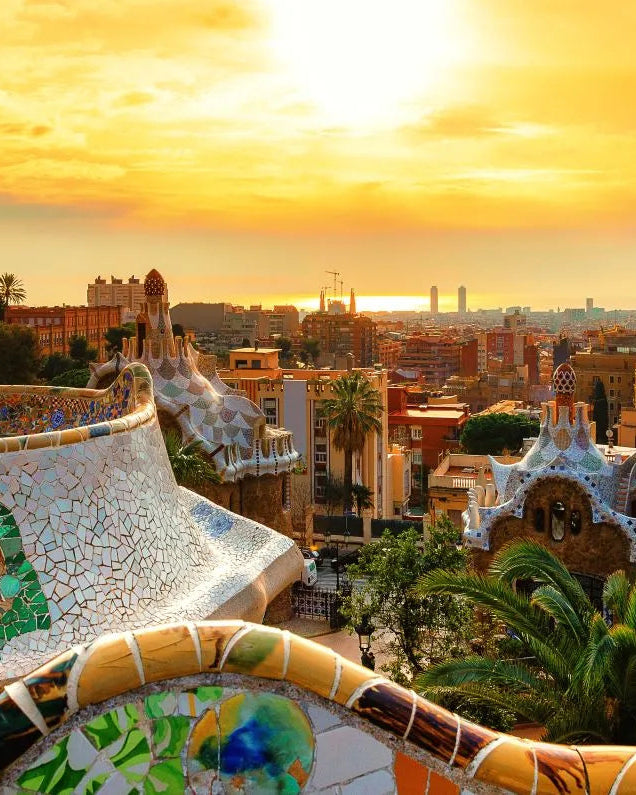


If you’ve ever walked through Barcelona and felt like the buildings were dancing in color, you’re not imagining things. Catalan Modernism turned architecture into art, and mosaics were the sparkly, playful soul of it all. At the heart of this movement was none other than Antoni Gaudí, a true icon of modernism art, who covered walls, benches, ceilings—you name it—in broken tiles, glass, and ceramics. From Park Güell's rainbow dragon to Casa Batlló's shimmering facade, mosaic art became a whole new language.
 Image: Colorful mosaic wall at Parc Güell
Let’s dive into the colorful world of modernist mosaics, one shiny shard at a time.
1. What Is Catalan Modernism, Anyway?
Catalan Modernism (or Modernisme) was Barcelona’s version of Art Nouveau. Between the 1880s and early 1900s, artists and architects across Catalonia went wild mixing nature, fantasy, and tradition into their work. Think swirling ironwork, colorful ceramics, stained glass, and flowing shapes inspired by the sea and sky. It was a distinct blend of modernism art and local Catalan traditions.
Mosaics became a key feature of this style. Builders used them not just to decorate buildings, but to tell stories and create emotion. A wall wasn’t just a wall—it was a canvas. And these canvases became signature landmarks of what many now admire as Barcelona mosaics.
 Image: Colorful mosaic roof at Parc Güell
Catalan Modernism was also deeply tied to identity. Artists were pushing back against industrial grayness, seeking beauty in craft and culture. Mosaics—especially tile mosaics—were a way to express Catalonia's voice in a rapidly modernizing world.
2. Meet the Mosaic Mastermind: Antoni Gaudí
You can't talk about Gaudí artwork without mentioning mosaics. He made them iconic. But he wasn’t just gluing pretty tiles to walls. He was breaking them on purpose to create something totally new. His technique, called trencadís, used broken bits of ceramic, glass, and tile to make wild, colorful designs.
Gaudí didn’t view mosaics as an afterthought. For him, they were part of the architecture’s soul. He believed buildings should imitate nature, and mosaic art gave him the freedom to create organic textures and patterns that changed with the light.
One of the best spots to see this? Head to Park Güell and sit on the curving bench covered in a rainbow of mosaic pieces. Or visit Casa Batlló, where the rooftop looks like a dragon made of tile. These aren't just homes and parks—they're living exhibitions of tile mosaics and imagination.
 Image: Tourist in a colorful mosaic bench at Parc Güell
If you take a walking tour of Barcelona, you’ll see how Gaudí left his imprint everywhere—from lamp posts and gates to building facades and park staircases, all embellished with unique modernist mosaics.
3. How Did They Make These Mosaics?
The secret sauce of Catalan mosaic art is trencadís. It means "broken" in Catalan, and that’s exactly the point. Instead of using perfect tiles, artists smashed up old ceramics, dishes, glass bottles—anything, really—and arranged the pieces into new patterns. It was kind of like upcycling before it was cool.
Unlike traditional tile mosaics where everything is neat and square, trencadís is spontaneous and quirky. That’s part of its charm. Gaudí was big on using whatever was available, making each mosaic one-of-a-kind. It was a technique rooted in sustainability, craftsmanship, and creativity—one that defines much of modernism art today.

 Image: Trencadis mosaic art details
Sometimes, these mosaics featured bits of glass mosaic art, which added extra shimmer under the Catalan sun. Others used clay tiles or even leftover household ceramics. The result? A rich texture that’s hard to replicate and easy to admire.
4. The Patterns and Their Meaning
Look closely at Modernist mosaics and you’ll spot flowers, animals, suns, stars, and waves. These weren’t just random. Artists were drawing from nature, religion, folklore, and Catalan pride.
You’ll see:
-
Flowers and vines – representing growth and life
-
Dragons and lizards – hinting at legends (like Gaudí’s mosaic salamander at Park Güell)
-
Crosses and doves – nods to Christianity
-
Bright patterns – just for the joy of it!
 Image: Hypostyle Room ceiling at Parc Güell
These motifs made even ordinary buildings feel alive. They also helped tell stories through art. Some were even influenced by art deco stylings, blending symmetry with natural elements. Gaudí’s Casa Batlló has balconies shaped like skulls and bone-like columns, yet they’re softened with colorful mosaics and curved lines—a prime example of blending art deco and nature.
5. Color Me Happy
Color played a huge role. You’ll see tons of bold blues, greens, yellows, and reds in glass mosaic art. Each color had a vibe:
-
Blue and green = nature, calm
-
Yellow and red = warmth, energy (and the colors of the Catalan flag!)
-
White = light and purity

 Image: Mosaic art benches
When the sunlight hits these mosaics just right, they absolutely glow. The interplay of light and color adds a near-spiritual dimension to Gaudí artwork, making every angle a surprise.
6. Where to See the Best Mosaics
If you’re headed to Barcelona, lucky you! The city is basically a living mosaic museum. Here are a few must-sees:
-
Park Güell – Gaudí’s outdoor playground of mosaic magic

 Image: Parc Güell, different places
-
Casa Batlló – a tile-covered dream house
 Image: Casa Batlló, Barcelona
- Casa Milà (La Pedrera) – another Gaudí masterpiece, known for its wave-like stone facade and mosaic-covered rooftop chimneys that feel straight out of a dream
 Image: Casa Milà, Barcelona
-
Sagrada Família – soaring spires with mosaic touches
 Image: Casa Milà, Barcelona
-
Palau de la Música Catalana – a concert hall bursting with stained glass and ceramic color
 Image: Palau de la Musica, Barcelona
- Hospital de Sant Pau – an architectural gem and former hospital complex with breathtaking modernist design and vibrant mosaic tile work throughout its pavilions
 Image: Pavillion ceiling at Hospital de Sant Pau
Don’t forget to look down, too. Even park benches and street signs get the mosaic treatment. Barcelona mosaics are everywhere if you know where to look. Local artists today even continue the tradition, decorating public plazas with modern tile mosaics inspired by Gaudí’s legacy.
7. Gaudí Wasn’t the Only One
While Gaudí gets most of the credit (deservedly), he had help. Artists like Josep Maria Jujol worked closely with him on many projects, adding quirky details and helping lay mosaics. Other big names in the movement were Lluís Domènech i Montaner (check out the Palau de la Música!) and Josep Puig i Cadafalch (he designed the fairytale-looking Casa de les Punxes).
 Colorful Colonnade at Palau de la Música
These artists were part of a larger ecosystem of designers, tile makers, and craftsmen who helped define the Catalan Modernist style. Together, they expanded the vocabulary of modernist mosaics, combining visual storytelling with bold architecture. Their influence can be seen globally, especially in works that borrow from art deco but infuse it with Mediterranean flair.
8. How Catalan Mosaics Went Global
Modernist mosaics didn’t stay in Barcelona. Over time, the style inspired artists and architects all over the world. You’ll find tile mosaics in public art, parks, and murals from Miami to Tokyo. The idea of using broken bits to create something beautiful really caught on.
 Image: Colorful mosaic wall in Calle 8, Miami
In the 20th century, many Latin American and Middle Eastern artists were inspired by Gaudí's expressive use of mosaic art. His influence can be seen in colorful metro stations, school murals, and even furniture design.
Designers today still draw from Gaudí artwork, modernism art, and even blend it with art deco geometry. The swirling patterns and bold colors pop up in everything from buildings to fashion. That quirky, handmade feel is timeless. The echoes of modernism mosaics and glass mosaic art meet contemporary design in unexpected places.
9. Everyday Design, the Mosaic Way
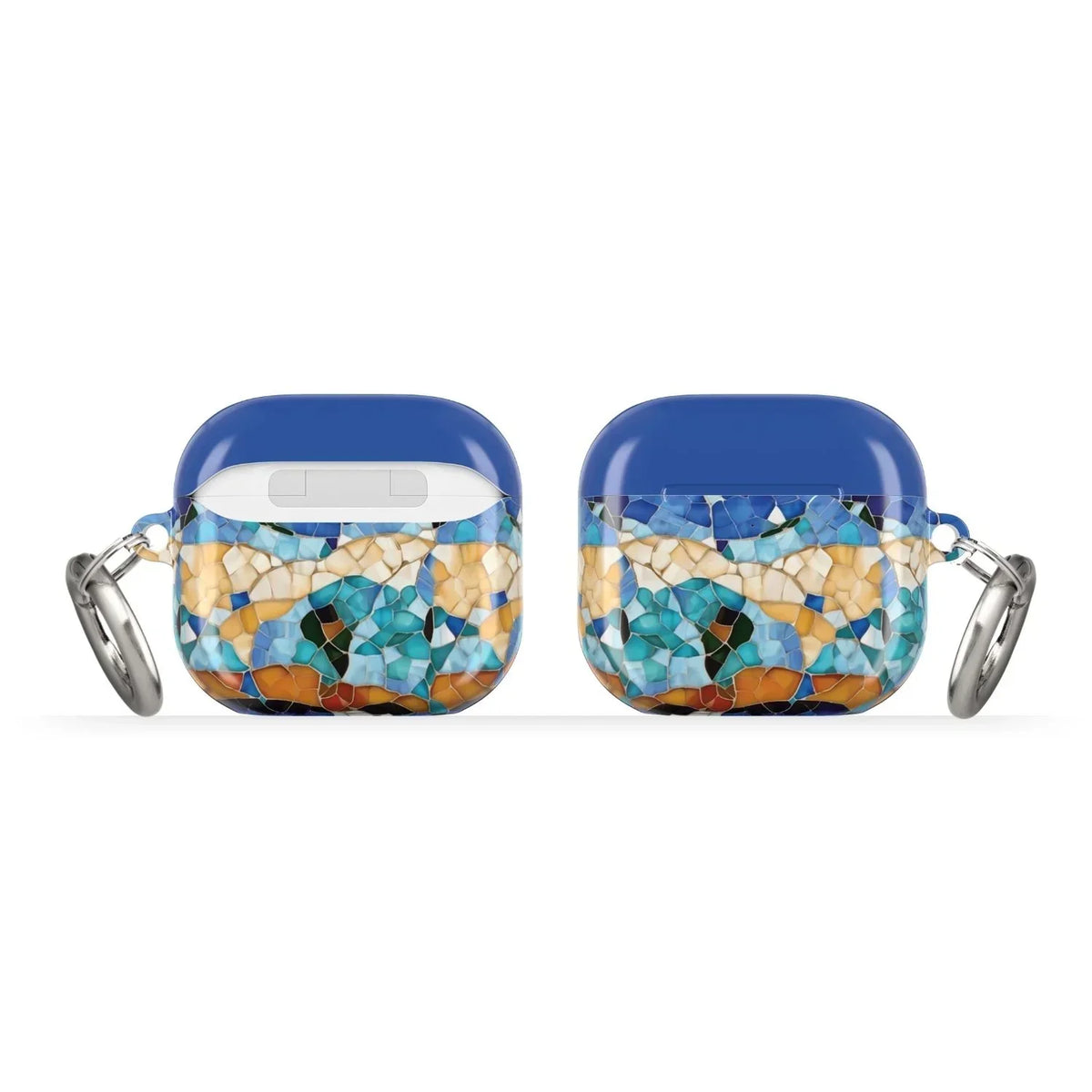
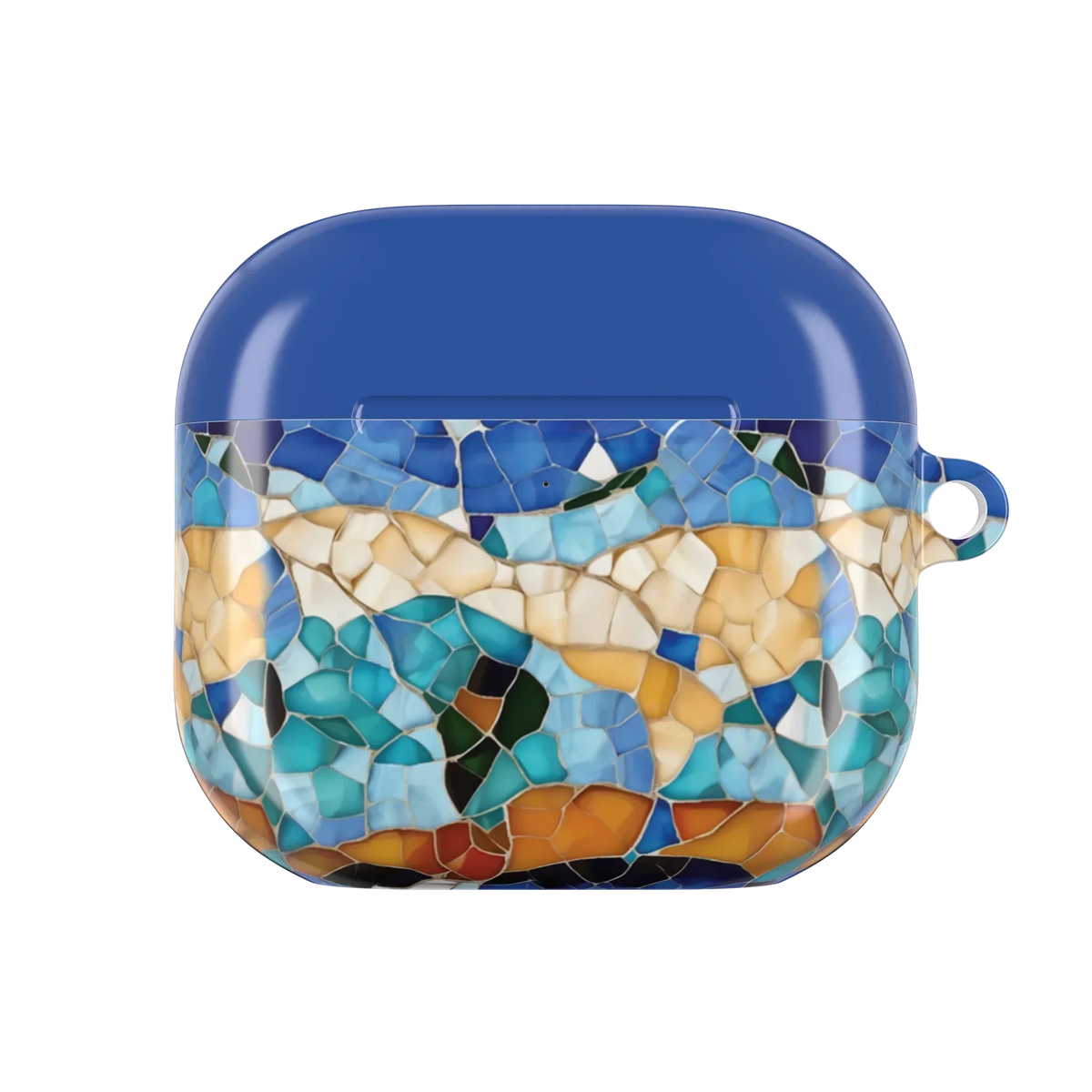
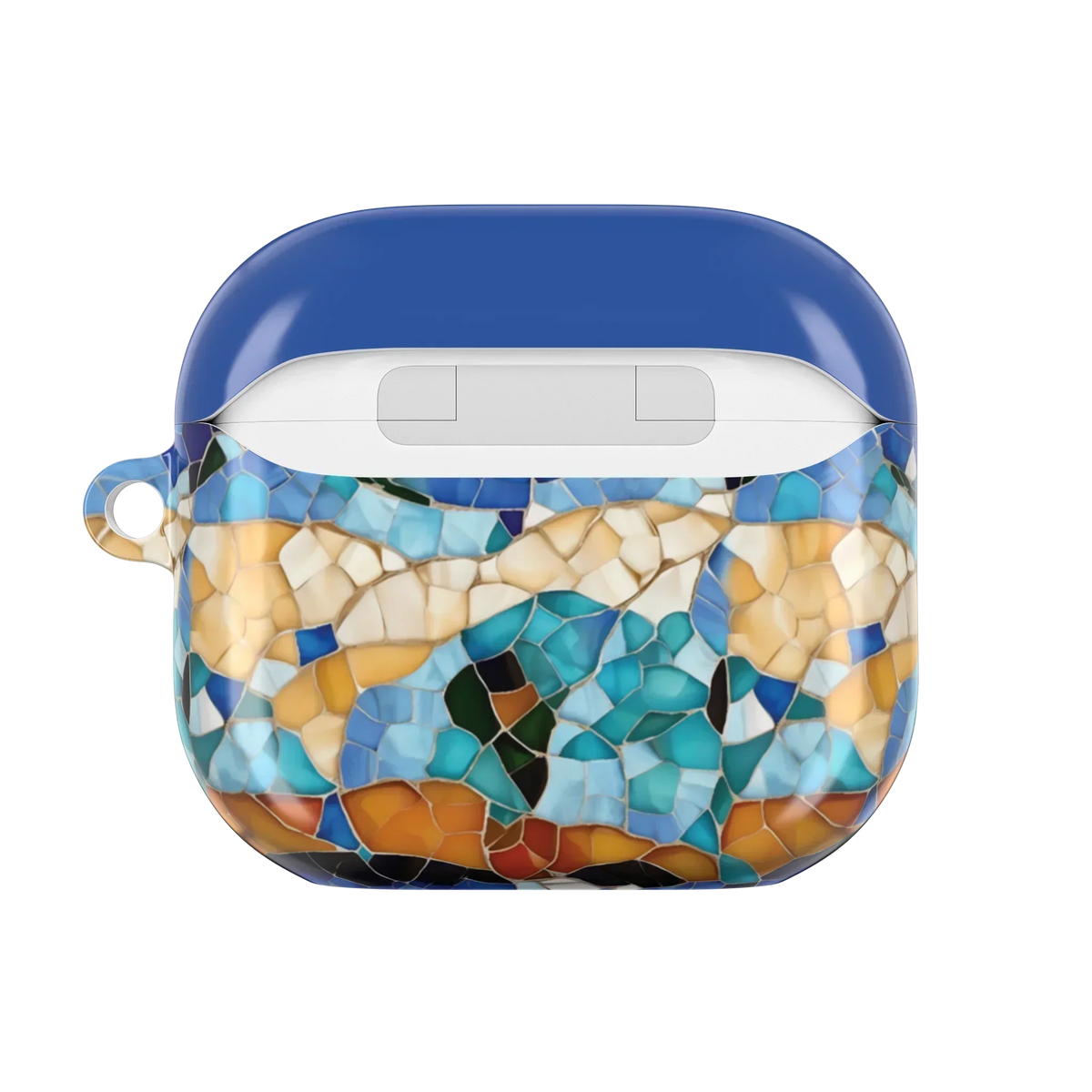
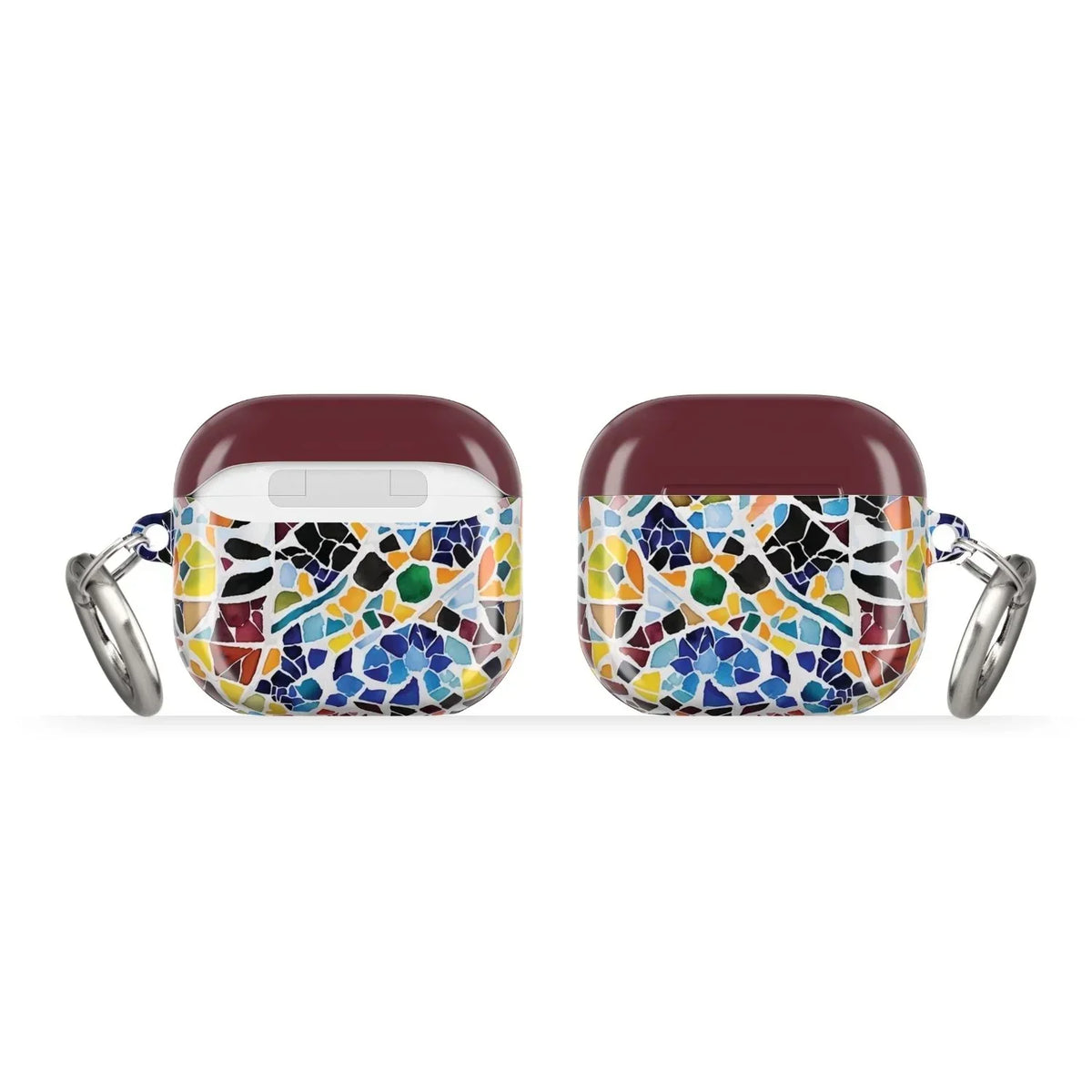
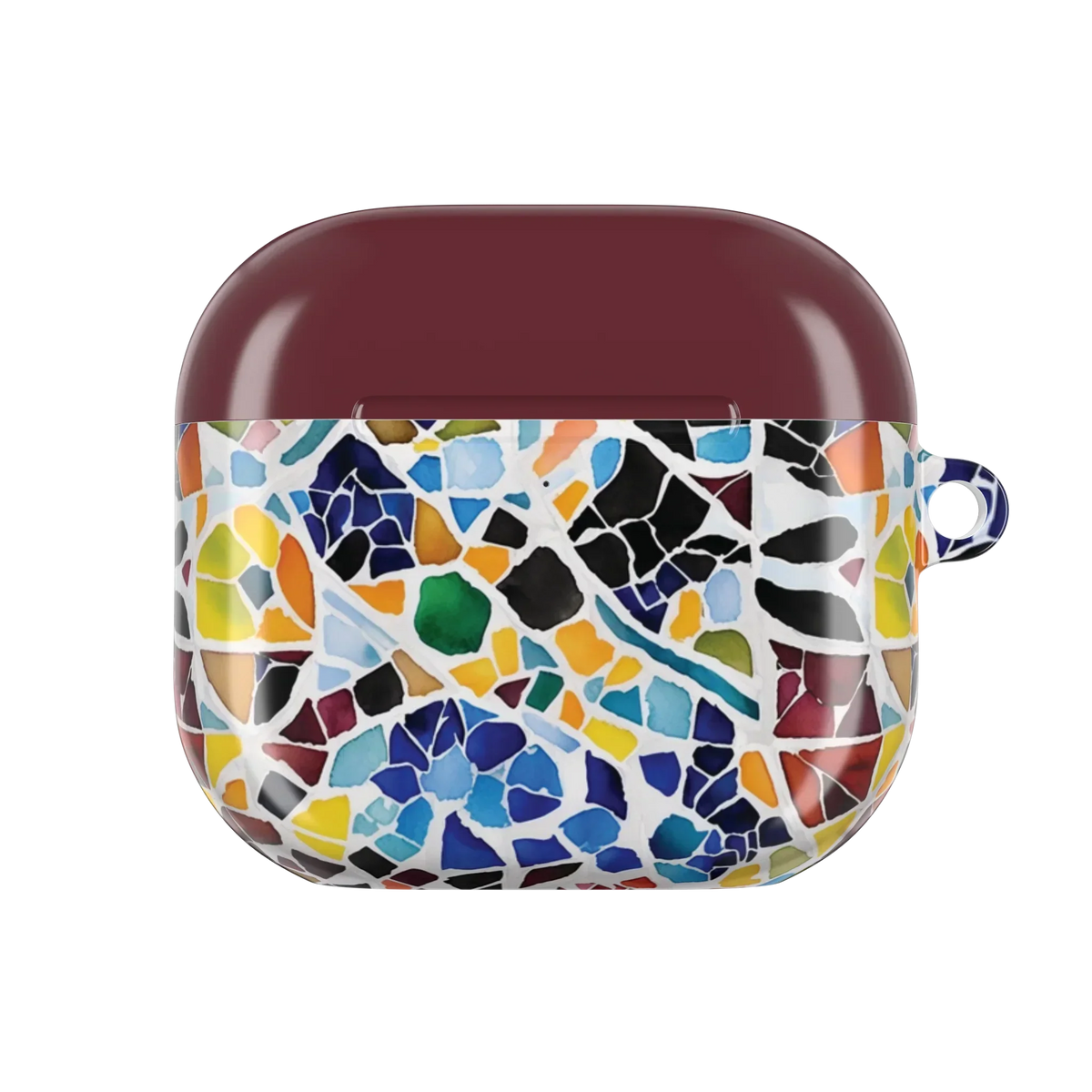
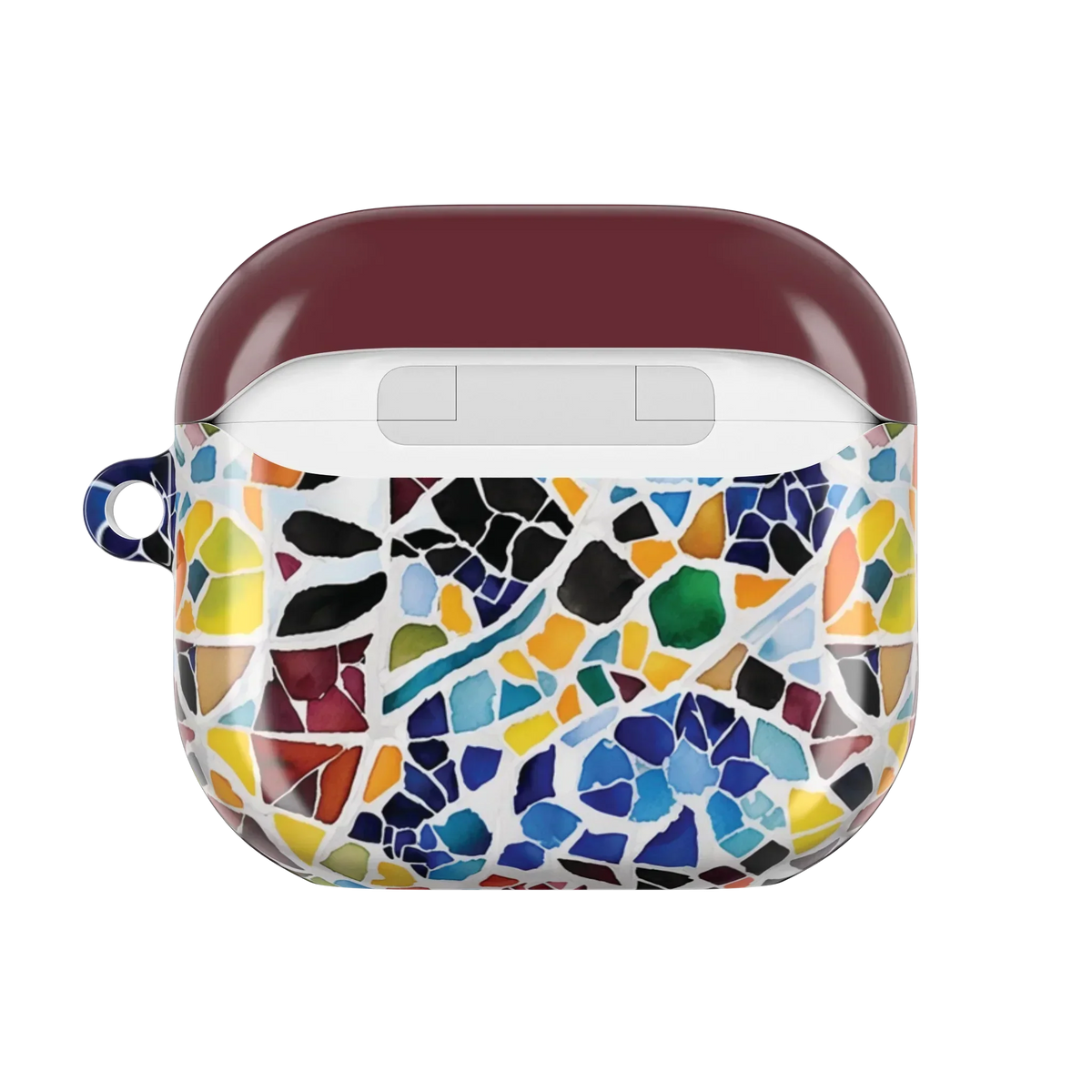
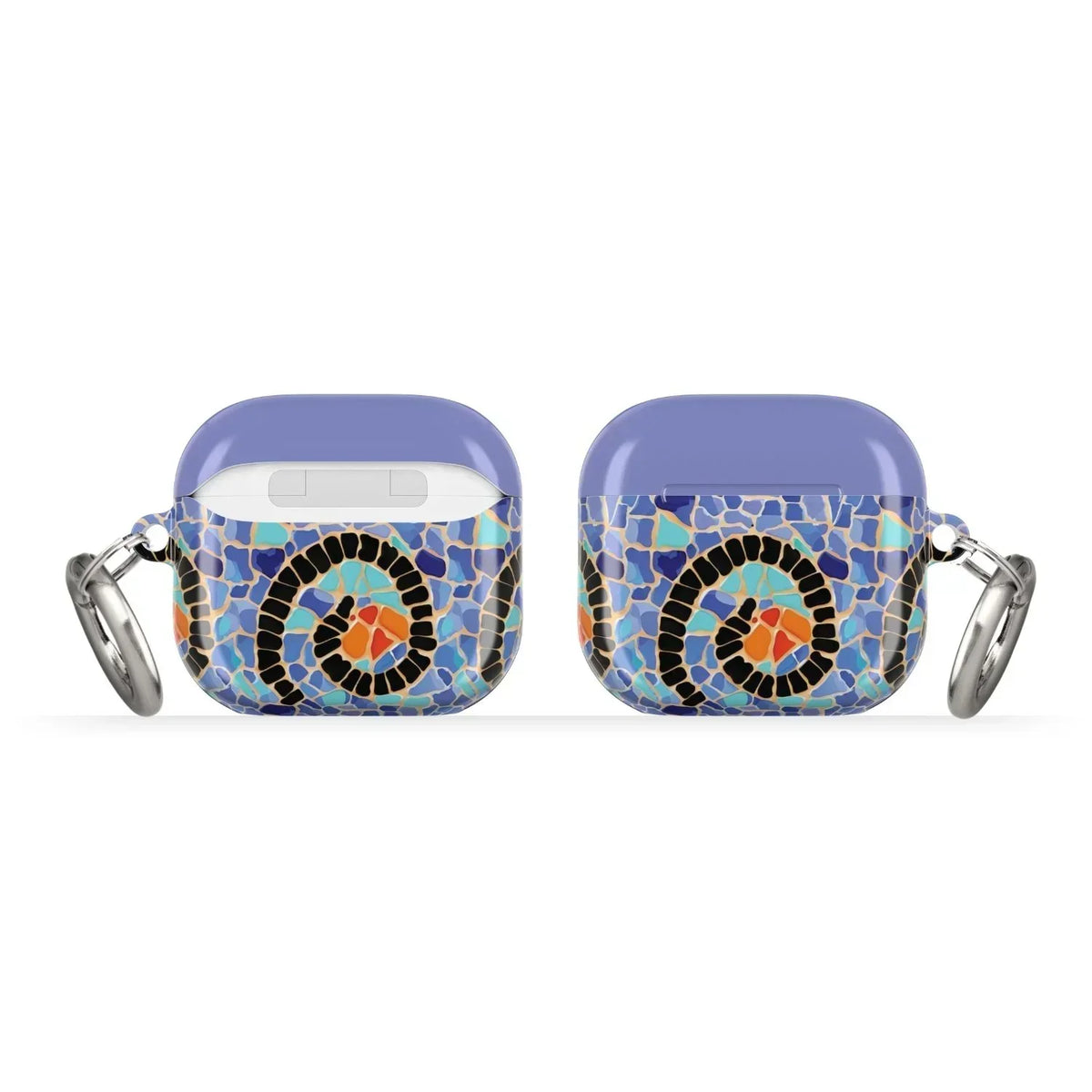
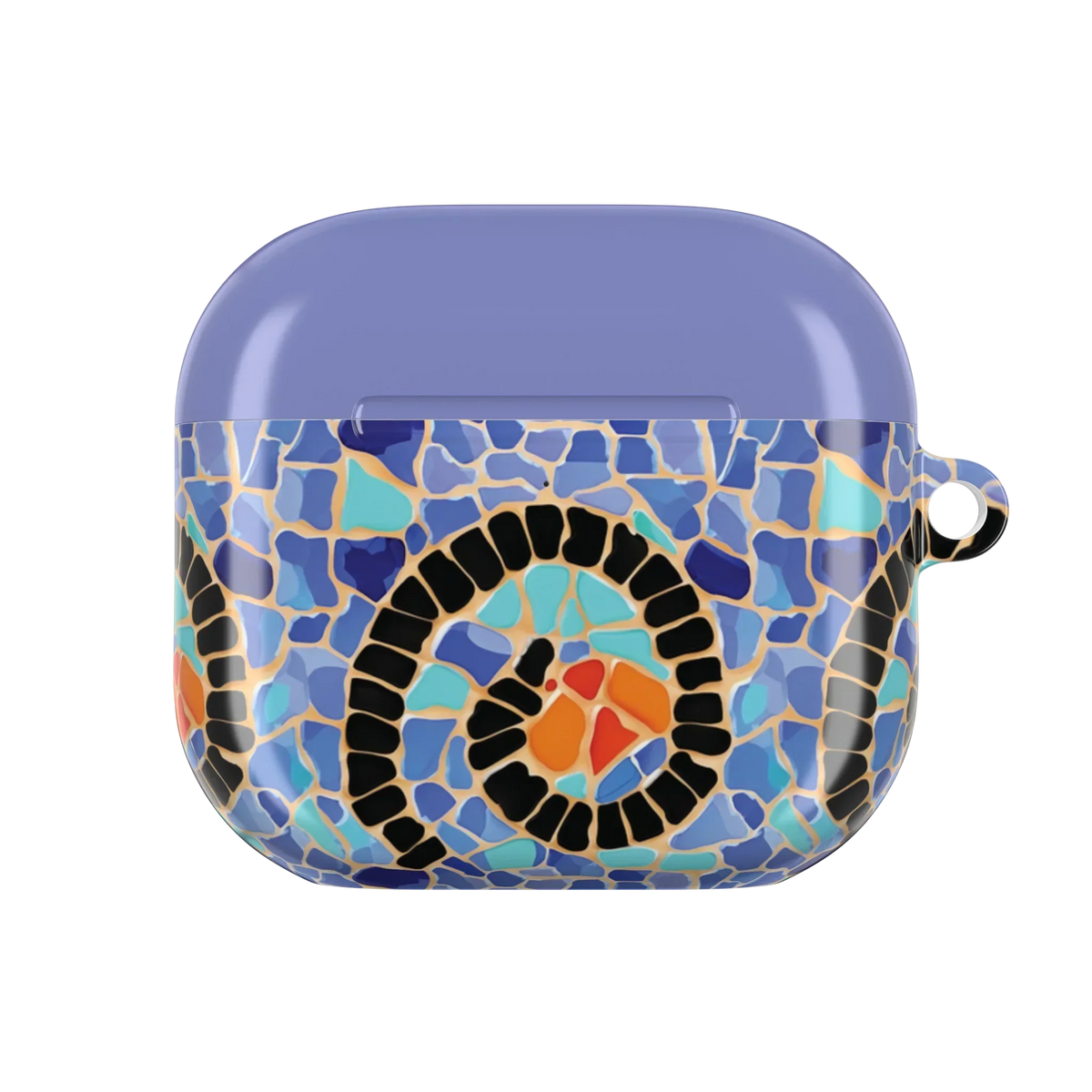
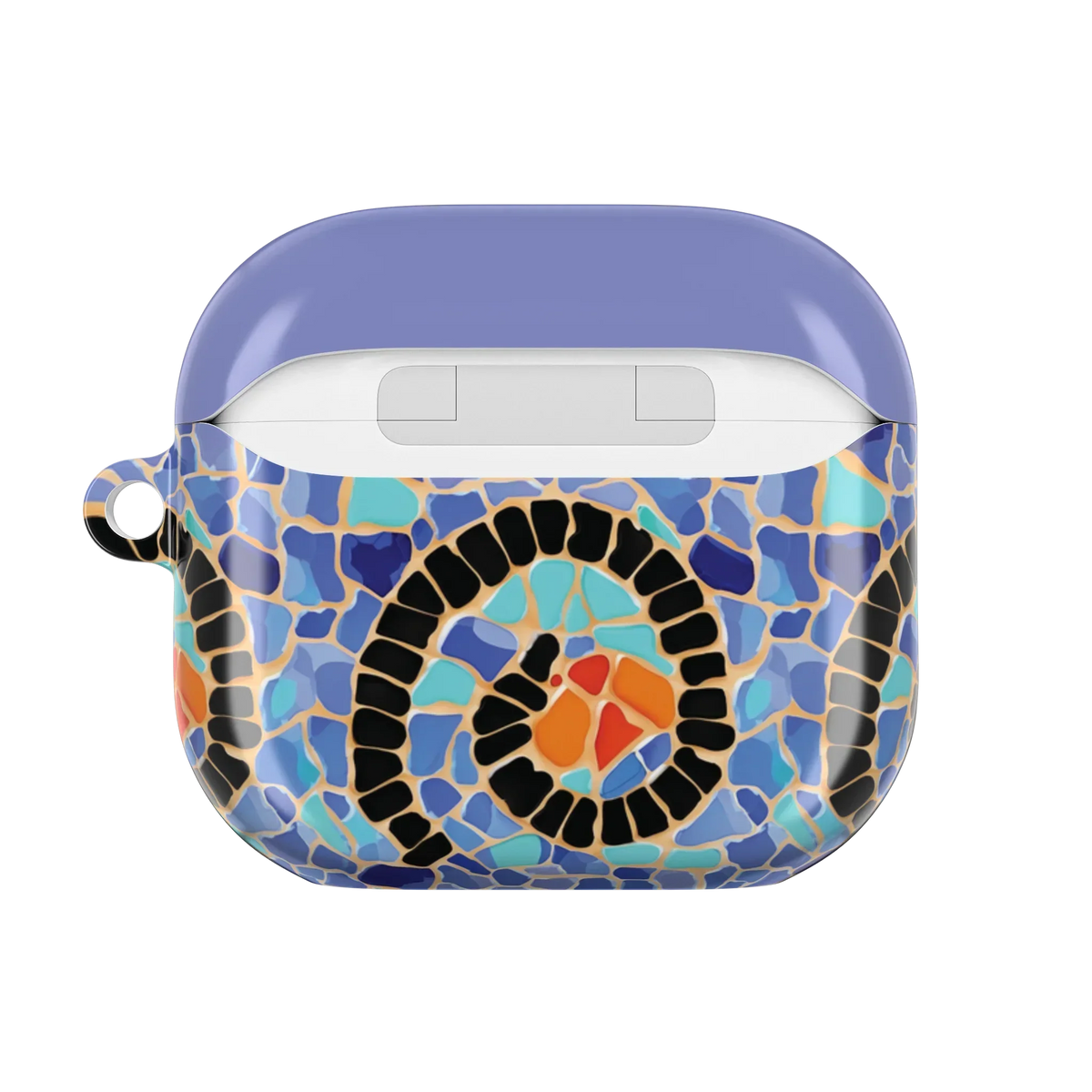
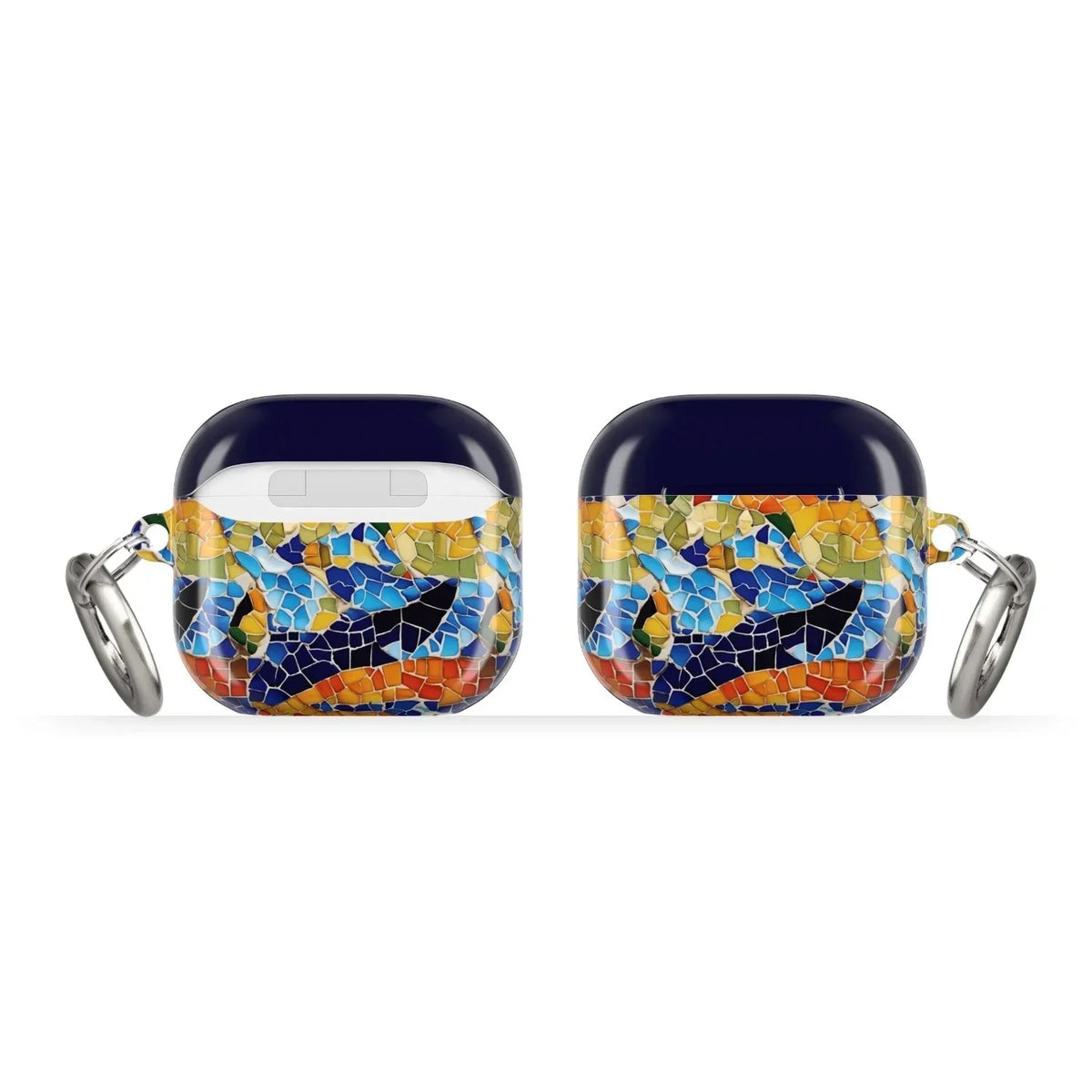
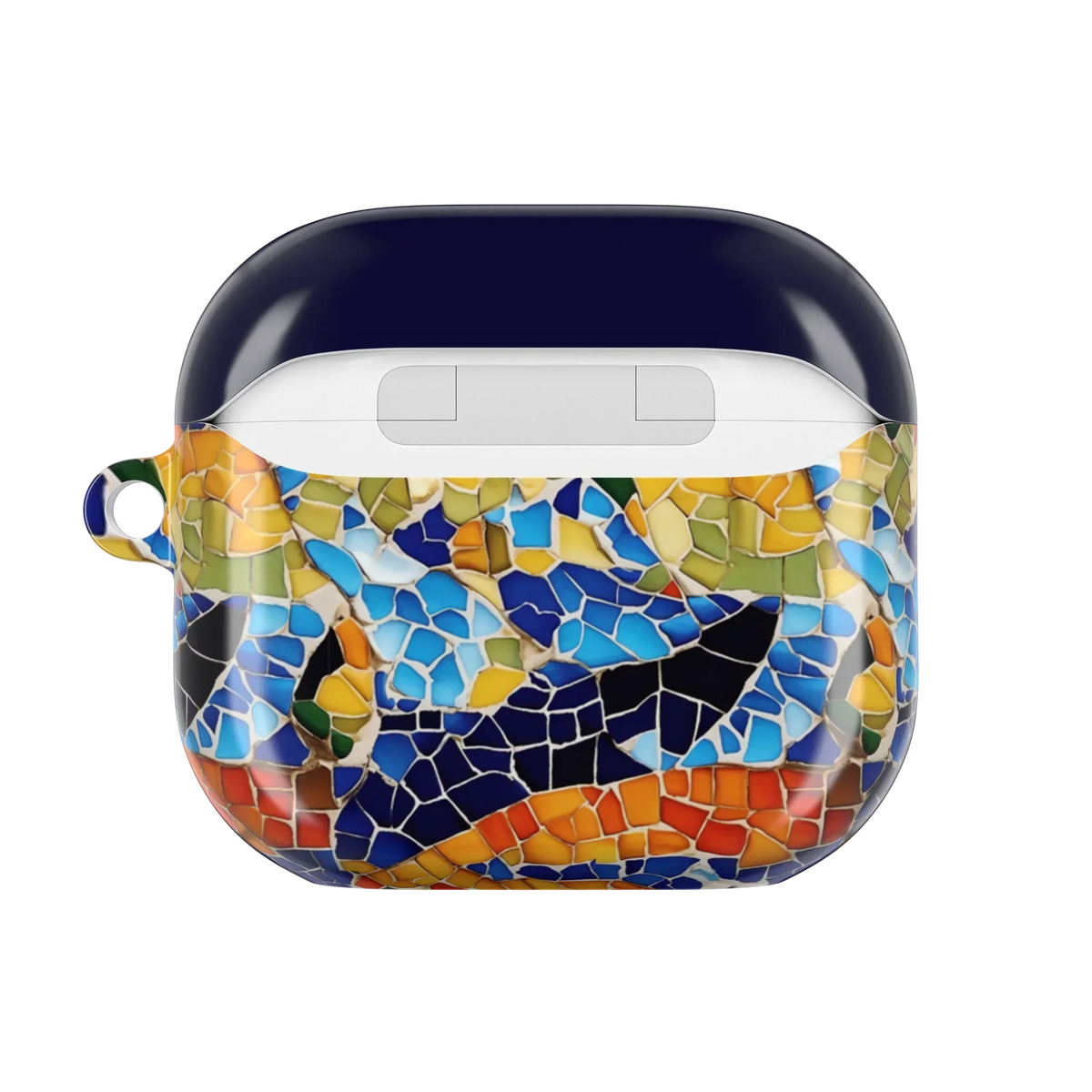
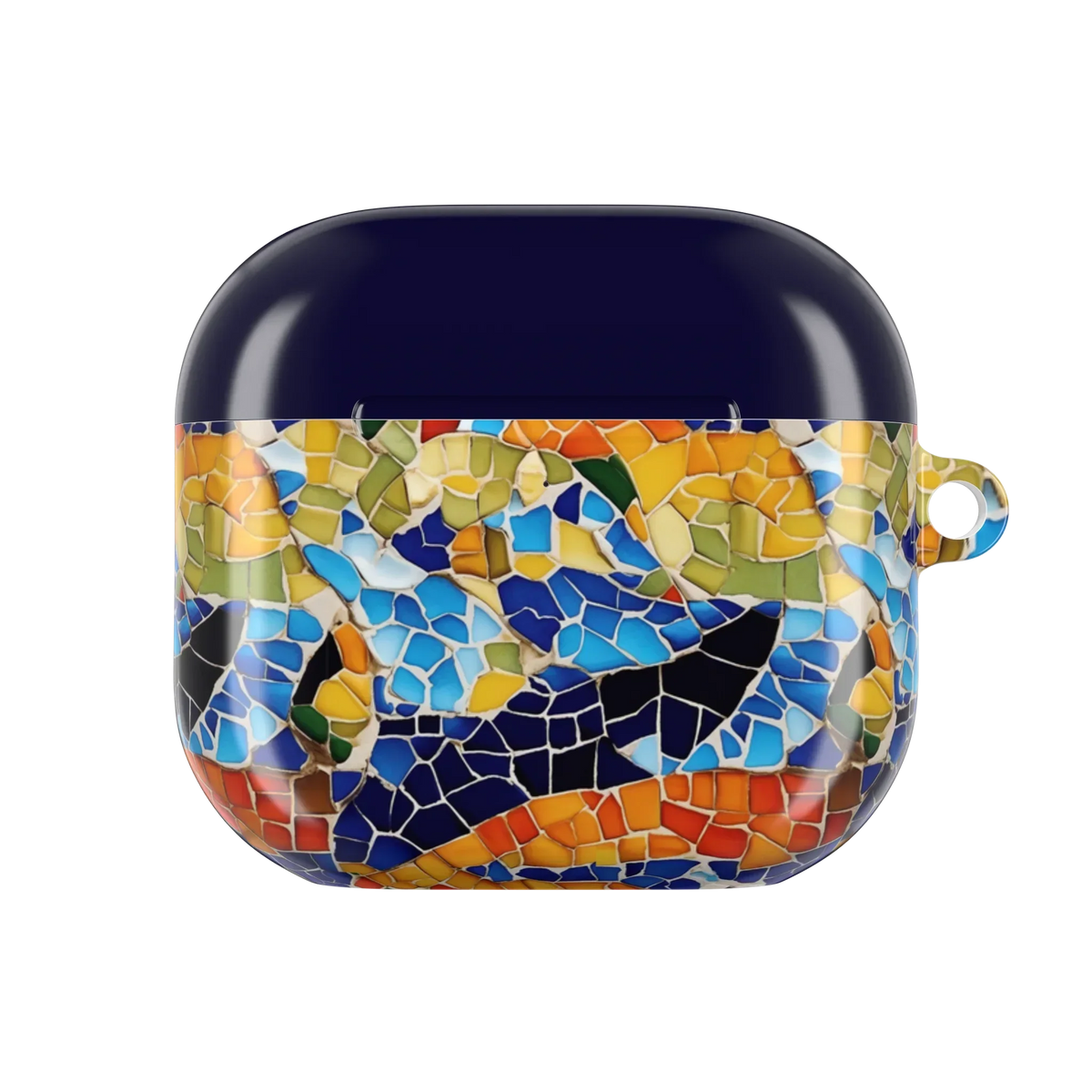
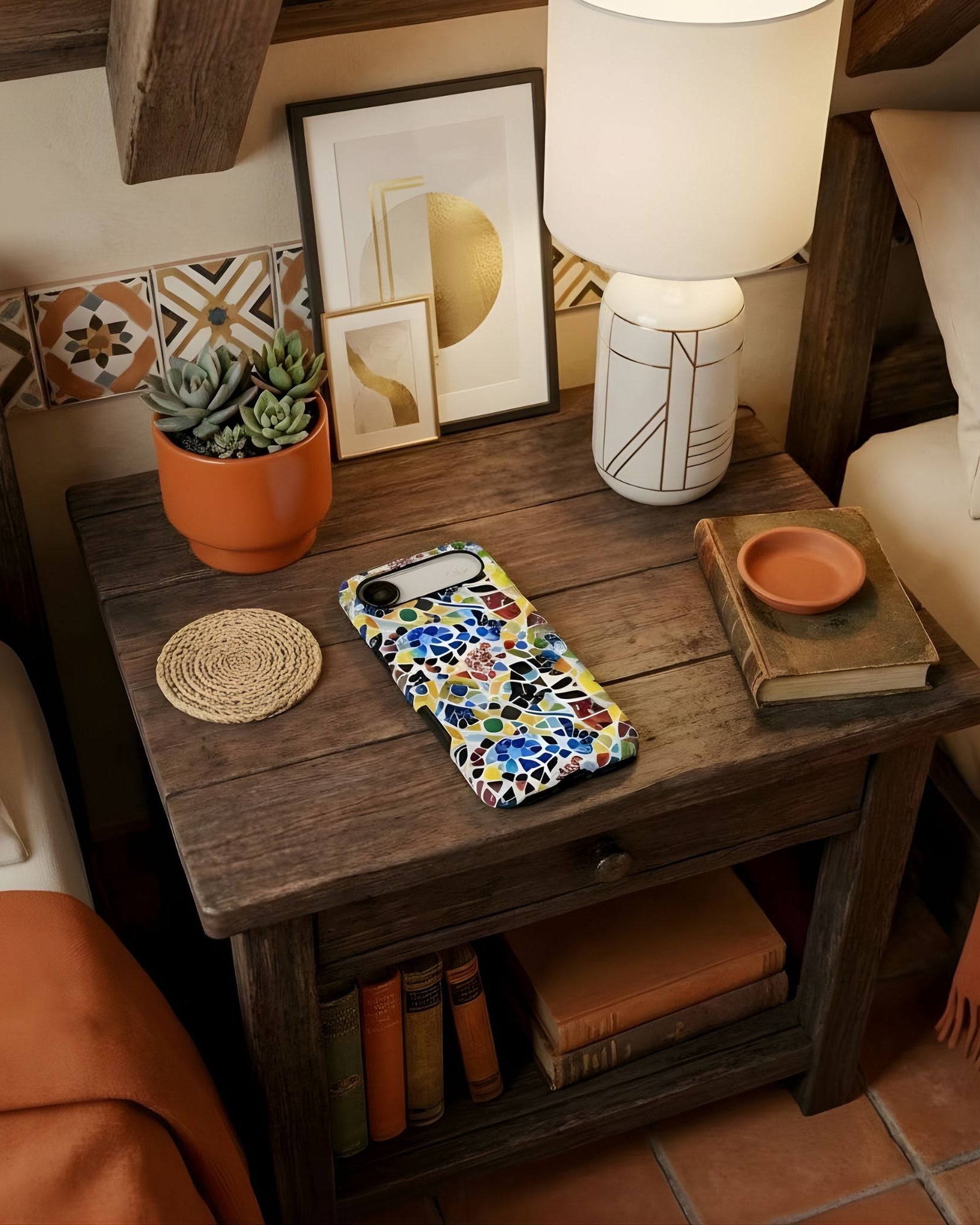
You don’t need to fly to Spain to experience the playful spirit of Catalan mosaics. All around us, from city streets to the small objects we carry, echoes of Gaudí artwork and modernist mosaics can be found. Patterns once laid in ceramic by hand now appear in the textures and prints of the things we keep close—like the colorful geometry of a pouch or the bold symmetry of a mosaic-style phone case. These modern designs channel the essence of Barcelona mosaics into everyday life.
 Fashion and homeware designers continue to reinterpret this rich visual language in their own way. You might see a curved motif reminiscent of Park Güell’s bench swirling across a pouch’s fabric, or the precise pop of tile-like shapes transforming a phone case into a handheld mosaic. These aren’t replicas—they’re gentle tributes to a movement that believed beauty belonged everywhere, not just in museums or monuments.

In this way, mosaic art moves quietly through the modern world. It makes its way into the accessories we wear, the items we gift, and the things we use each day—offering small bursts of color and creativity in a busy world. Whether rooted in tile mosaics, art deco, or the whimsy of glass mosaic art, each design piece continues a story that began on the walls and rooftops of Barcelona.
10. More Than Just Decoration
At the end of the day, Catalan Modernist mosaics are more than just pretty tiles. They’re about creativity, identity, and turning the ordinary into something extraordinary. Whether it’s a bench in a park or the back of your phone case, these designs remind us to find beauty in unexpected places.
 Image: Colorful mosaic wall at Parc Güell
So next time you see a swirl of color or a funky tile pattern, think of Gaudí, Barcelona mosaics, and the artists who made a city sparkle, one broken piece at a time. From tile to tech, their influence lives on. Their legacy bridges tradition and innovation, blending the timeless appeal of modernism art with the playfulness of art deco and the vibrancy of mosaic art.
Want to dig deeper? Check out these links: