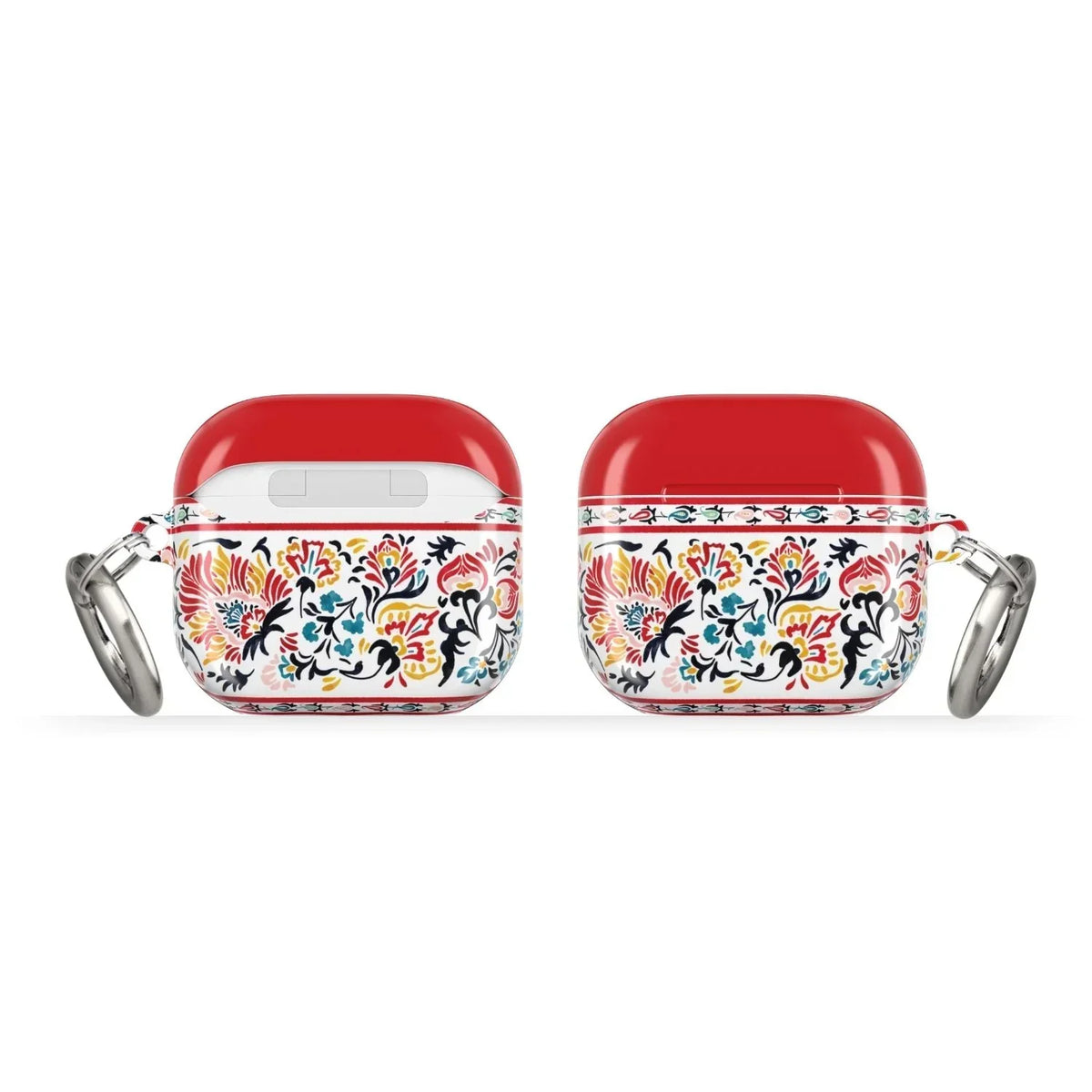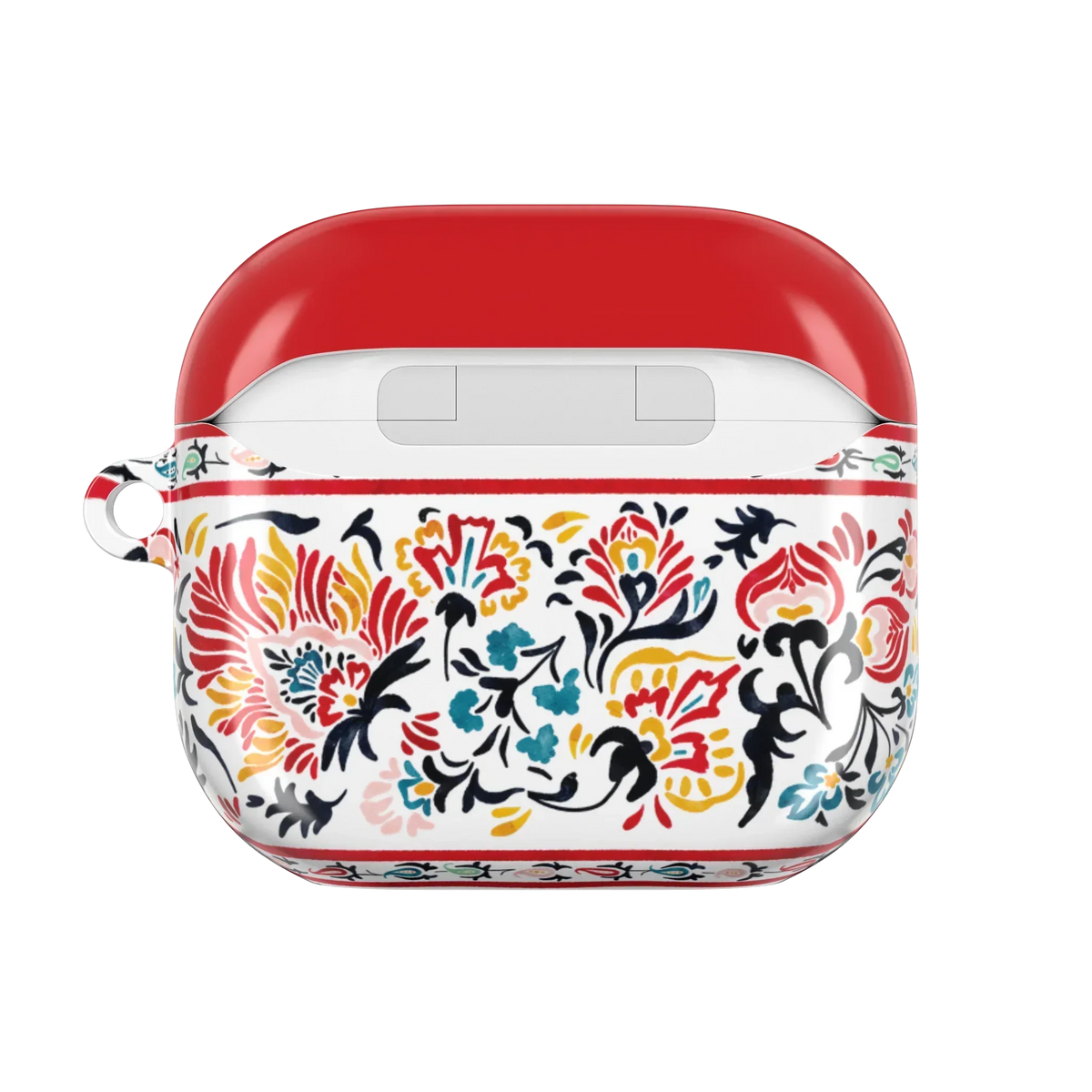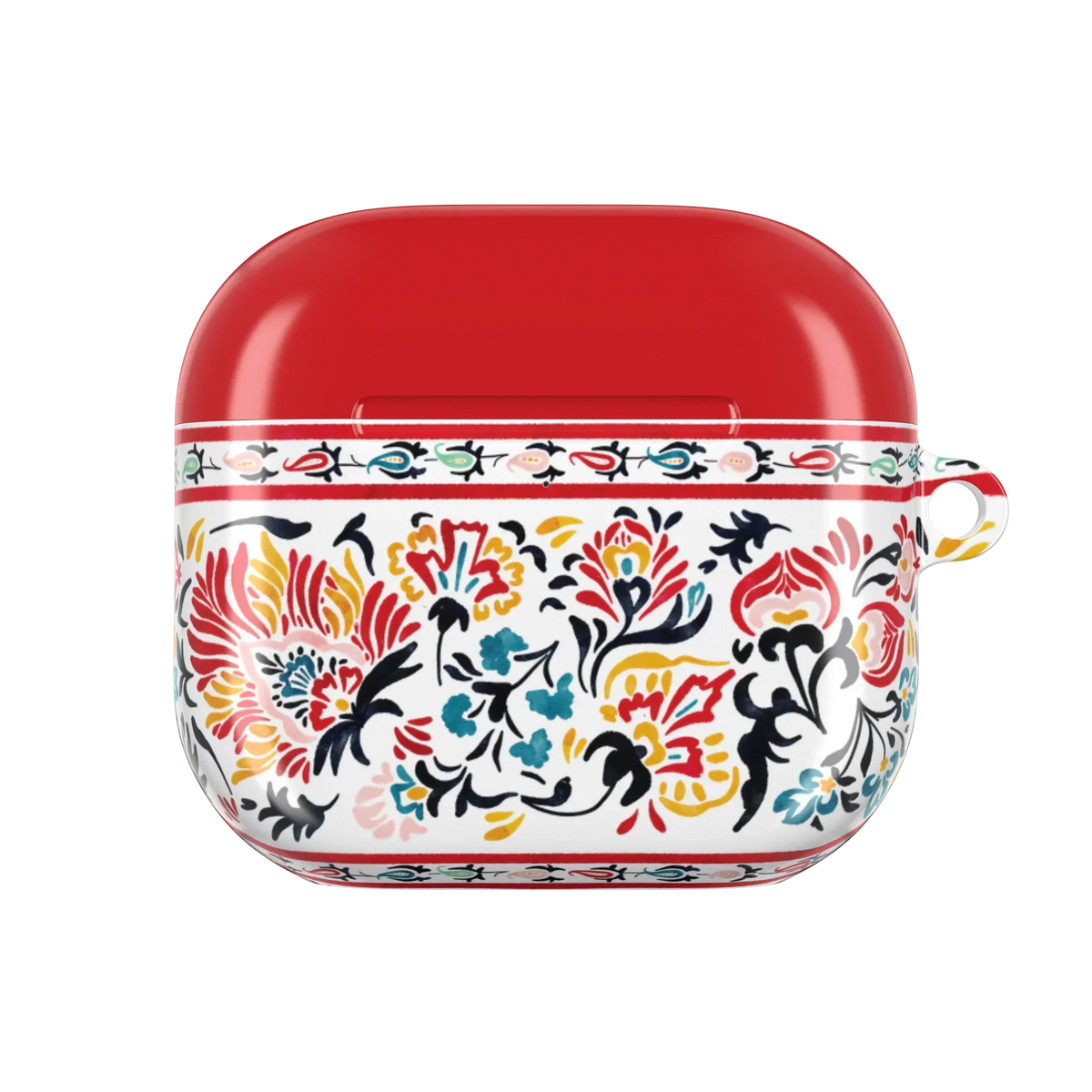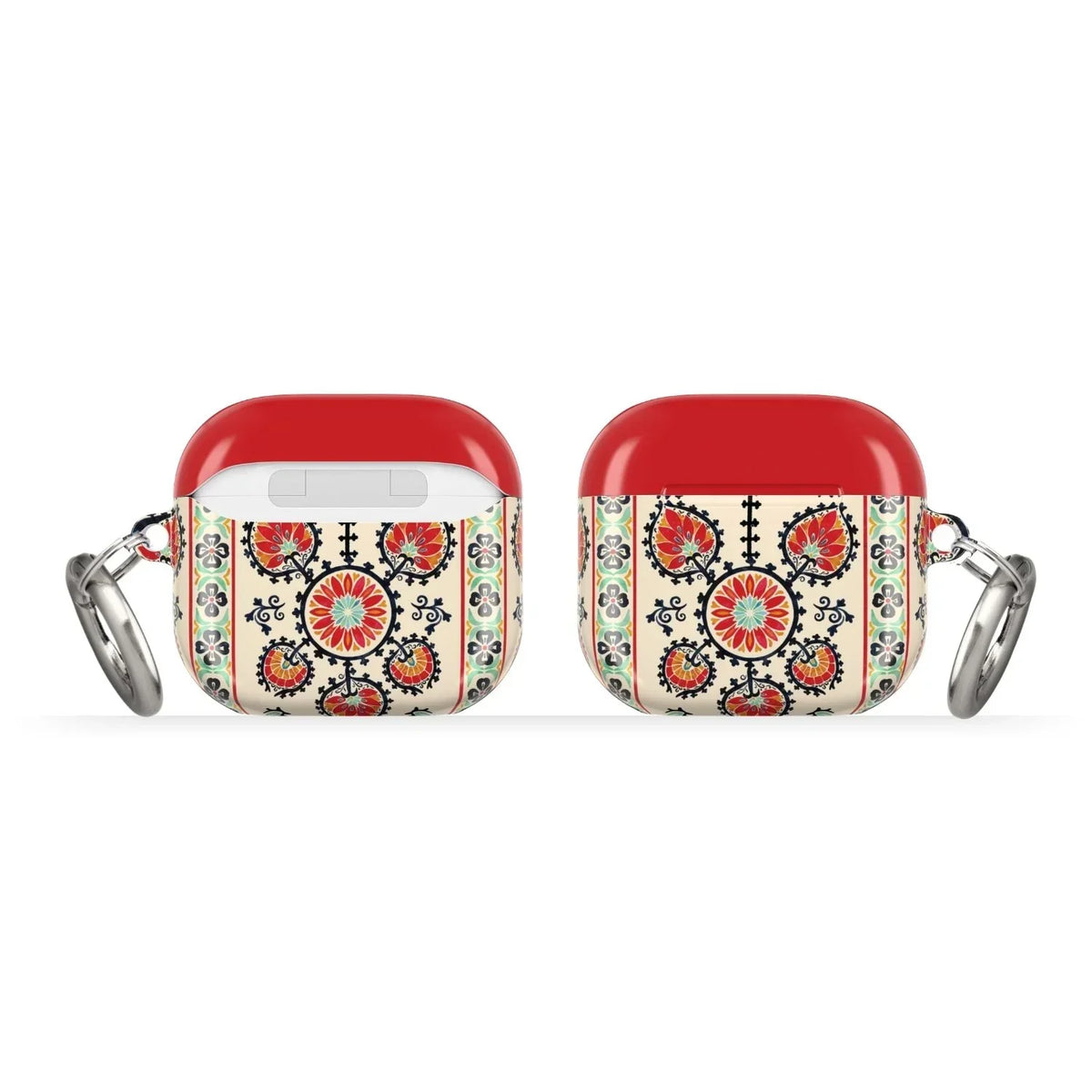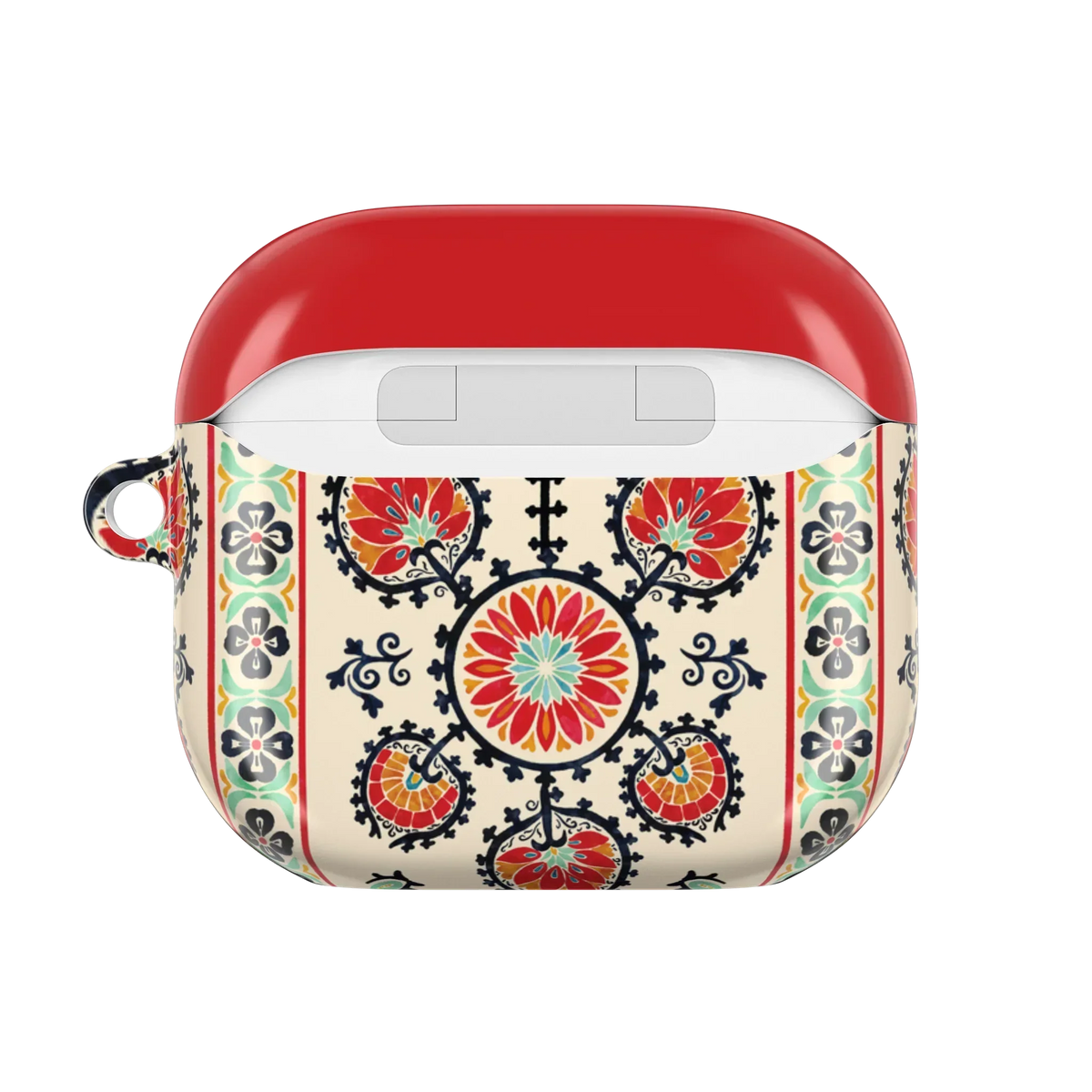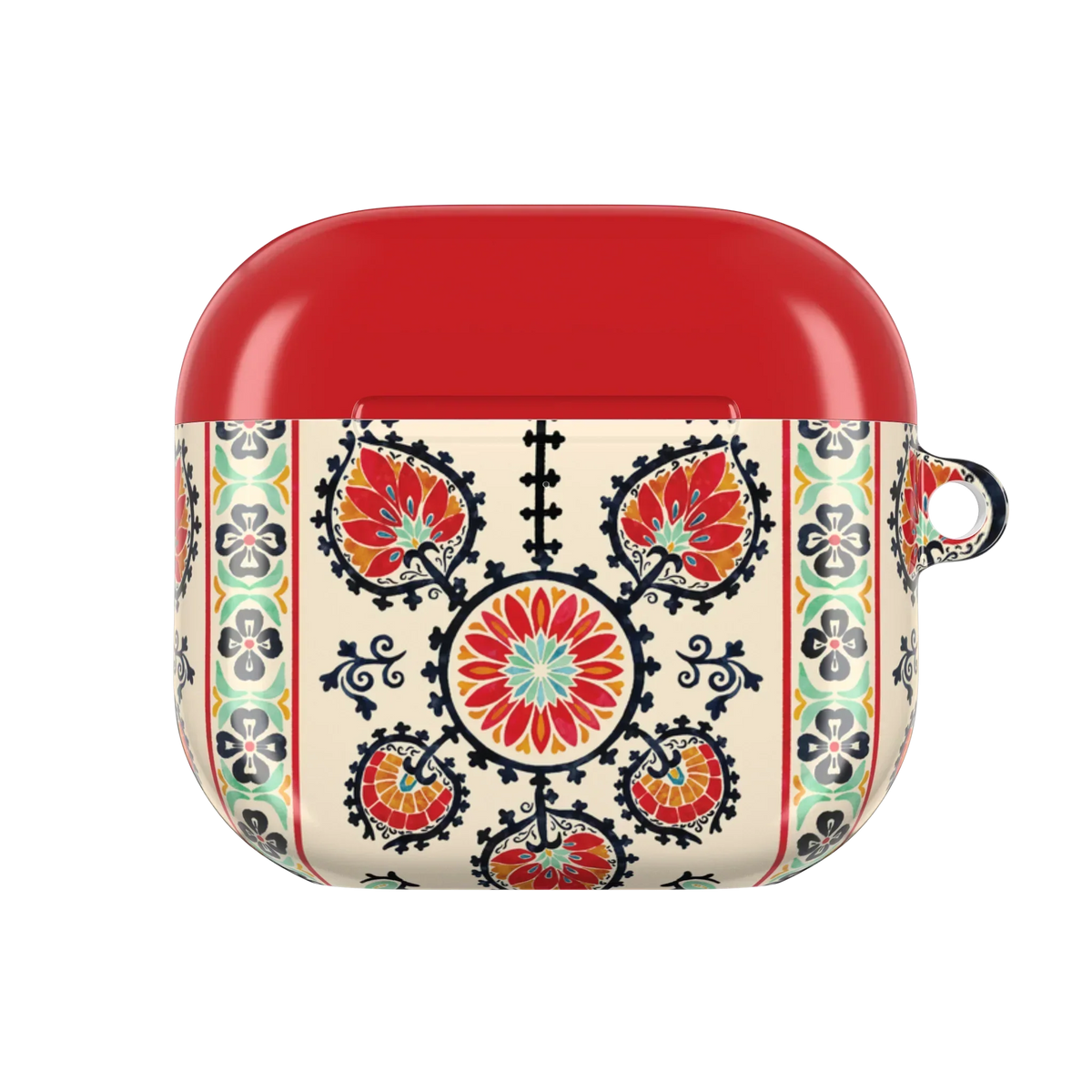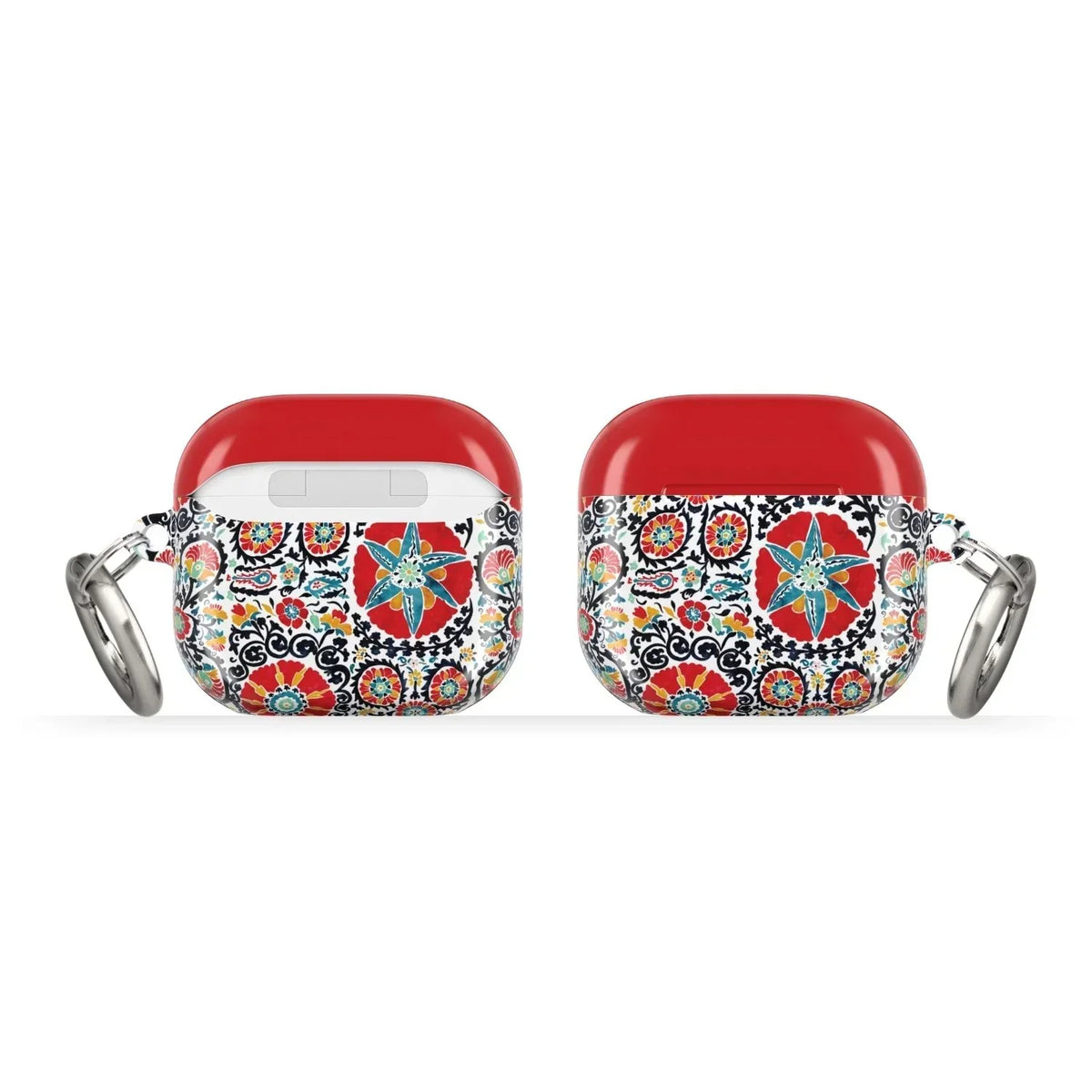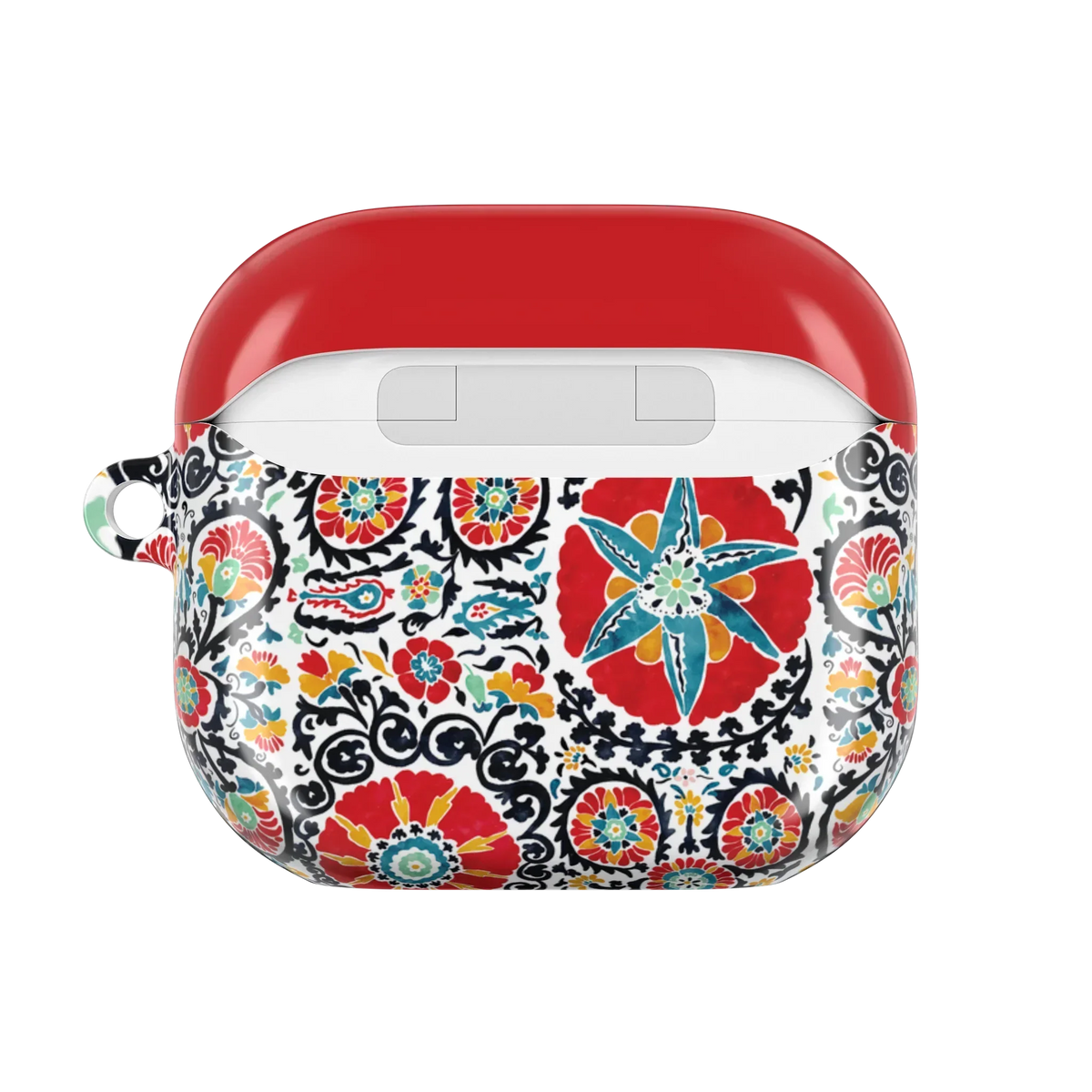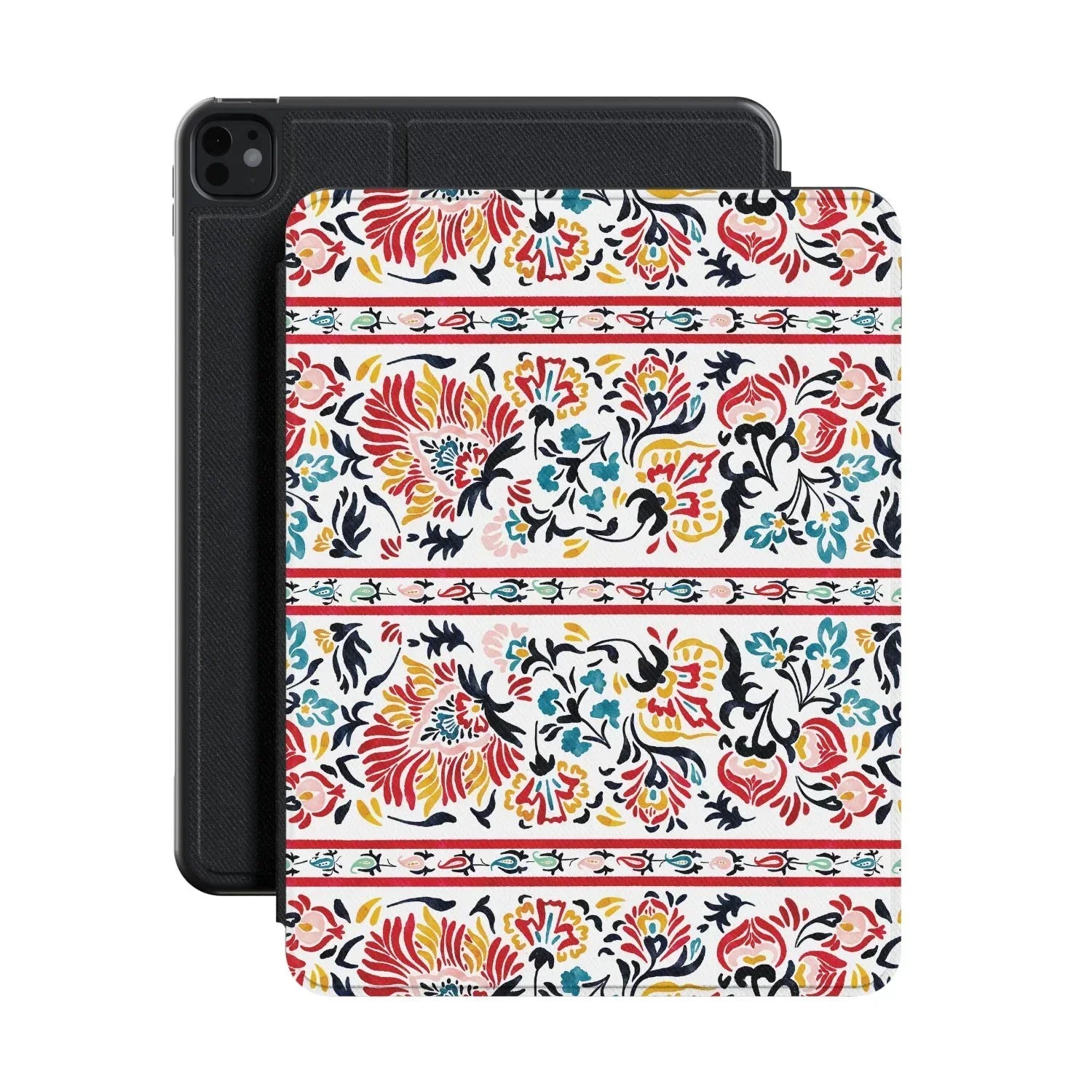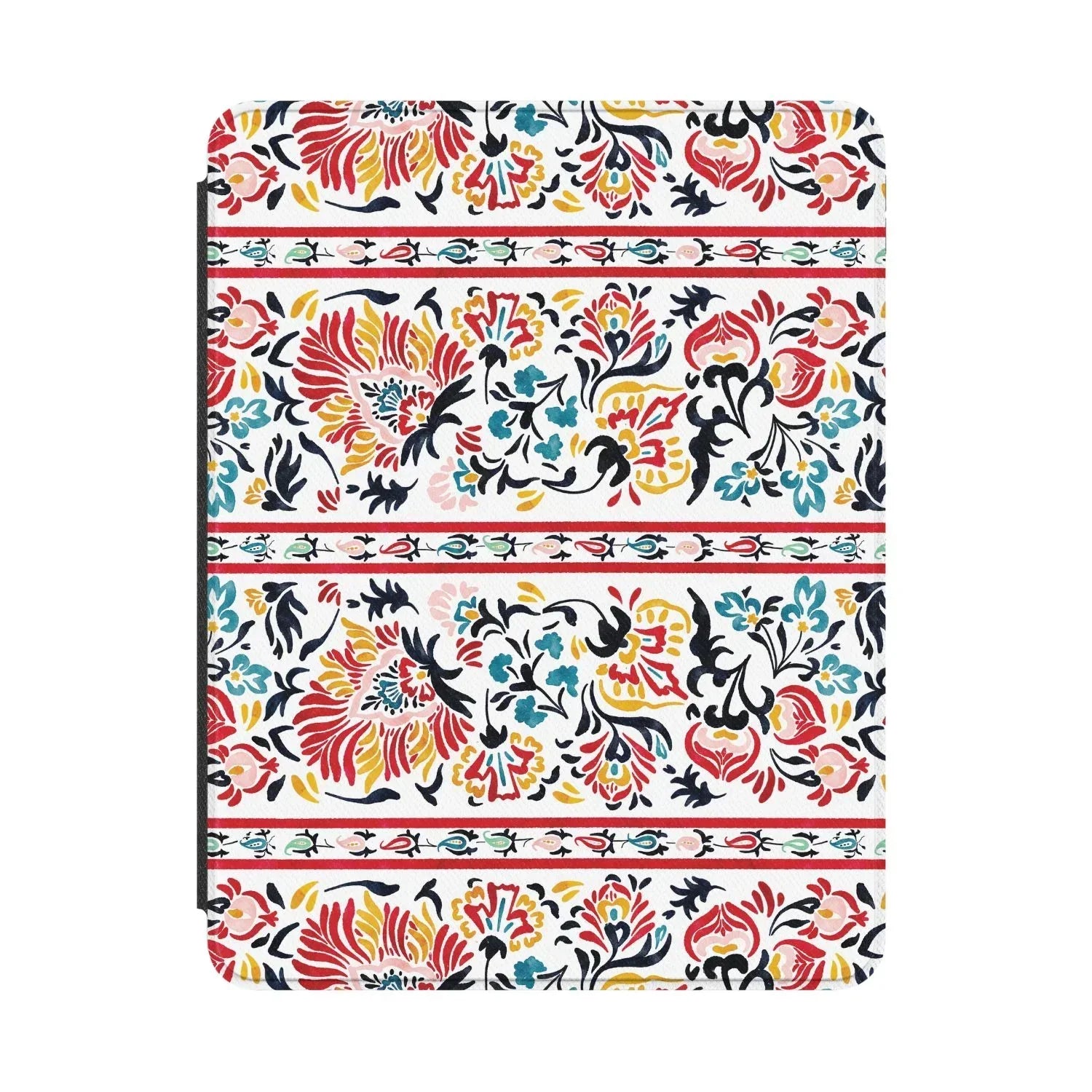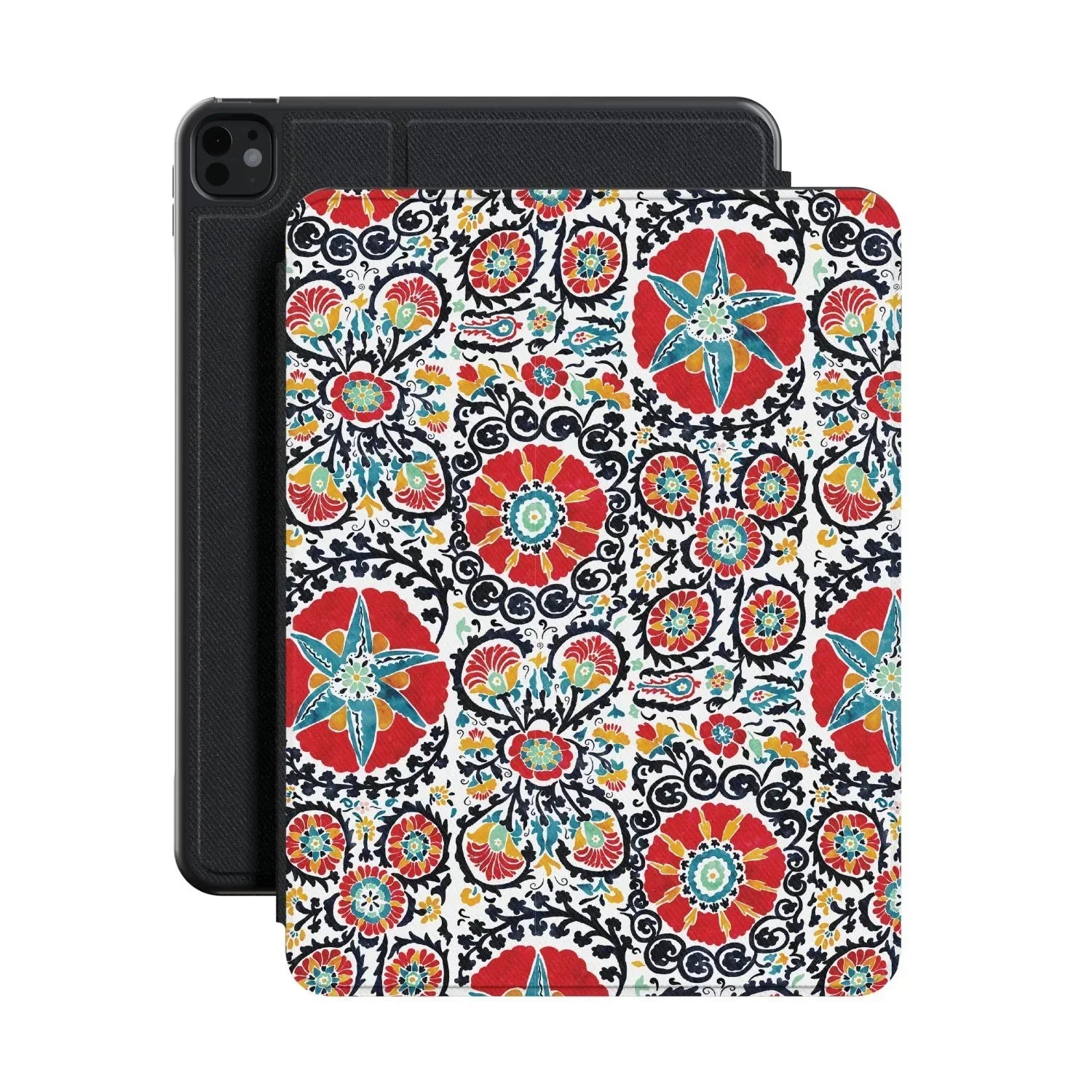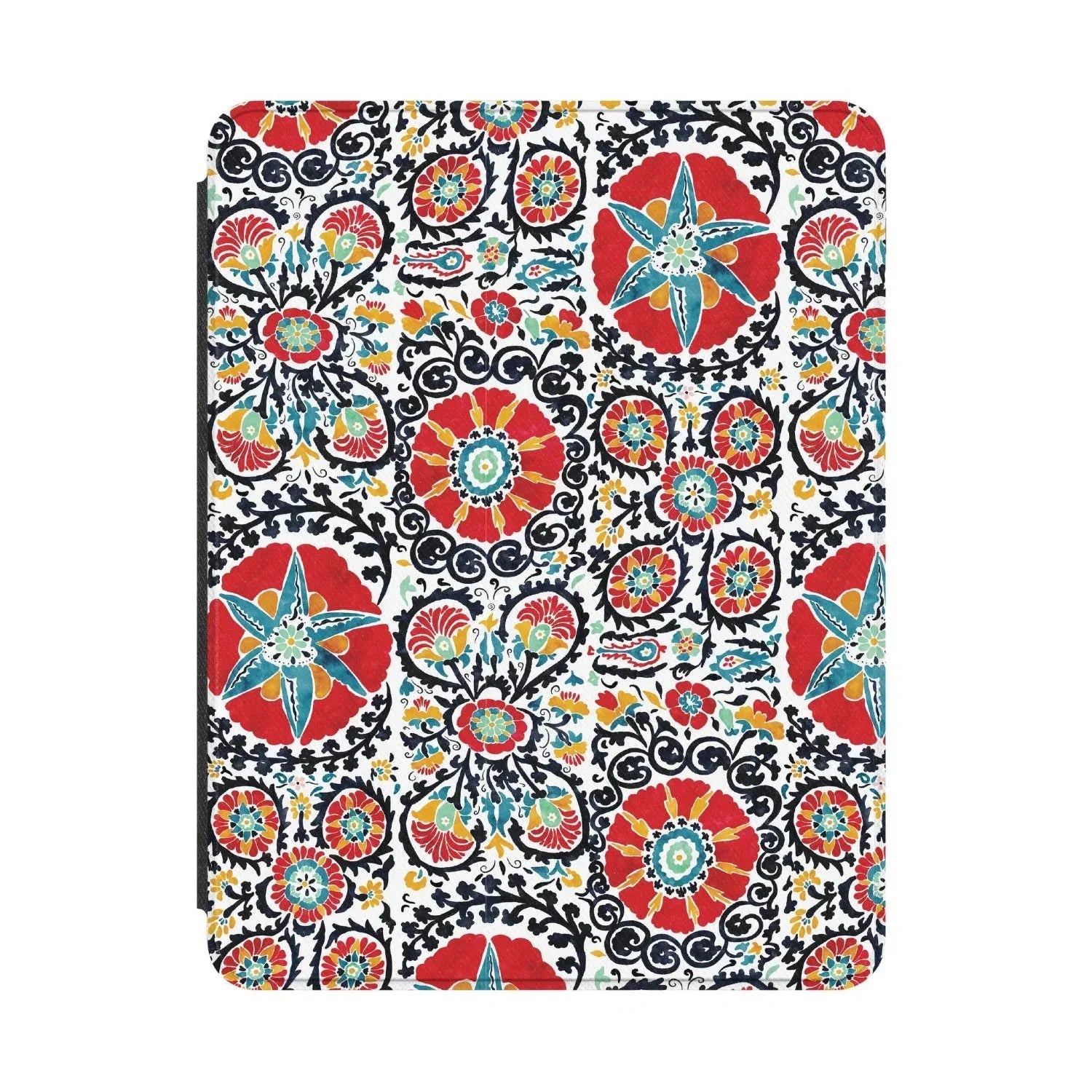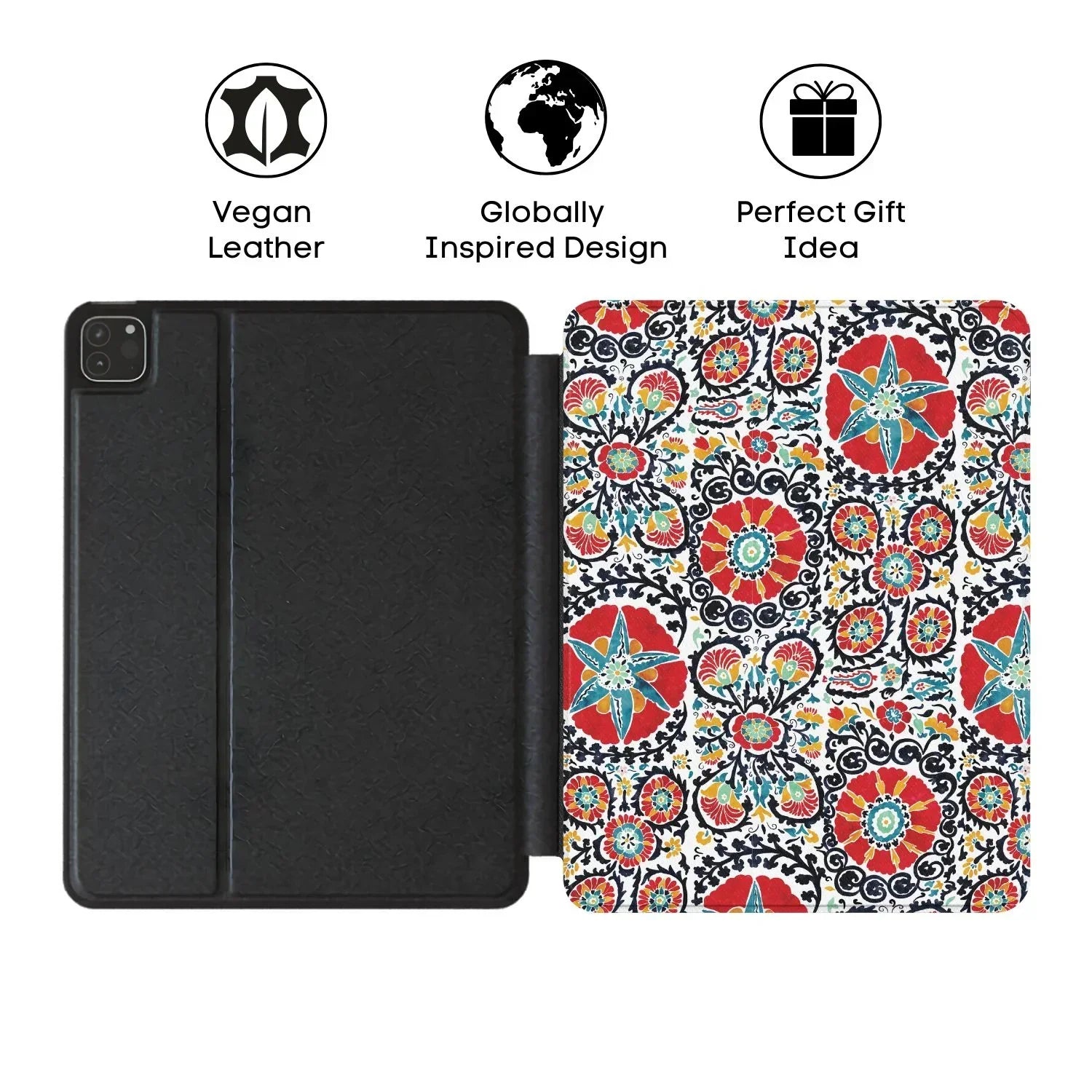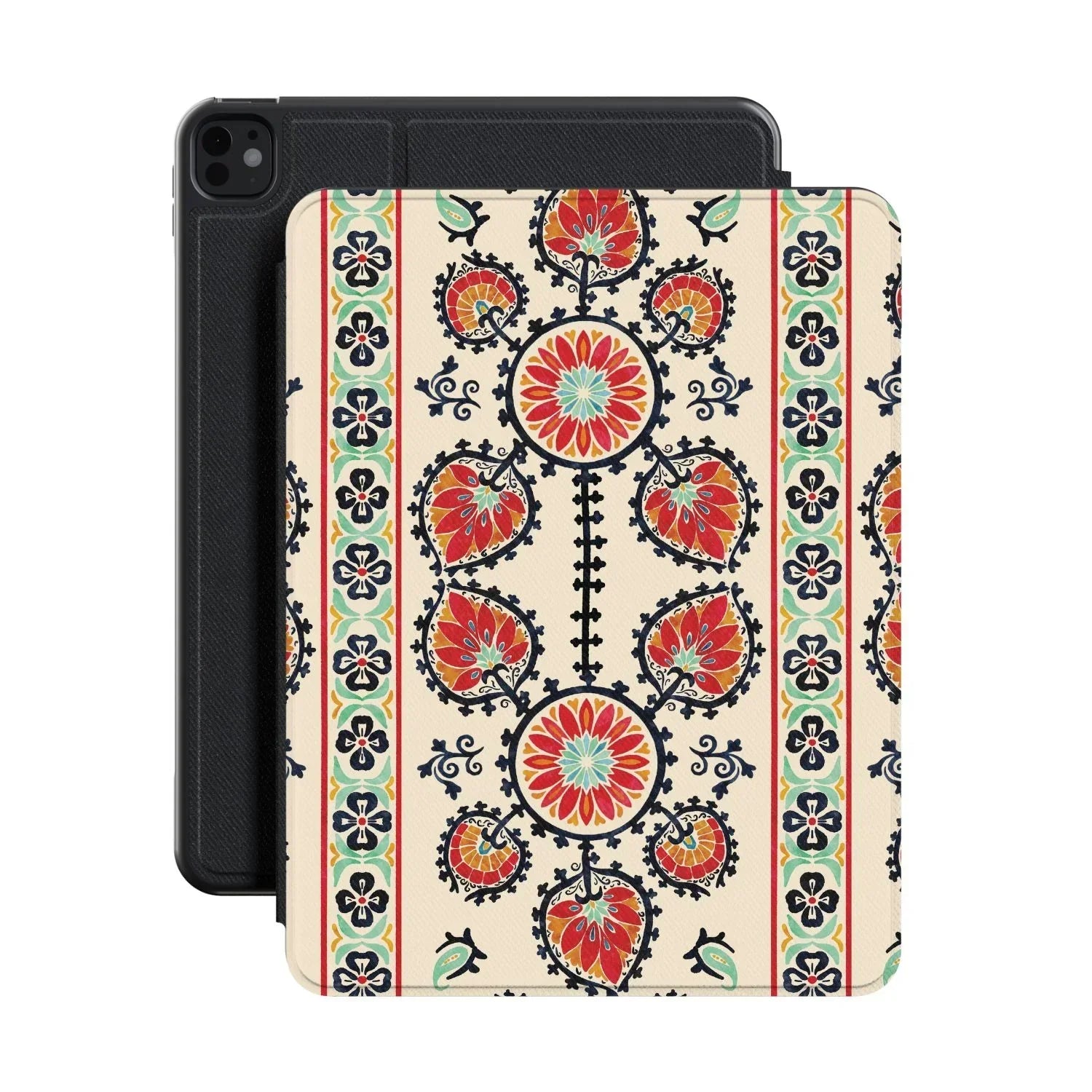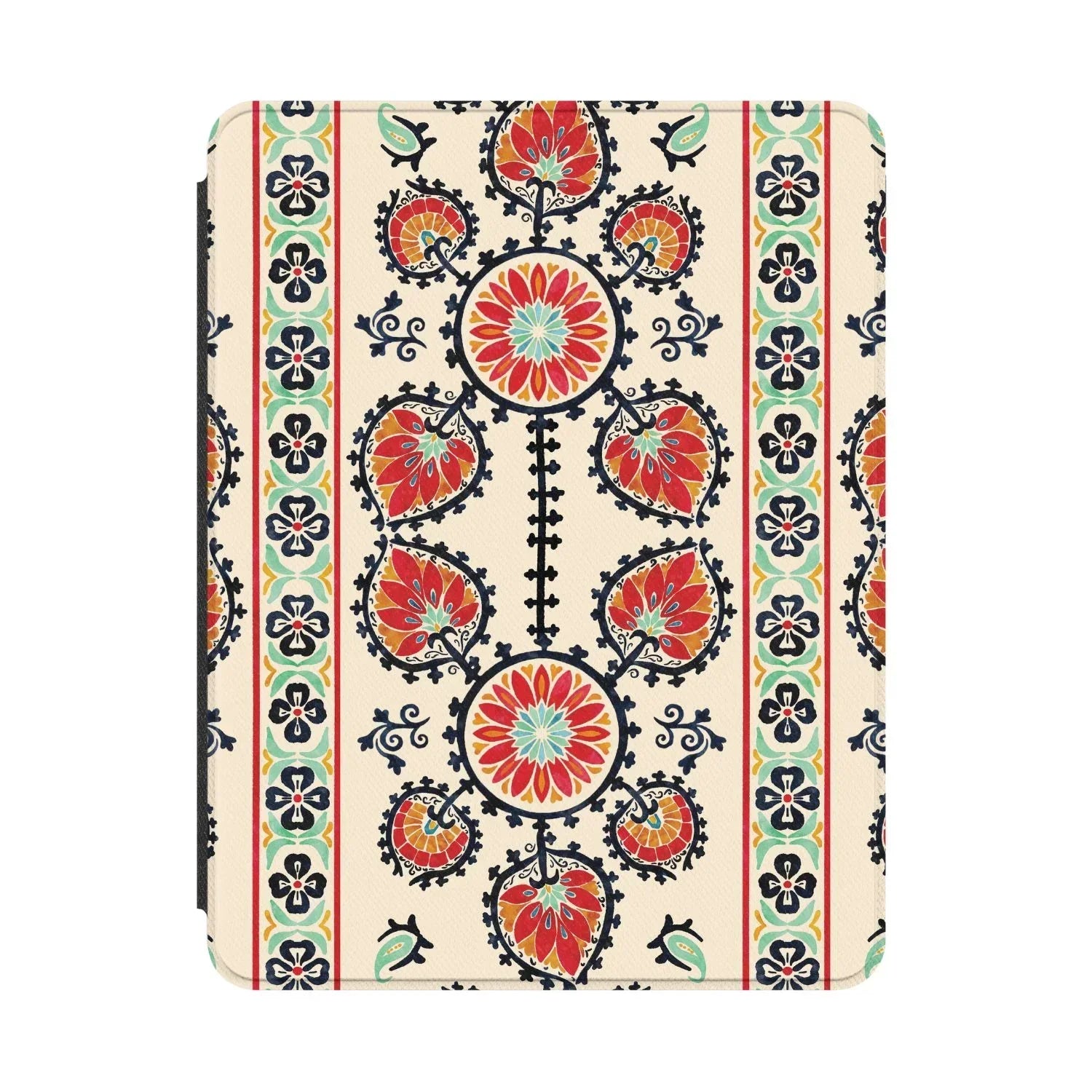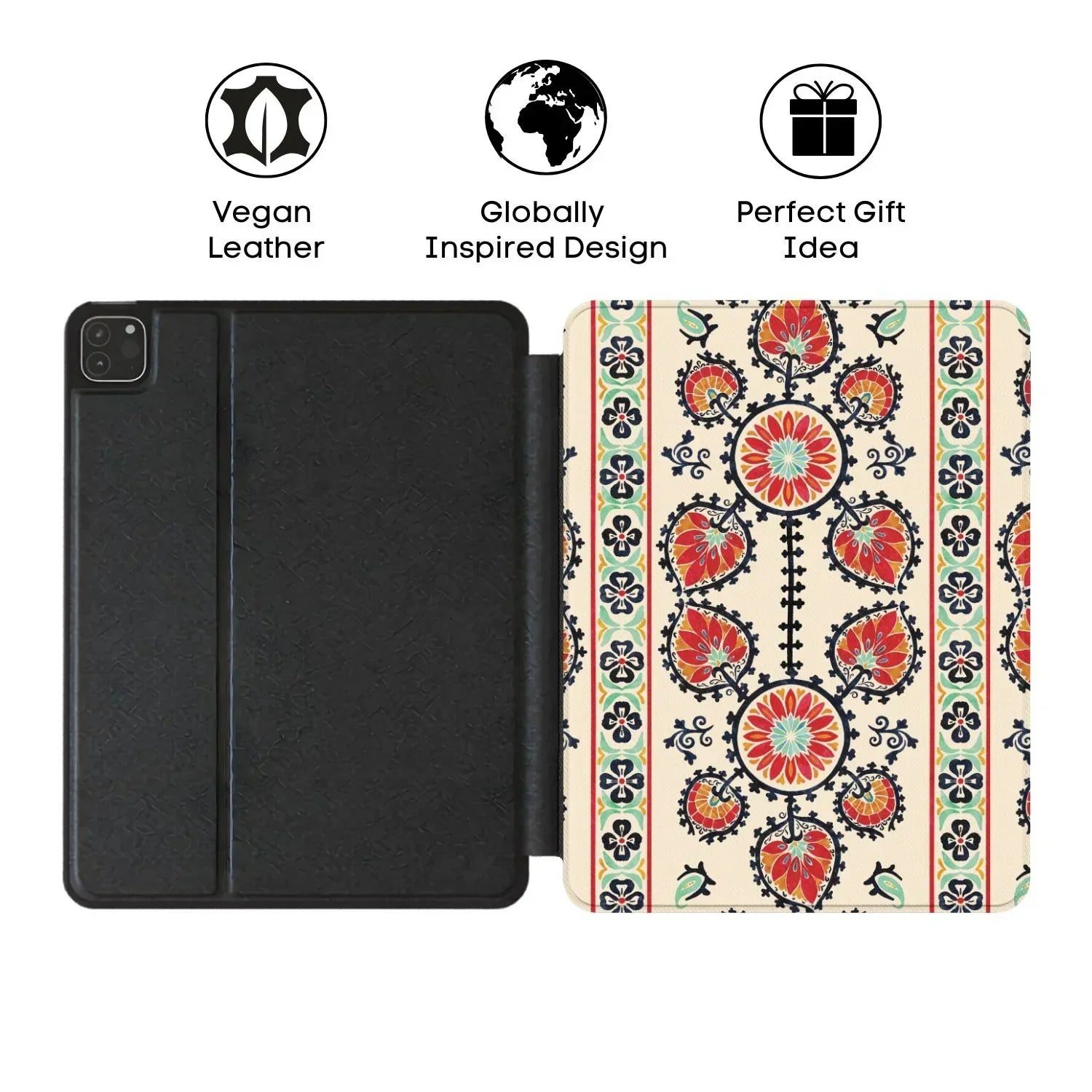
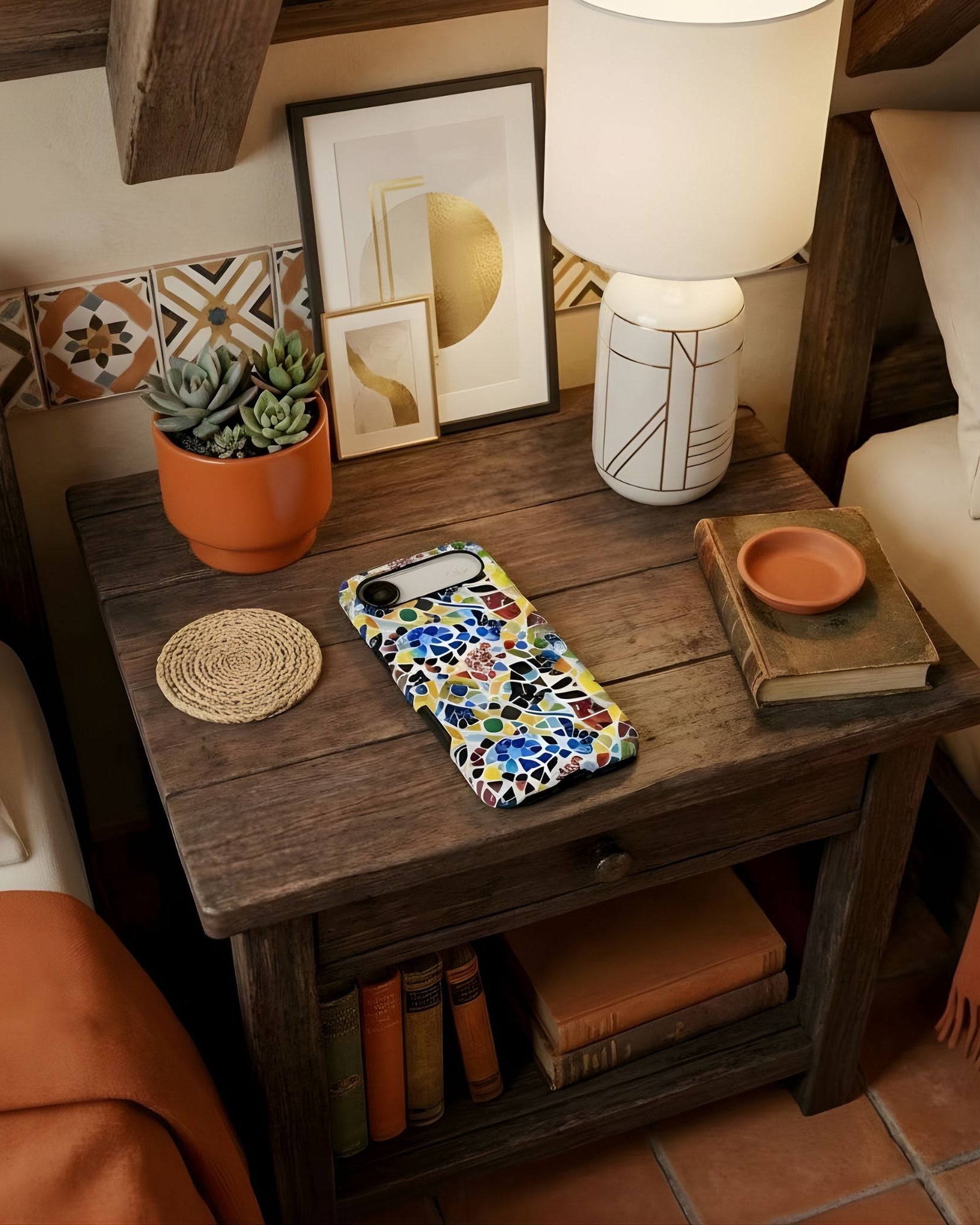
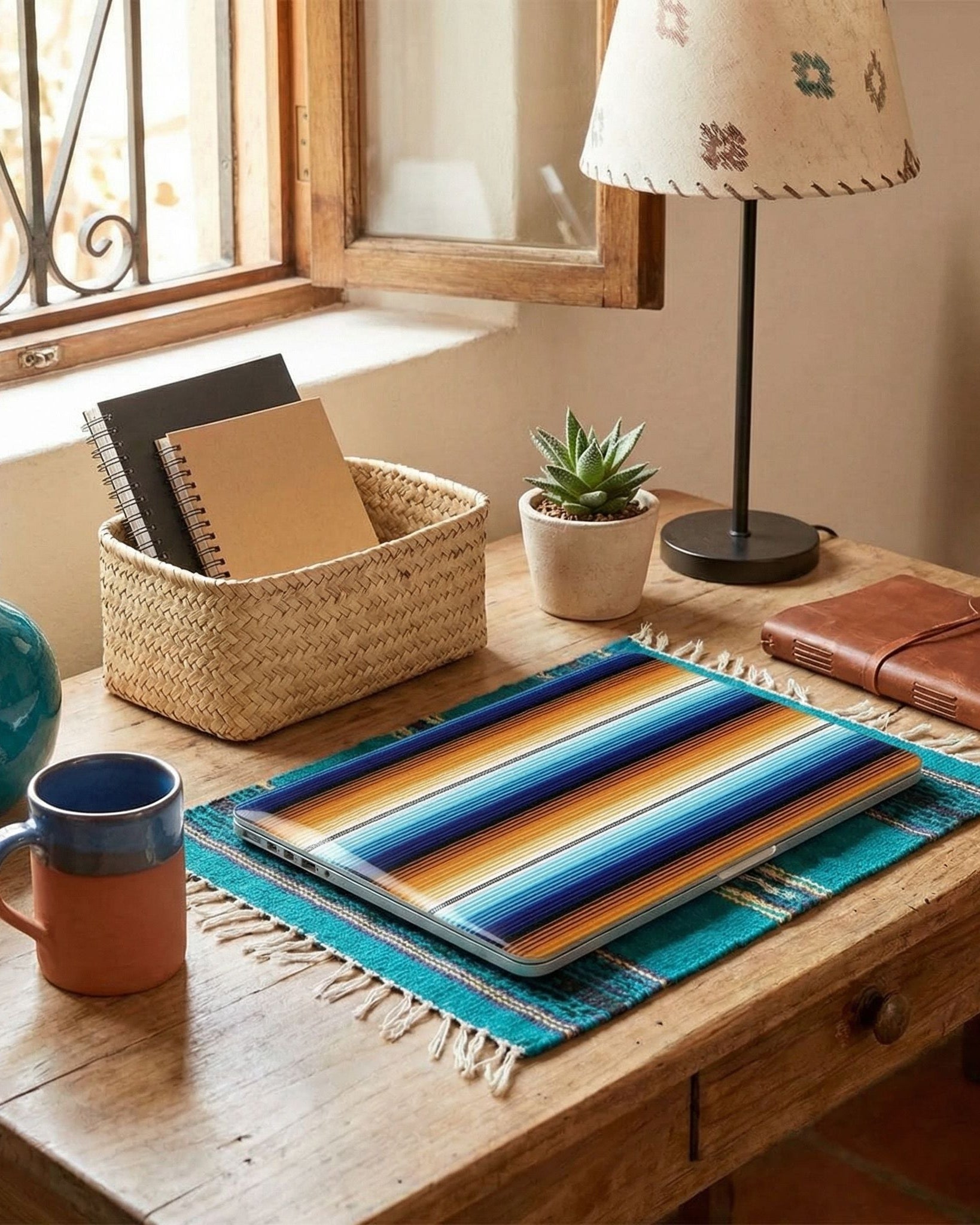



If you’ve ever wondered what is suzani fabric, you’re about to step into one of Central Asia’s most expressive art forms. Suzani is more than decoration—it’s storytelling stitched into cloth. From bold circular motifs to intricate vines, these textiles carry centuries of meaning, identity, and tradition. Today, uzbek suzani embroidery continues to evolve, appearing not only in historic homes but also in modern design, where heritage quietly blends into everyday life.

1. What Is Suzani Fabric?
At its core, suzani comes from the Persian word “suzan,” meaning needle. Suzani refers to large, hand-embroidered textiles traditionally made in Central Asia, particularly in Uzbekistan.
These pieces—often called suzani textiles—are typically crafted on cotton or silk fabric and embroidered with silk threads. What makes them instantly recognizable is their bold, rhythmic patterns and vibrant color palettes.

Each embroidered suzani is unique. No two are identical, because each reflects the hand, story, and intention of its maker.
2. Origins of Uzbek Suzani Embroidery
The roots of uzbekistan suzani embroidery trace back several centuries, flourishing along the Silk Road. Cities like Bukhara, Samarkand, and Tashkent became hubs of textile artistry, where cultural exchange influenced patterns and techniques.

Suzanis were not created in workshops for sale. They were deeply personal objects, often made within the home, passed down through generations, and tied to life’s most important milestones.
3. The Original Purpose: Life Inside the Yurt
Suzanis were designed for function as much as beauty.
Inside the yurt—a traditional nomadic tent—they served as protective panels for textiles and belongings. They were also used as prayer mats, bed coverings, and seating layers, replacing bulky furniture that didn’t suit a mobile lifestyle.

But their role went beyond practicality. Suzani pieces held symbolic meaning. Brides and their mothers traditionally created them as part of a dowry. On the wedding day, they were presented to the groom, representing unity between families and wishes for prosperity, health, and fertility.
4. How Suzani Is Used Today
While the traditional uses still exist in some regions, embroidered suzani has taken on new roles in modern spaces.
Today, you’ll find suzani textiles used as:
-
Wall hangings
-
Bedspreads
-
Upholstery accents
-
Decorative throws

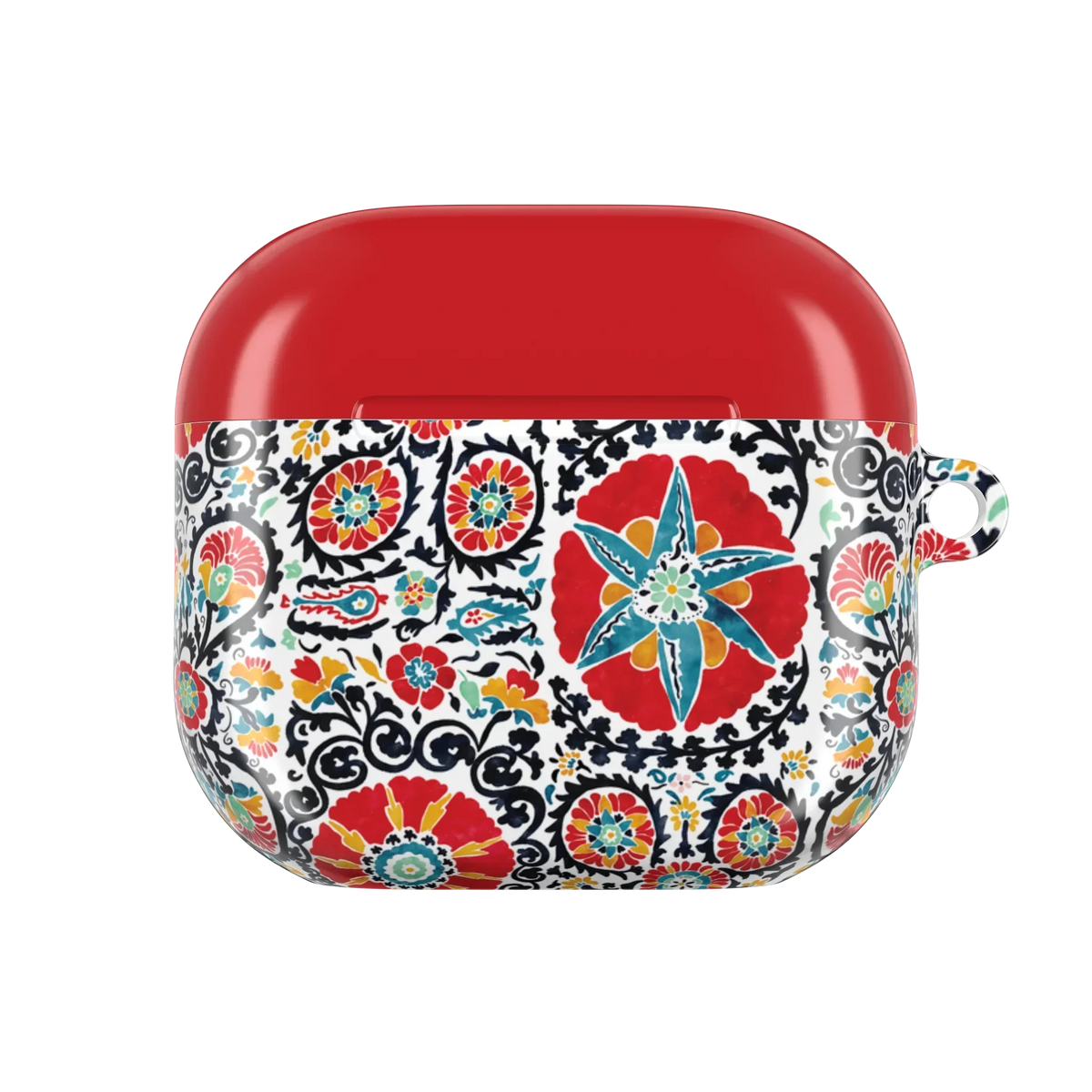
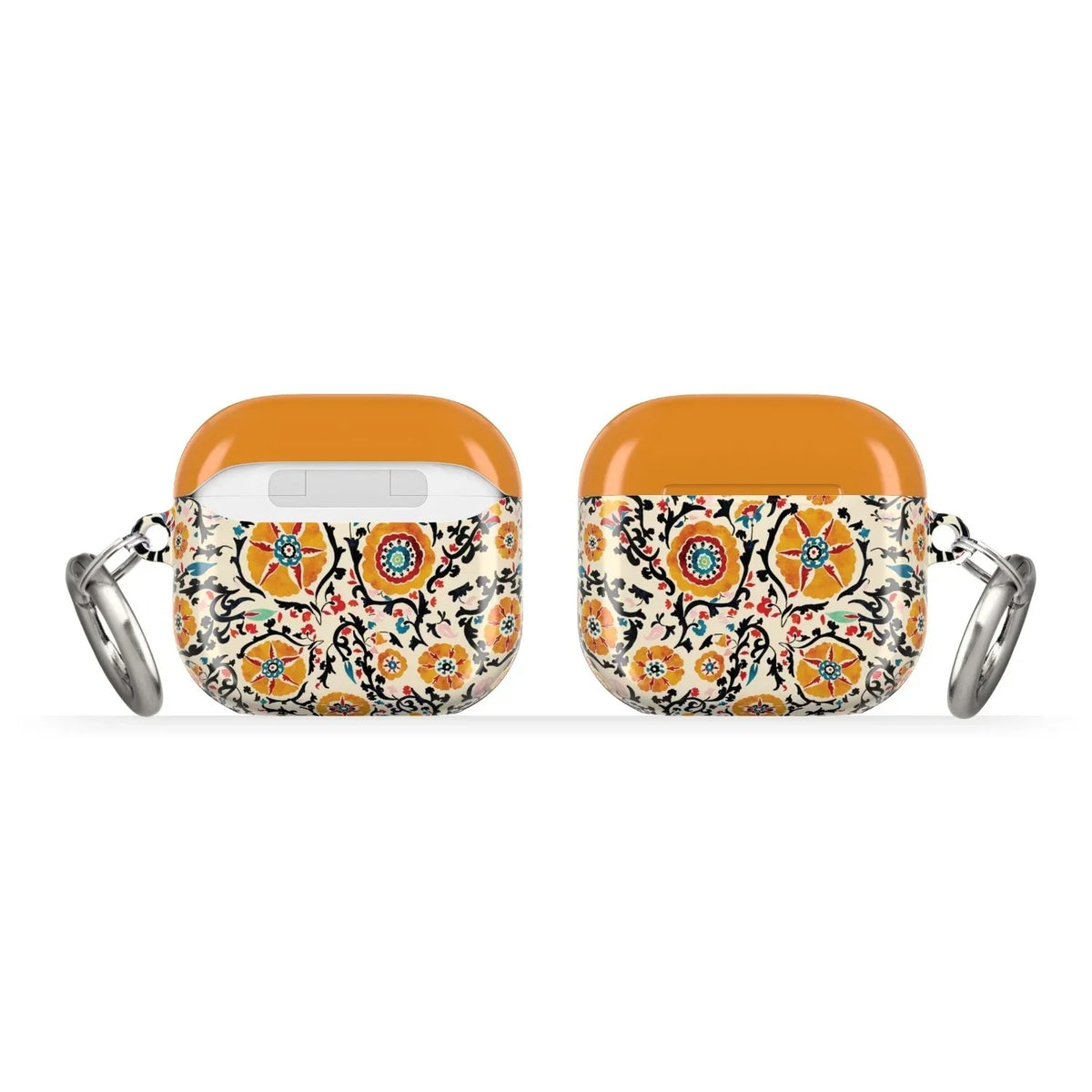
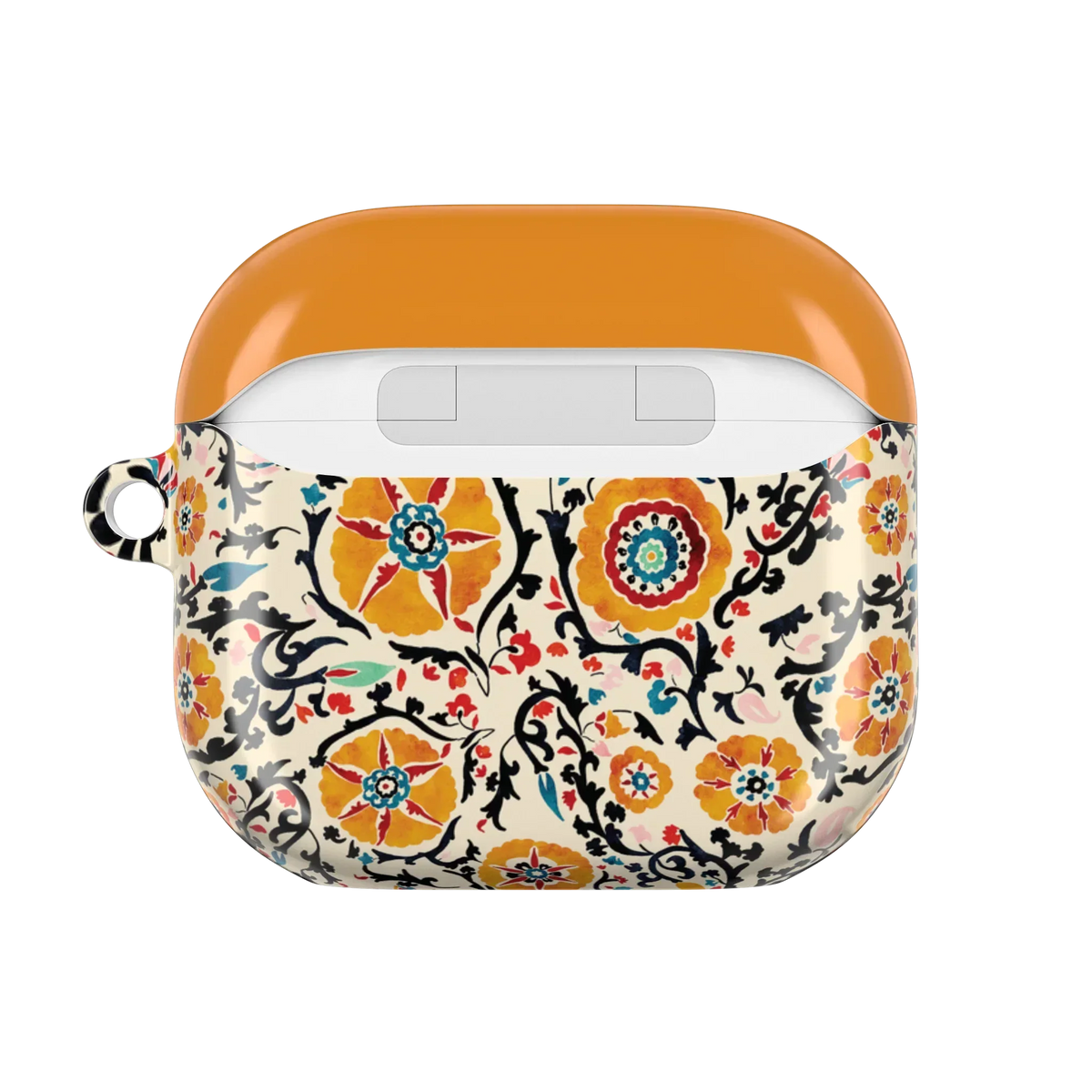
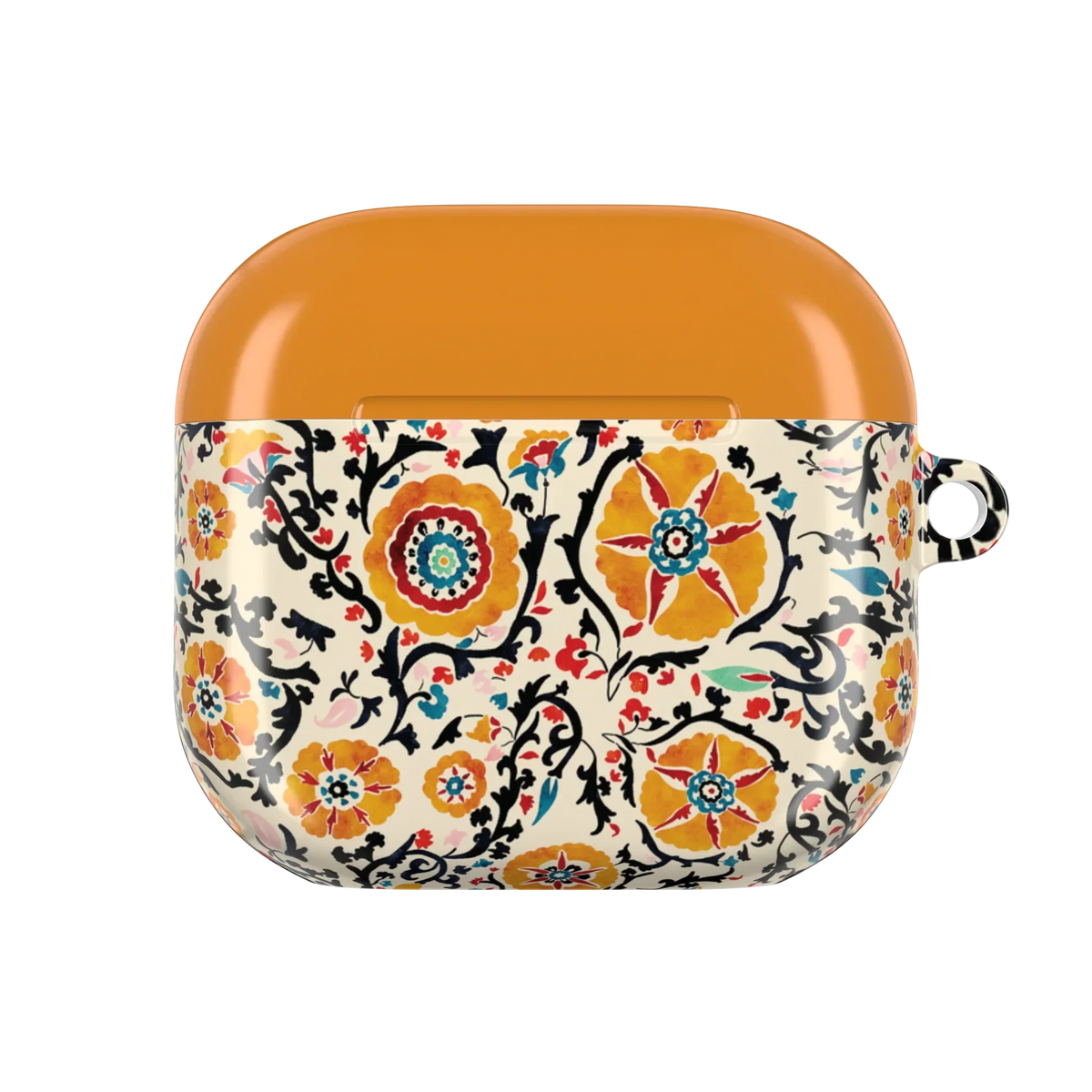
And increasingly, their patterns are reinterpreted in contemporary formats—bringing centuries-old motifs into objects that move with daily life rather than staying fixed on walls.
5. Materials Behind Suzani Textiles
Authentic uzbek suzani embroidery is crafted using:
-
Base fabric: Cotton or silk
-
Thread: Traditionally hand-dyed silk
-
Backing: Often pieced together from multiple fabric panels

The fabric was usually prepared in strips, then stitched together after embroidery. This is why many antique suzanis show visible seams—a signature of their handmade nature.
6. The Technique: A Labor of Patience
Suzani embroidery is known for its distinctive stitches, especially:
-
Chain stitch (ilmok)
-
Satin stitch (bosma)
-
Couching techniques
Designs were first drawn lightly onto the fabric, then divided among several women—each working on a section. This collaborative process often resulted in subtle variations across the piece, adding to its charm.

7. Types of Designs and Their Meaning
Every motif in suzani textiles carries symbolic weight.
-
Circles (medallions): Eternity, protection, the cycle of life
-
Vines and leaves: Growth and continuity
-
Flowers: Beauty, renewal, and joy

These designs were not random decoration. They were visual wishes—stitched intentions meant to shape the future of the family receiving them.
8. Popular Suzani Motifs
Some motifs appear again and again across regions:
-
Sun disks – Representing life and energy
-
Pomegranates – Fertility and abundance
-
Carnations and tulips – Love and beauty
-
Ikat-inspired patterns – Reflecting textile cross-influence

Each region developed its own signature style, making it possible to identify where a piece originated just by its patterns.
9. Colors and Natural Dyes
Color plays a central role in embroidered suzani.
Traditionally, dyes were derived from natural sources:
-
Madder root → deep reds
-
Indigo → rich blues
-
Walnut husks → earthy browns
-
Saffron or onion skins → warm yellows


The most iconic palette often includes bold reds, deep blues, and soft ivory backgrounds—creating a striking contrast that feels both grounded and vibrant.
10. Regional Variations in Uzbekistan Suzani Embroidery
Different regions in Uzbekistan developed their own interpretations of suzani:
-
Bukhara: Dense floral patterns, rich colors
-
Samarkand: Balanced, symmetrical compositions
-
Tashkent: More open designs with lighter spacing
-
Nurata: Fine stitching with delicate details

These variations highlight how uzbek suzani embroidery is not a single style, but a diverse artistic language.
11. Where to See Famous Suzani Textiles
If you want to experience historic suzani textiles up close, several institutions house remarkable collections:
-
The Victoria and Albert Museum (London)
-
The Metropolitan Museum of Art (New York)
-
The State Museum of Applied Arts (Tashkent)
-
The Textile Museum (Washington, D.C.)

You can explore examples online through:
These collections showcase how suzani evolved across time and regions.
12. The Global Impact of Suzani
Over time, uzbekistan suzani embroidery has moved far beyond Central Asia. Designers across the world have drawn inspiration from its bold symmetry and organic flow.

From high-end interiors to fashion runways, suzani has influenced:
-
Textile design
-
Surface pattern design
-
Contemporary embroidery styles

Its appeal lies in its balance—structured yet expressive, traditional yet adaptable.
13. Suzani in Everyday Design
Today, the language of embroidered suzani quietly integrates into modern life.
The same motifs that once lived inside yurts now translate seamlessly into everyday objects. A curved vine becomes a flowing pattern across a surface. A sun medallion becomes a focal point that draws the eye. The rhythm of repeated motifs creates a sense of movement—even in the smallest formats.

What makes this transition work is not just the visual appeal, but the story behind it. These designs carry history, intention, and symbolism. When adapted thoughtfully, they retain that depth while fitting into contemporary lifestyles.

Instead of feeling like artifacts, suzani textiles become part of daily routines—subtle reminders of cultural artistry that continues to evolve.
Closing Thoughts
Suzani is not just embroidery—it’s a living tradition. From its origins in Central Asian homes to its presence in modern design, it continues to adapt without losing its essence.
Understanding what is suzani fabric means recognizing both its history and its flexibility. It’s a form of expression that has traveled across time, cultures, and mediums—proving that great design doesn’t stay still.
And perhaps that’s what makes uzbek suzani embroidery so compelling: it’s not confined to the past. It moves forward, stitch by stitch.