


Have you ever looked at a woven pattern and felt as if its lines were gently moving? That soft, slightly blurred effect is one of the first clues that you may be looking at ikat. It is not a printing trick. It is part of the way the cloth is made.
With its layered color, irregular edges, and strong sense of rhythm, Indonesian Ikat is much more than decorative fabric. It is a wide family of weaving traditions shaped by different islands, communities, materials, and customs. Some cloths are bold and figurative. Others are quiet, geometric, and almost architectural. Some belong to everyday dress, while others are made for important ceremonies and family events.

Today, the visual language of ikat appears in museum collections, homes, fashion, and contemporary accessories. Here are 11 threads to follow through the history, craftsmanship, and continuing appeal of Indonesian ikat.
1. What Is Indonesian Ikat?
At its core, ikat is a resist-dye weaving technique. The yarn is patterned before the cloth is woven, rather than decorated after the fabric is finished. Sections of yarn are tightly bound so they resist dye, while the exposed areas take on color. Once the bindings are removed and the yarn is woven, the design begins to appear.
 Indonesian Ikat Textiles
That is the clever part: the weaver has to imagine the finished pattern before there is any cloth at all. A small shift in the yarn can create the soft edges that give ikat textiles their distinctive, lively look. The Australian Museum’s guide to Ikat explains the method clearly, from the dyeing of the yarn through to the finished weave.
In Indonesia, the technique has developed in many different ways. A textile from Sumba, Flores, Timor, Bali, or Kalimantan may all use ikat, yet their colors, motifs, materials, and cultural roles can be completely different.
2. The Name Is About Tying, Not One Specific Pattern
The word ikat comes from the Malay-Indonesian word mengikat, meaning to tie or bind. It points straight to the most important stage in the process: preparing and binding the yarn before it is dyed.
This is why ikat is not the name of one colorway, motif, or decorative trend. It is a way of creating pattern. The same technique can produce bold diamonds, quiet stripes, detailed figures, animals, and abstract compositions. The Met’s The Fabric of Life: Ikat Textiles of Indonesia is a lovely reminder of just how varied the results can be.
 Indonesian Ikat Textiles
So, when you see an Ikat-inspired design, it is better to think of it as part of a textile-making method rather than one fixed look.
3. Its History Spans an Archipelago
The story of Indonesian weaving is much bigger than one island or one origin point. The islands of Southeast Asia have long been a meeting place for migration, trade, languages, materials, and ideas. Weaving knowledge moved and changed over generations, while local communities developed their own ways of working with fiber, dye, and pattern.
The Met’s recent overview of textiles in Island Southeast Asia places weaving within long histories of migration, exchange, identity, and ceremony. The result is a tradition with deep local roots and a long history of adaptation.

Indonesian Woman Exploring Traditional Tenun Ikat Textiles
That is why Indonesian ikat should never be reduced to one generic pattern. Across Sumba, Flores, Timor, Bali, Kalimantan, Sulawesi, and beyond, textile traditions have their own names, visual codes, and ways of being worn or exchanged.
4. Originally, These Cloths Marked Life’s Important Moments
In many Indonesian communities, textiles were never simply clothes. They could appear at weddings, births, funerals, community ceremonies, and family exchanges. A cloth might show skill, signal belonging, carry memory, or help mark a major moment in someone’s life.
That gives traditional ikat a role that is both practical and deeply social. Ceremonial cloths could be worn, gifted, displayed, or kept as part of a family’s history. Everyday pieces had their own place too, but the distinction between ordinary and ceremonial use depended on the region and the community.
 Piles of Ikat Textiles
Sumba offers one well-known example: Indonesia Travel’s overview of Sumba tenun ikat describes the cloth’s continuing social, religious, and ceremonial importance. The bigger takeaway is simple: context always comes first. It is not accurate to assume that every Indonesian textile carries exactly the same message.
5. The Materials and Colors Behind Ikat Textiles
Many Indonesian ikat textiles are made with cotton, although silk and other fibers also appear in particular places and periods. The fiber affects the feel of the cloth, while the dye and loom shape its color, texture, and finish.
 Ikat Textiles in different materials
Color can come from plant-based dyes, modern dyes, or a combination of both. Natural indigo may build rich blue tones through repeated dye baths, while other local dye traditions can produce reds, rusts, browns, black, cream, and gold. What matters is the skill of the maker: measuring yarn, binding it precisely, working through repeated dye baths, and keeping the pattern aligned on the loom.

 Ikat Patterns in different colors
Blue ikat is only one color story within that wider picture. Blue can feel calm and refined beside cream, or much bolder beside red, ochre, or black. It should not be treated as the defining color of every Ikat tradition, though. In Indonesian weaving, color is closely connected to place, fiber, technique, and local taste.
Those handmade variations are part of the appeal. Slight shifts in tone or alignment are not necessarily flaws. They are often visible evidence that real hands and careful timing were involved.
6. The Technique: Binding Comes First
The most important part of ikat happens before the yarn reaches the loom. The pattern begins with binding.
First, the weaver plans the design directly onto bundles of yarn, working out where each color and uncolored area will eventually appear. The sections meant to stay light are then tightly bound with a resist material. When the yarn is dipped into dye, the covered areas resist the color while the exposed sections absorb it.
Once the bindings are removed, the hidden lighter areas begin to reveal the planned motif. For designs with several colors, this process may be repeated again and again: some bindings are removed, new sections are tied, and the yarn returns to another dye bath. It is a slow, highly precise process, because the weaver must picture the finished cloth long before there is any fabric to see.
The pattern is made in the yarn, not printed onto the finished textile. Only after the yarn has been tied, dyed, unbound, and carefully prepared is it placed on the loom. The gently blurred edges that make ikat textiles so recognizable come from the delicate alignment of those pre-dyed yarns during weaving.
 Wrapped and dyed Ikat thread
There are three main ways this process can be used:
Warp ikat
In warp ikat, the lengthwise yarns are the ones that are bound and dyed. They are then stretched onto the loom, and the crosswise yarns are woven through them. The weaver must keep the prepared warp threads aligned as the cloth takes shape, allowing the planned design to emerge.
 Warp Ikat weaving
Weft ikat
In weft ikat, the crosswise yarns are bound and dyed before weaving. The weaver adds them one row at a time, carefully aligning each thread with the one before it. The pattern gradually appears across the width of the textile, with every row requiring patience and close attention.
 Weft Ikat weaving
Double ikat
Double ikat is the rarest and most demanding technique because both the lengthwise and crosswise yarns are bound and dyed before weaving. The pattern has to meet accurately in two directions, making the process exceptionally difficult. One celebrated Indonesian example is geringsing from Tenganan in east Bali, a double-ikat textile with deep ceremonial importance. The Australian Museum’s record of a geringsing ceremonial textile offers a closer look at this exceptional tradition.
 Double Ikat weaving
7. Popular Ikat Designs and Their Meaning
One of the pleasures of Indonesian ikat is that a pattern can look simple at first glance, then reveal more the longer you look. Repeated forms create rhythm, while small changes in color and alignment keep the surface from feeling mechanical.
Popular visual themes include:
Geometric forms
Diamonds, hooks, stripes, crosses, stars, and stepped shapes can create a strong graphic structure. Repetition gives these designs their energy.
 Geometric Ikat Weaving
Plants and flowers
Stylized leaves, vines, and blossoms bring softness and growth into a woven composition.
Animals and figures
Horses, birds, deer, reptiles, and human forms may connect to local stories, status, belief, or daily life.

Animal figures Ikat Textiles
Water and maritime imagery
Boats, waves, and other flowing forms can reflect island landscapes and connections between communities.
It is tempting to treat every motif like a universal symbol dictionary. But that is rarely accurate. A horse, bird, or geometric arrangement can mean different things depending on where it was made, who used it, and when it was worn. The best approach is simple: look for the local context before assigning a meaning.
8. Regional Variations Make Ikat More Interesting
Indonesian ikat is not one look repeated across the country. Some Sumbanese cloths are large, bold, and figurative. Textiles from Flores and Timor can have very different stripe systems, colors, and compositions. Bali has its own ikat traditions, while Tenganan is especially known for geringsing. Kalimantan is home to distinctive Dayak textile traditions too.
These differences are not small details. They are the heart of the tradition. The more you learn about regional textile identities, the more you notice how much information can be held in a woven surface.
 Different types of Ikat Textiles
It is also useful to remember that not every patterned Indonesian textile is ikat. Batik uses wax-resist dyeing on cloth, while songket adds supplementary threads during weaving. They are all remarkable traditions, but they are made in different ways and deserve to be understood on their own terms.
9. Where to See Indonesian Ikat
If you would like to see historic examples in person, Indonesia is naturally the place to begin. Textile museums, local cultural institutions, and artisan communities offer the best opportunity to see how cloth relates to place, ceremony, and everyday life.
Outside Indonesia, museum collections are an excellent place to explore older pieces up close. The Met, the Australian Museum and the Cleveland Museum of Art hold important examples and share useful information online. Look for museum labels that identify the region, community, material, date, and use of a textile—those details often reveal far more than a pattern name alone.
 Hinggi, early 1900s. Indonesia, Sumba. The Cleveland Museum of Art

Hinggi, 1800s. Indonesia, Sumba. The Cleveland Museum of Art
Contemporary weavers and local textile communities matter just as much. Ikat is not only a museum subject; it remains a living practice, with makers adapting skills, materials, and markets while preserving knowledge rooted in their own communities.
10. Indonesian Ikat Has a Global Story
Ikat has always been connected to movement. Trade routes carried fibers, dyes, beads, tools, visual ideas, and finished cloth through the Indonesian archipelago and beyond it. Some textile traditions show connections with India, mainland Southeast Asia, China, the Islamic world, and Europe, while remaining strongly rooted in local landscapes and belief systems.


That is why the global history of ikat is not a story of imitation. It is a story of exchange, adaptation, and local creativity. Communities took new materials and ideas, then made them their own through color, technique, and pattern.
It is also worth remembering that not every exchange was equal or peaceful. Colonial trade affected the movement of materials and goods across the region. Looking at Indonesian ikat with that fuller history in mind gives the cloth more depth, not less.
11. Indonesian Ikat in Everyday Design
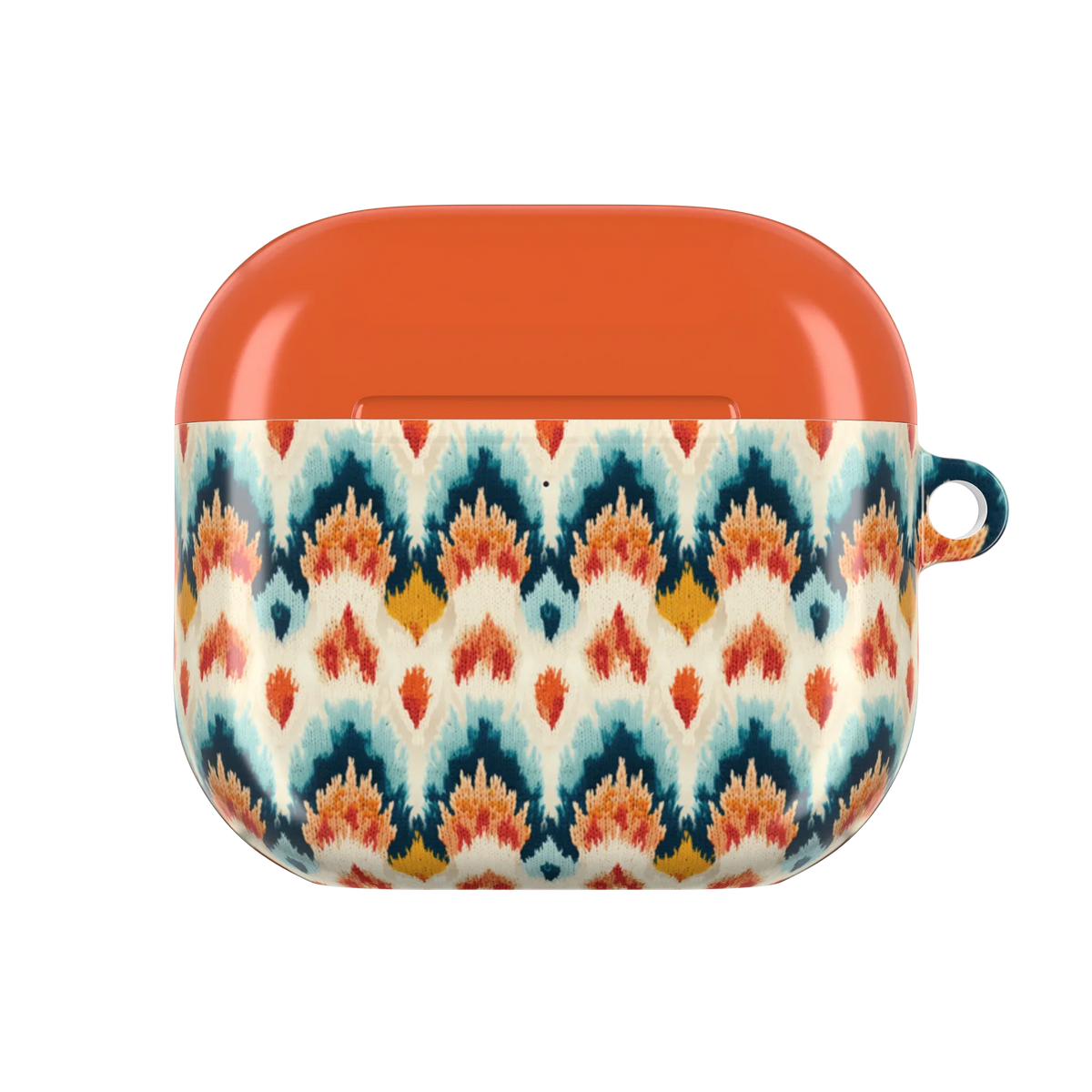
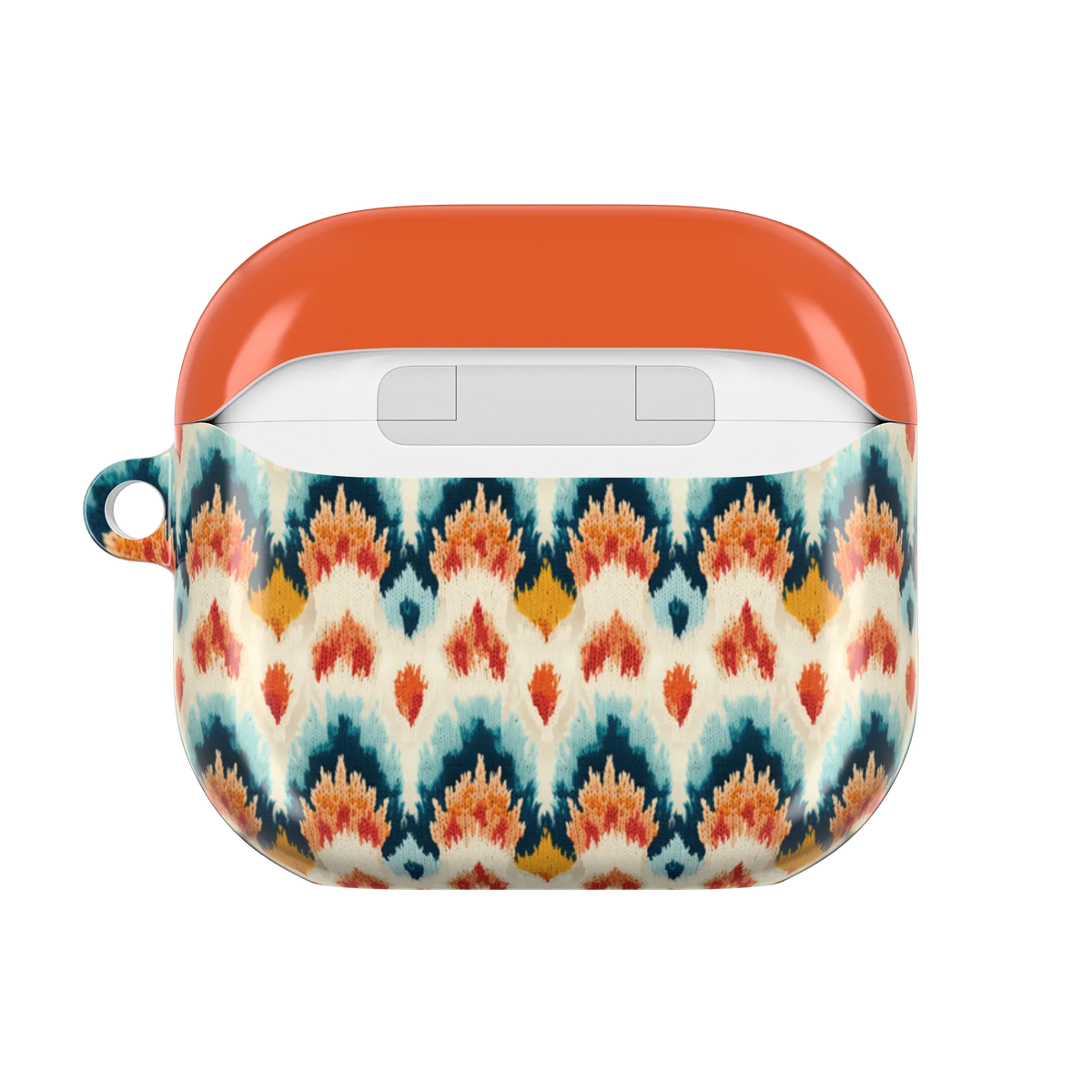
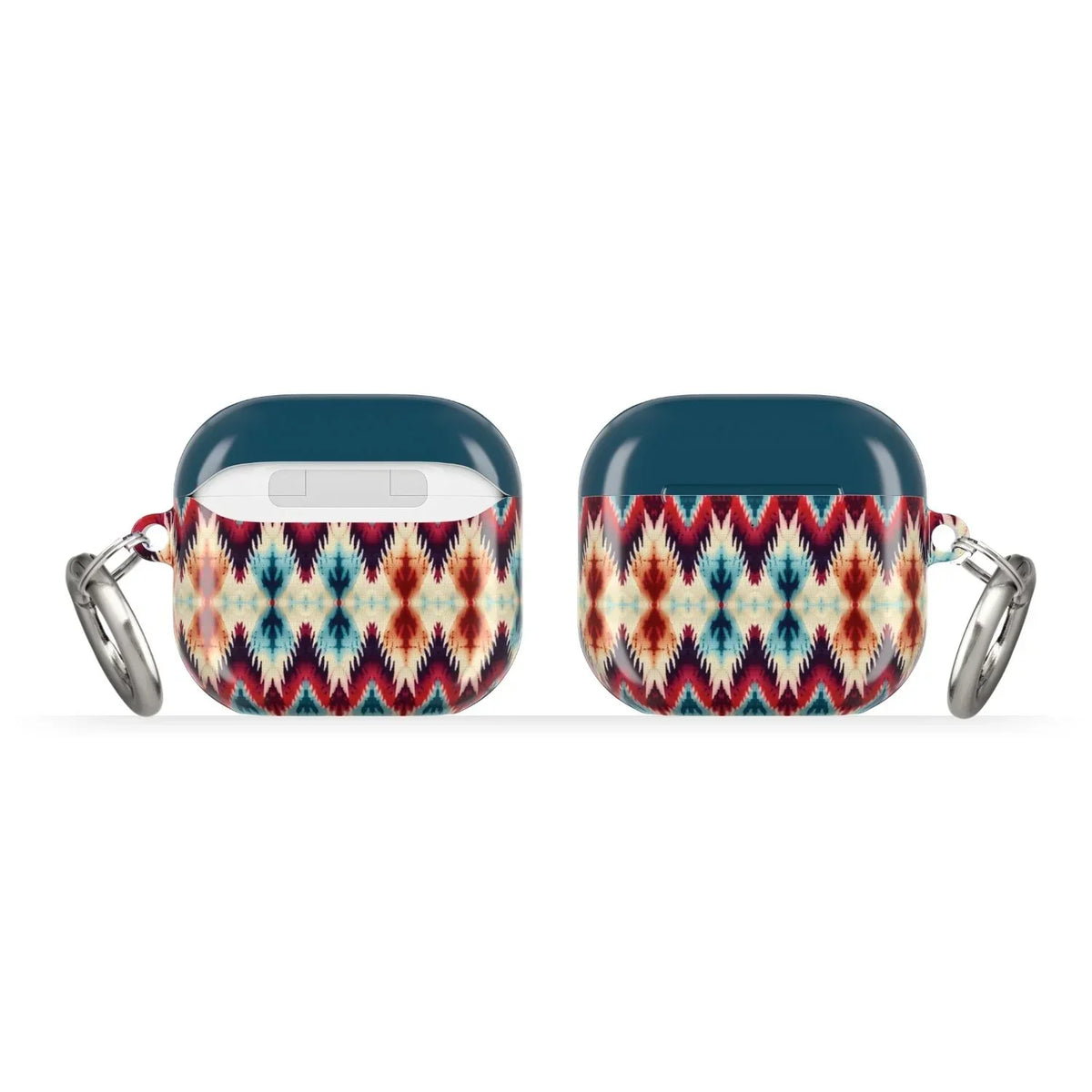
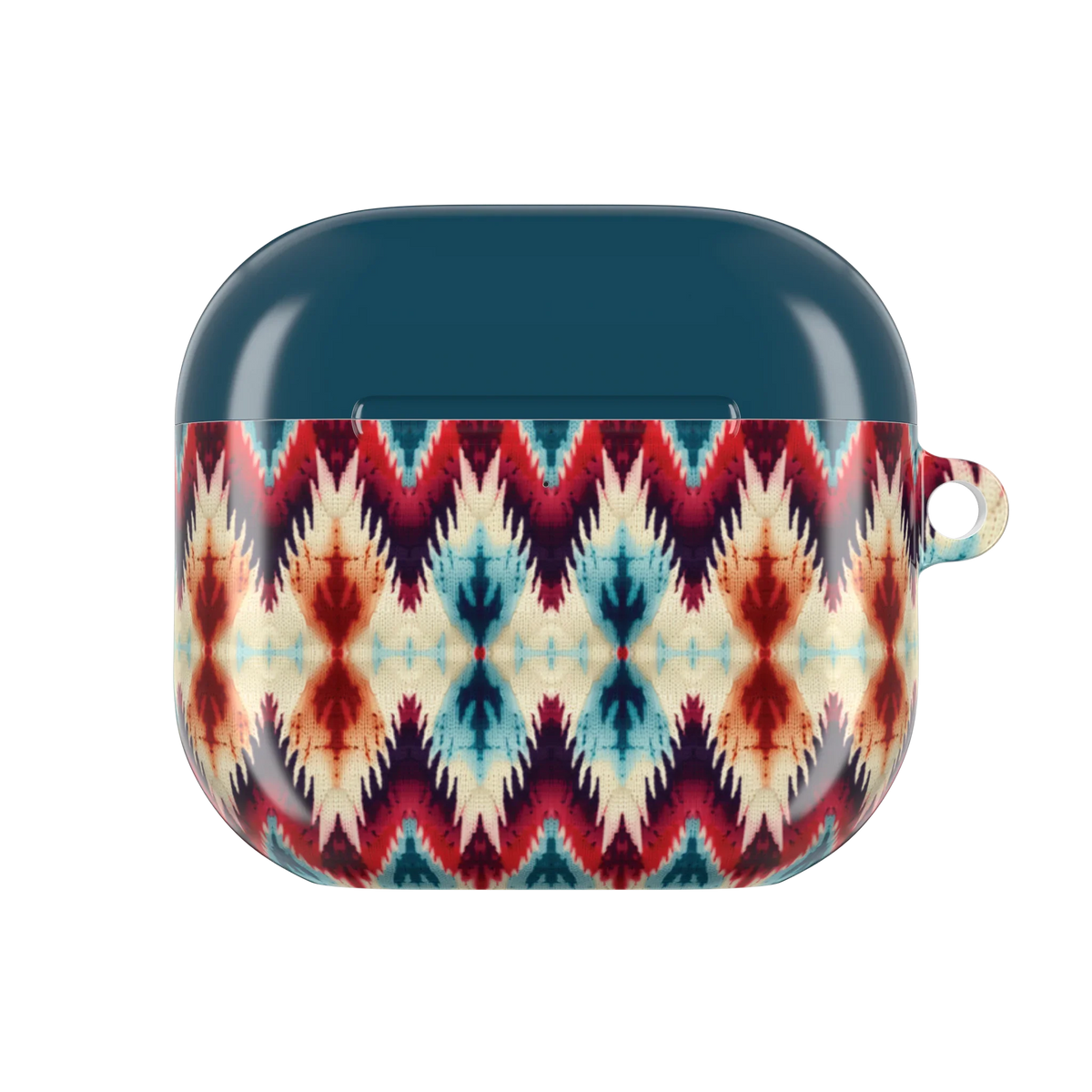
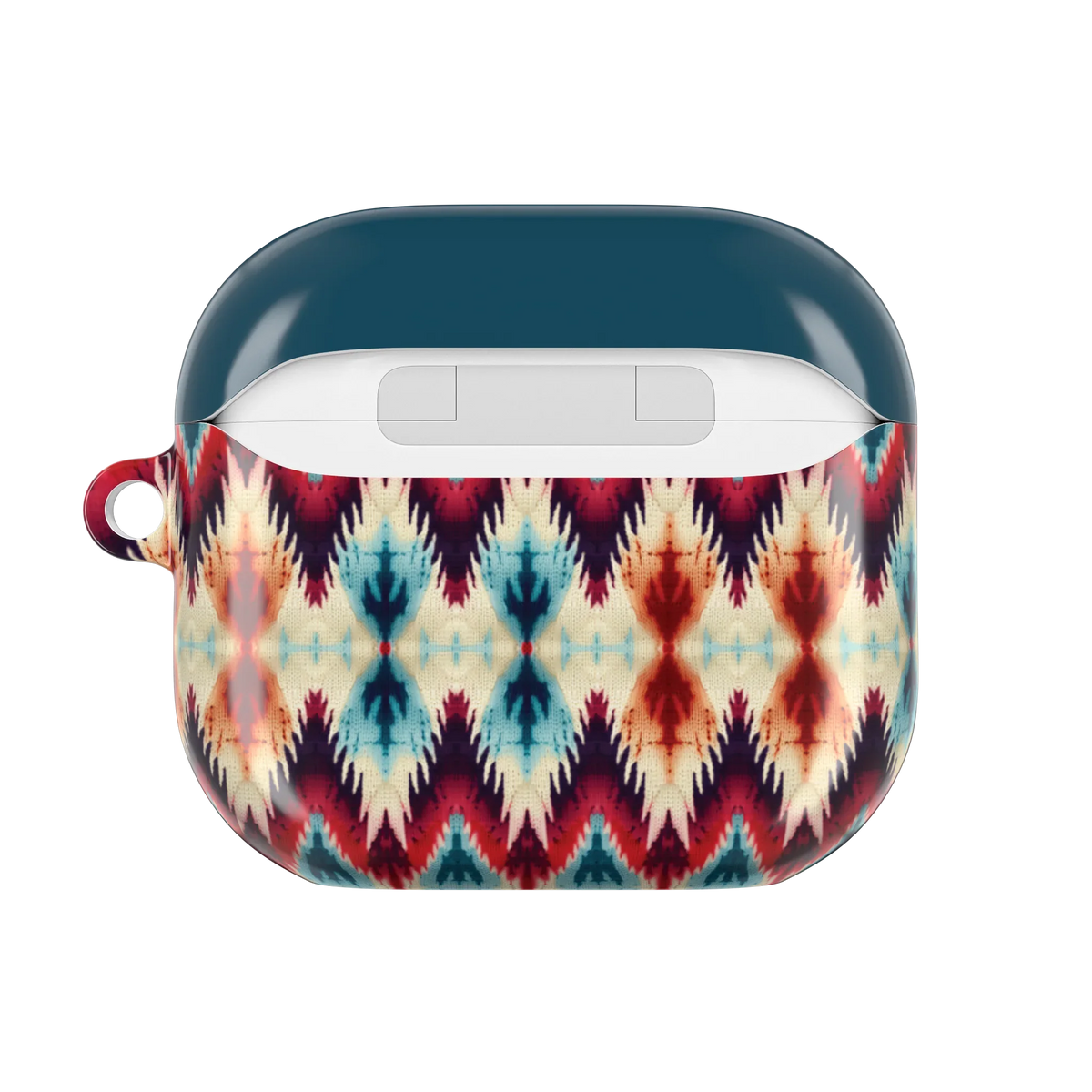
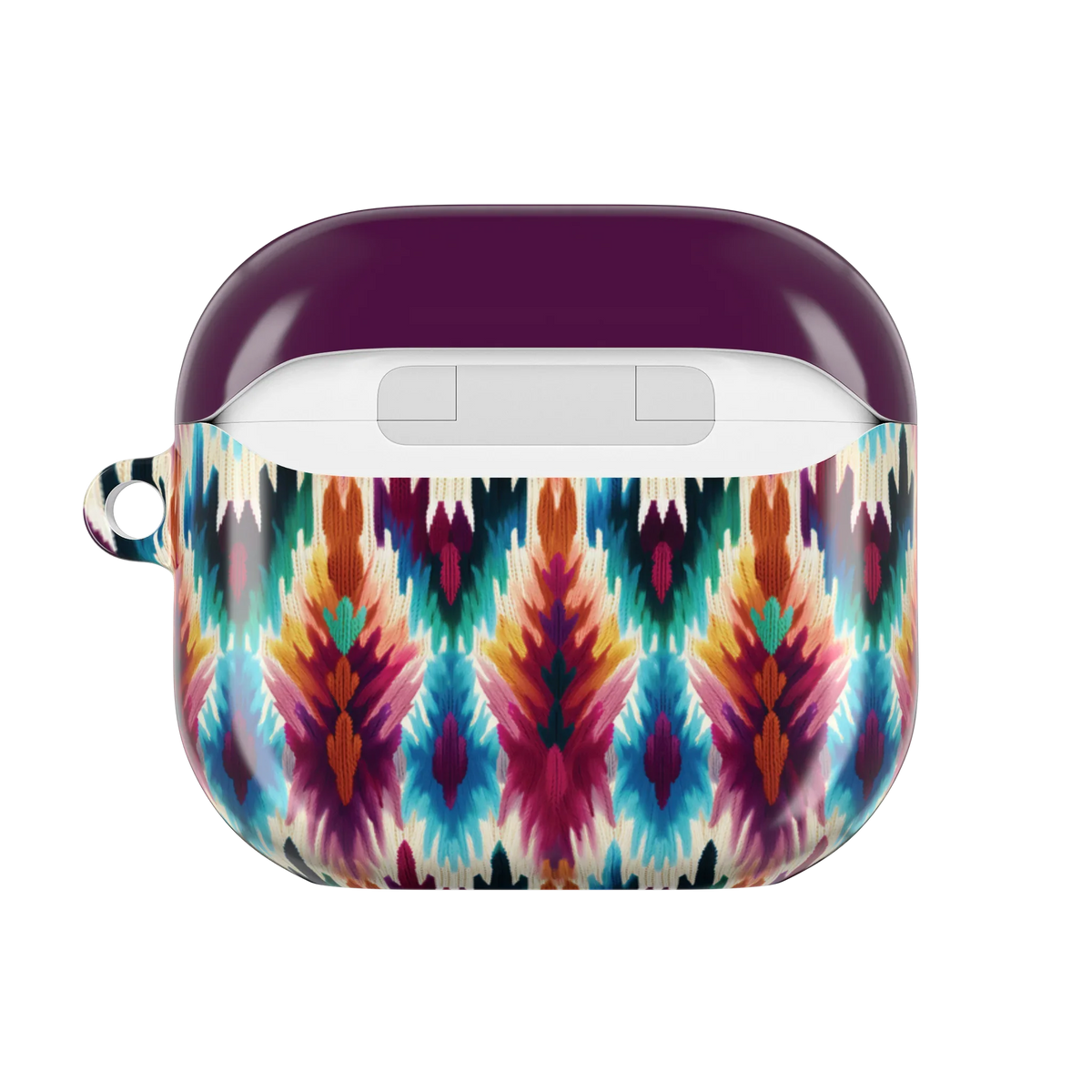
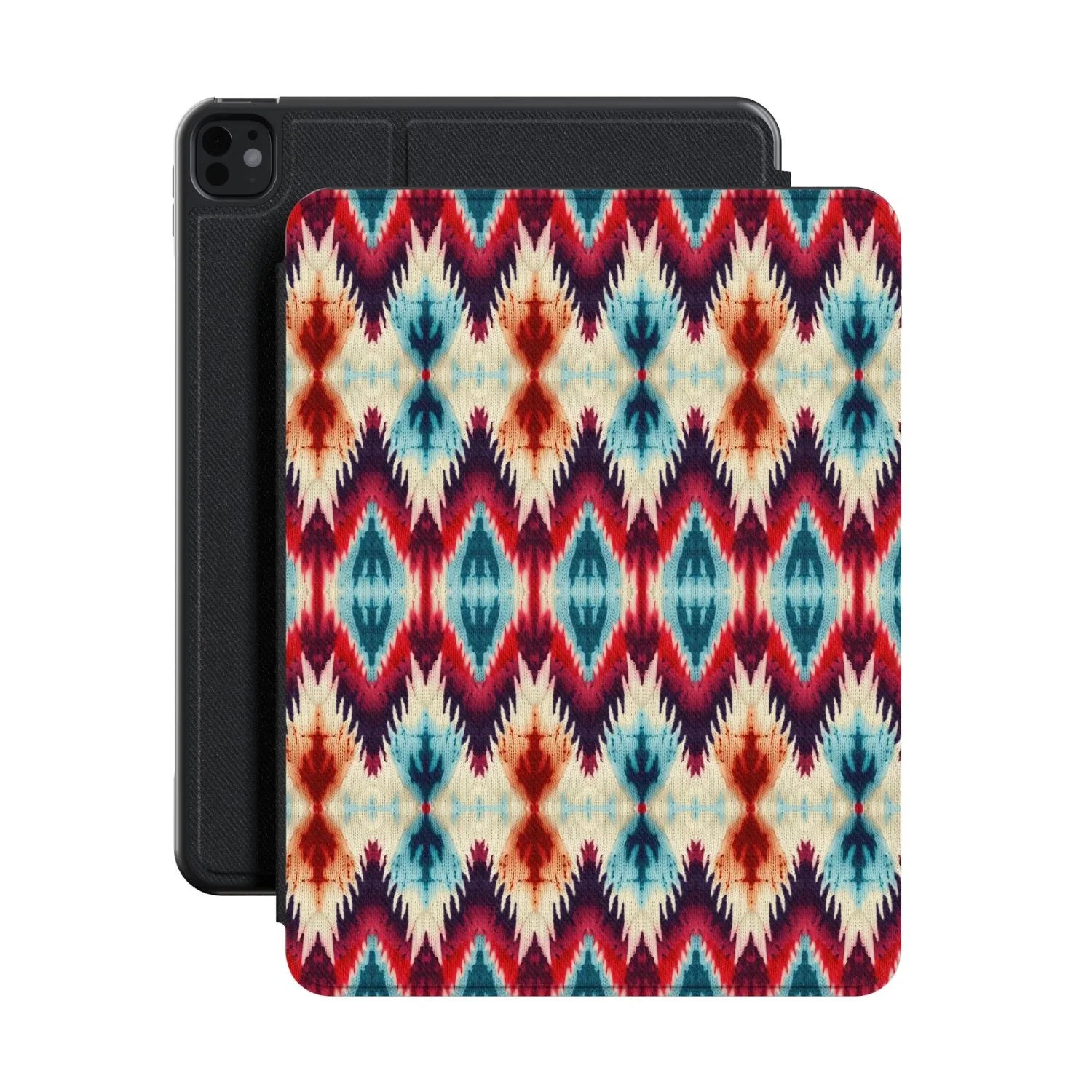
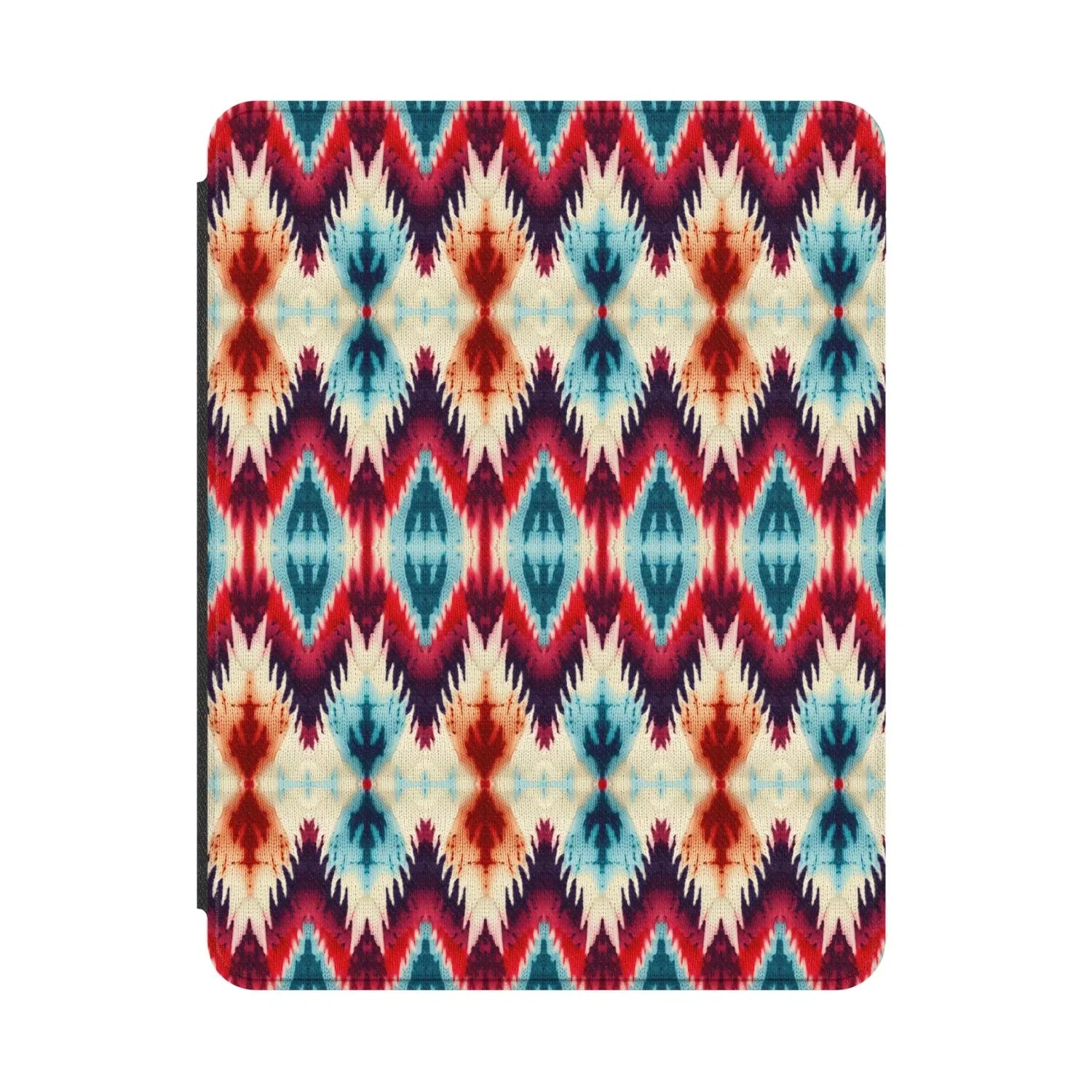
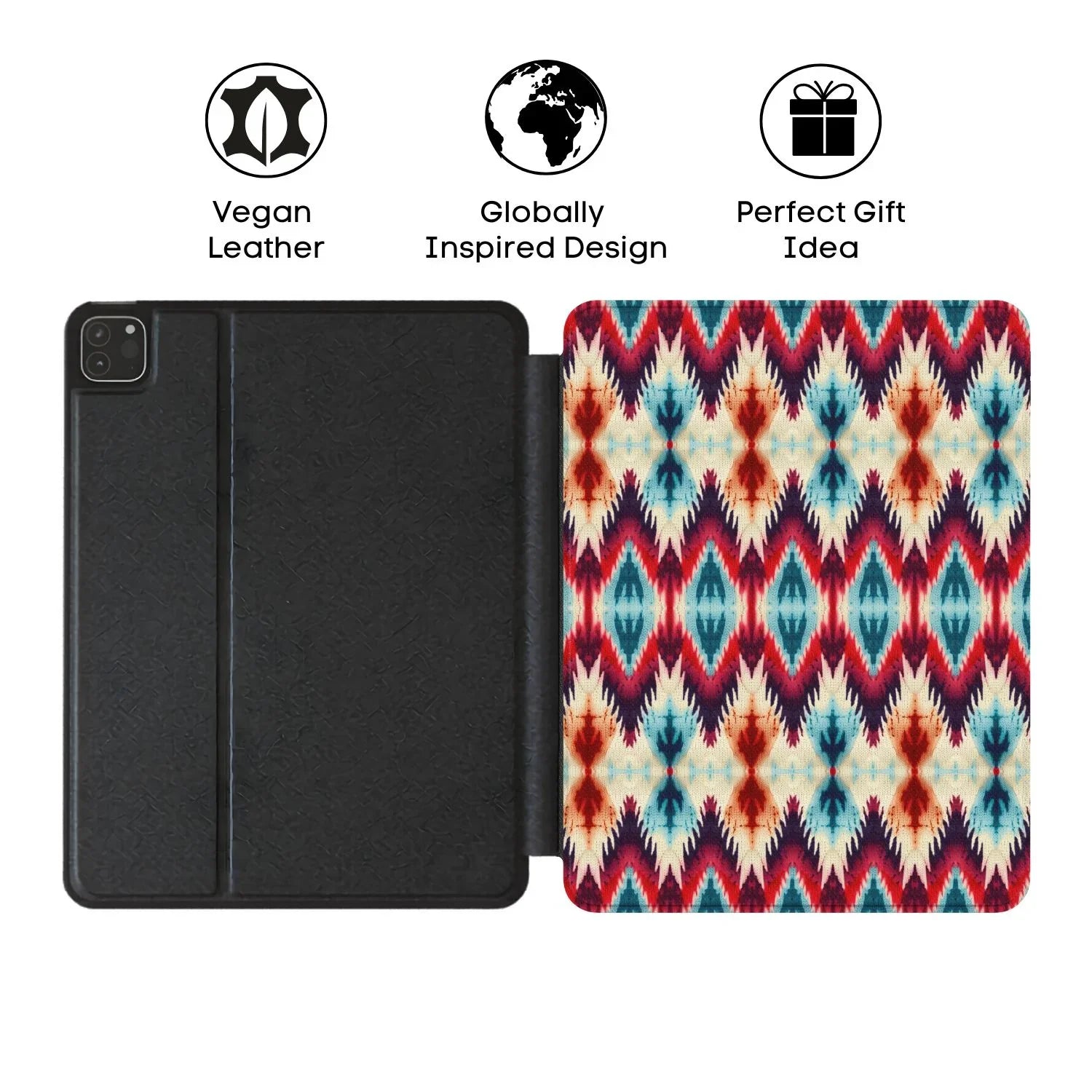
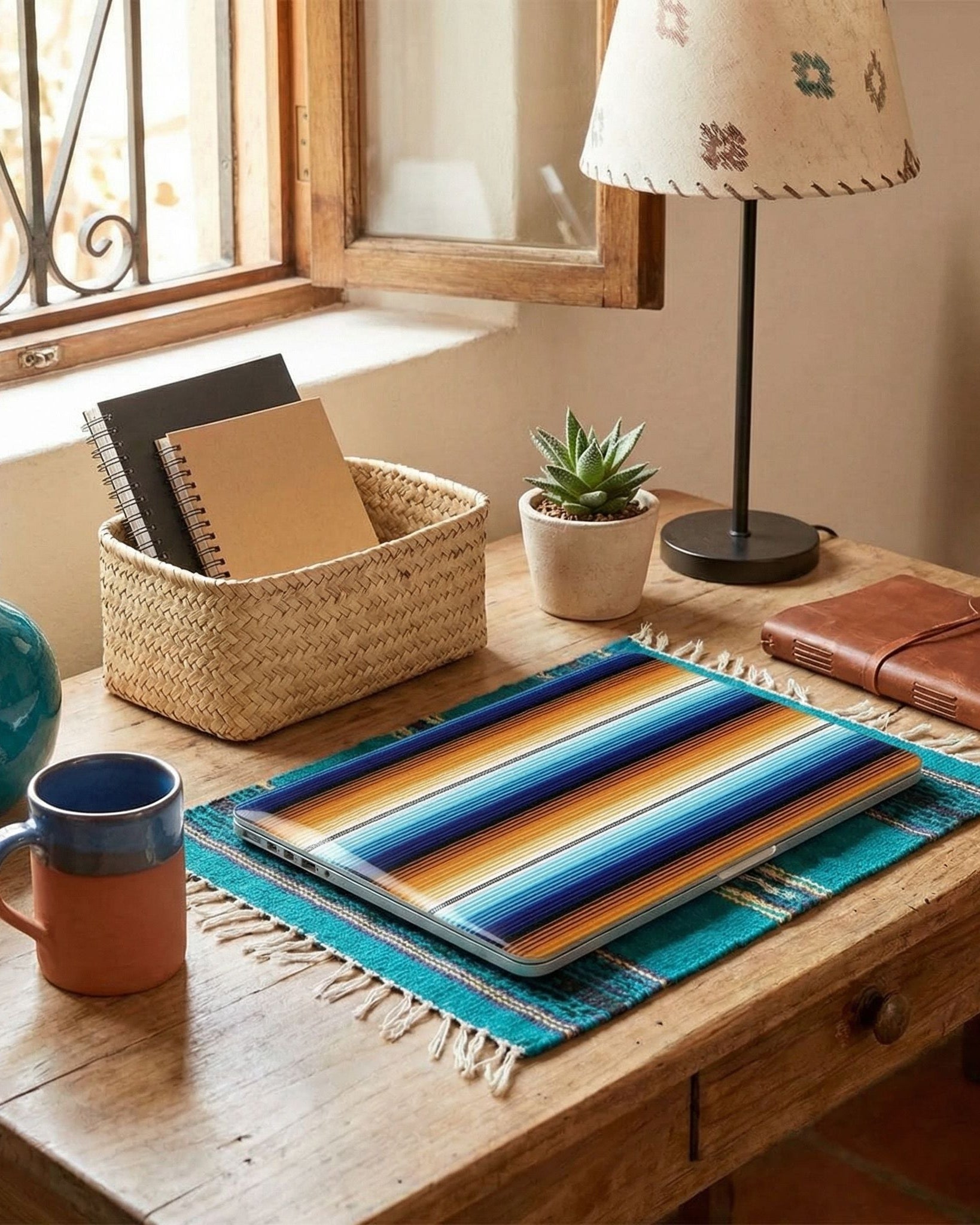
The visual language of ikat works beautifully in everyday design because it already has movement, balance, and personality. A small repeat can feel graphic and modern on a phone case, while a larger field of pattern can bring warmth to a tote, pouch, desk mat, or textile accessory.
 Surabaya Ember Ikat iPhone Case
That does not mean a contemporary accessory is the same thing as a handwoven ceremonial cloth. It is better understood as an Ikat-inspired interpretation: a way of appreciating the rhythm of resist-dyed yarn and the variety of Indonesian design traditions in a new setting.
 Yogyakarta Indigo Ikat MacBook Case
Shop Indonesian Ikat gifts inspired by traditional ikat textiles to see how that idea translates into modern pieces. Compact motifs also find a natural home on Indonesian Ikat iPhone cases, while Indonesian Ikat Samsung cases bring the same globally inspired color and pattern to Samsung devices.
As with any thoughtful Indonesian gifts, the story behind the pattern is part of what makes it meaningful.
Closing Thoughts
Indonesian ikat is not simply a pattern category. It is a way of making that brings planning, color, memory, and skill together before the yarn even reaches the loom.
From a quiet geometric textile to a richly detailed ceremonial cloth, ikat rewards a slower look. The more you learn about the technique and the communities behind it, the more those shifting lines begin to tell a story.