



If you’ve ever wondered what is shibori, you’re not alone. This centuries-old Japanese textile technique has quietly shaped everything from traditional garments to modern design trends. Recognizable by its flowing indigo patterns and organic textures, Shibori stands apart from typical tie dye fabric with a level of precision and artistry that feels almost meditative.

Today, this iconic japanese textile continues to evolve—moving from ceremonial fabrics to everyday objects we interact with daily. But to truly appreciate it, you have to go back to where it all began.
1. What Is Shibori?
At its core, Shibori is a resist-dyeing technique. Fabric is folded, twisted, stitched, bound, or compressed before being dyed, creating intricate patterns where the dye does not penetrate.

The word “Shibori” comes from the Japanese verb shiboru, meaning “to wring, squeeze, or press.” That definition perfectly captures the essence of the process—manipulating cloth to control how color flows.
Unlike standard tie dye fabric, which often embraces randomness, Shibori is intentional. Every fold, bind, or stitch has a purpose.
But beyond its literal translation, Shibori represents something deeper, it's transformation through constraint. The beauty of the design comes from limitation—where the fabric resists the dye, patterns emerge.


It reflects a broader Japanese aesthetic philosophy: finding beauty in simplicity, imperfection, and process.
2. A History That Goes Back Further Than You Think
Shibori dates back over 1,300 years, with early examples appearing during Japan’s Nara period (710–794). Some historians even trace similar resist-dyeing methods to ancient China and India, but these techniques were refined in Japan into something uniquely intricate and methodical.
By the Edo period (1603–1868), Shibori had evolved into a highly sophisticated art form. Artisans developed complex techniques that allowed even the simplest fabrics to carry extraordinary visual depth and detail. What began as a practical method had, by this point, become a refined expression of craftsmanship and creativity.


So instead of thinking of Shibori as just a “1,000-year-old craft,” it’s more accurate to see it as a tradition shaped, refined, and elevated over more than a millennium.
3. Originally, It Was Practical
Shibori was not created only for decoration. In its earlier uses, it also had a practical side, especially because the dyeing process could offer everyday advantages for clothing and household textiles. Some of the reasons it became so useful were:
- It helped disguise stains and signs of wear, making fabrics look better for longer.
- It gave simple cloth more visual richness, allowing ordinary textiles to feel more special without requiring expensive materials.
- It allowed people to refresh garments without replacing them, thus increasing their longevity.


In daily life, Shibori appeared on kimonos, workwear, and household textiles, where beauty and function often went hand in hand. Over time, that practical value grew into something much more artistic.
4. The Creation Process: Where the Magic Happens
Shibori is as much about preparation as it is about dyeing. The process typically follows these steps:
-
Folding, binding, stitching, or twisting the fabric
-
Securing it with thread, clamps, or tools
-
Submerging it in dye—traditionally indigo
-
Allowing oxidation to develop the color
-
Unbinding to reveal the pattern


Traditionally, Shibori is done on natural fibers such as cotton, silk, and hemp. These materials absorb dye exceptionally well, allowing for the crisp contrasts and soft gradients that define this japanese textile.
The reveal is always a moment of surprise. Even the most controlled technique carries a touch of unpredictability.
5. Colors and Dyes: Why Indigo Dominates
Shibori is most commonly recognized for its deep indigo blue tones, a defining feature that has come to symbolize the craft itself.
 But this choice of color wasn’t just an aesthetic choice—it offered practical advantages:
- Widely available in Japan, making it accessible for everyday use
- Naturally antibacterial, helping keep fabrics fresher for longer
- Highly colorfast, meaning it holds its depth and richness over time
- Produces layered tones, from soft blues to deep navy

Today, modern interpretations of Shibori explore a wider range of colors—from earthy neutrals to bold contemporary palettes. Yet even with these innovations, indigo remains the visual signature of this craft.
6. Signature Techniques That Define Shibori
Shibori isn’t just one method—it’s a family of techniques, each with its own process, rhythm, and visual identity. The beauty lies in how differently the fabric is manipulated before dye ever touches it.
-
Kanoko Shibori – This technique involves pinching sections of fabric and binding them tightly with thread to resist the dye. It creates soft, organic circular patterns, similar to but more controlled than traditional tie dye fabric.
-
Arashi Shibori – Fabric is wrapped diagonally around a pole and tightly bound before dyeing. The result is dynamic, diagonal streaks that resemble rain or storm-like movement.
-
Itajime Shibori – The fabric is folded into geometric shapes and clamped between blocks to block the dye. This produces bold, symmetrical patterns with clean, sharp edges.
-
Kumo Shibori – This method uses fine pleating and tight binding at specific points across the fabric. It creates intricate, web-like designs with a delicate and detailed appearance.
-
Nui Shibori – Patterns are stitched into the fabric and then pulled tight to gather the material before dyeing. Once the threads are removed, they reveal precise, often linear designs with a high level of control.
- Miura Shibori – This technique uses small sections of fabric that are plucked and loop-bound with thread, rather than tightly tied. It creates soft, water-like patterns with a more fluid and less rigid look than other Shibori methods.

Each technique produces a distinct visual language, making Shibori incredibly versatile within the world of japanese textile design.
7. Shibori vs. Tie Dye: What’s the Real Difference?
At a glance, Shibori and tie dye fabric can look similar—but they’re fundamentally different.
Shibori is rooted in structure and intention. Each fold, stitch, or clamp is carefully planned before the dye is applied. The result is a pattern that feels controlled, often repeating or following a clear visual rhythm.

Tie dye fabric, on the other hand, tends to be more spontaneous. The process usually involves twisting or binding fabric in a looser, less structured way, allowing the dye to spread more freely. The outcome is often unpredictable, with bold bursts of color and less emphasis on precision.

In essence, while both techniques resist dye to create patterns, shibori leans toward craftsmanship and method, whereas tie dye fabric embraces experimentation and chance.
8. The Global Influence of Shibori
Shibori has moved far beyond its origins in Japan, becoming a globally recognized design language. Today, you’ll find its influence across fashion, interiors, and contemporary art, from high-end runway collections to independent makers experimenting with textiles. Its appeal lies in its balance—structured yet organic, traditional yet adaptable—which makes it easy to reinterpret across cultures without losing its essence.

Organizations like the World Shibori Network have played a key role in documenting and preserving these techniques while encouraging innovation. As a result, Shibori continues to evolve, inspiring designers around the world to blend heritage craftsmanship with modern creativity, keeping this iconic japanese textile relevant in today’s design landscape.

9. Why Shibori Still Feels Modern
Despite being over a thousand years old, Shibori feels effortlessly relevant today. Its patterns don’t follow rigid symmetry or predictable repetition—instead, they flow naturally, creating designs that feel organic, relaxed, and visually alive. In a design world that’s shifting away from perfection, that kind of imperfection feels refreshing.


It also aligns with the growing appreciation for slow, intentional creation. Even when reproduced through modern techniques, Shibori carries the story of its process—every fold, bind, and dye leaves a trace. That sense of process-driven design resonates with people who want objects to feel meaningful, not mass-produced.

At the same time, Shibori adapts easily to contemporary aesthetics. Whether used in fashion, interiors, or everyday accessories, its fluid patterns and timeless indigo tones blend seamlessly with both minimal and bold styles. It’s this balance—heritage meets versatility—that keeps Shibori feeling current without losing its roots.
10. From Textile to Everyday Design
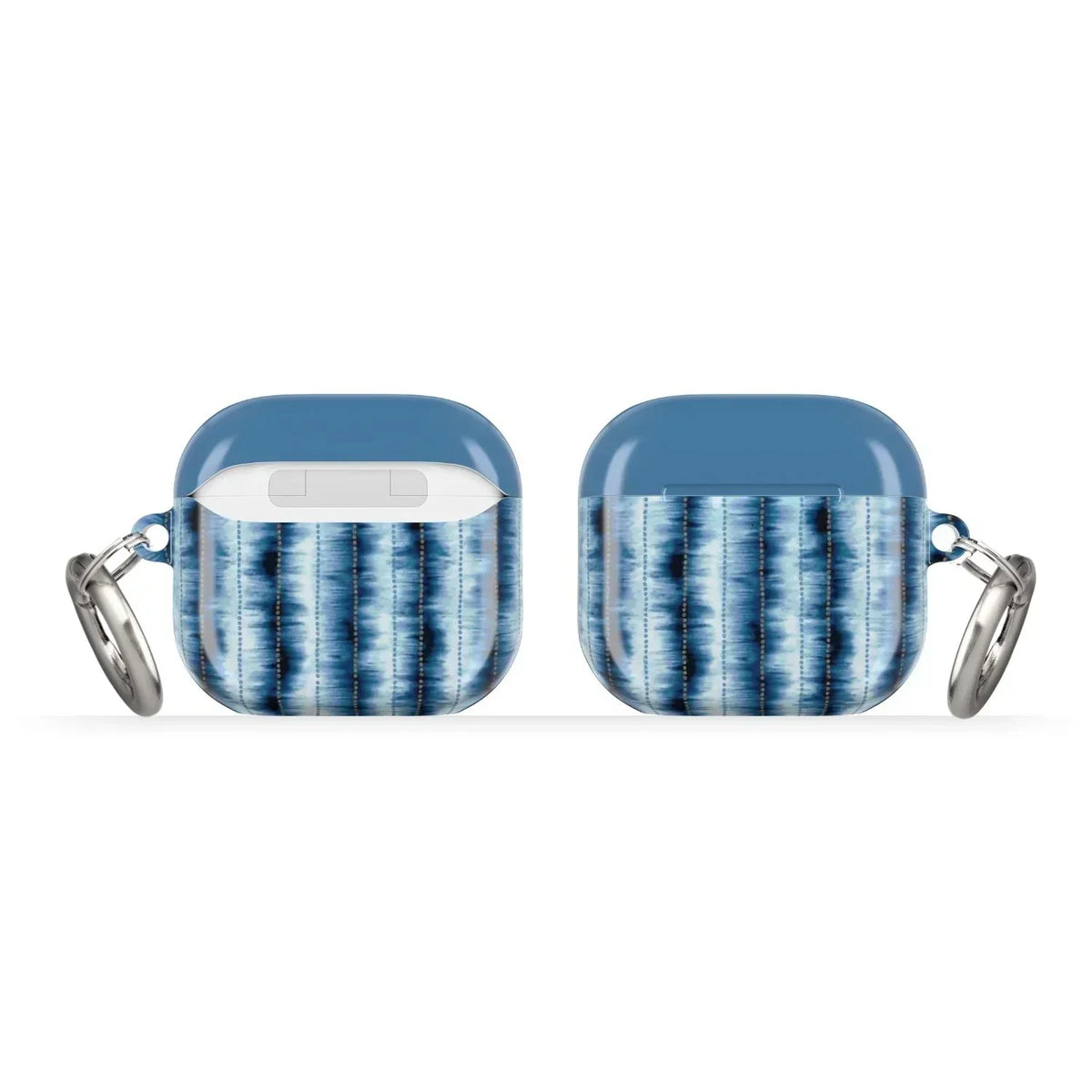
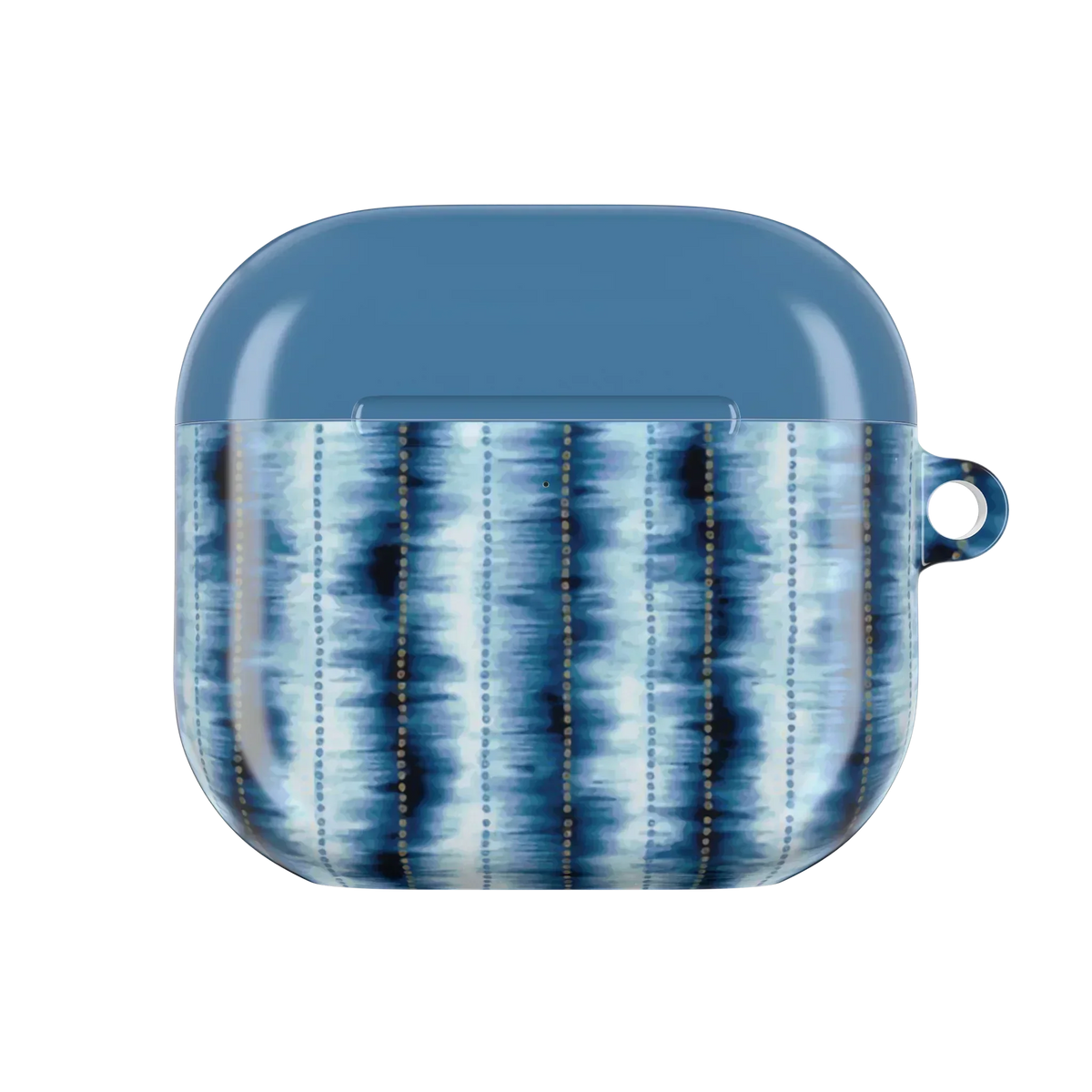
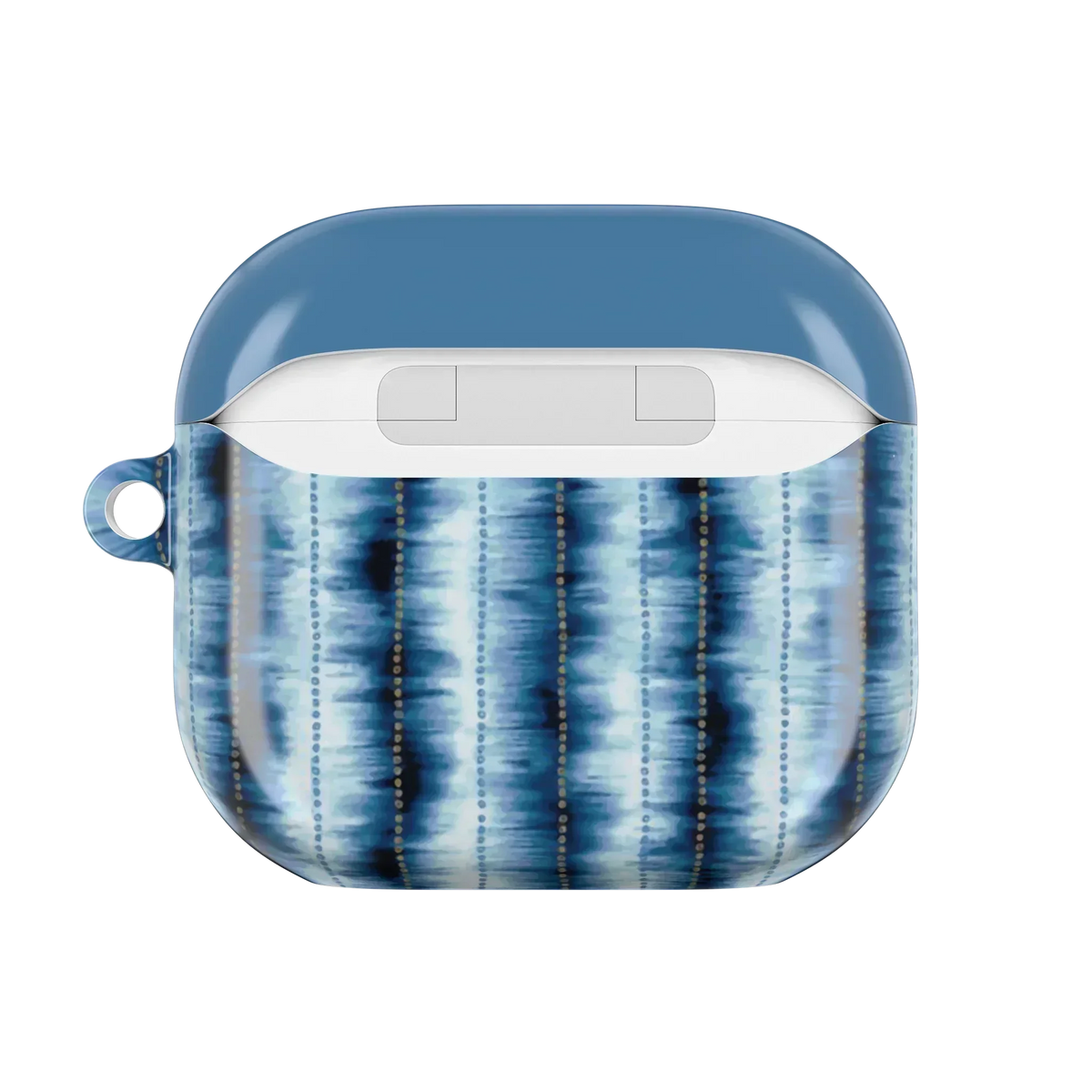
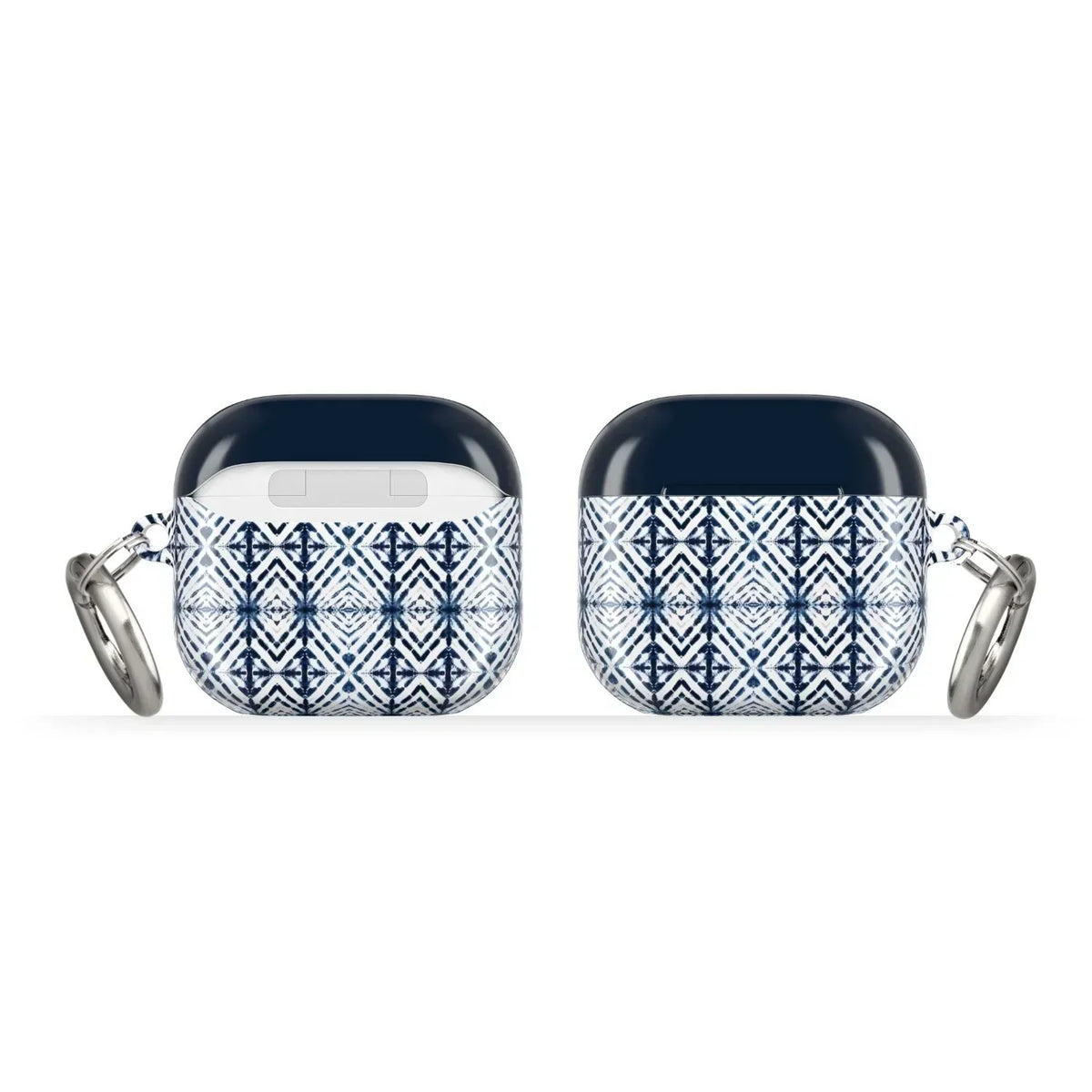
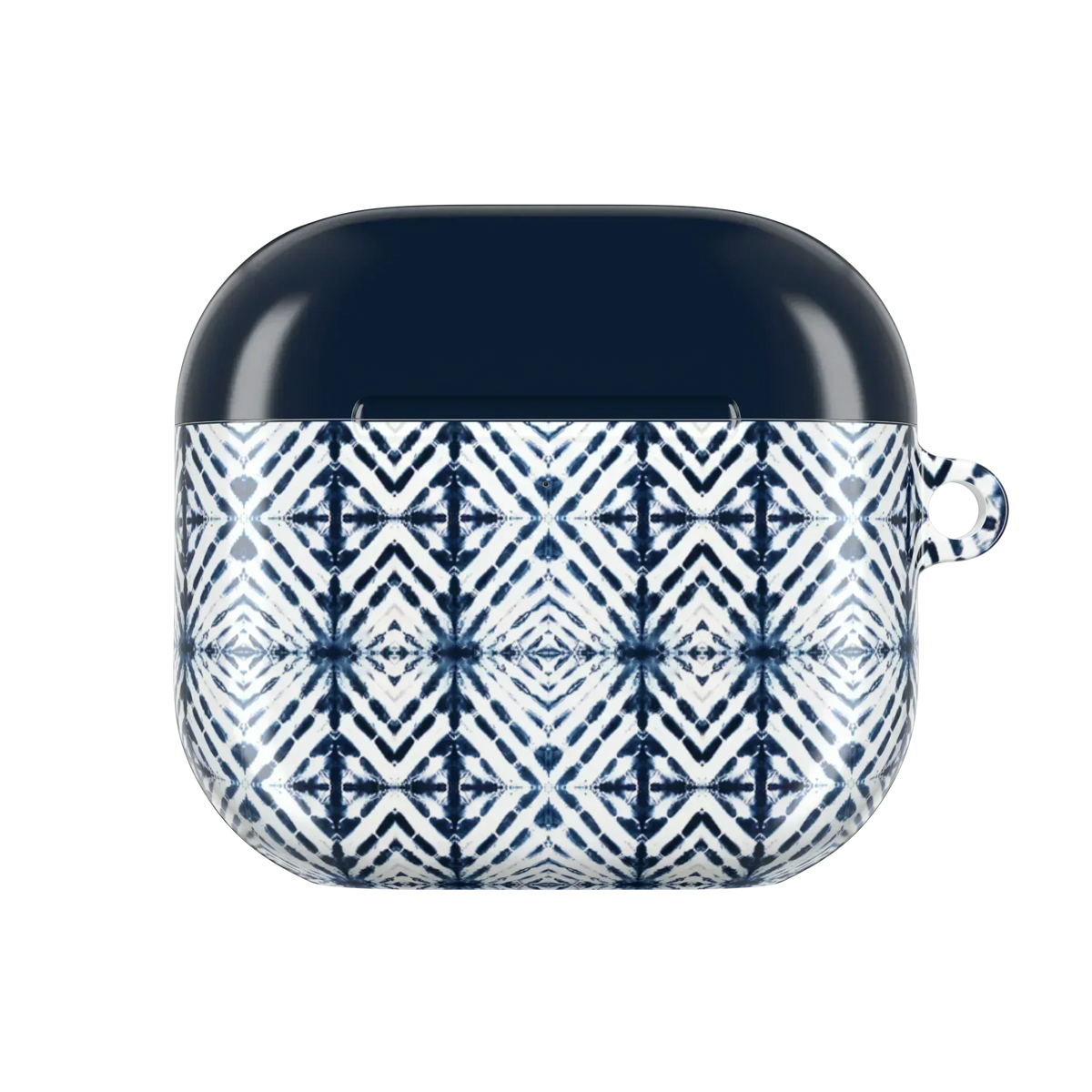
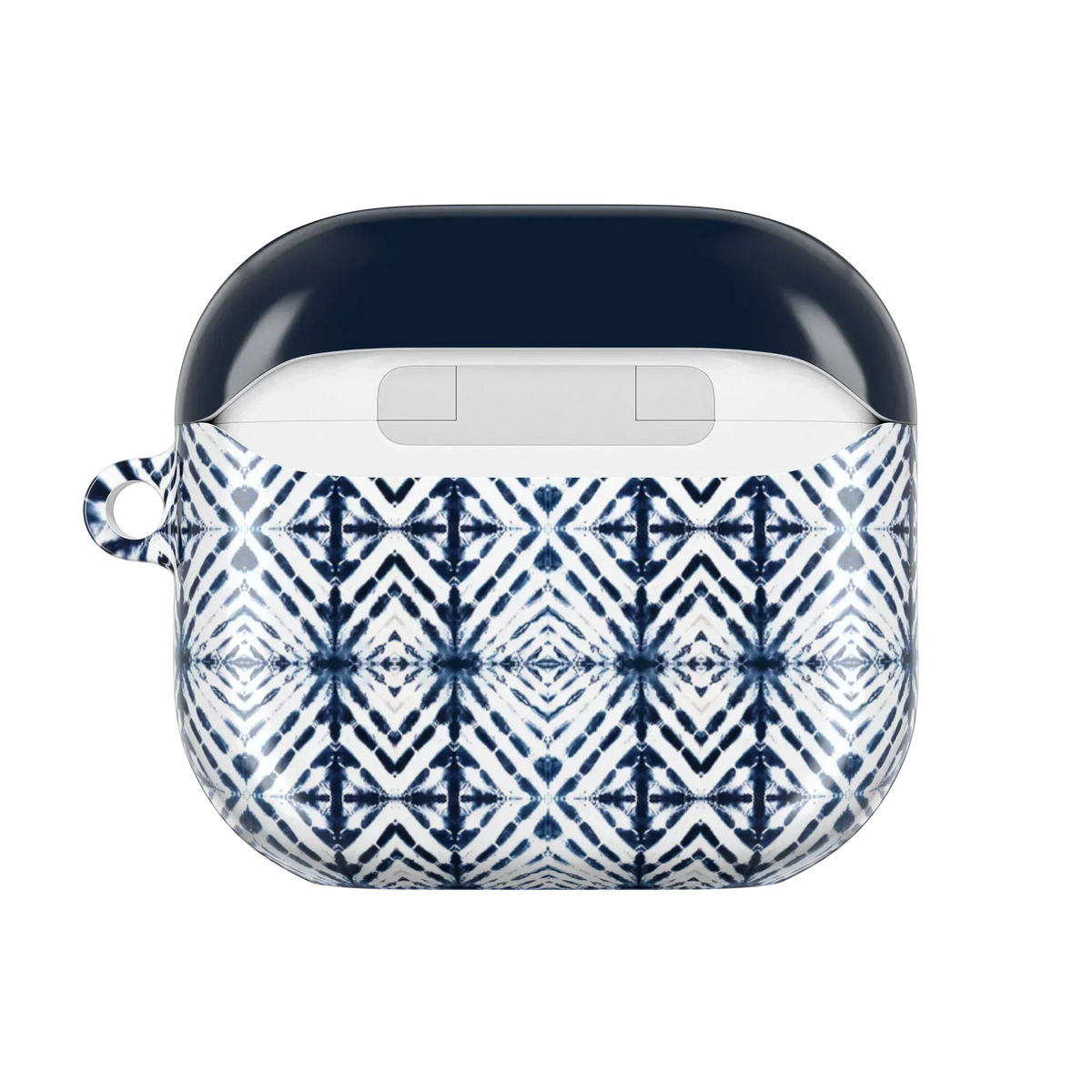
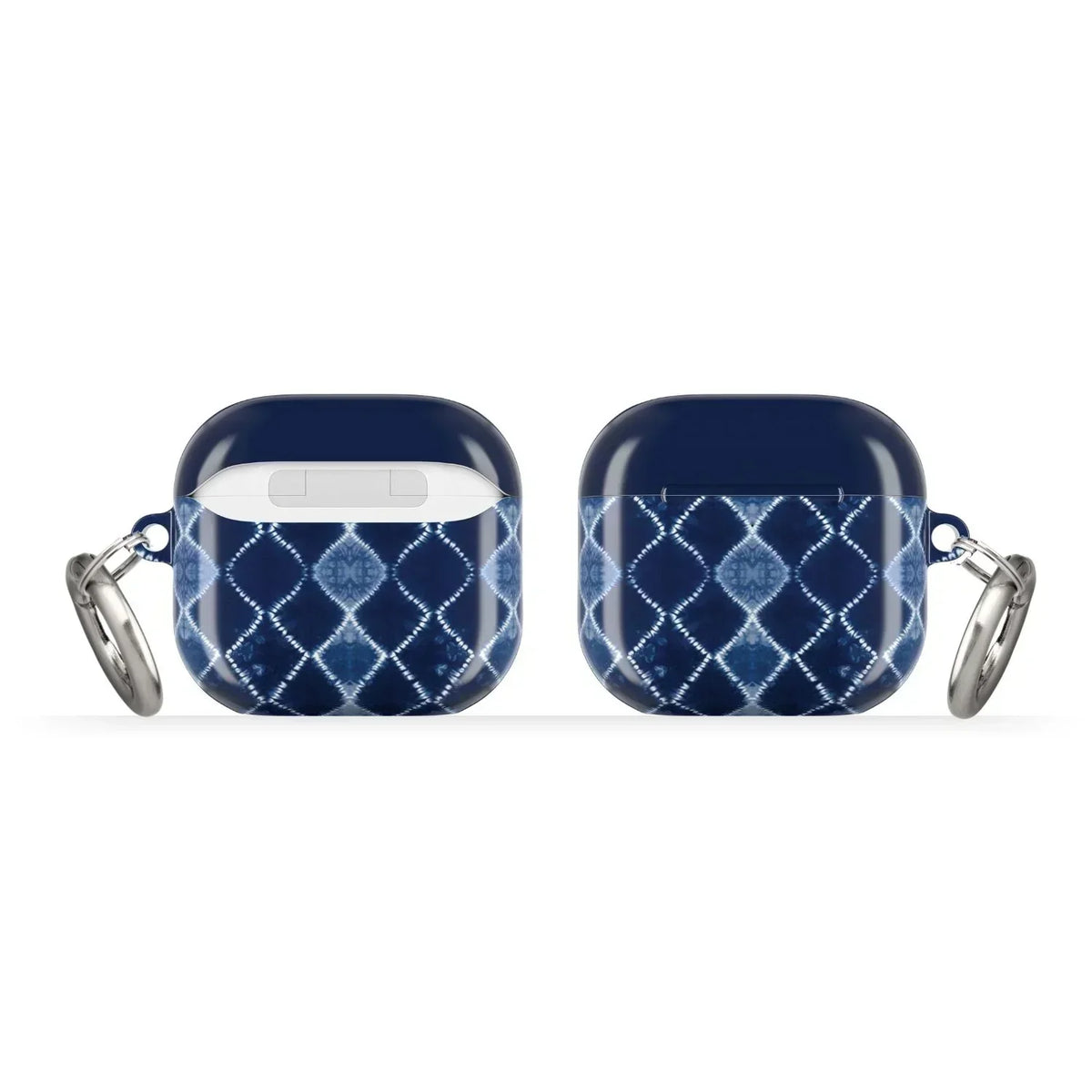
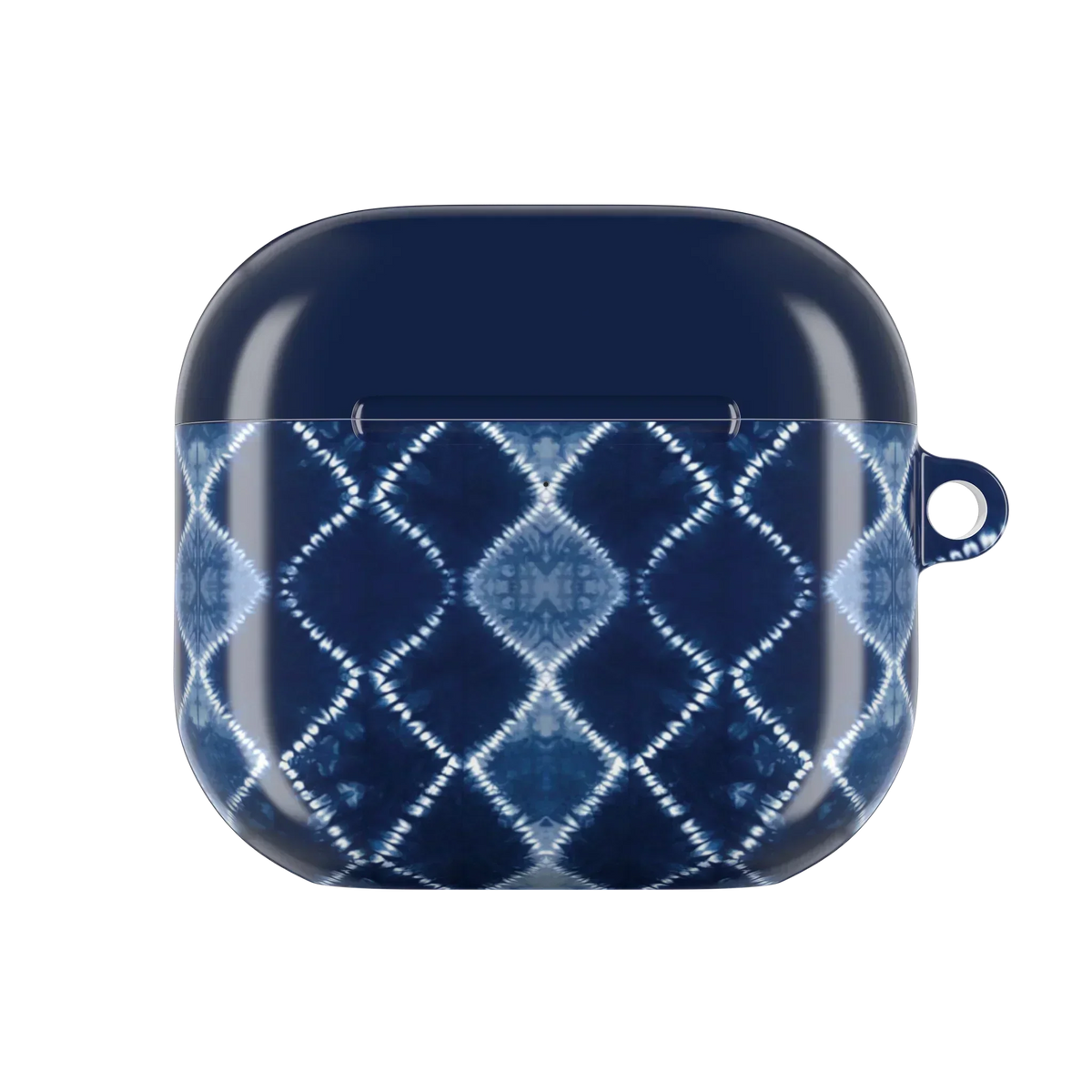
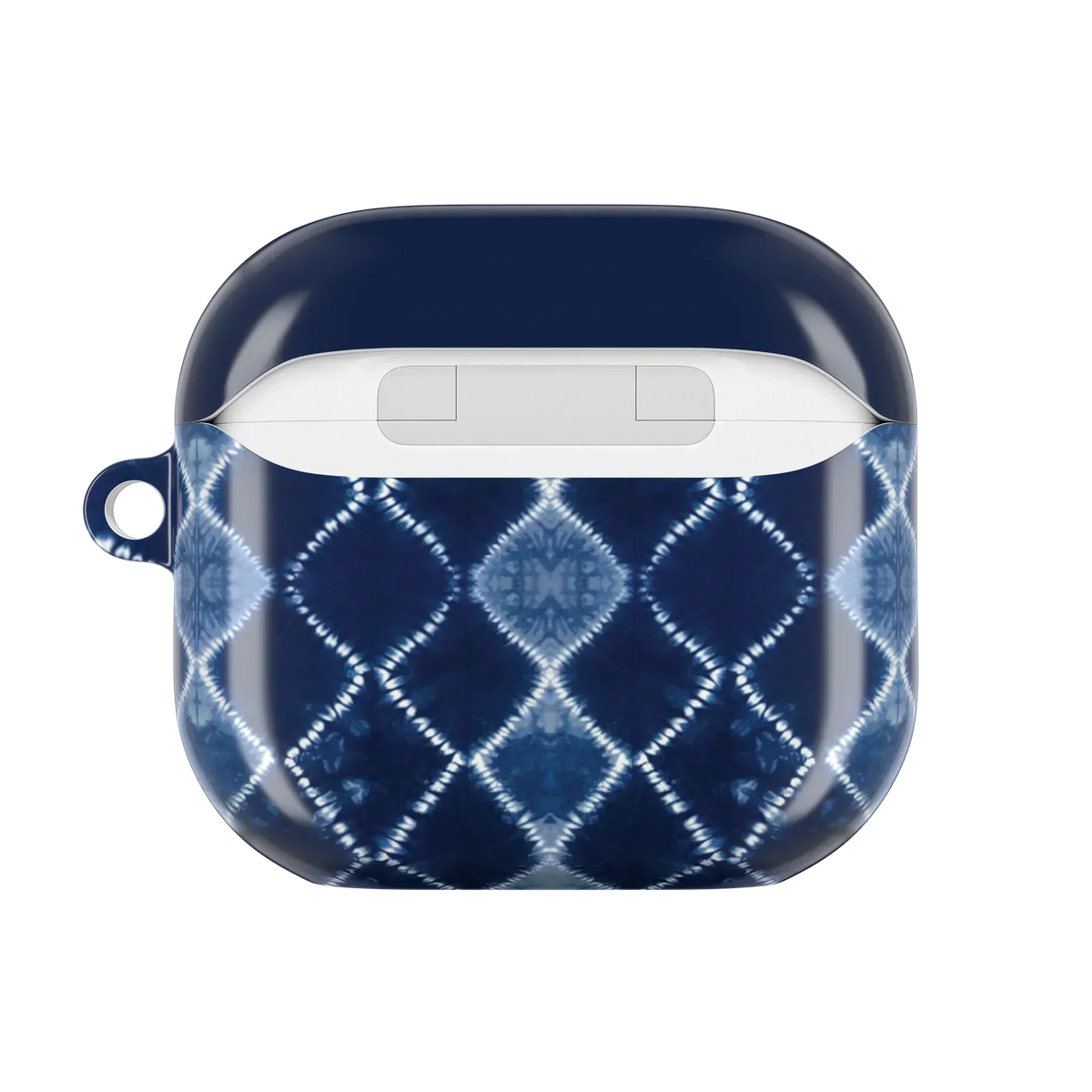
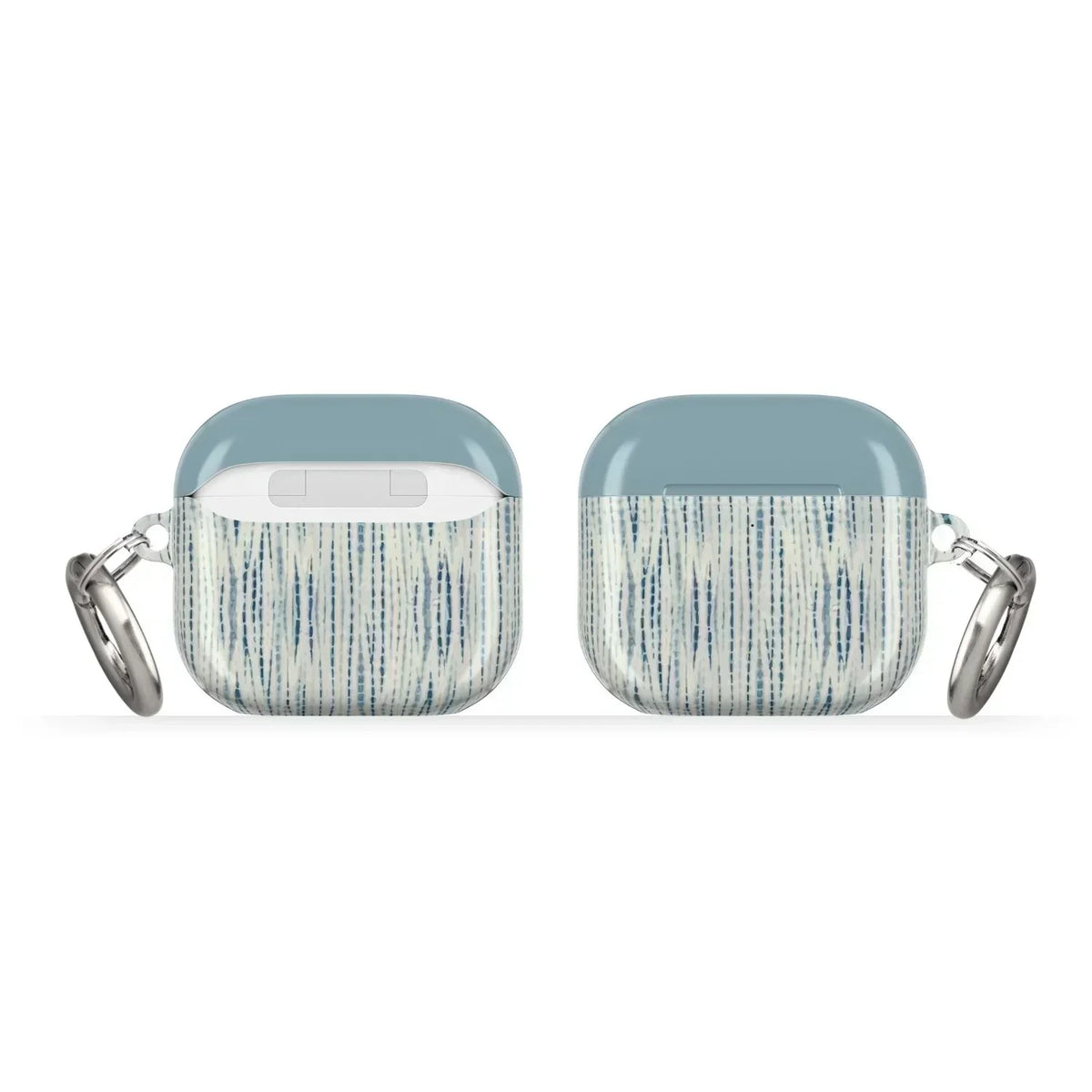
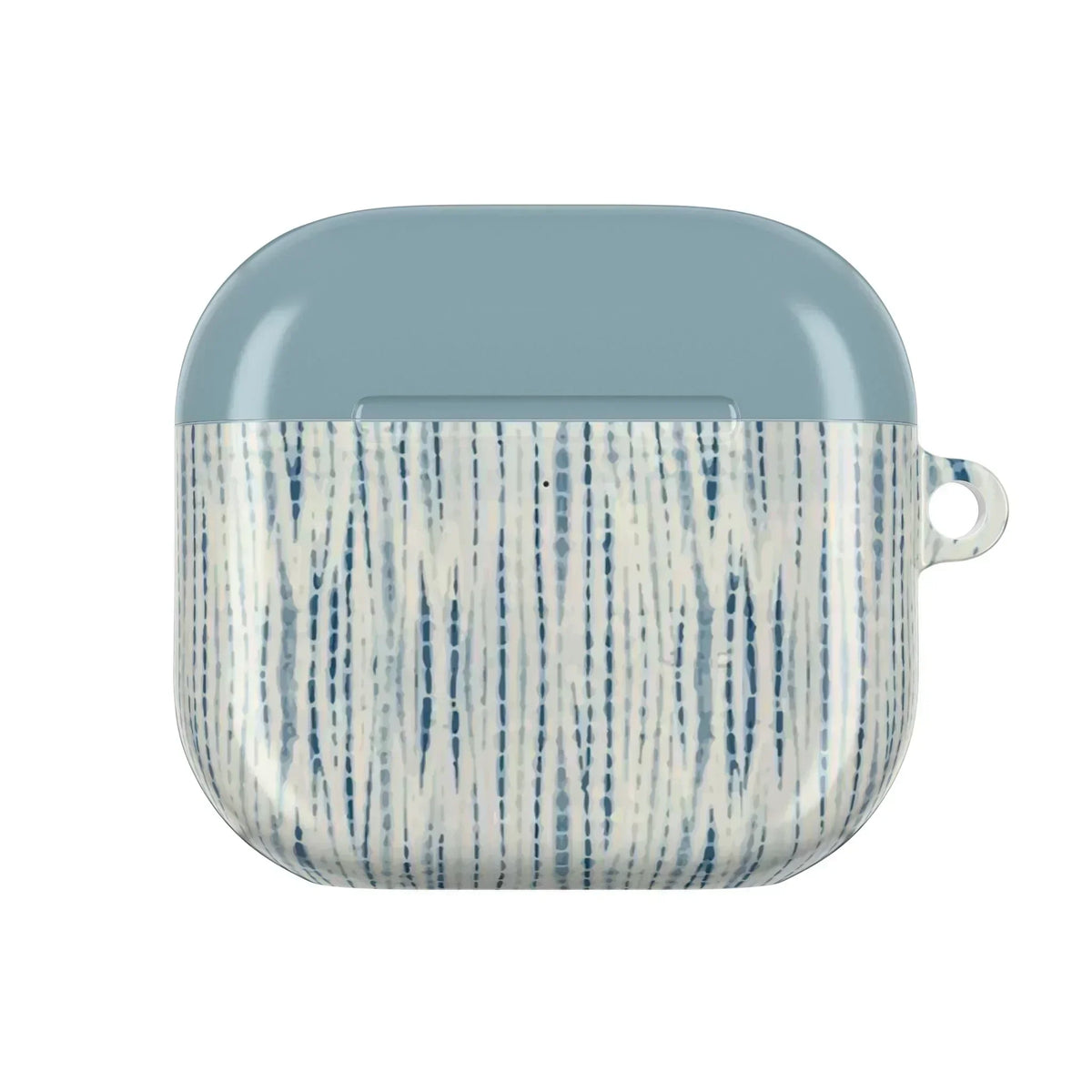
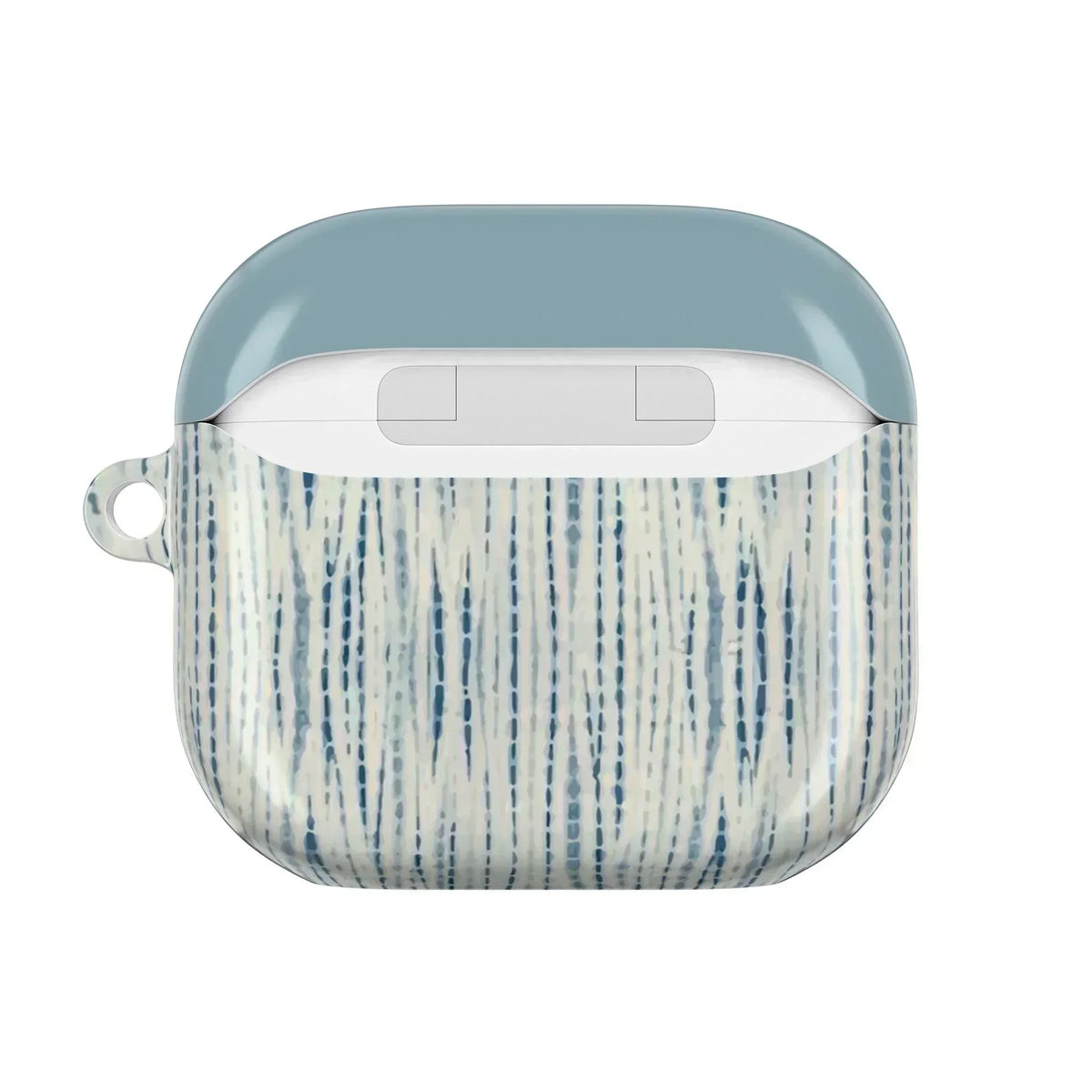
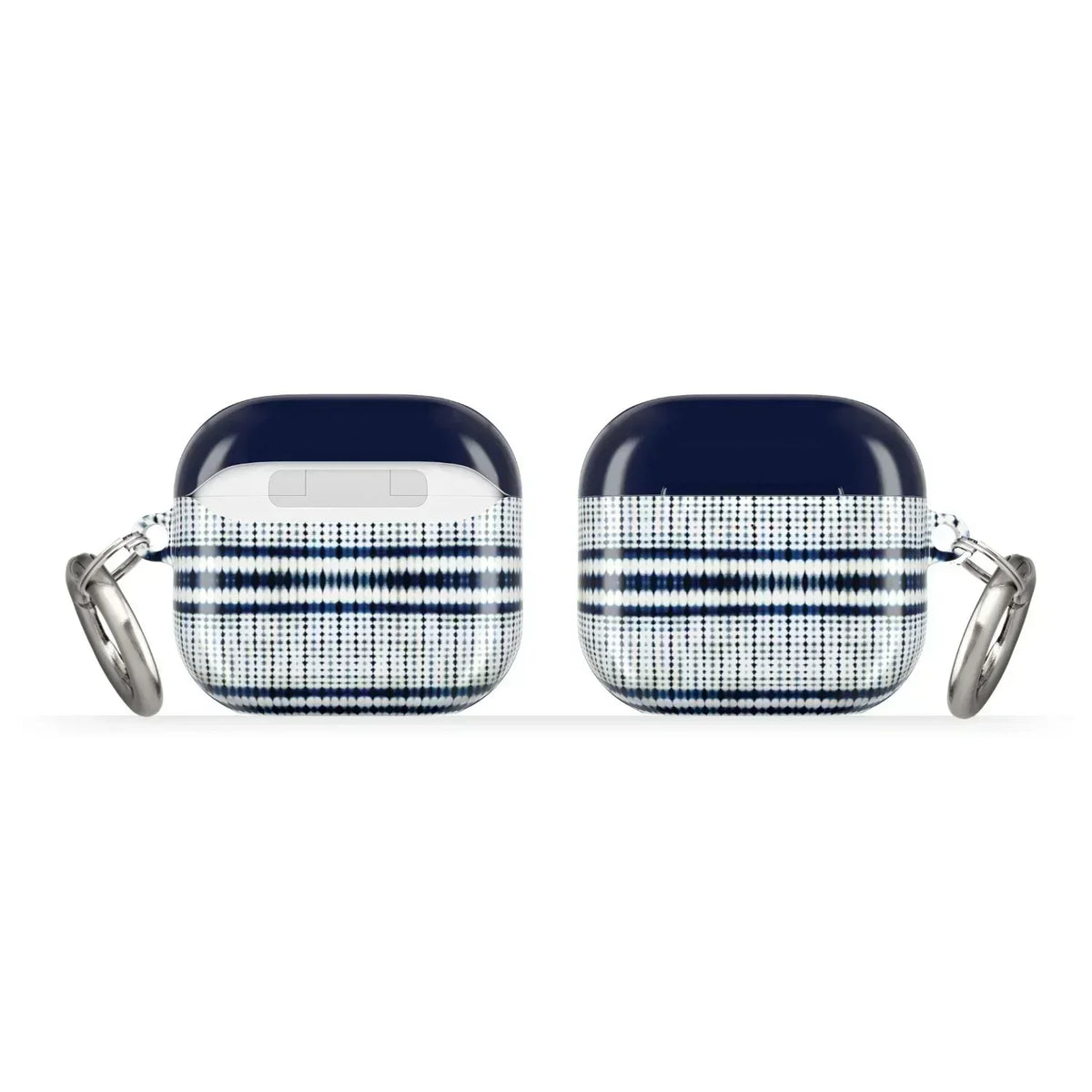
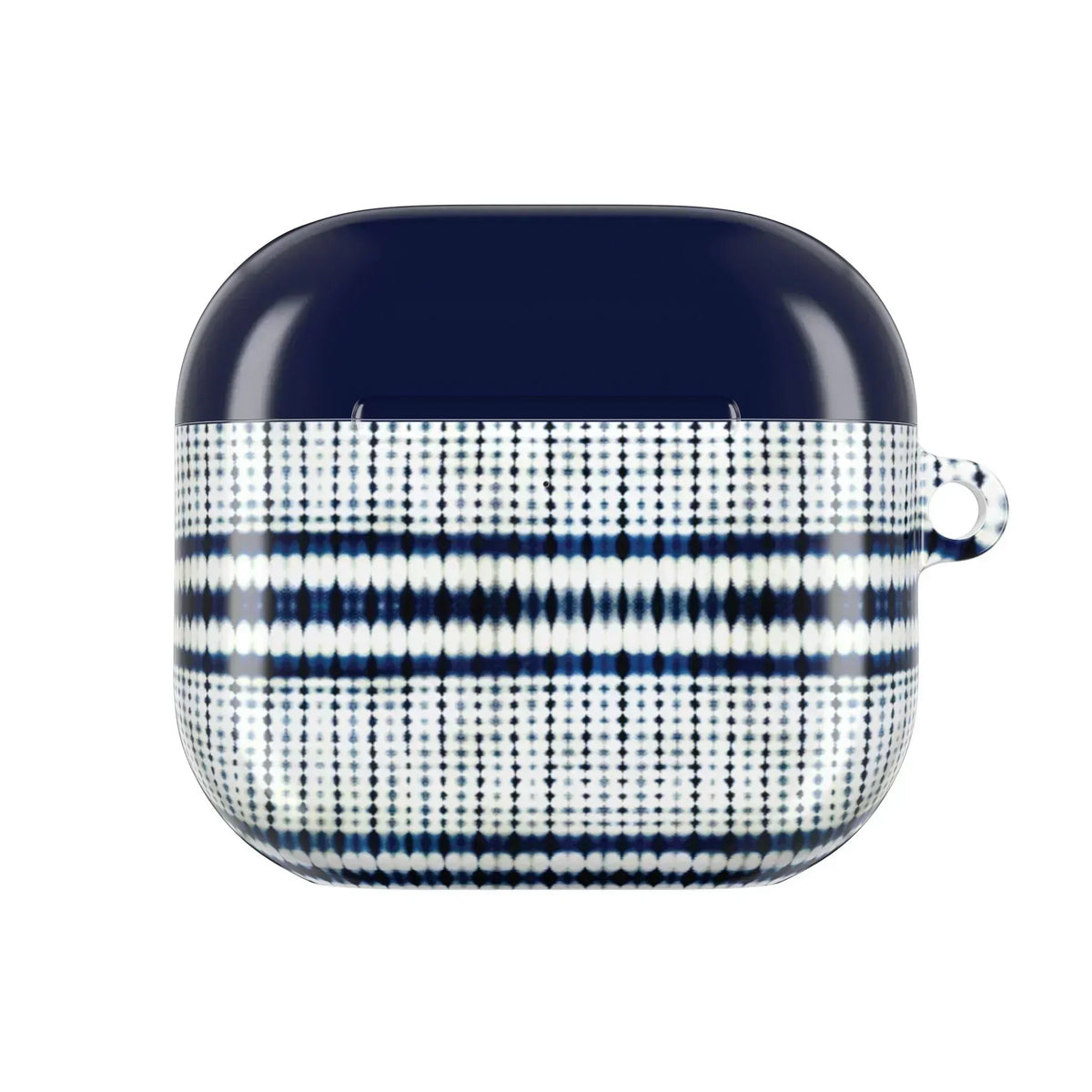
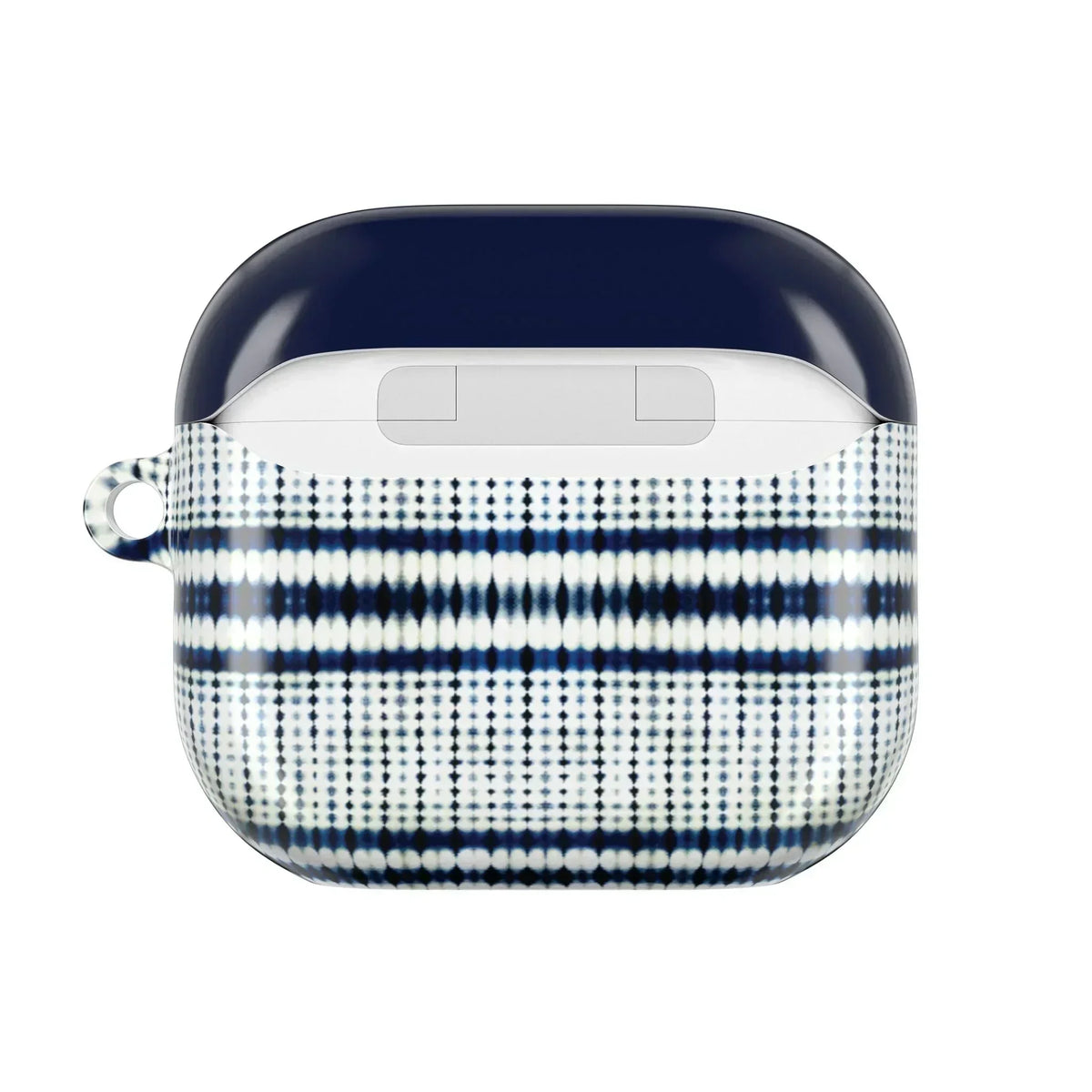
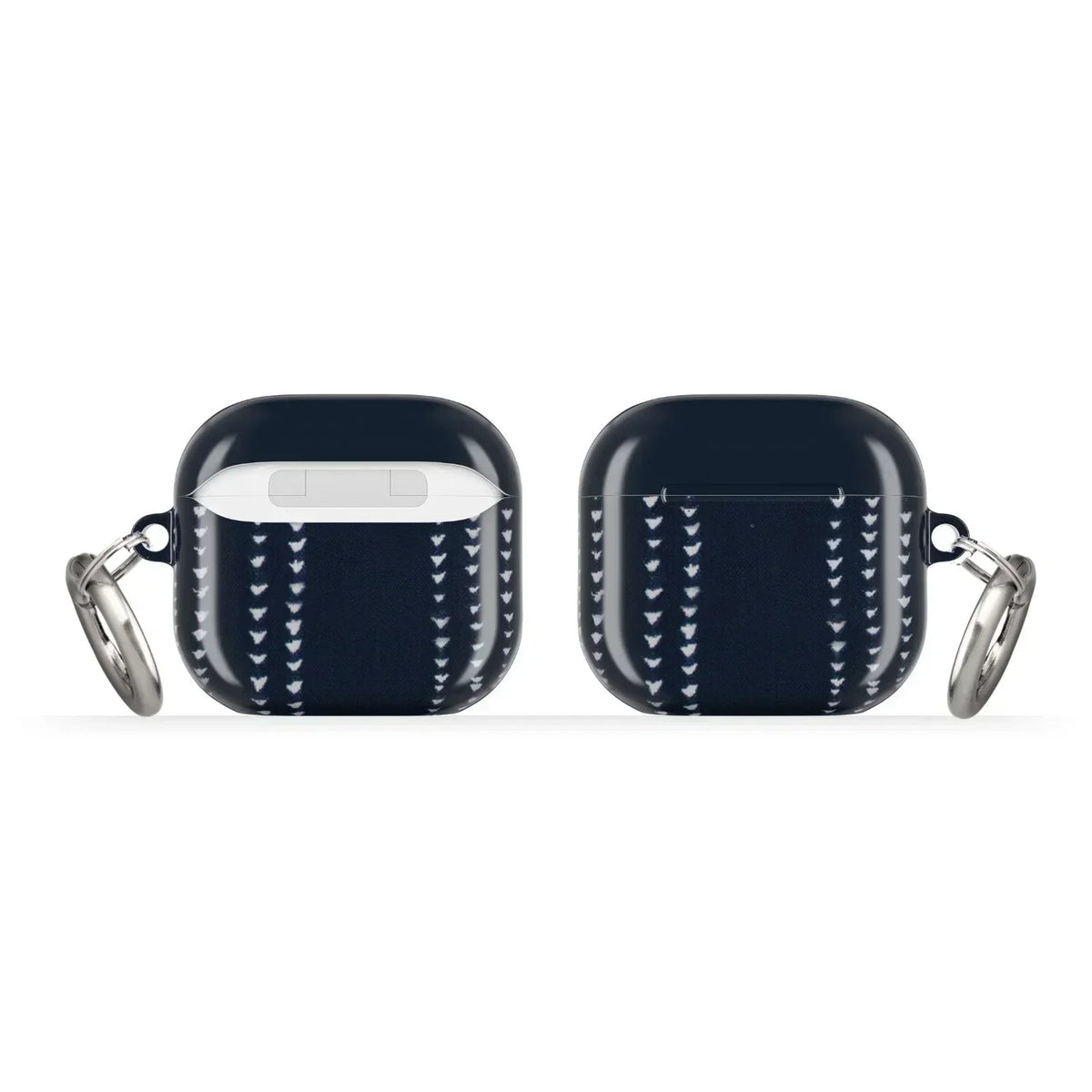
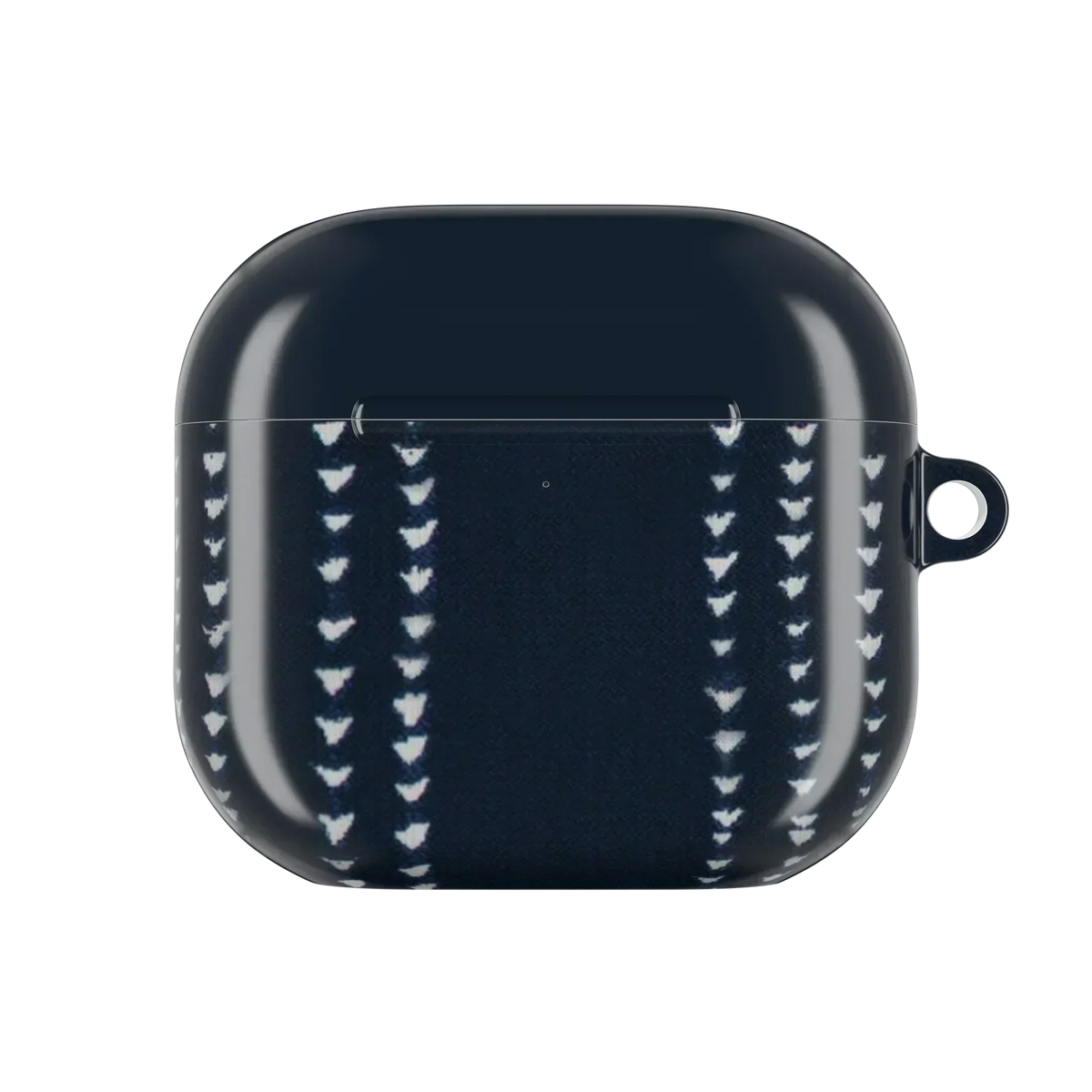
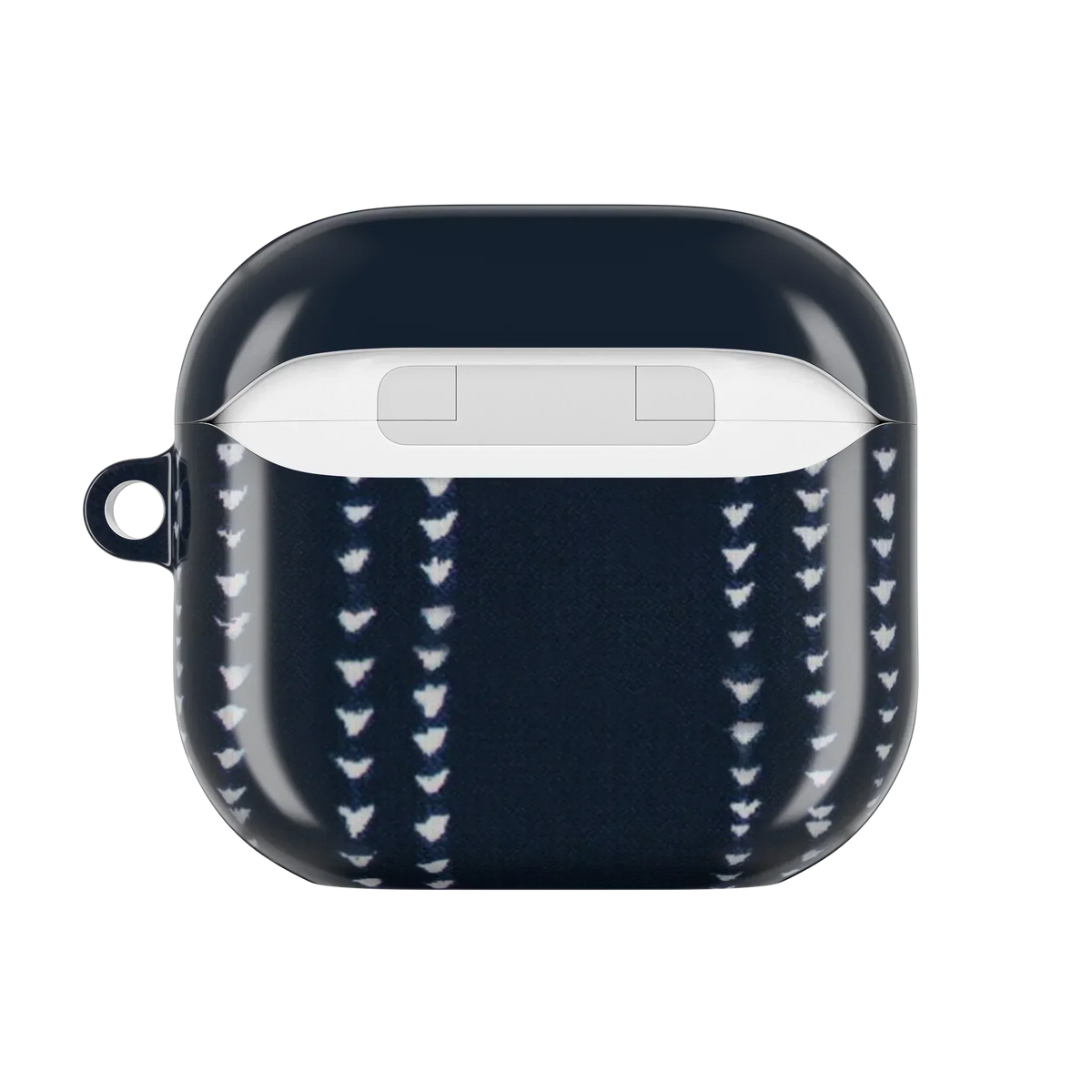
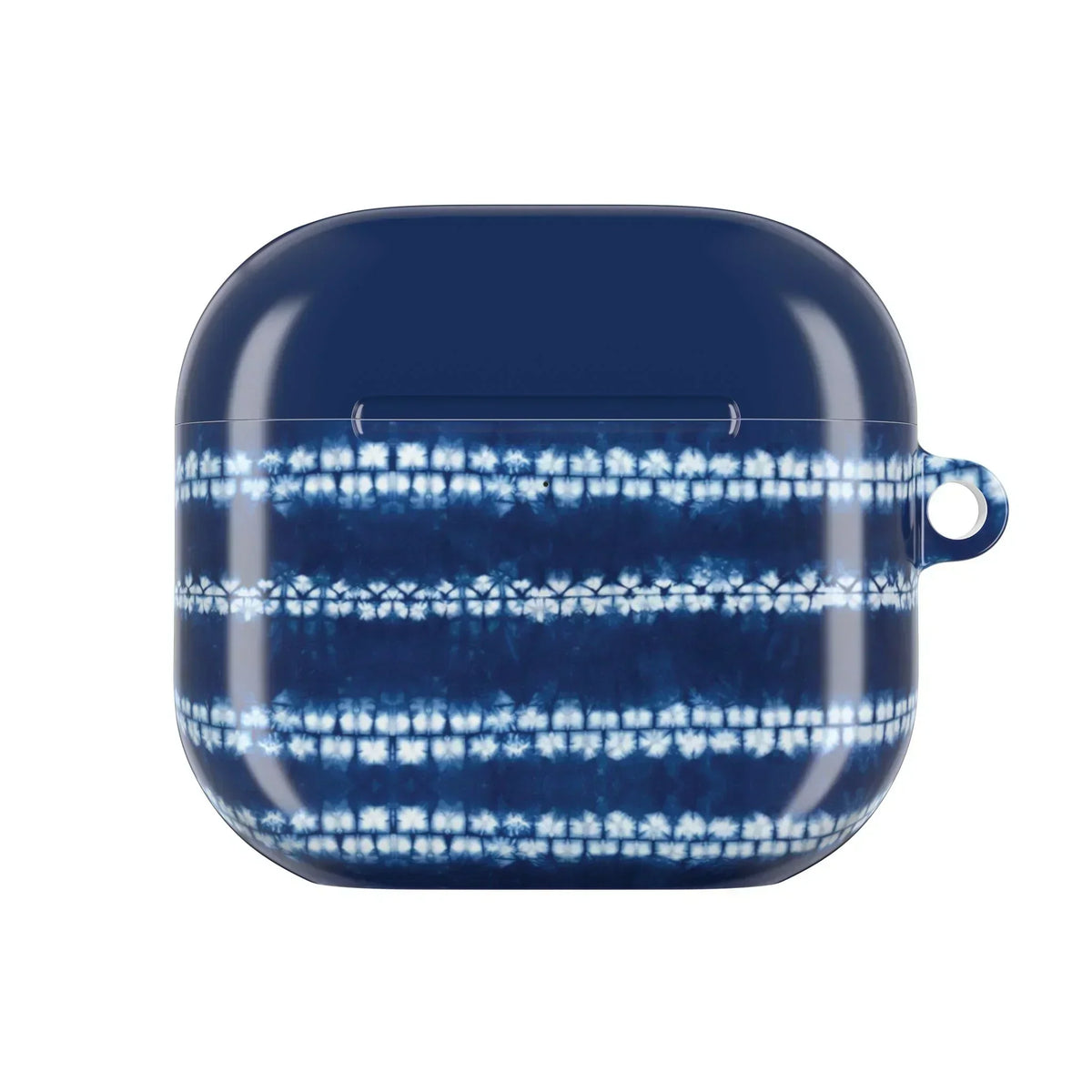
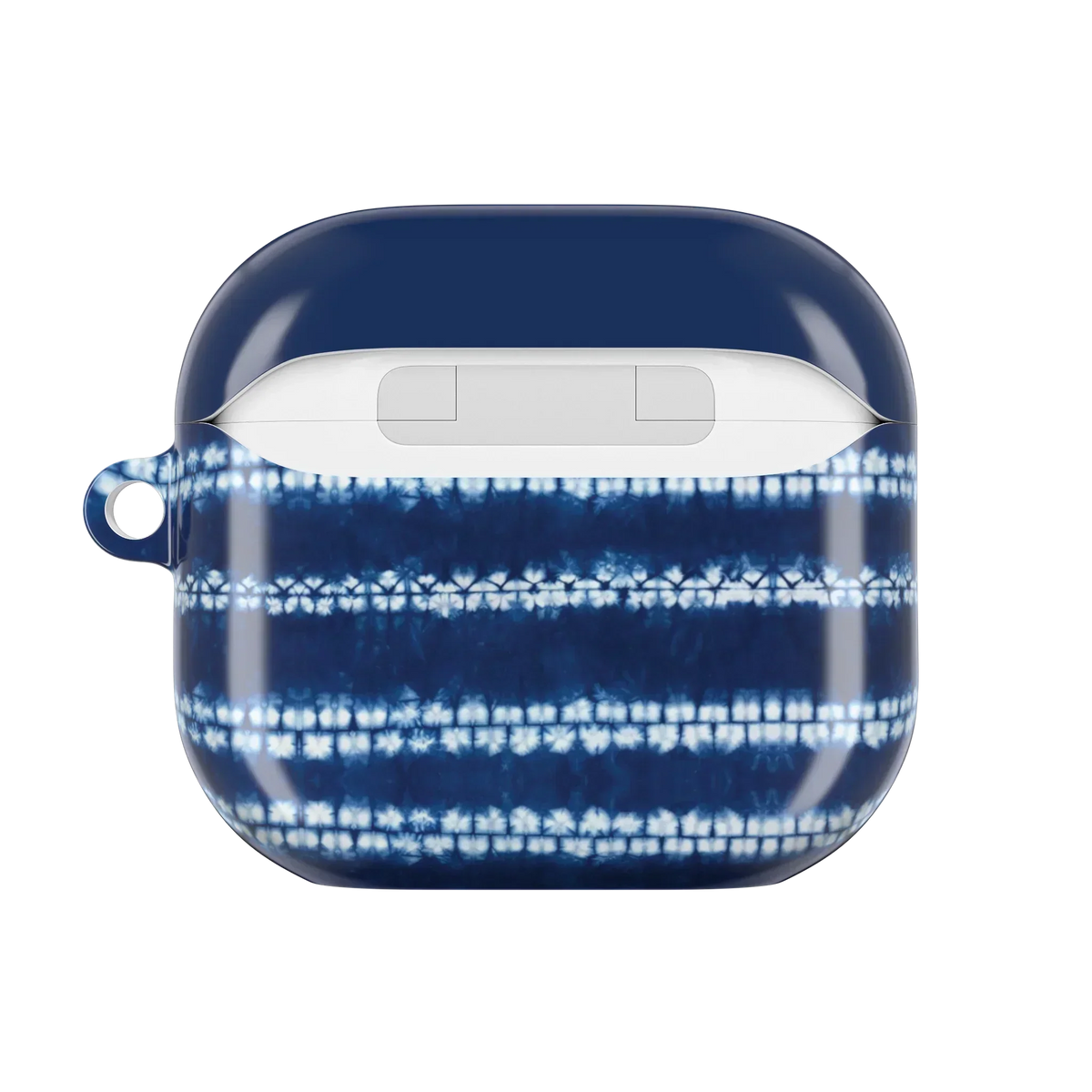
What began as a traditional dyeing method has evolved into a versatile design language that fits seamlessly into modern life. The fluid patterns of Shibori translate effortlessly beyond fabric, appearing on everyday essentials like tech accessories, bags, and apparel. Its organic, almost watercolor-like effect brings a sense of movement and depth, making even simple objects feel more expressive and personal.

What makes this transition so natural is how well Shibori aligns with current design preferences—authentic, imperfect, and visually dynamic. Whether applied to a phone case, a tote, or a wearable accessory, it carries the essence of a japanese textile tradition while adapting to contemporary lifestyles, proving that heritage design doesn’t have to stay in the past to remain meaningful.

Final Thoughts
Shibori is not just a method of dyeing—it’s a story shaped over centuries, continuously refined yet never losing its essence. From its early beginnings to its global influence today, it stands as a powerful example of how tradition can evolve without becoming diluted. What makes it enduring is its balance: control and unpredictability, simplicity and depth, heritage and modern relevance. Whether experienced through traditional textiles or reimagined in everyday objects, Shibori invites a slower, more intentional way of seeing design—one where every detail carries meaning, and every pattern tells a story worth looking closer at.